Regions of Quebec
Our guides, region by region, enriched visit after visit
 Capitale-Nationale
Quebec City (Fall-4)
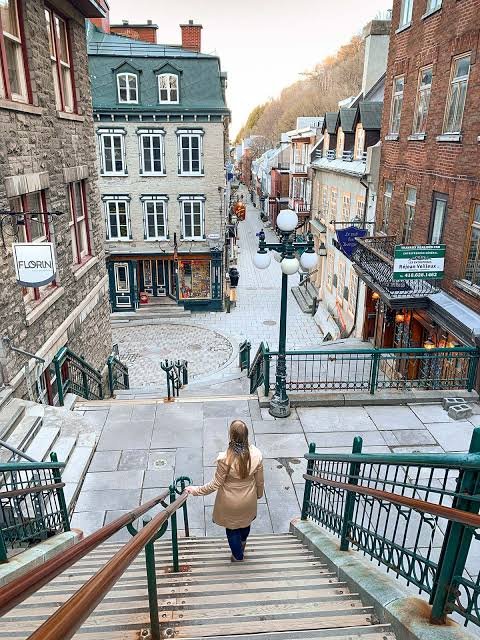
Quebec City is the capital of the province of the same name and one of the oldest cities in North America, founded in 1608 by Samuel de Champlain. Thanks to its centuries of history, its remarkable architecture and its exceptional natural setting, it remains an emblematic place in Canadian heritage. Its surroundings are full of natural spots where the hiking is exceptional.
 Capitale-Nationale
Quebec City (Fall-3)
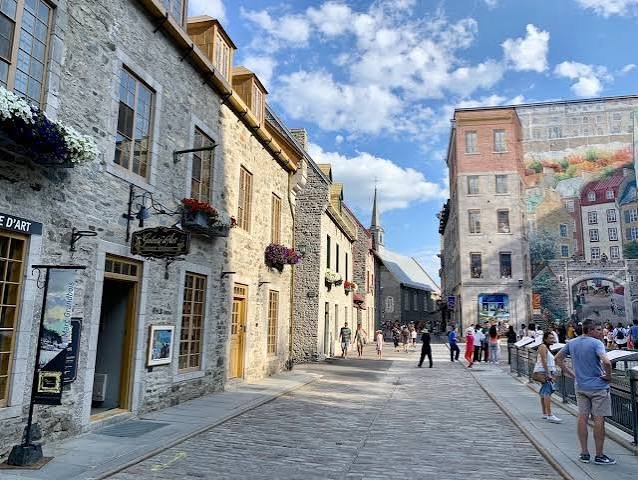
Quebec City is the capital of the province of the same name and one of the oldest cities in North America, founded in 1608 by Samuel de Champlain. Thanks to its centuries of history, its remarkable architecture and its exceptional natural setting, it remains an emblematic place in Canadian heritage. Its surroundings are full of natural spots where the hiking is exceptional.
 Montréal
Montreal (fall)
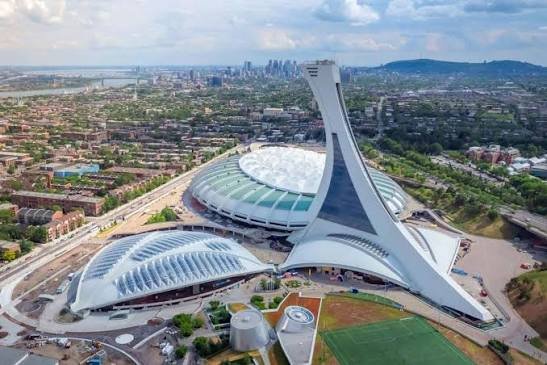
Founded on May 17, 1642 under the name Ville-Marie by Paul de Chomedey de Maisonneuve and Jeanne Mance, Montreal is the second-largest city in Canada and the largest French-speaking city in the Americas. It occupies an island at the confluence of the St. Lawrence River and the Ottawa River, about 230 km upstream from Quebec City.
Its history goes back even further: in October 1535, Jacques Cartier reached the Iroquoian village of Hochelaga and named the hill that overlooks the island Mount Royal, the name from which the city's own derives. Today, Montreal blends heritage, culture and food in a cosmopolitan atmosphere, and it has been recognized as a UNESCO City of Design since 2006.
Host of Expo 67 and the 1976 Olympic Games, the metropolis has kept unique sites from those great events that you can still visit, such as the Olympic Park, home to the Biodôme, set in the Games' former velodrome.
 Capitale-Nationale
Quebec City (Fall-2)
Quebec City is the capital of the province of the same name and one of the oldest cities in North America, founded in 1608 by Samuel de Champlain. Thanks to its centuries of history, its remarkable architecture and its exceptional natural setting, it remains an emblematic place in Canadian heritage. Its surroundings are full of natural spots where the hiking is exceptional.
 Capitale-Nationale
Île d'Orléans (fall)
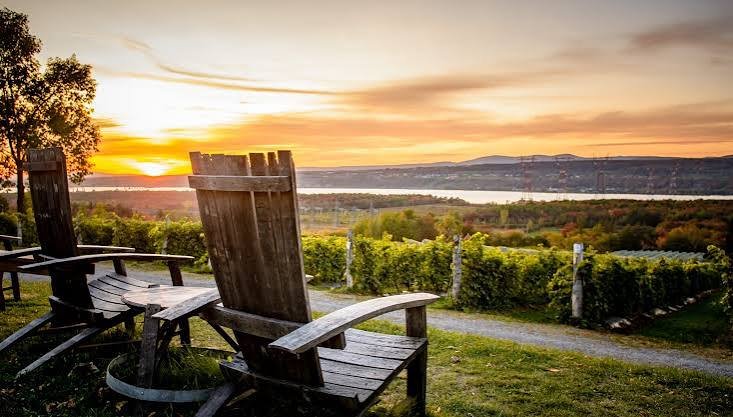
A few kilometres from Quebec City, Île d'Orléans is a genuine historic jewel of the St. Lawrence, often described as the cradle of French America. Discovered by Jacques Cartier in 1535 and settled soon after, it ranks among the oldest inhabited places in New France, hence its rich architectural and cultural heritage.
With its six picturesque villages, its old houses and its rolling landscapes, the island offers a singular rural setting where 95% of the territory is still farmland, producing strawberries, apples, vegetables, ciders and other artisanal specialties that have made its culinary reputation.
Thirty-four kilometres long and reached by the island bridge, it is easily explored by following the Chemin Royal, which hugs its shores and reveals superb views over the river. Designated a heritage site of Quebec, the island charms as much through its history as through its peaceful way of life.
 Chaudière-Appalaches
Montmagny (fall)
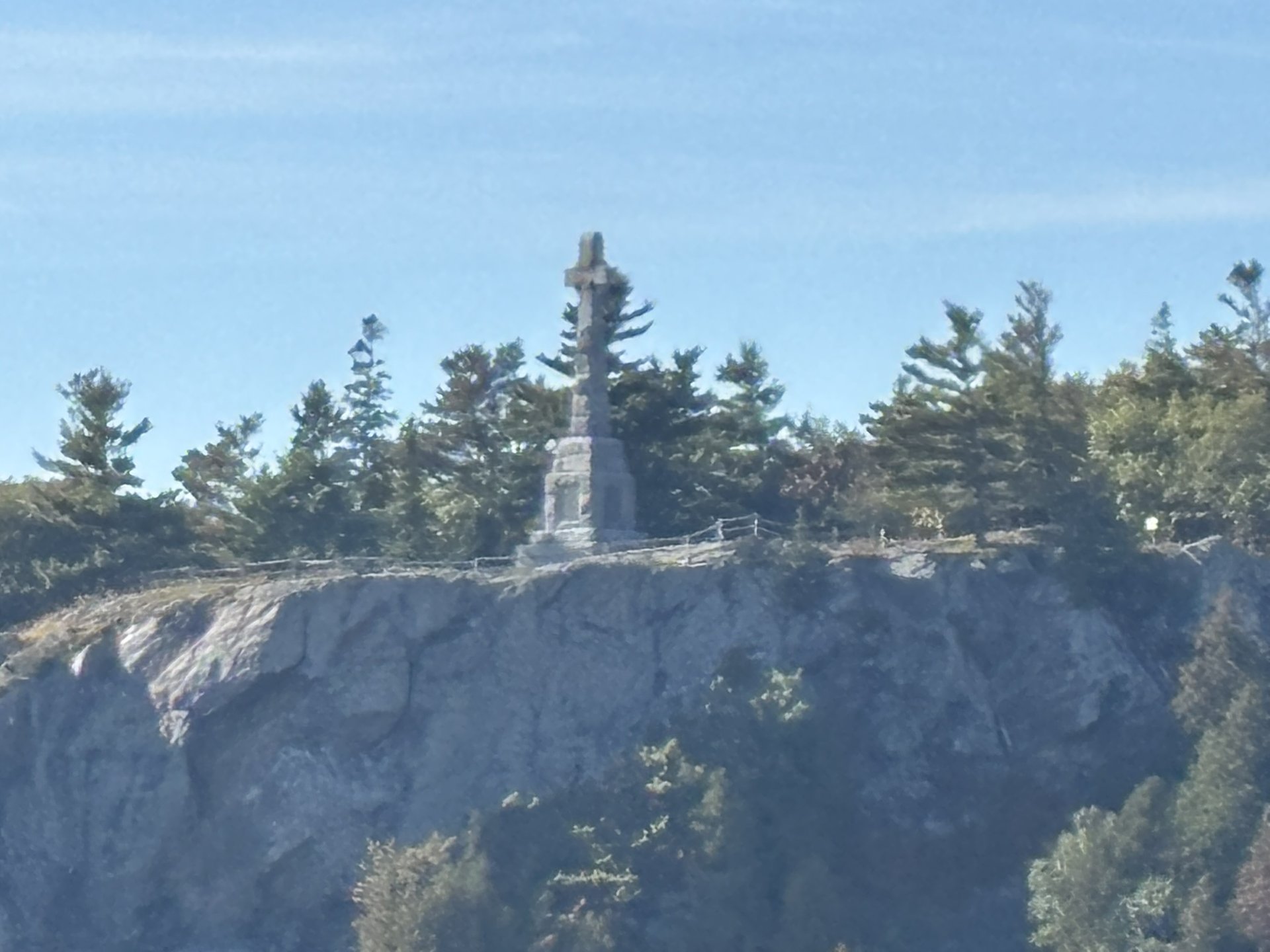
Fronting the St. Lawrence River downstream from Quebec City, the MRC de Montmagny is one of the ten MRCs of Chaudière-Appalaches. Its territory reads from north to south: first the islands and the shoreline, then the farming plain, and finally the Appalachian backcountry, wilder and more wooded.
Montmagny, its main town, proudly carries the title of Snow Goose Capital: in spring and fall, thousands of geese stop over on its tidal flats, and the Route des Plumes multiplies the observation sites. With more than 360 years of history behind it, the town showcases its heritage through its interpretation centres and its heritage circuits, and Vieux-Montmagny charms with its shops and its European-looking terraces.
But it is out toward open water that you should look. From the Berthier-sur-Mer marina, about fifteen minutes from Montmagny, Croisières Lachance takes you between the islands of the Isle-aux-Grues archipelago — twenty-one islands set in the middle of the river — all the way to Grosse-Île, one of the most moving places of memory in the country.
Barely an hour from Quebec City, it is the kind of weekend that feels like you travelled much farther.
 Lanaudière
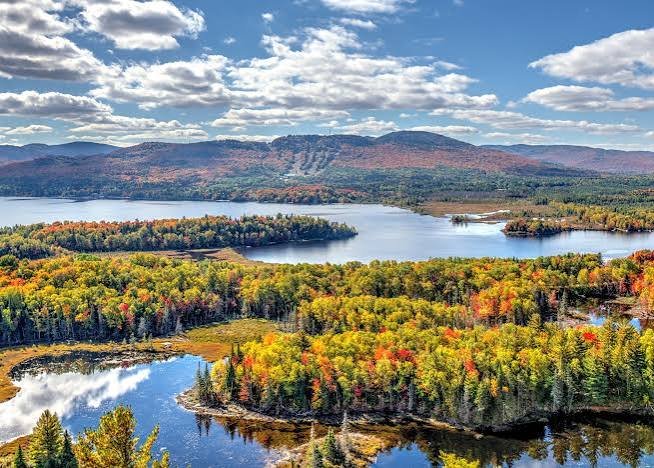
Matawinie (Fall)
In the heart of Lanaudière, the Matawinie regional county takes up two thirds of the region all on its own. That tells you how vast the territory is: fifteen municipalities, twelve unorganized territories and the Atikamekw community of Manawan, spread across the foothills of the Laurentians.
The name comes from the Algonquian Matawane, meaning "river that falls fast" — a nod to the Matawin River, the main tributary of the Saint-Maurice in this area. The county has officially carried the name since 1982, and Rawdon is its seat.
You come here for the water and the forest. Hundreds of lakes, salmon rivers, waterfalls, ZECs and outfitters make up a playground where the outdoors sets the pace in every season. The farther north you go, the wilder the country gets: the Haute-Matawinie, which takes in Saint-Zénon, Saint-Michel-des-Saints and Manawan, truly marks the end of the roads and the beginning of the open wild.
And yet all of it sits three and a half hours from Quebec City. A complete change of scene, without having to cross the province.
 Estrie
Eastern Townships (Summer)
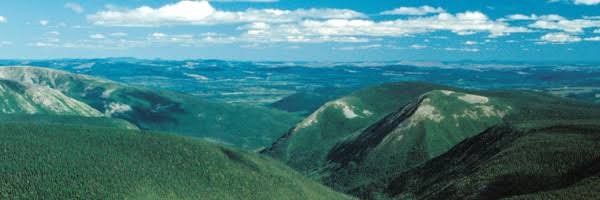
A weekend in the Eastern Townships is really two faces of the same region. On one side, the MRC du Granit and its Route des Sommets: a themed 193 km circuit linking La Patrie to Saint-Adrien with the mountains as the headline act, with tiny villages, scenic pull-offs and the highest summit in Quebec you can reach by car. On the other, Magog and Lake Memphremagog, more worldly, more indulgent, where you trade hiking boots for a glass of local wine by the water. Between the two lies what makes this corner truly singular: the sky. The Mont-Mégantic area was the first in the world to be granted International Dark Sky Reserve status, and that changes everything. Village lighting has been rethought, the observatory welcomes the public in the evening, and even municipal rest areas double as improvised observation posts. You come for the summits, you leave talking about the stars. Our itinerary: an astronomy evening at the ASTROLab, a day criss-crossing Notre-Dame-des-Bois, Piopolis and Lac-Mégantic before driving up to the summits, then a day in Magog for the Fête des Vendanges and a cruise on the Memphremagog. Three days, two moods, and a region you leave promising yourself you'll come back off-season.
 Capitale-Nationale
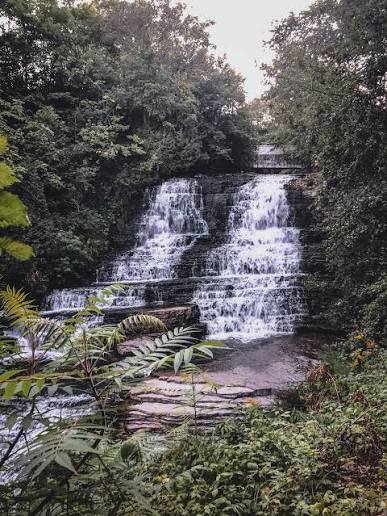
Quebec City (Summer-3)
Quebec City is the capital of the province of the same name and one of the oldest cities in North America, founded in 1608 by Samuel de Champlain. Thanks to its centuries of history, its remarkable architecture and its exceptional natural settings, it remains an emblematic place in Canadian heritage. Its surroundings are full of natural spots where the hiking is exceptional.
 Chaudière-Appalaches
Beauce-2 (Summer)
In the heart of the Chaudière-Appalaches region, the Beauce regional county forms a dynamic whole where heritage, nature and entrepreneurial spirit meet. The area stands out for its varied landscapes — fertile farmland, wooded plateaus and summits — as well as for a rich and welcoming community life.
The Beauce is known for its agro-forestry heritage, its well-preserved historic buildings and its cultural initiatives, which contribute to the vitality of the place. Whether it's the heritage attractions, the events or the natural setting, the regional county offers a warm, authentic quality of life, true to the reputation of the Beaucerons.
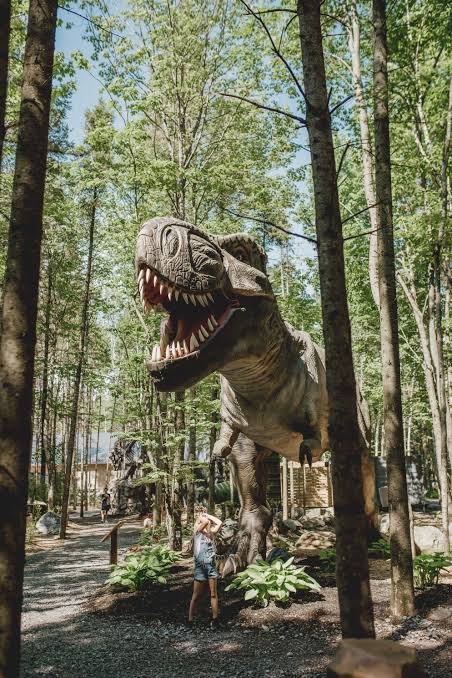
Only 20 minutes from the Quebec City bridges, the village of Scott has become a must-visit family destination thanks to Woodooliparc, which changes its face entirely with the seasons. After discovering FRIMA and its Christmas magic in winter, we came back to see what summer had in store… and we weren't disappointed!
 Chaudière-Appalaches
L'Islet (Summer)
Nestled on the south shore of the St. Lawrence, between Montmagny and La Pocatière, the L'Islet regional county is one of the most discreet in Chaudière-Appalaches — and one of the most endearing. Its villages, strung along the chemin des Pionniers, unfold a remarkable built heritage, where stone houses and church steeples stand out against the horizon of the river.
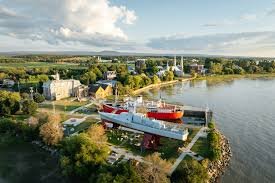
But what truly sets this territory apart is its maritime heritage. L'Islet-sur-Mer proudly carries the nickname "Homeland of Sailors": generations of captains, pilots and navigators were born here, among them the legendary Joseph-Elzéar Bernier, a pioneer of Canadian polar expeditions. Here the river isn't a backdrop, it's a family story.
Barely an hour from Quebec City, the region lends itself wonderfully to a day trip: museums, tidal flats, sunsets over the St. Lawrence and that quiet sense of being in the right place.
 Capitale-Nationale
Quebec City (Summer-2)
Quebec City is the capital of the province of the same name and one of the oldest cities in North America, founded in 1608 by Samuel de Champlain. With its centuries of history, its remarkable architecture and its exceptional natural surroundings, it remains an emblematic place in Canadian heritage. The country around it is full of natural spots where the hiking is outstanding.