Old Quebec, heritage guide in hand
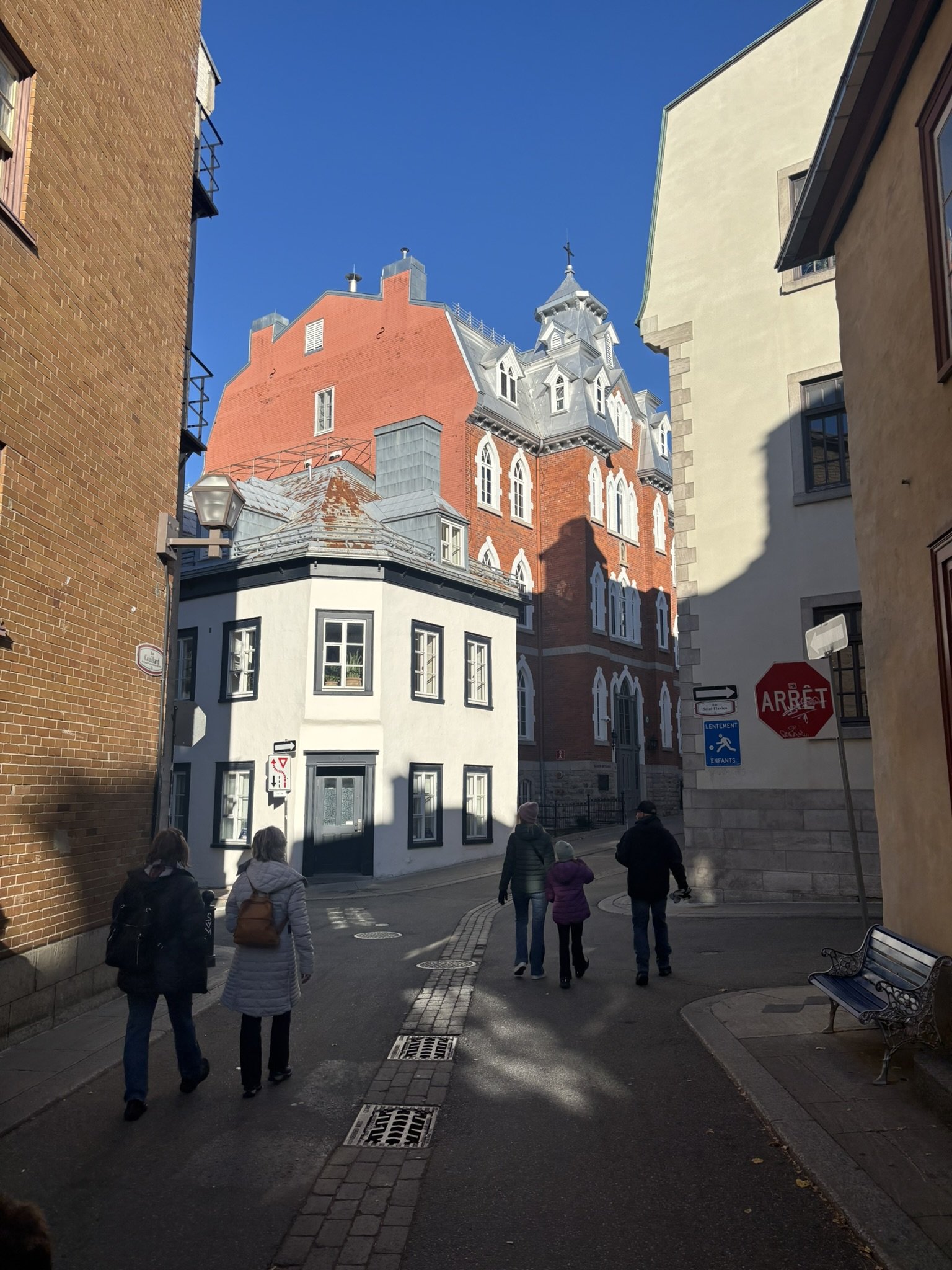
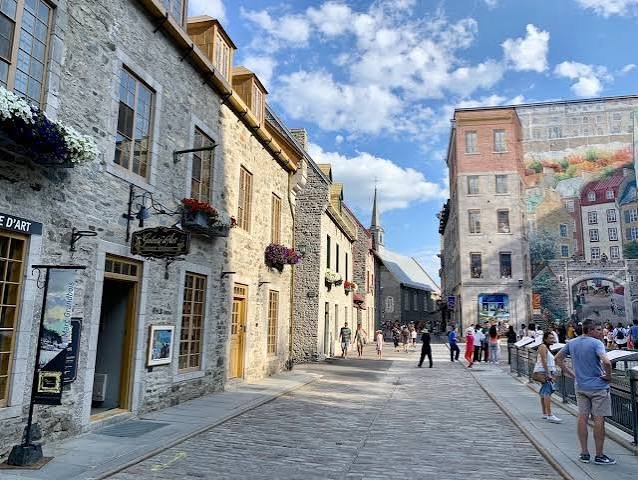
On Saturday, October 24, we parked the Tesla at the D'Youville parking lot, just outside the Saint-Jean Gate, and explored the Upper Town on foot, heritage guide in hand. The idea was simple: a loop designed for less than an hour of walking, a few churches to visit, and houses you look at from the sidewalk while reading their history on the spot. The route took us from Artillery Park to the Saint-Louis Gate, by way of City Hall, the two cathedrals, rue Saint-Louis and the Ursuline monastery.
From Artillery Park to the Latin Quarter
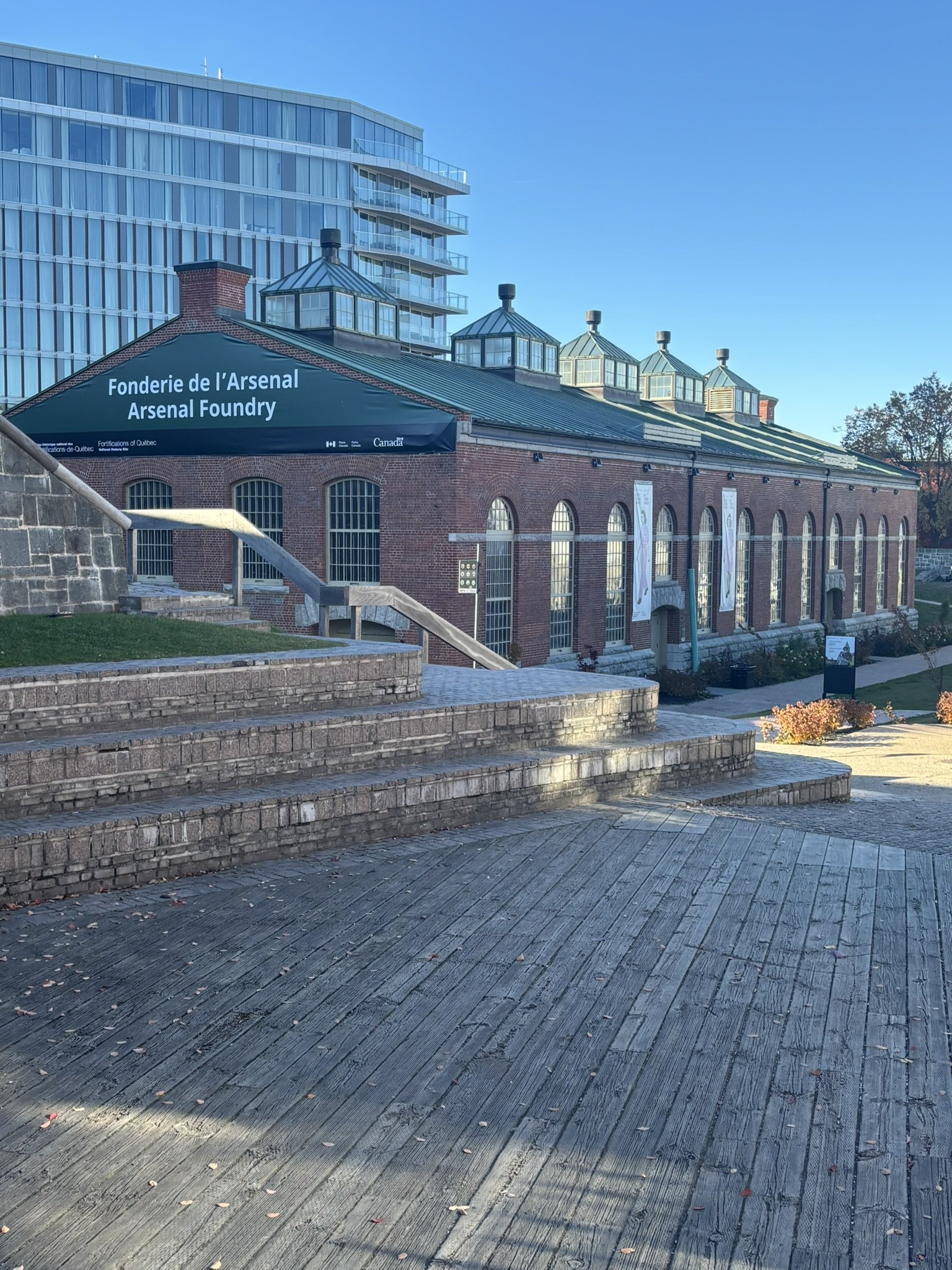
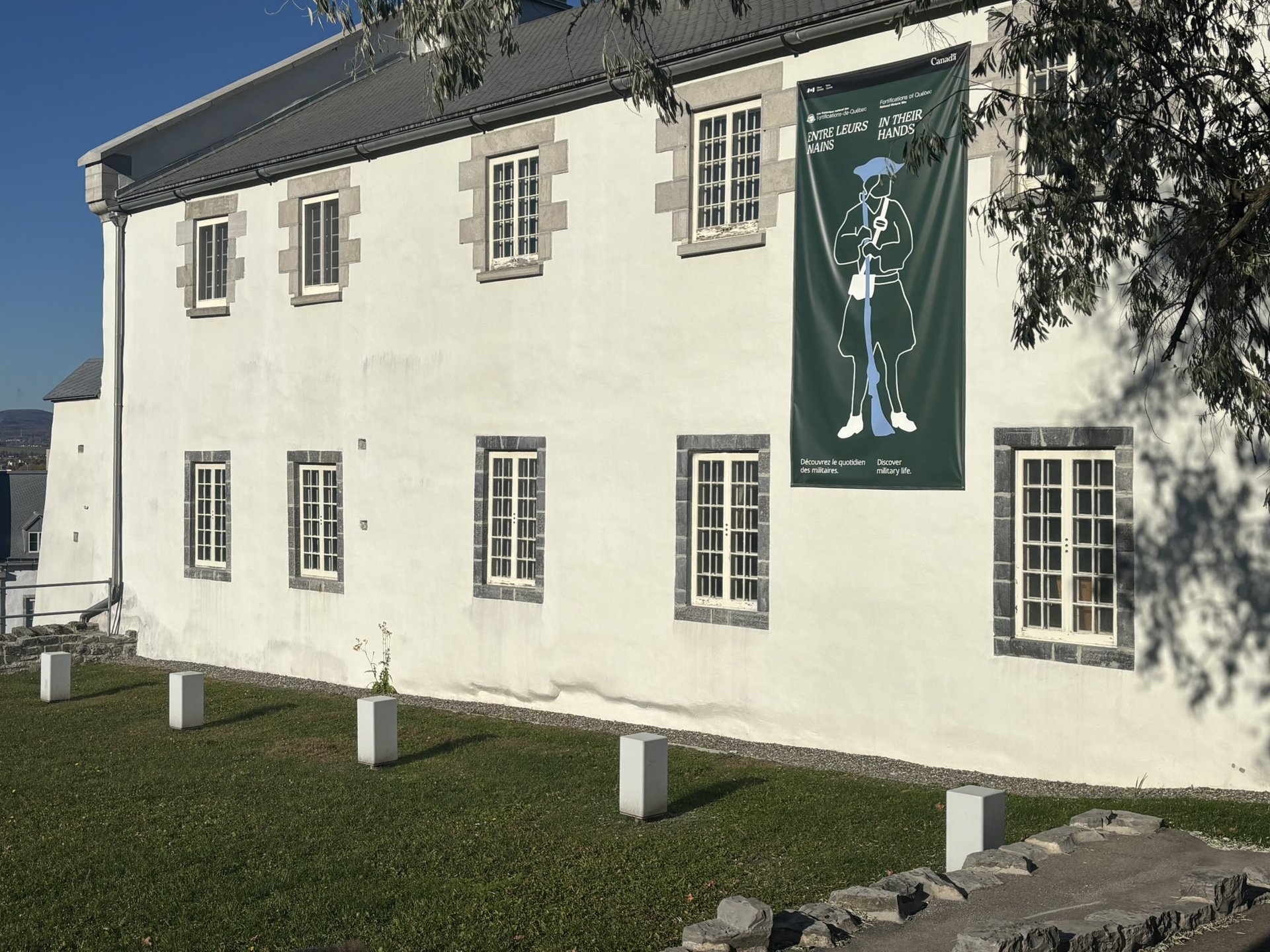
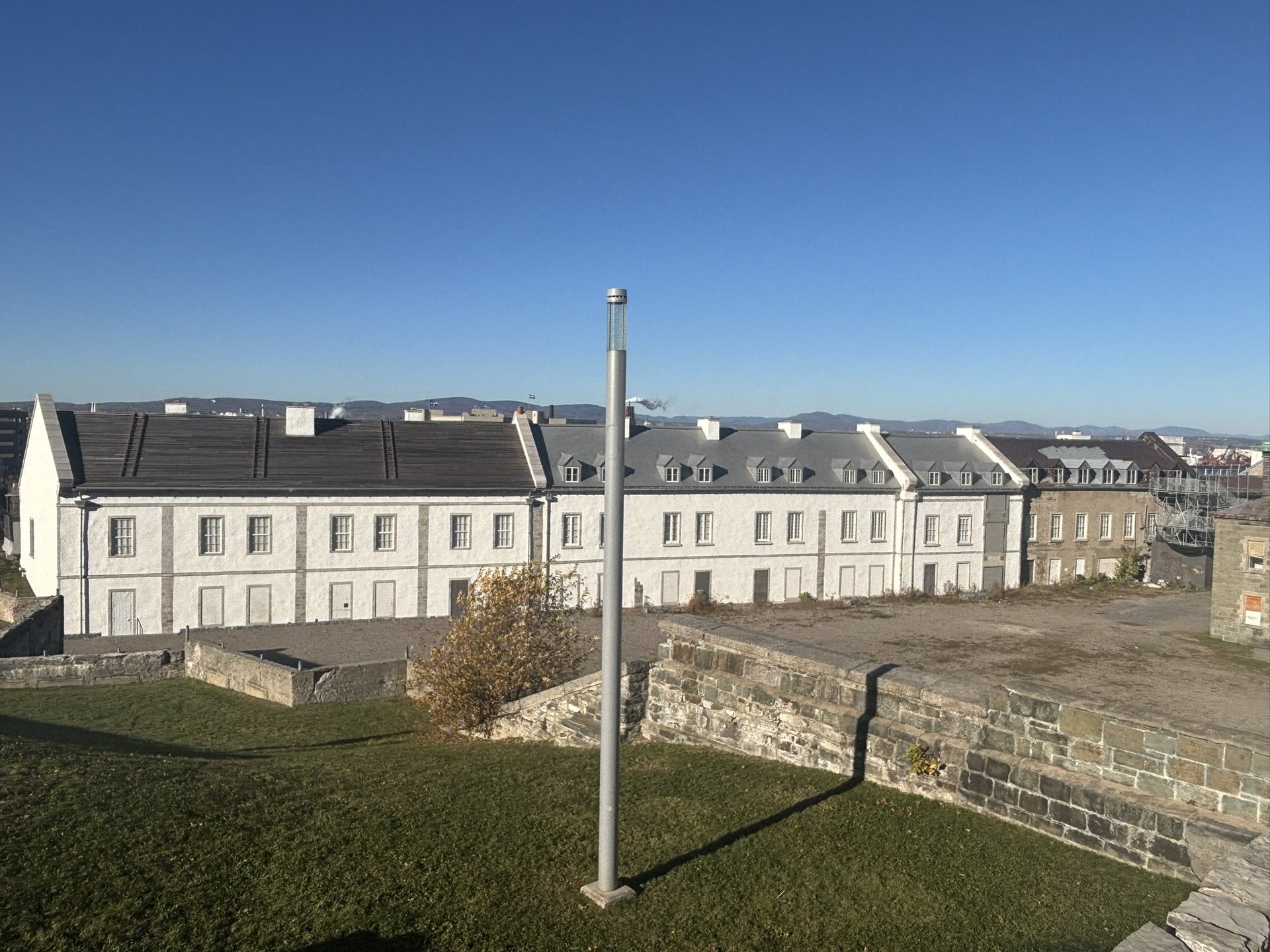
First stop, a few steps from the parking lot: Artillery Park, at 2, rue D'Auteuil. This national historic site tells the story of more than 250 years of French, British and then Canadian military presence, and the Dauphine Redoubt, begun in 1712, is its heart. The site was long home to the Les Dames de Soie doll ecomuseum. Its buildings open only in summer: in the fall, you make do with the outside.
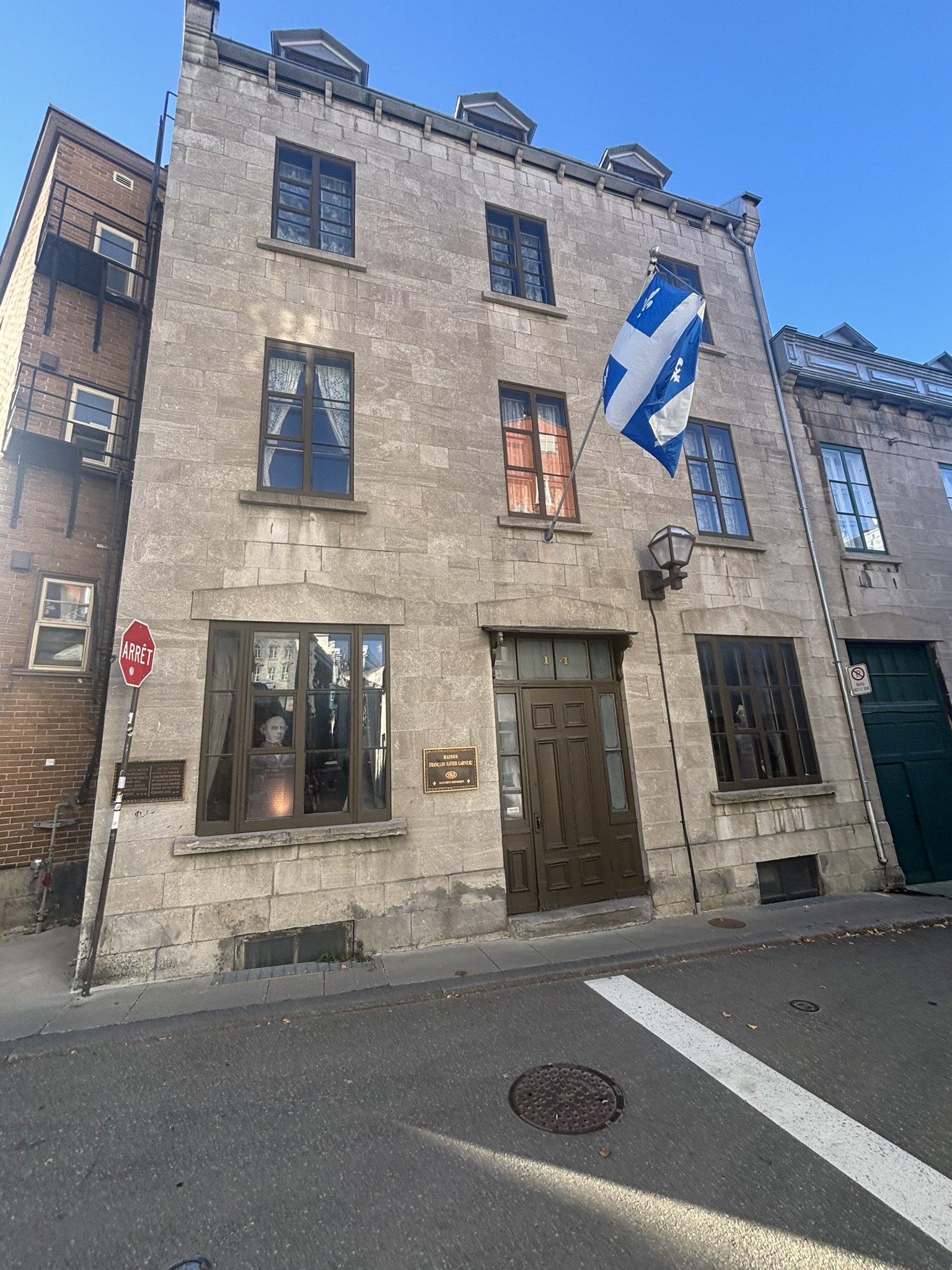
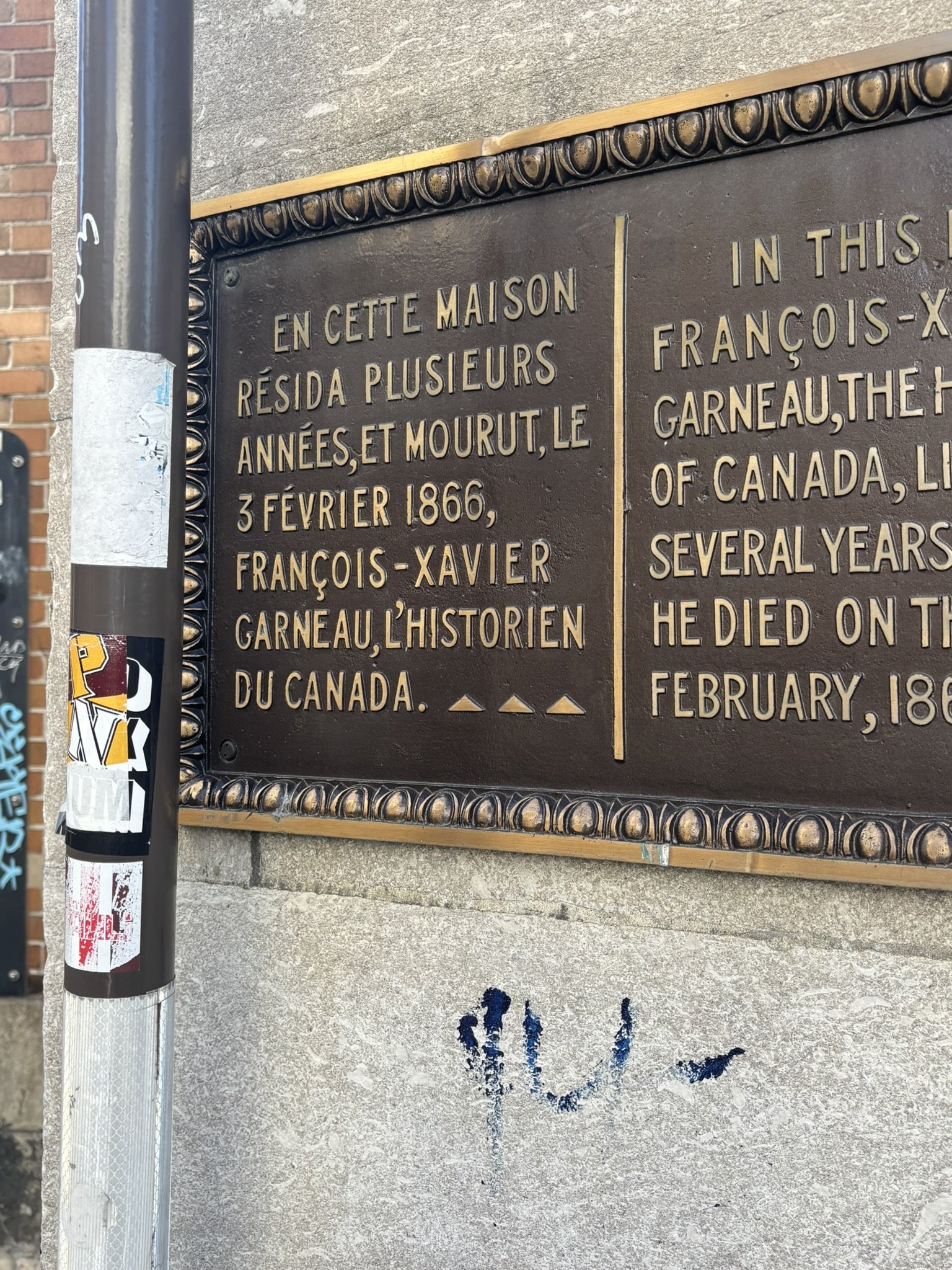
Next, on to the Latin Quarter, at 14, rue Saint-Flavien, in front of the François-Xavier-Garneau house. The first great French-Canadian historian, whose Histoire du Canada began appearing in 1845 as a reply to the Durham Report, spent his last two years there and died there during the night of February 2 to 3, 1866. With its straight-pitched roof and its firewall, it is a typical bourgeois house of the neighbourhood in the mid-19th century.
City Hall and its gardens
City Hall is closed on weekends, but its gardens and its façade are worth the stop. It stands on the site of the former Jesuit college (1635-1877), the first major building in New France. Inaugurated in 1896, it is the work of Georges-Émile Tanguay, a 36-year-old architect to whom Mayor Simon-Napoléon Parent entrusted the project after an eventful competition. Its eclectic style turns its back on the Second Empire and combines medieval references with North American modernism. In the gardens, look for the Jura clock; on the square, Cardinal Taschereau holds out his hand toward the basilica.
Holy Trinity Cathedral, our favourite
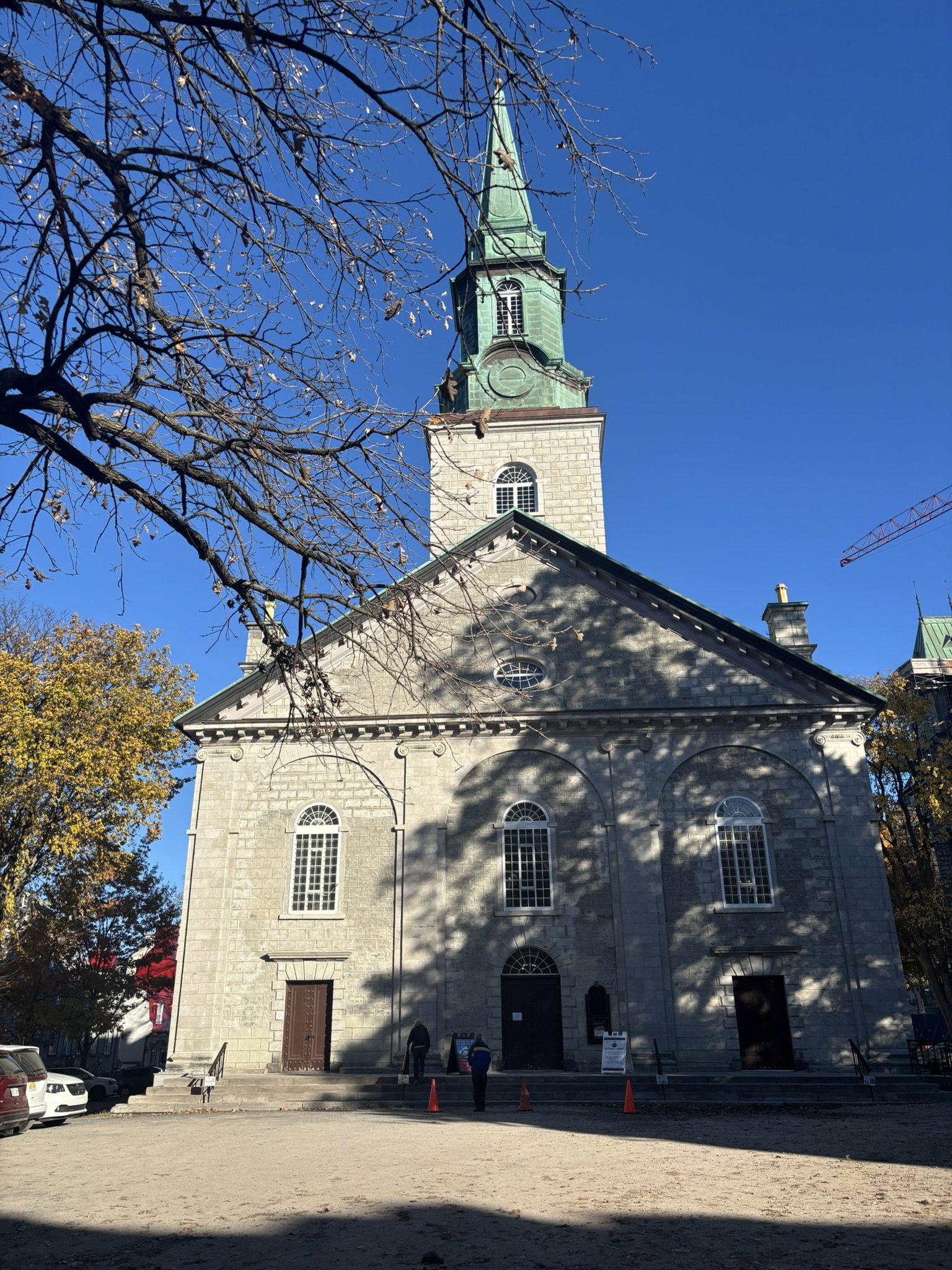
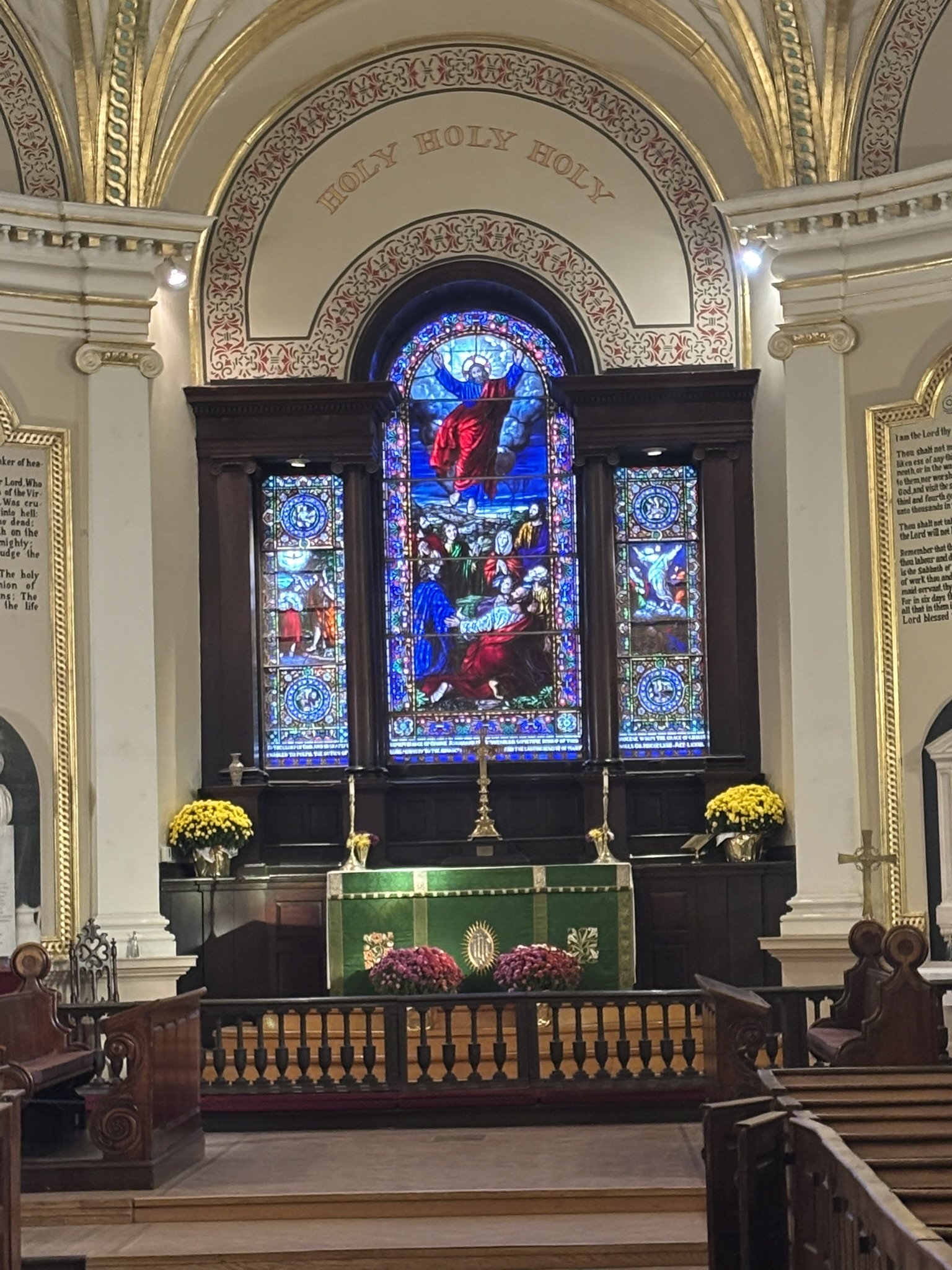
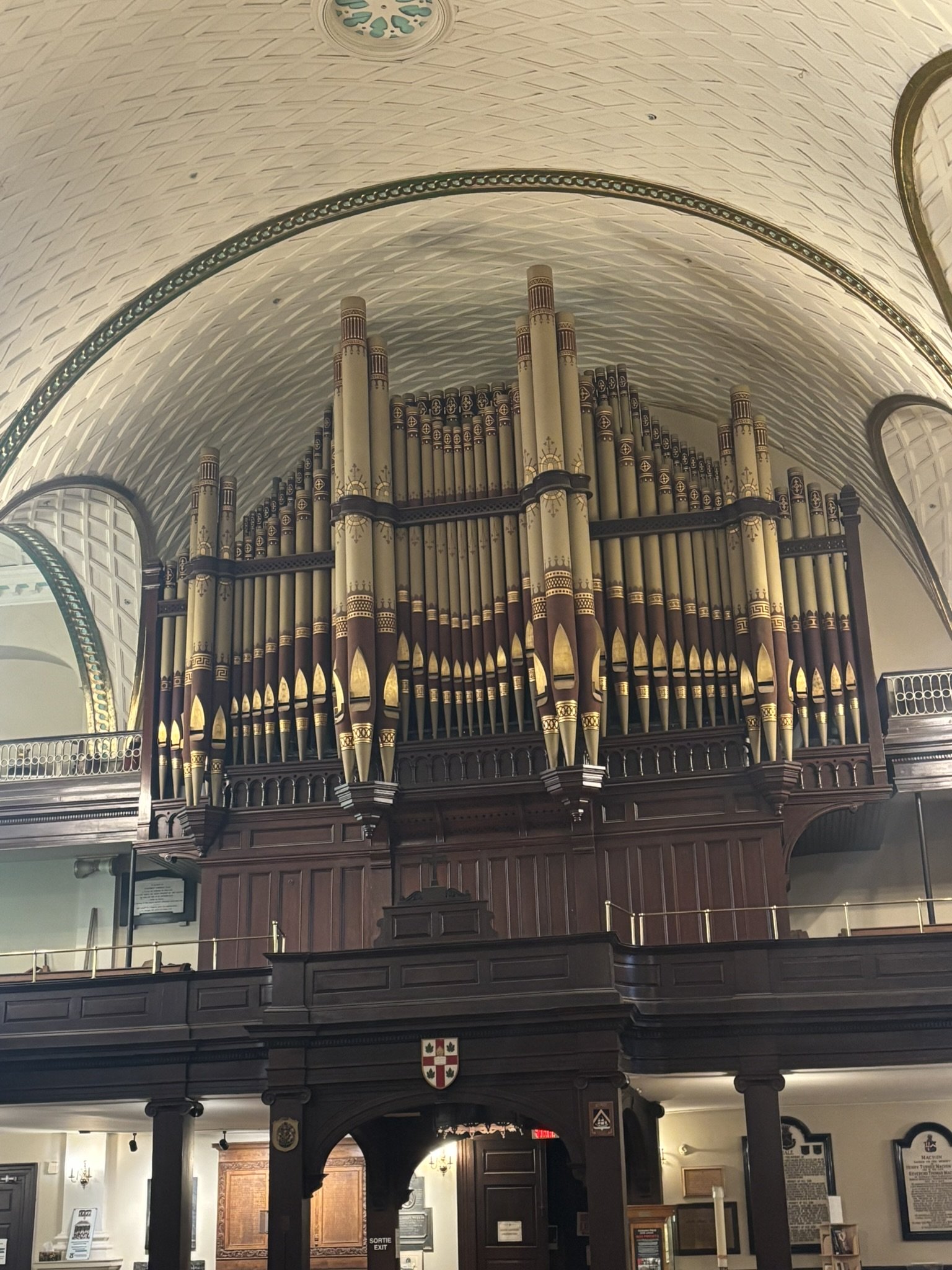
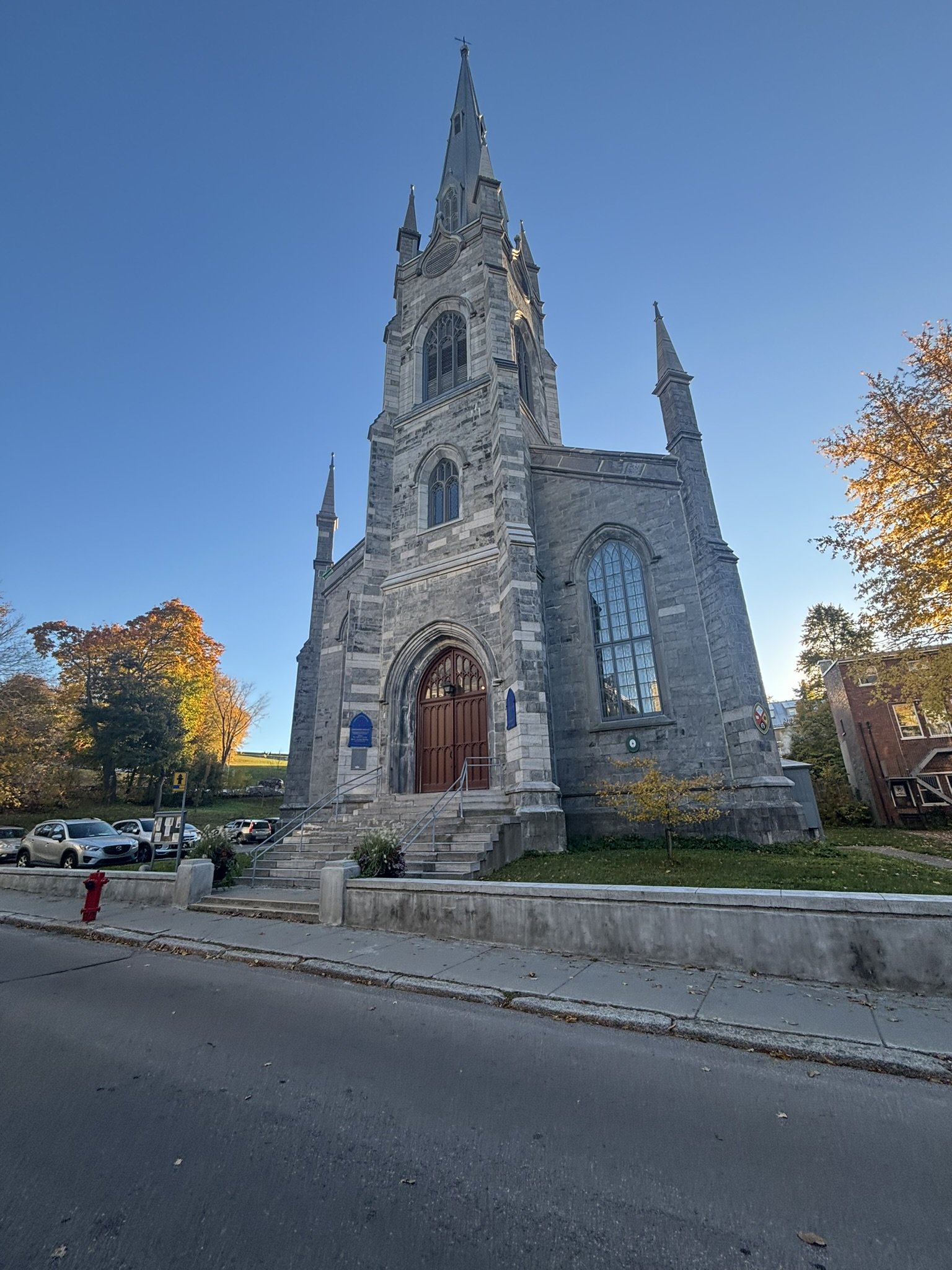
The first Anglican cathedral built outside the British Isles, Holy Trinity was built from 1800 to 1804 and consecrated on August 28, 1804. The British government paid for it to assert the presence of the Church of England in a city that was still overwhelmingly Catholic. Its plans are the work of two officers of the Royal Engineers, Major William Robe and Captain William Hall, who drew their inspiration from St Martin-in-the-Fields, in London.
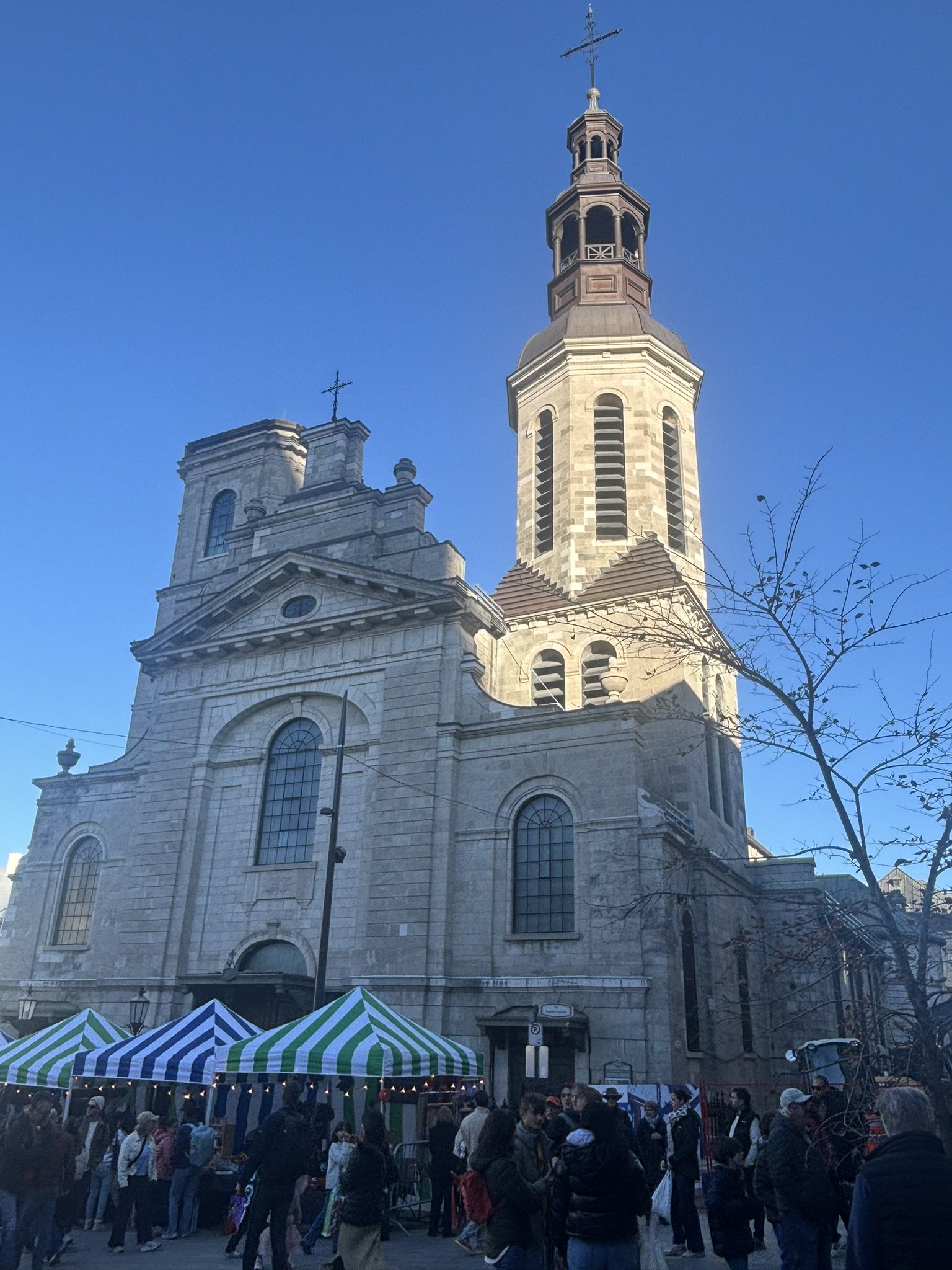
What strikes you is its great simplicity, the opposite of the splendour of the Catholic churches: a sober façade and a broad pediment carried by four columns. Its interior is described as the oldest preserved in the province, and King George III gave it an exceptional silver service. A detail that makes you smile: its steeple is one metre taller than that of the basilica, its Catholic neighbour.
Notre-Dame de Québec Basilica-Cathedral
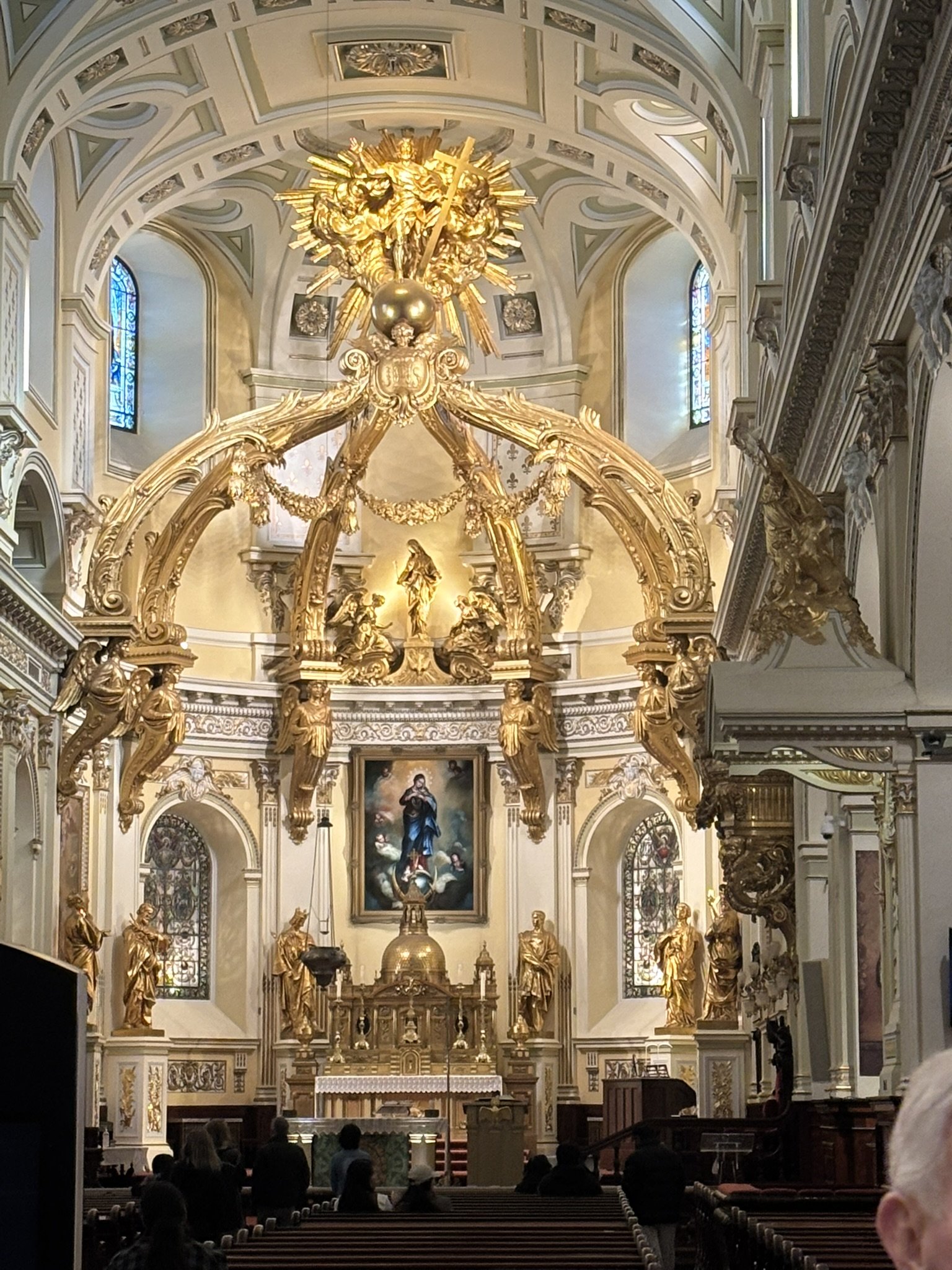
A few steps further on, a complete change of atmosphere. Since 1664, the basilica-cathedral has served the first Catholic parish in North America, on the site of the chapel built by Champlain in 1633. It became a cathedral in 1674, when François de Laval took charge of a diocese stretching all the way to the Mississippi. It was destroyed by the bombardments of 1759, then by the fire of December 22, 1922, and rebuilt each time.
Inside, you stop before the funeral chapel of Saint François de Laval and before the Holy Door, inaugurated in 2013 for the parish's 350th anniversary: it is the only Holy Door outside Europe. The museum and the crypt, where governors of New France and bishops are buried, were announced as closed in October.
The statue with the cannonball, Place d'Armes
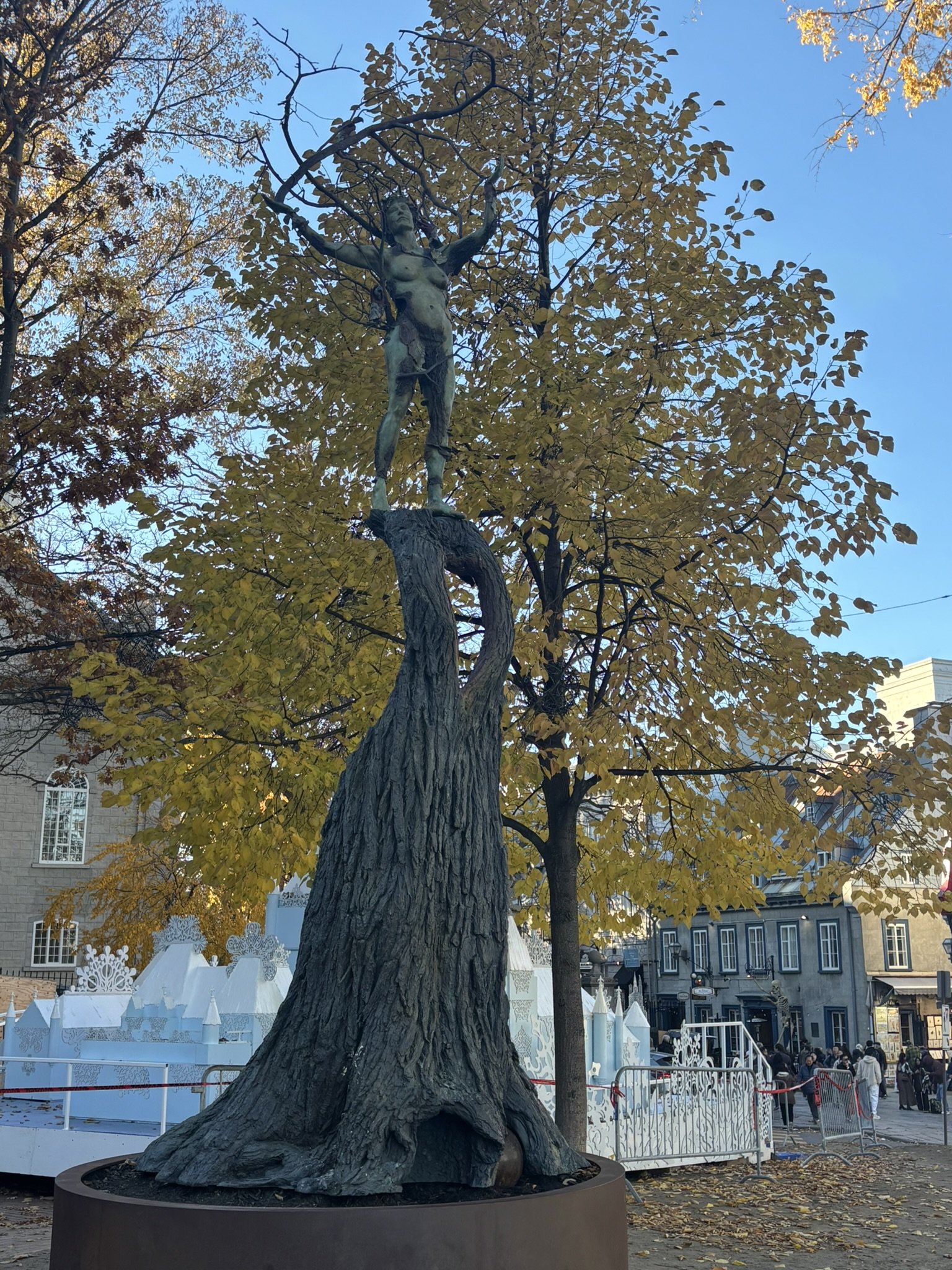
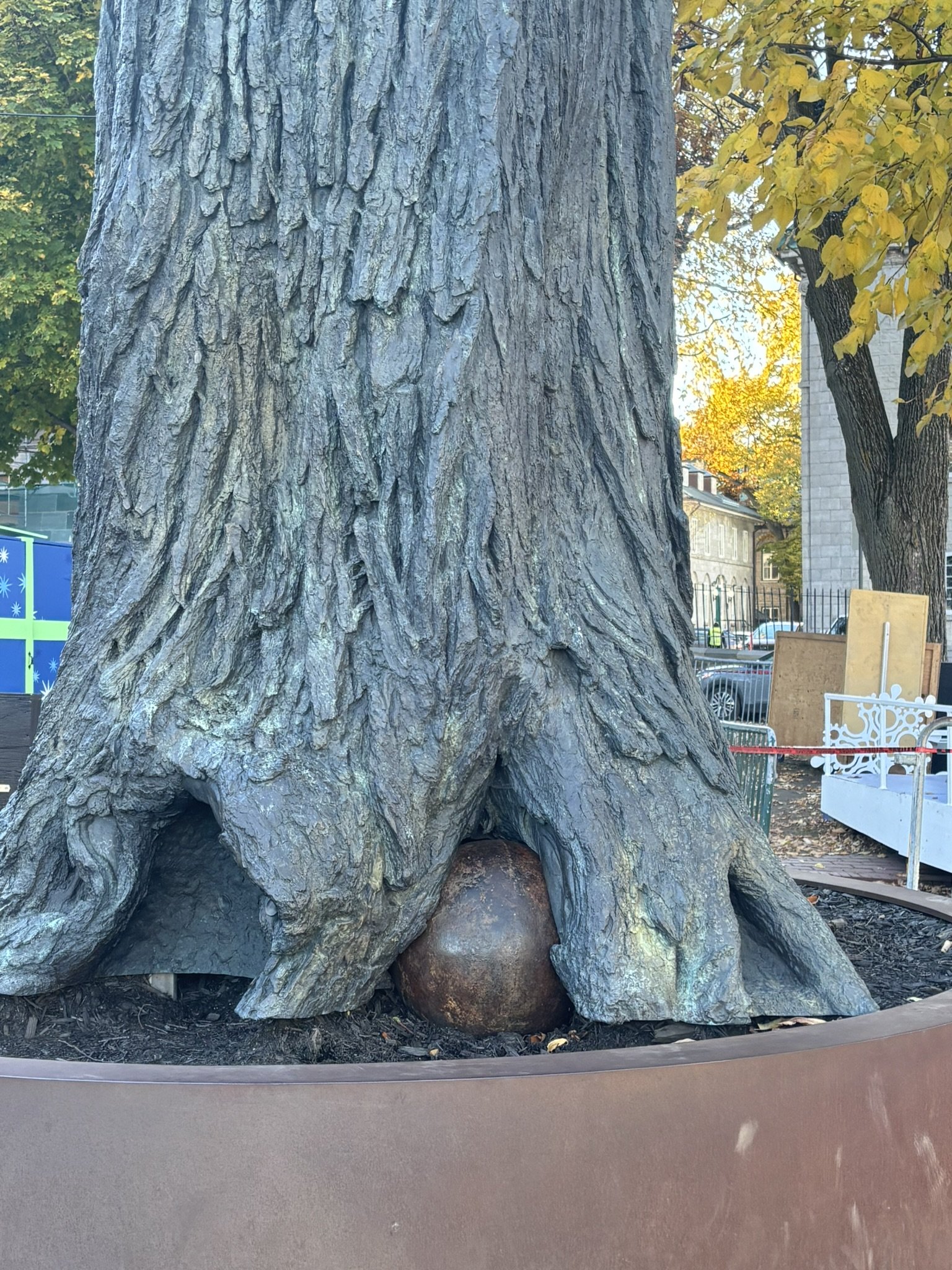
Another favourite of the day: the work Porter les songes à la limite du ciel, installed temporarily on Place d'Armes. A tree trunk topped by a woman, it incorporates the real cannonball from the elm on rue Saint-Louis. It is the last public artwork by Paryse Martin, a longtime lecturer at the École d'art of Université Laval, who died during the project; Old Quebec residents took part in its design in workshops. Unveiled in November 2024, it will move, once the work in the area is done, to the very spot where the elm stood, at the corner of rue Saint-Louis and rue du Corps-de-Garde.
The story of the cannonball is worth the detour on its own: a projectile from 1759, probably an incendiary bomb, served as a wheel guard in the early 20th century, and the elm gradually engulfed it as it grew. The tree has since been cut down, but the cannonball has found a new life.
Rue Saint-Louis, house by house
At number 17, the Maillou house was built around 1737 by Jean-Baptiste Maillou dit Desmoulins, one of the most prosperous builder-masons of his time. Associated with the British army from 1815 on, it now houses the Quebec City Chamber of Commerce; note its iron shutters. Its neighbour, the Kent house, at number 25, bears a surprising plaque: Governor d'Ailleboust is said to have lived there in 1648, de Ramezay is said to have signed the capitulation of Quebec there in 1759, and the Duke of Kent, father of Queen Victoria, lived there from 1792 to 1794. The present building, however, is more recent than these memories.
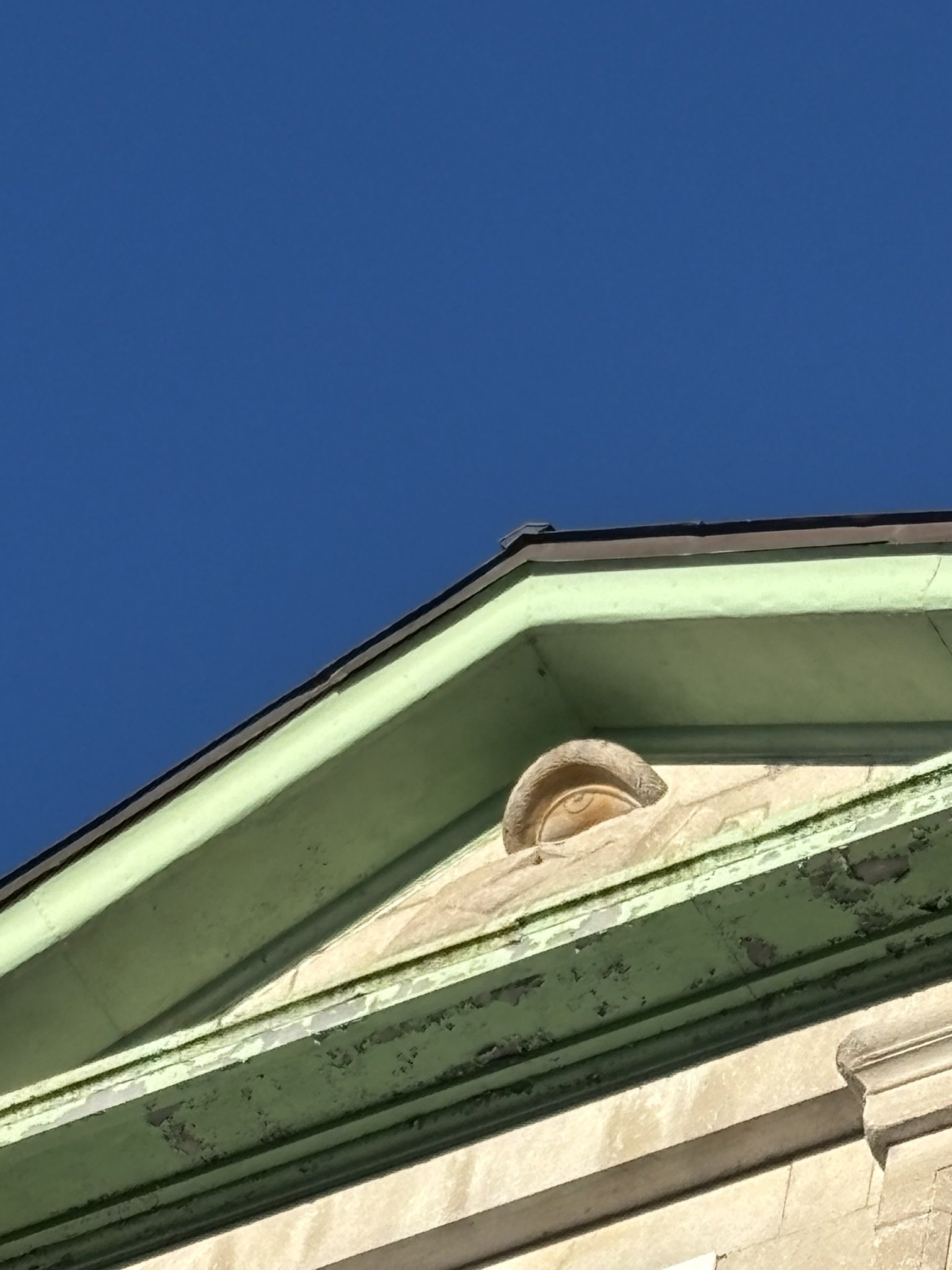
Across the street, at number 34, the red roof of the Jacquet house catches the eye. It is one of the oldest houses in Quebec: the Ursulines ceded the land in 1674 to the master roofer François Jacquet dit Langevin, who built a wooden house there the following year, rebuilt in stone around 1690. Philippe Aubert de Gaspé lived there from 1816 to 1822, and the restaurant that has occupied it since 1966, Aux Anciens Canadiens, takes its name from his famous novel. A little game of spotting: look for an eye in a triangle on the façade opposite.
Rue Donnacona and Marie de l'Incarnation
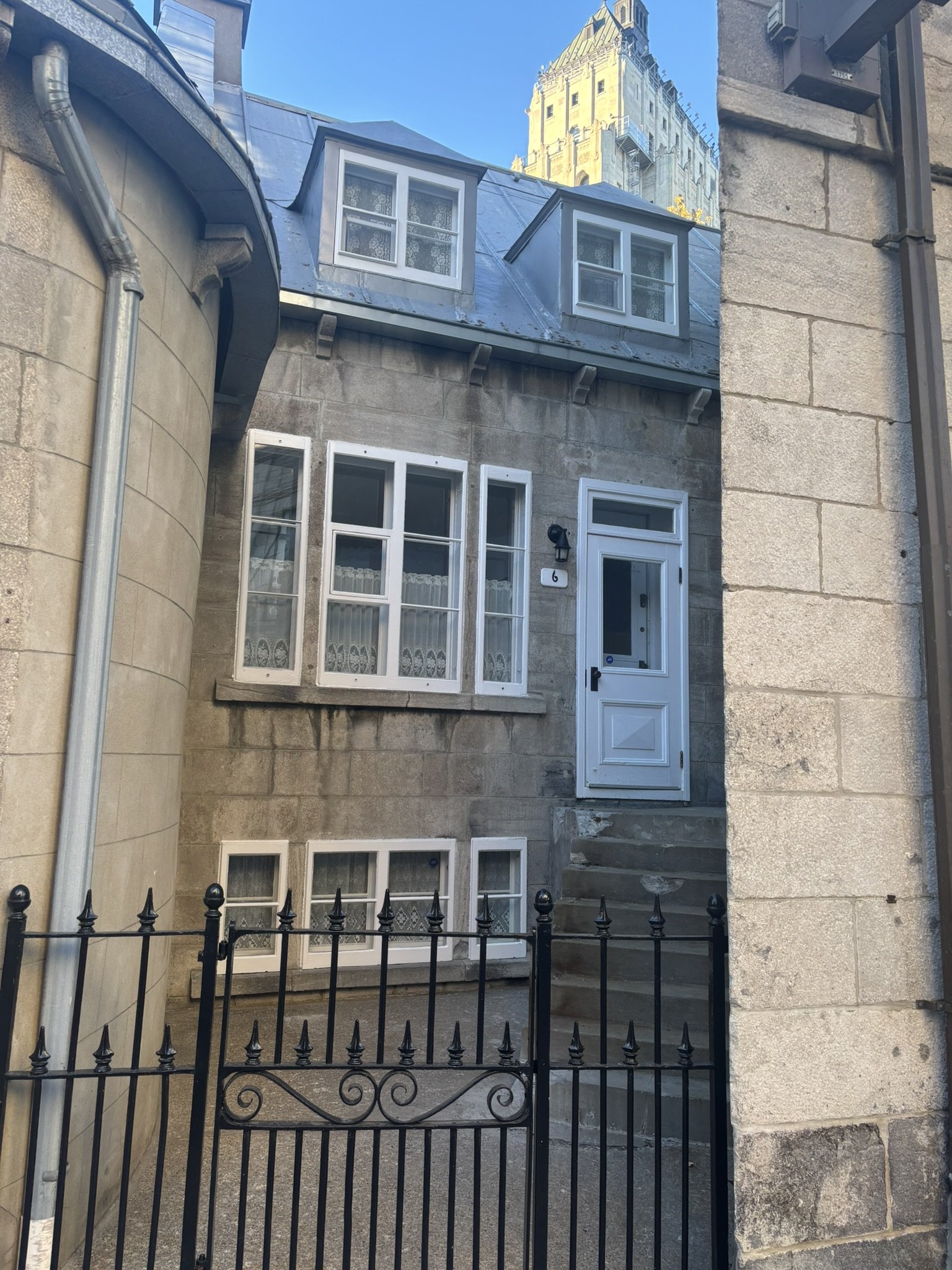
At 6, rue Donnacona, don't miss the narrowest façade in North America: about 3.7 metres wide. The street runs along the Ursuline monastery, and that is where one of the best moments of the afternoon took place: at the Centre Marie-de-l'Incarnation, on rue du Parloir, the youngest of us got to make a gold-leaf painting.
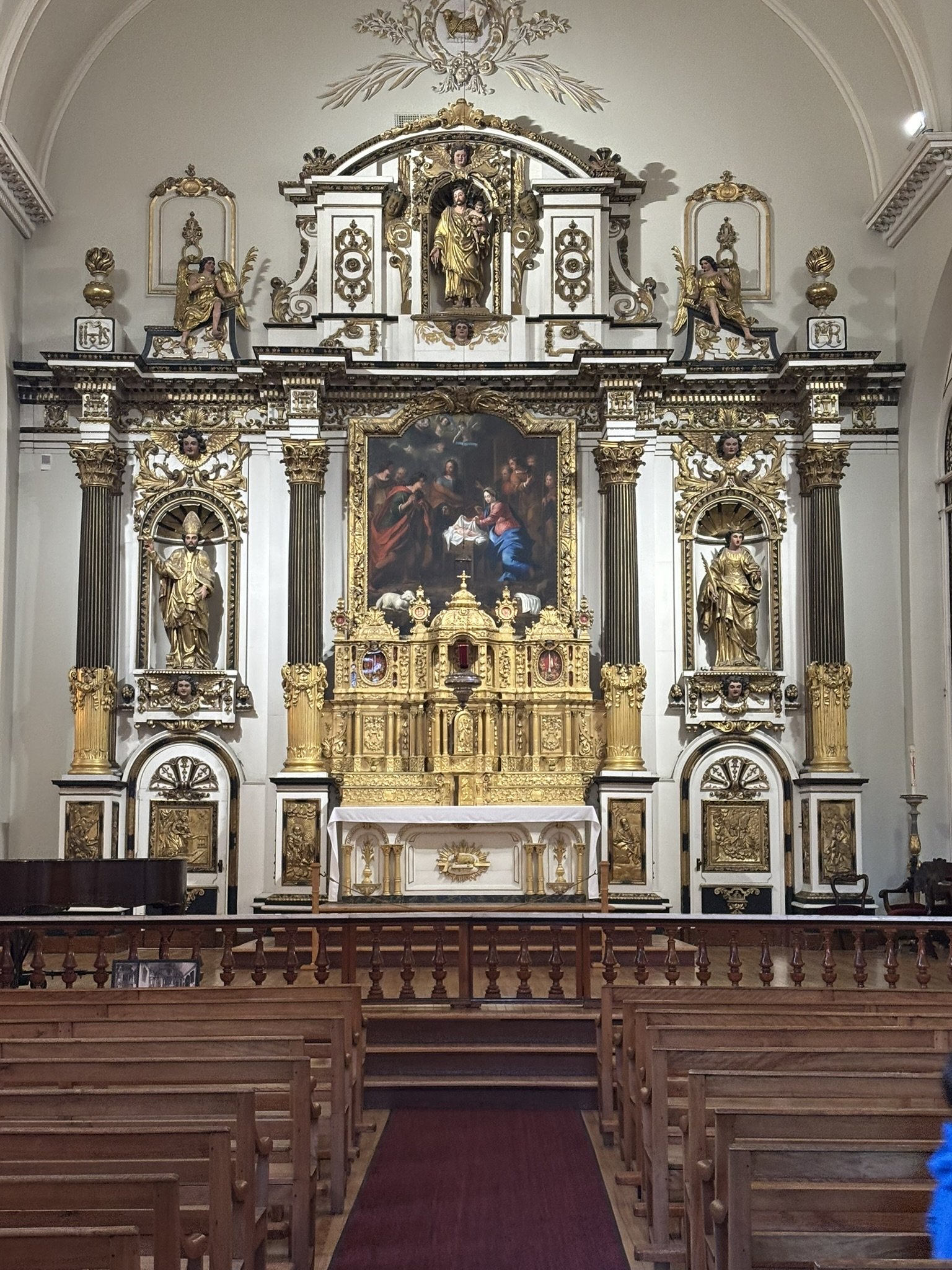
Marie Guyart, who became Marie de l'Incarnation, arrived in Quebec on August 1, 1639 with two other Ursulines and Madame de La Peltrie, to found a monastery and a school for young French and Indigenous girls. She also introduced embroidery to the colony, a tradition that made the reputation of the Ursulines' workshop. Canonized in 2014, at the same time as François de Laval, she rests in the oratory adjoining the Ursulines' chapel, whose 18th-century carved-wood decor is among the finest in Quebec. Set up in a wing of the monastery, the centre presents her life and work and offers activities for children.
At the corner of Corps-de-Garde, in Montcalm's footsteps
Back on rue Saint-Louis, the corner of rue du Corps-de-Garde hides a story worthy of a novel. This is where the rich residence of Michel-Jean-Hugues Péan stood, town major of Quebec and close to Intendant Bigot, whose wife, Angélique des Méloizes, was both Bigot's mistress and the centre of Quebec's high society. According to the historian Philippe Baby Casgrain, Péan ceded it in 1758 to the surgeon André Arnoux, in whose house Montcalm is said to have died on September 14, 1759. Around the turn of the 20th century, Quebec in fact counted as many as five so-called "Montcalm houses", including the Jacquet house!
Right next door, the group at 57-63, rue Saint-Louis brings together three stone houses built between 1705 and 1811, recognized as a national historic site.
Rue Sainte-Ursule, two neighbouring churches
The Sanctuaire Notre-Dame du Sacré-Cœur, at number 71, is a Catholic chapel built in 1910 to plans by François-Xavier Berlinguet. It is a replica of the chapel of Notre-Dame-du-Sacré-Cœur in Issoudun, France, the cradle of the Missionaries of the Sacred Heart, who have served it since it opened. It is known for its neo-Gothic stained-glass windows and for the marble ex-voto plaques covering its walls.
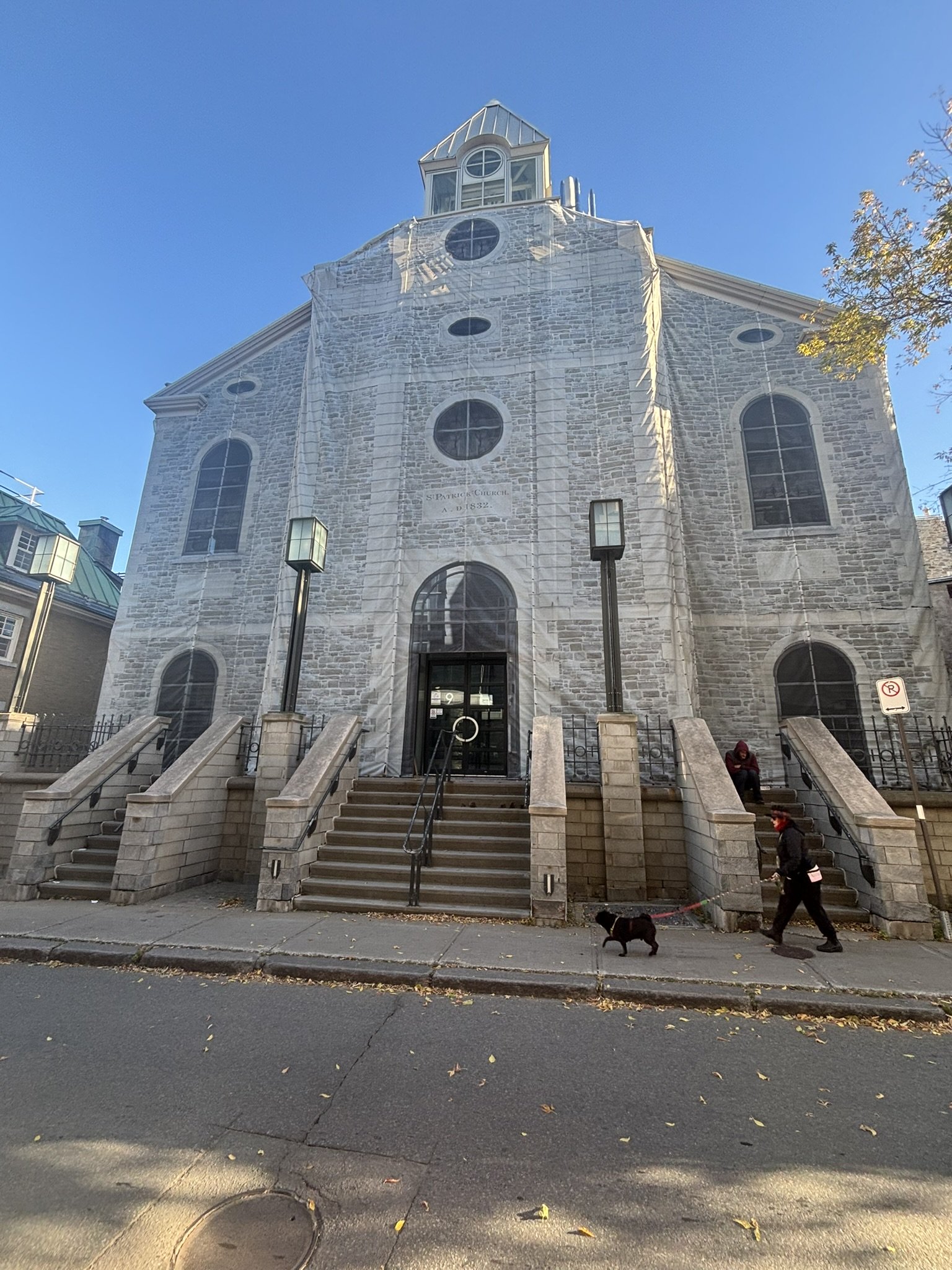
Almost directly across, at number 78, Chalmers-Wesley United Church was built in 1852-1853 by the architect John Wells for a congregation of the Free Church of Scotland; it bears the name of Thomas Chalmers, leader of that movement. Its double name comes from the 1931 merger with the Methodists of Wesley Church, now the Maison de la littérature. We made do with the outside this time.
From the national anthem to the Saint-Louis Gate
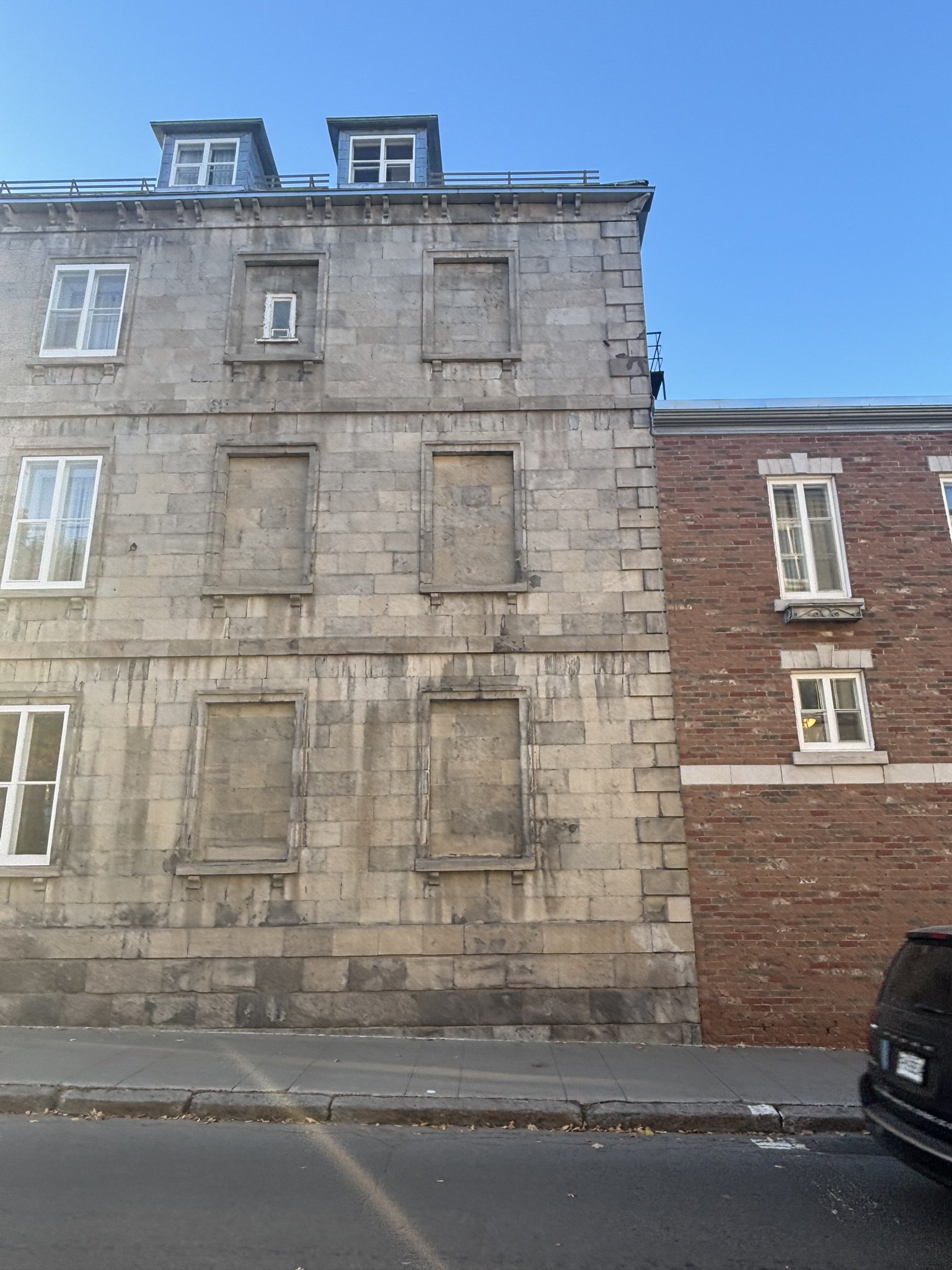
At 83, rue Saint-Louis, an "Ici vécut" (Here lived) plaque recalls that Adolphe-Basile Routhier, judge and writer, author of the French lyrics of O Canada, lived here. Across the street, at number 86, the Cureux house is presented by its plaque as the oldest dwelling on the street after the Jacquet house. A little further on, at the corner of rue D'Auteuil, have fun spotting the house with six bricked-up windows, then walk under the Saint-Louis Gate: the current arch dates from 1878, but a first gate stood here as early as the end of the 17th century. A staircase lets you climb up onto the fortifications. From there, back to the D'Youville parking lot.
Good to know
Parking: SPAQ D'Youville, at 965, rue D'Youville, open 24 hours a day, next to the Saint-Jean Gate. It saves you from driving through the narrow streets of Old Quebec.
Holy Trinity: hours are reduced in the off-season. In October 2026, after the 18th, the cathedral was open only Friday to Sunday, from 10 a.m. to 4 p.m., with a suggested contribution of $3. Check before you go.
Notre-Dame de Québec Basilica-Cathedral: open Saturday from 7:30 a.m. to 5:30 p.m. and Sunday from 8 a.m. to 5 p.m.
Centre Marie-de-l'Incarnation: 6, rue du Parloir. Open Saturday and Sunday from 10 a.m. to 5 p.m., and Tuesday to Friday from 3 p.m. to 5 p.m.; closed on Monday. Check the schedule before you go.
City Hall is closed on weekends, and the Artillery Park buildings open only in summer.
To extend the loop: St. Matthew's Cemetery, at 755, rue Saint-Jean, a few minutes from the parking lot, is open from May 1 to November 15. It is said to hold the oldest gravestone in Quebec, that of Alexander Cameron, a Scottish soldier who died in 1759.