Montmagny
Camping Pointe-aux-Oies
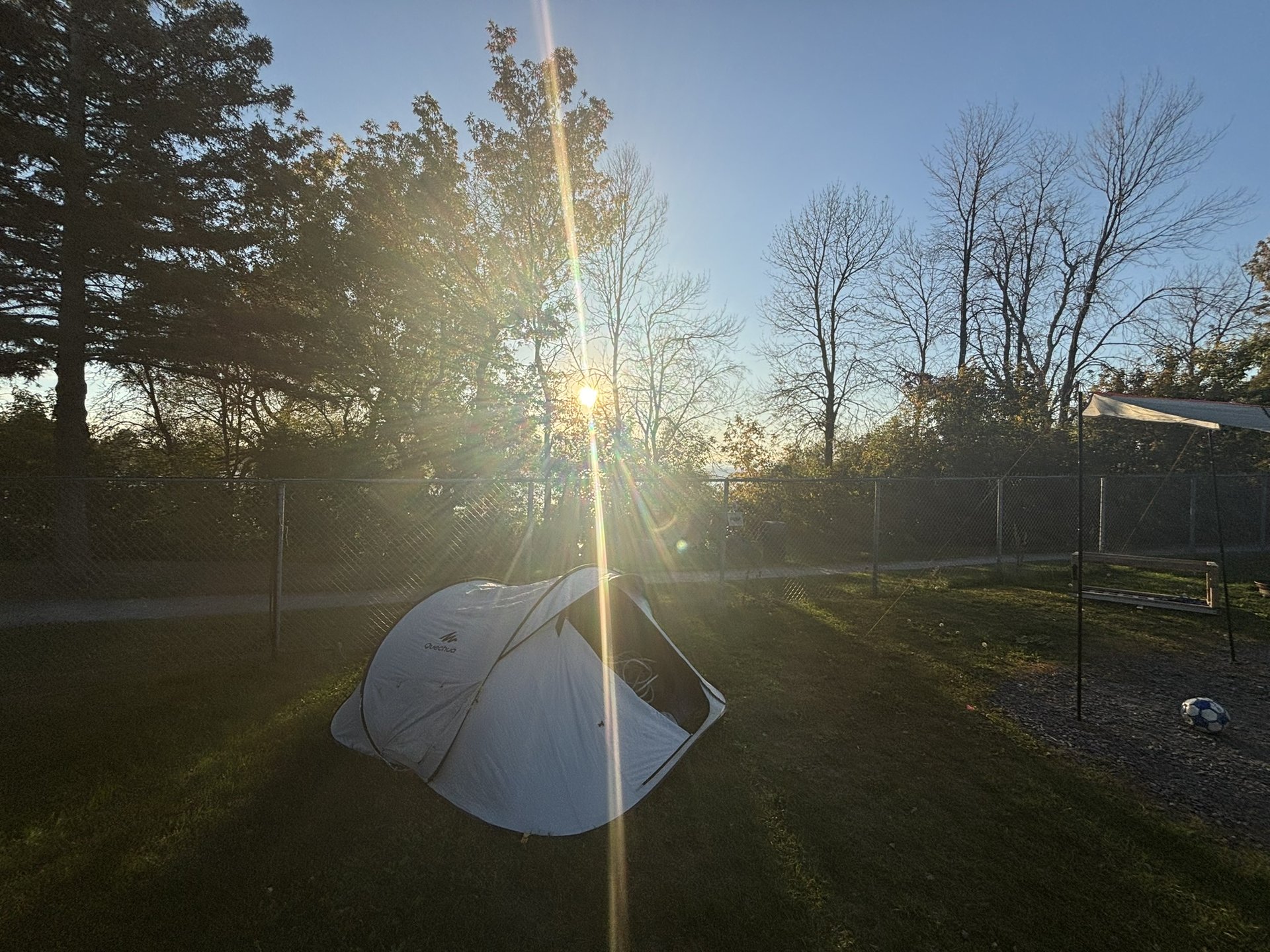
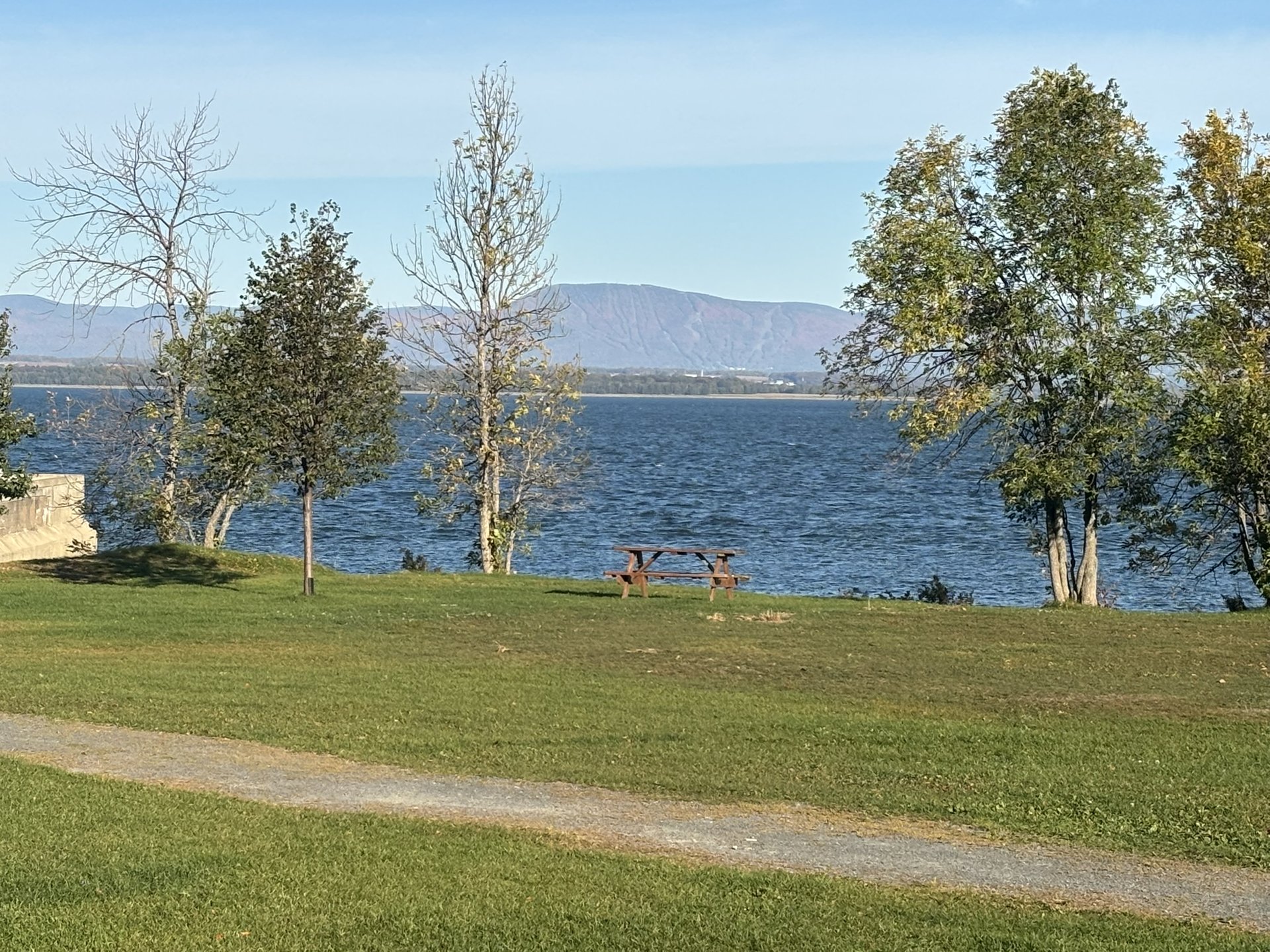
Our base for both nights, and a campground that fully lives up to its reputation. At 45, avenue du Bassin Nord, Camping Pointe-aux-Oies is rated five stars by Camping Québec and has more than 300 sites, right on the shore of the St. Lawrence River.
The facilities are complete: a water park with slides and splash features, a heated pool, mini-golf, a snack bar, and a natural beach a few steps away. For those travelling without gear, there are three yurts and — a rare find in Quebec — two Goutte d'Ô units, a chrysalis-shaped ready-to-camp cabin where six square metres are enough to sleep two adults, or a family of four with a bed below and a hammock mezzanine above.
A practical detail mentioned by several campers: bring $2 coins for the showers. And if you are travelling in a large vehicle, be aware that some bends on the grounds are tight, even though several sites are designed for big rigs.
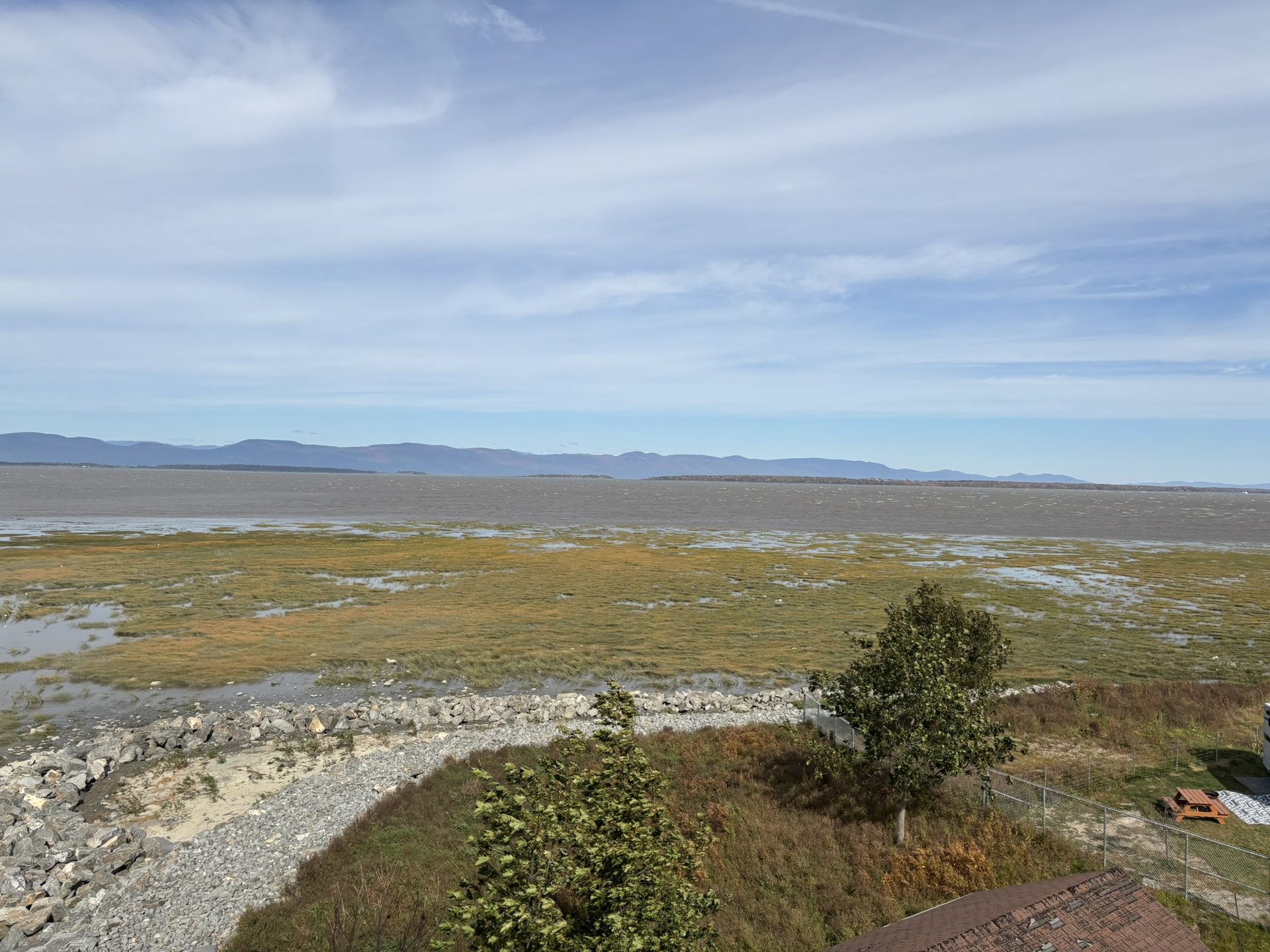
But the real selling point is the location. The river is right there, and the sunsets over the water are worth the trip on their own.
The Pointe-aux-Oies trail and its observation tower
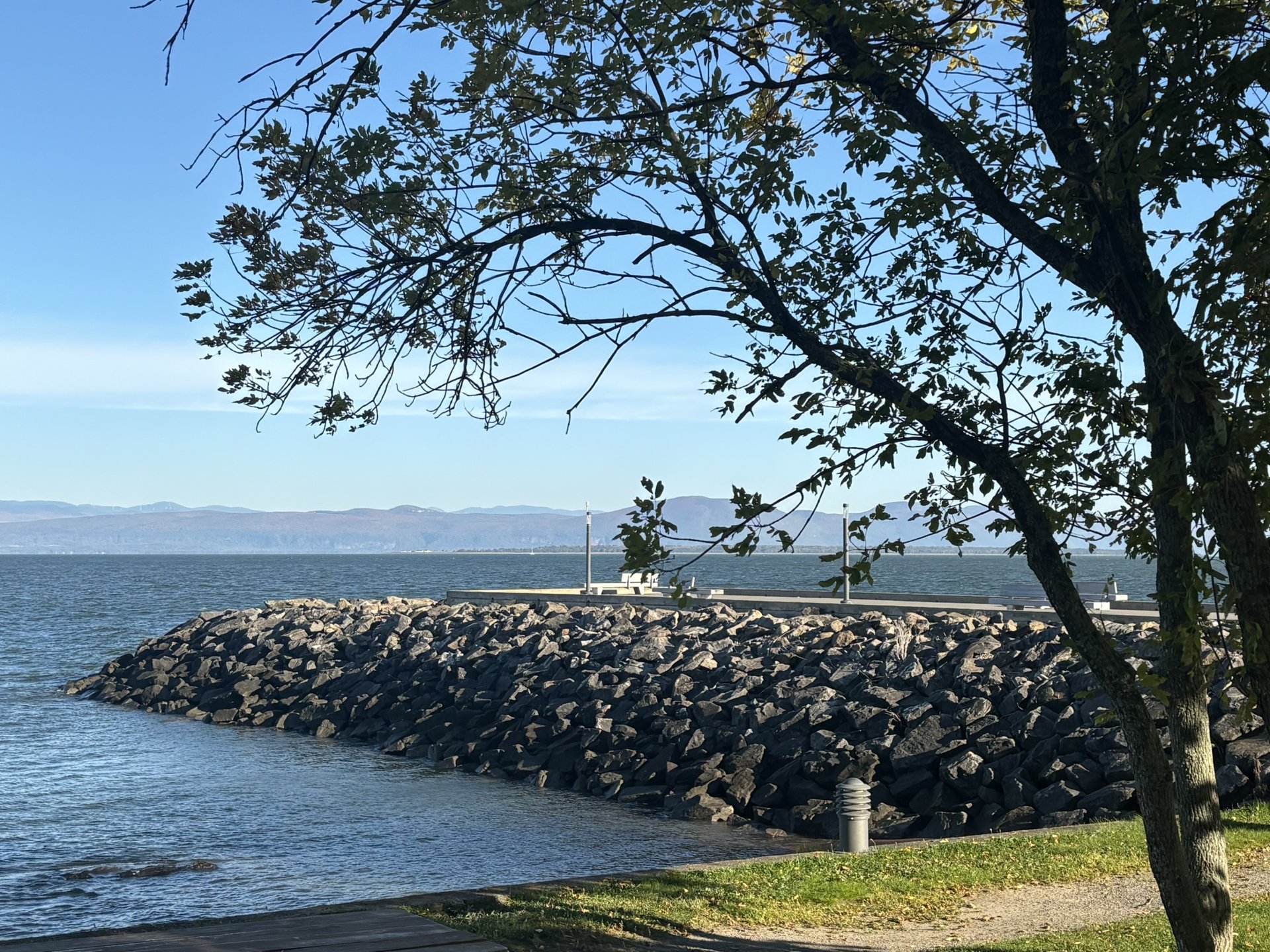
Right next to the campground lies one of the finest observation sites in the region. A trail of about 2 km, lined with wooden boardwalks, runs along the river and links two terraces to a 30-foot observation tower built at the tip of the point.
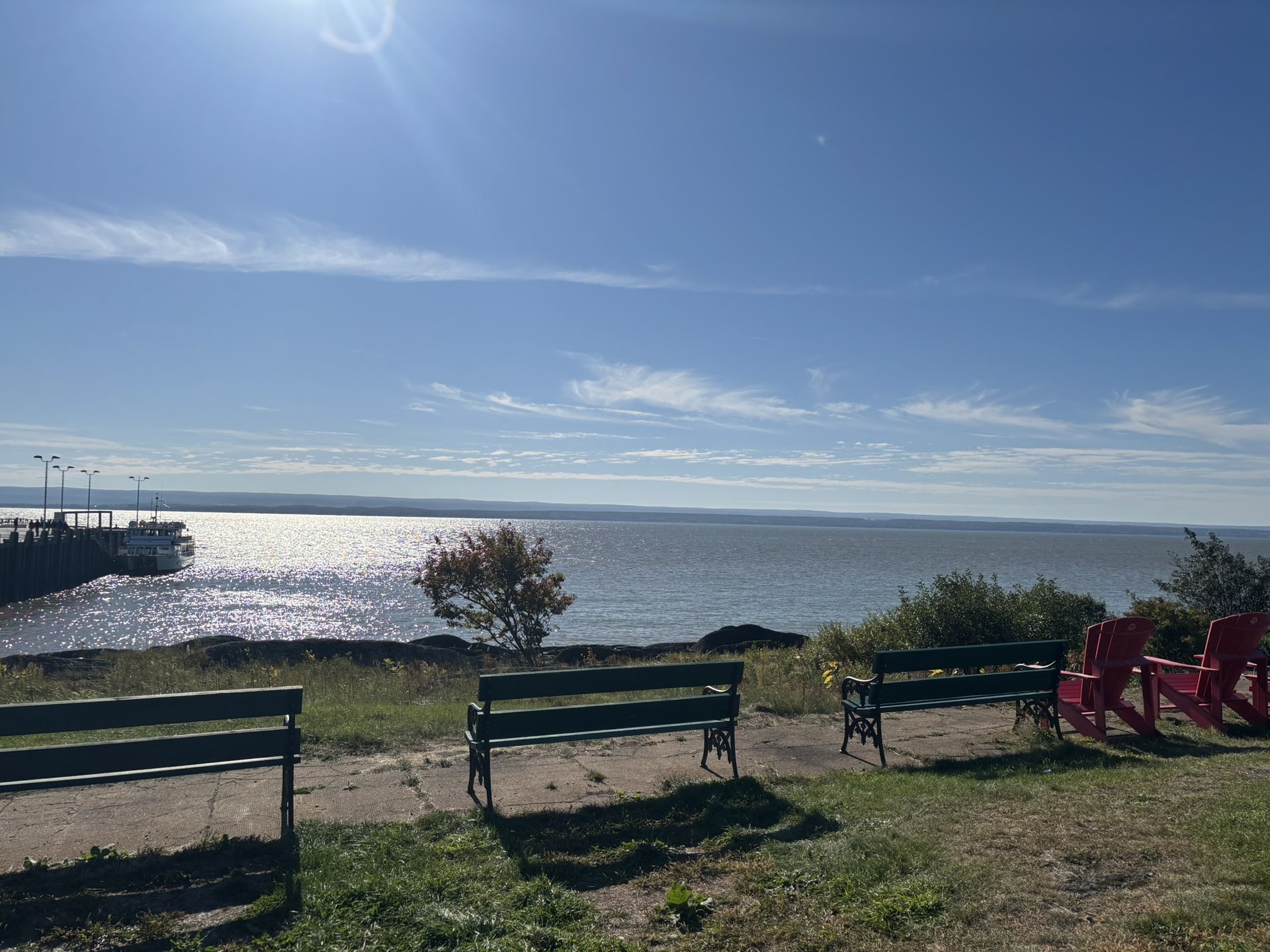
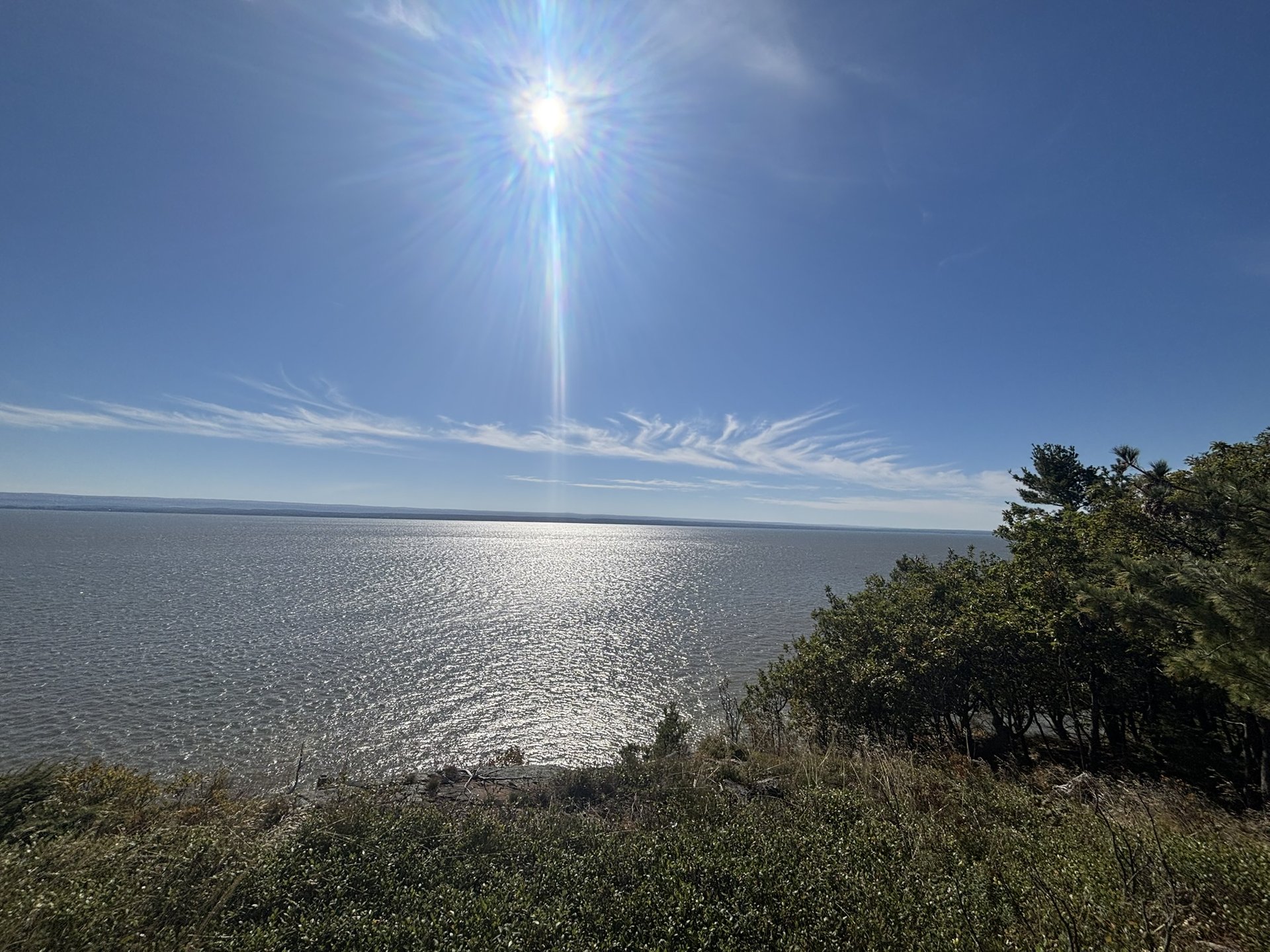
And up there, the panorama takes your breath away. The river opens out as far as the eye can see, and the Isle-aux-Grues archipelago spreads out before you — twenty-one islands set in the middle of the St. Lawrence, including the Grosse-Île we were going to visit the next day. Late in the day, with the low September light on the water, it is simply magnificent.
The site was not developed by chance. Montmagny is a major migratory stopover for the Greater Snow Goose, in spring and fall alike, and the tower is a prime spot for birdwatching and photography. In the fall, the sight of tens of thousands of snow geese takes on an added dimension as the colours set in. Access is free: just follow the wooden boardwalks from the campground.
Grosse-Île
The cruise and the guided tour
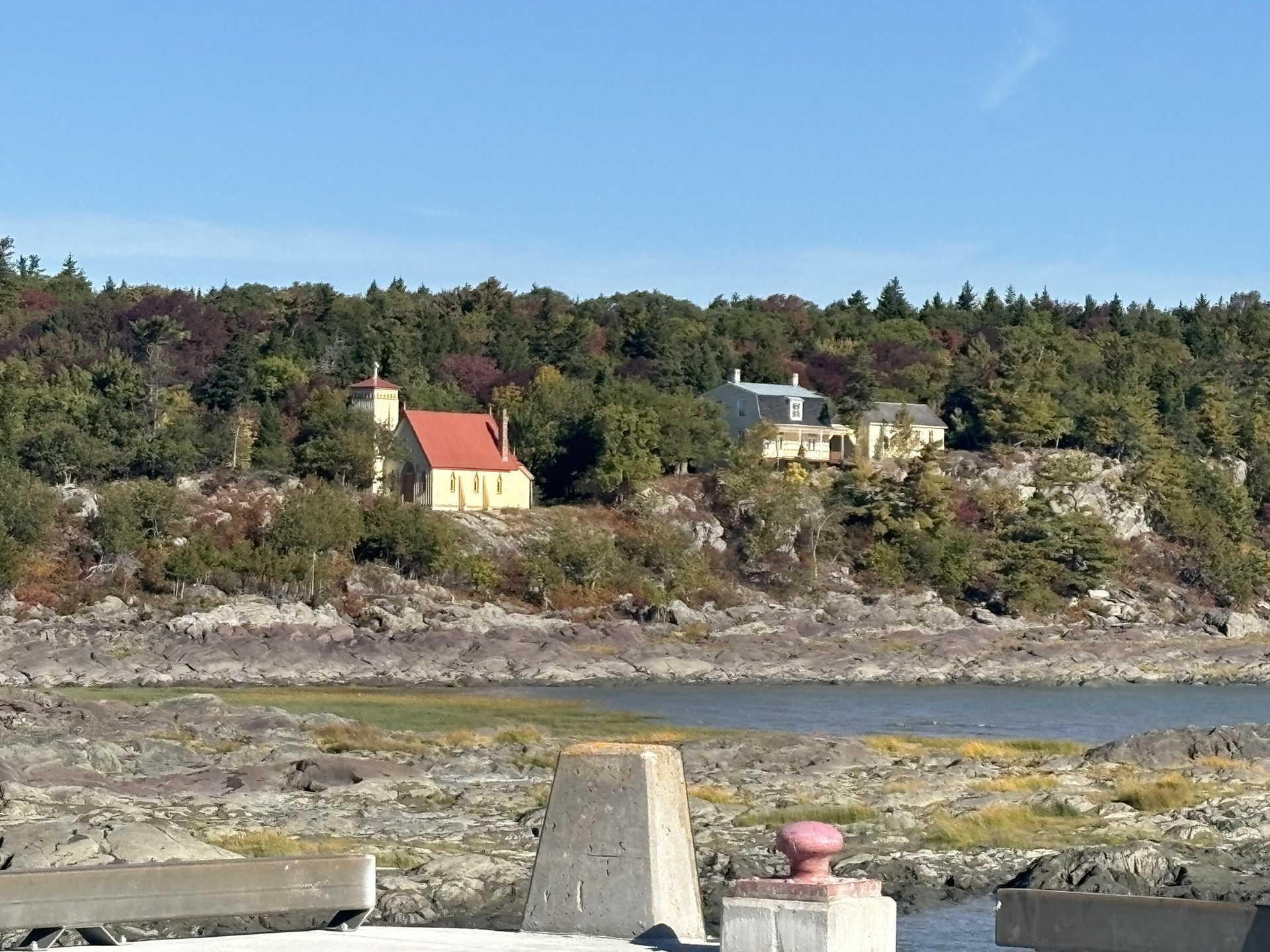
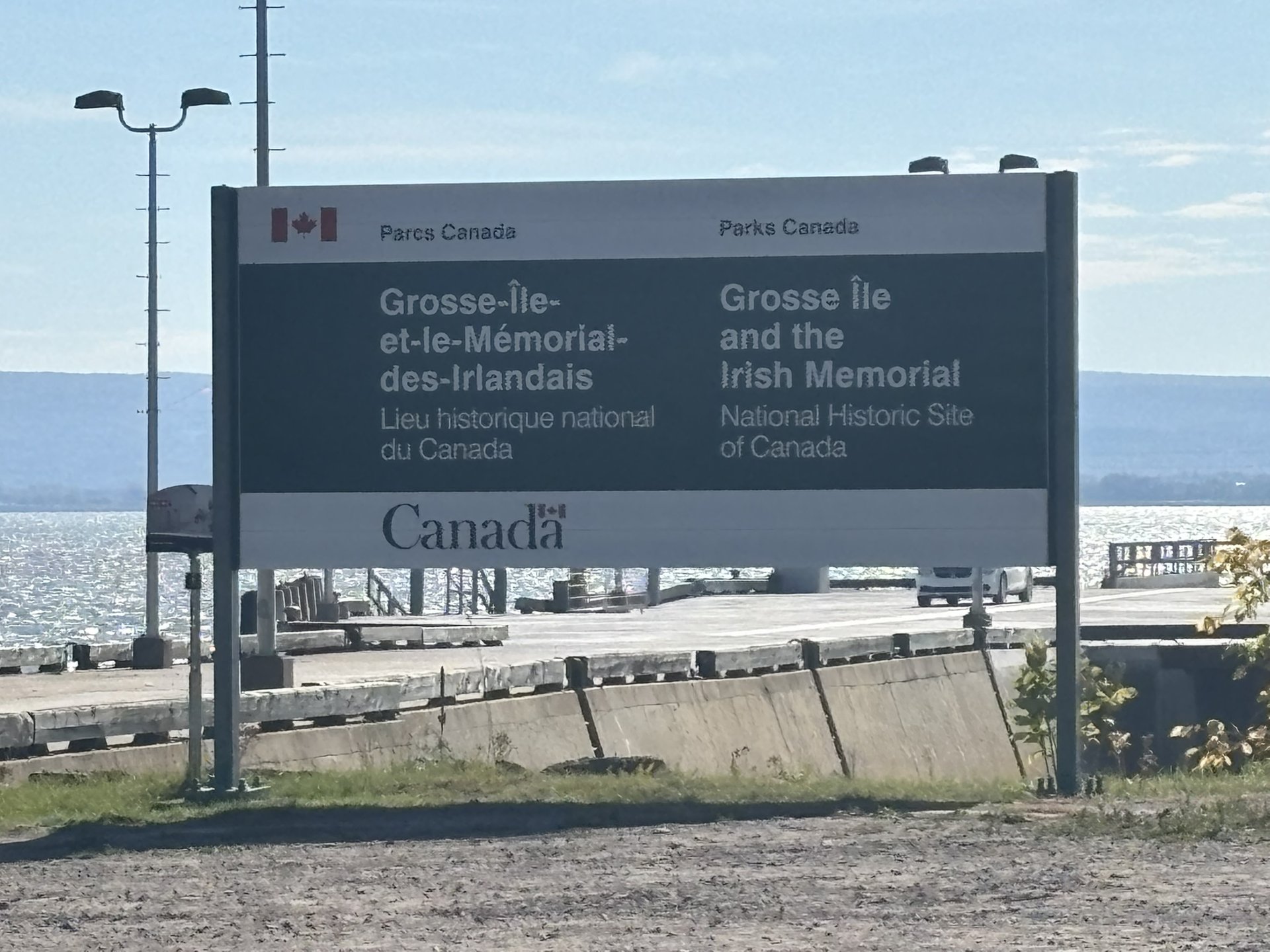
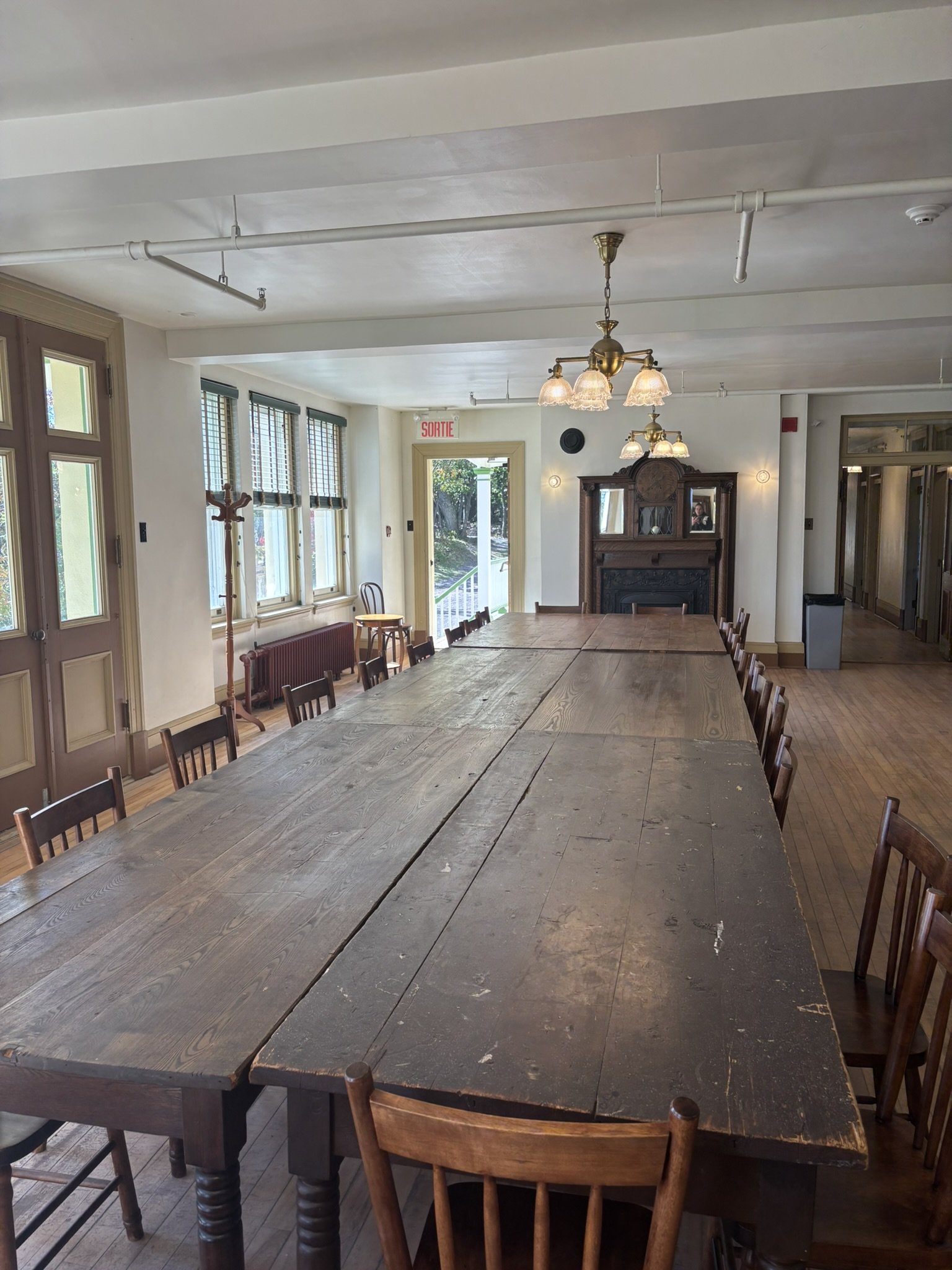
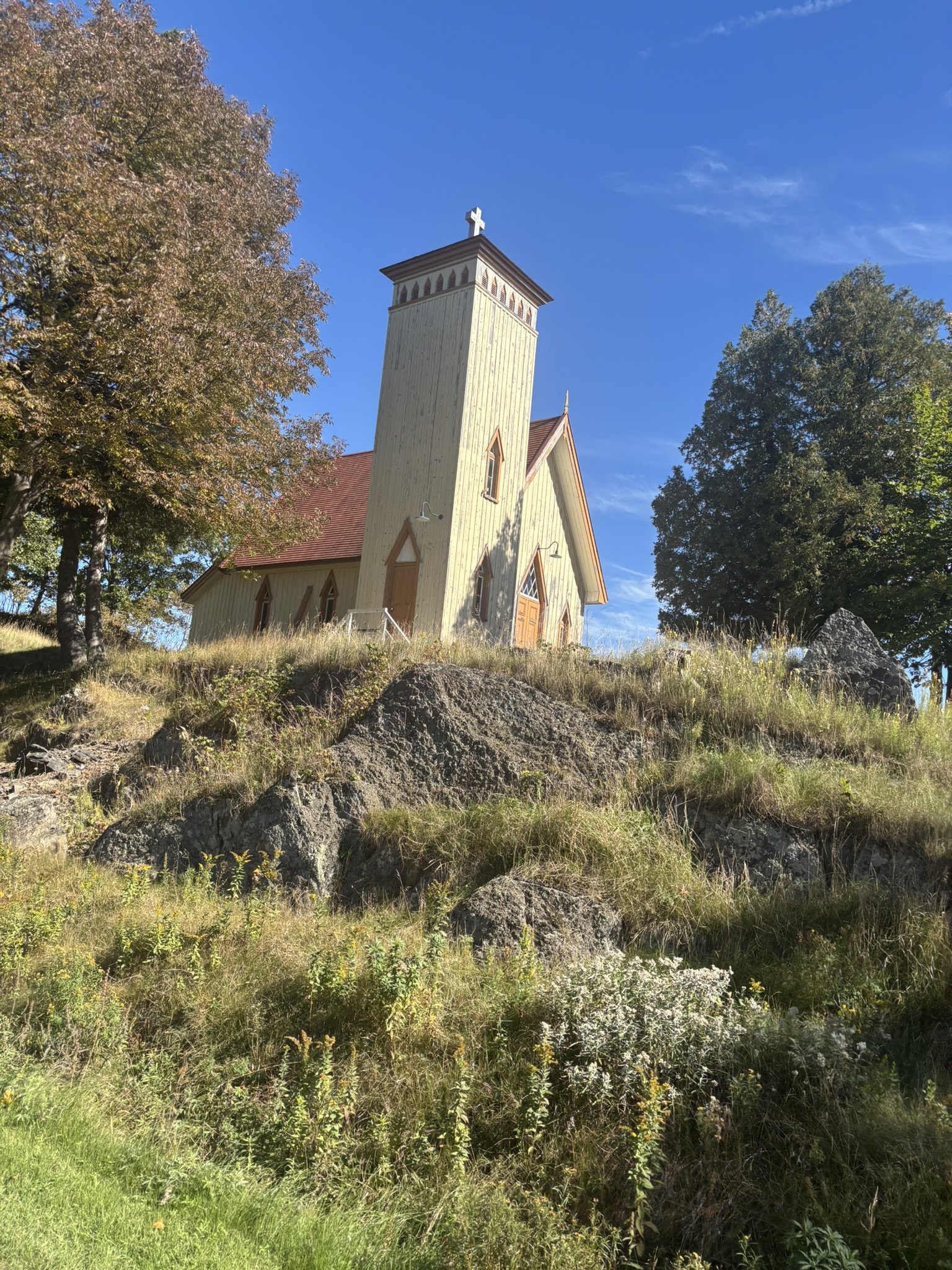
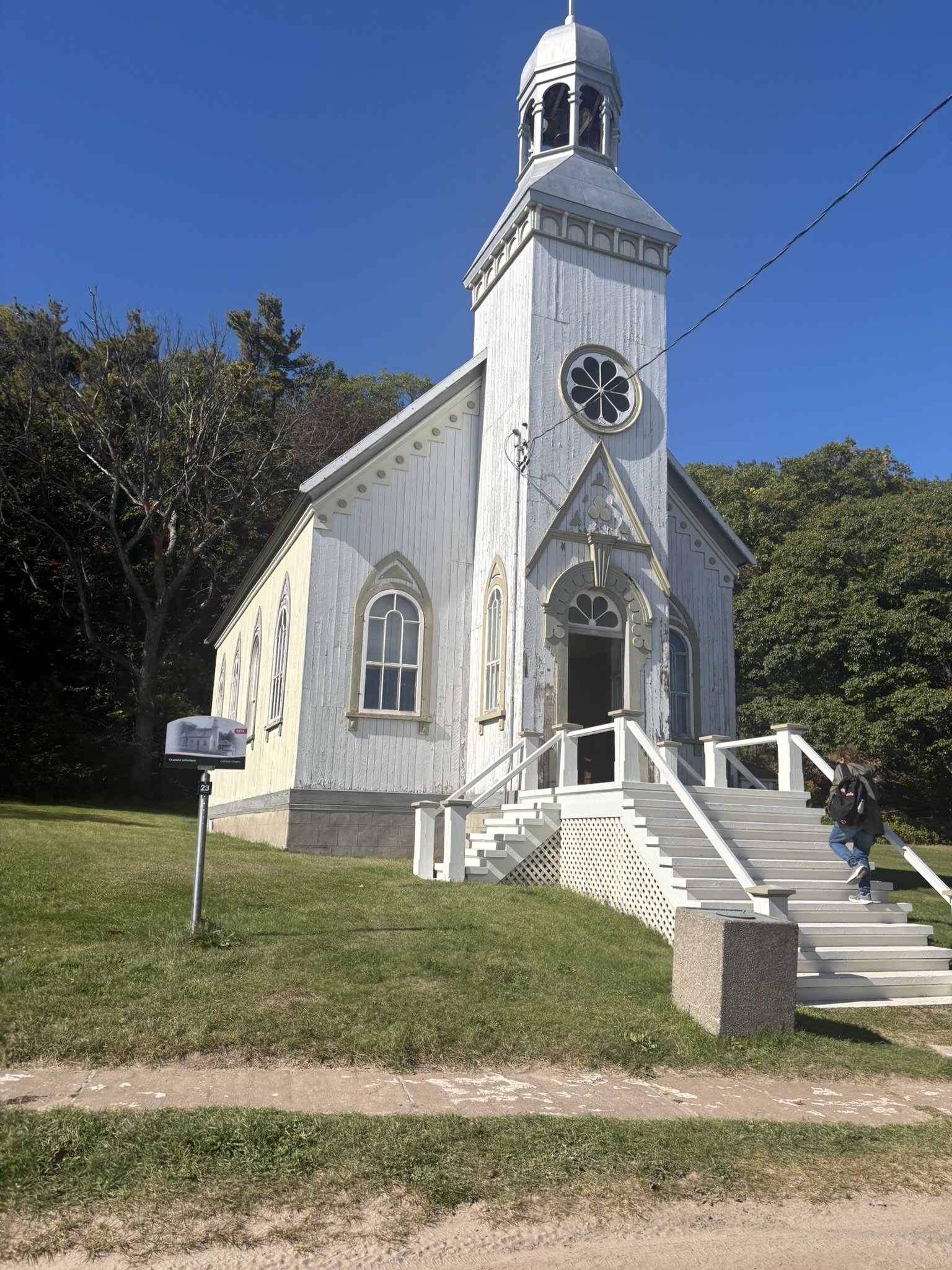
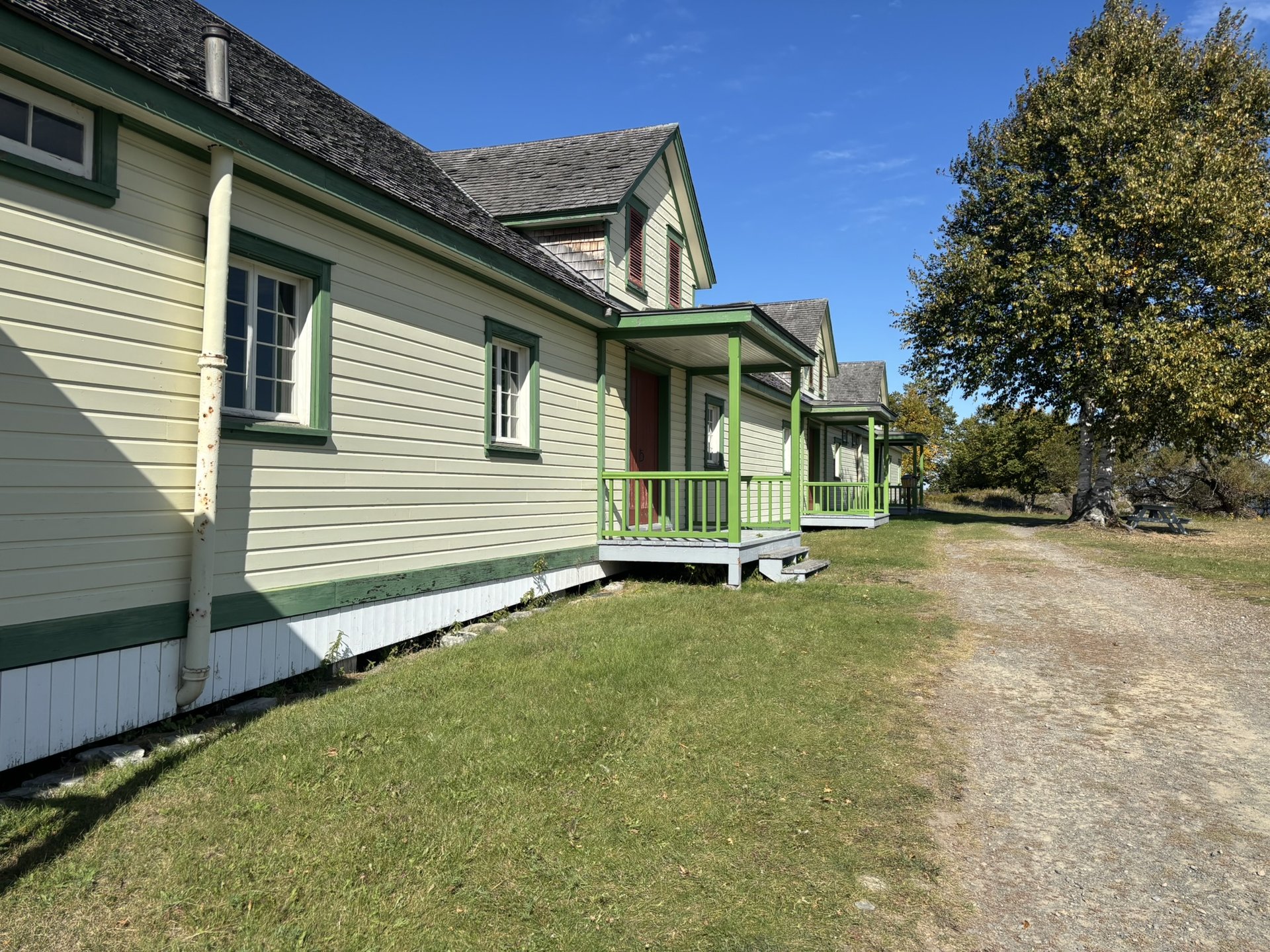
Saturday was devoted to Grosse-Île, and let's say it right away: the guided tour was flawless. The Parks Canada guides know their subject in depth and tell, with remarkable accuracy, a history that is anything but easy. Absolutely fascinating from start to finish.
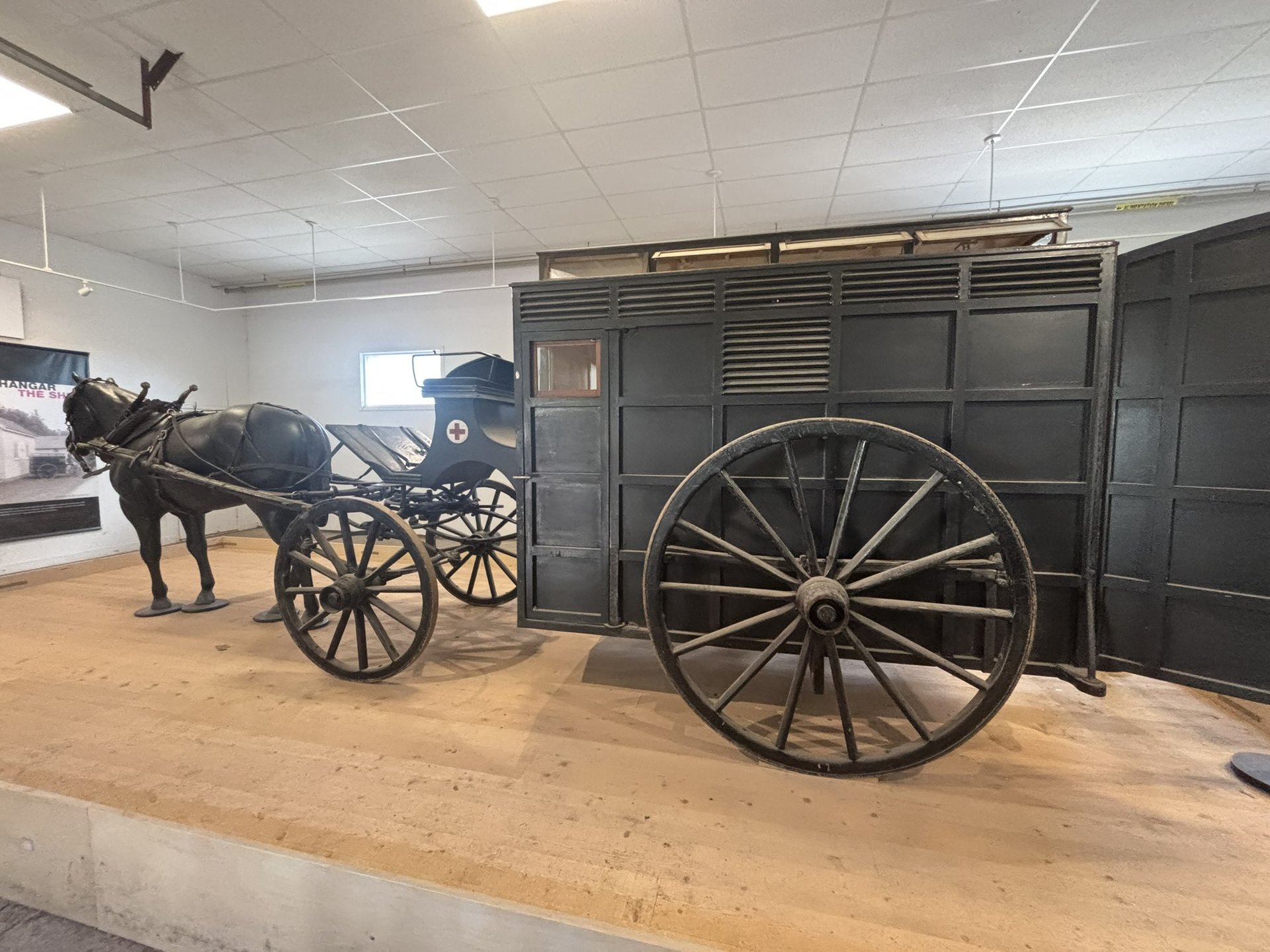
The crossing is with Croisières Lachance, leaving from the Berthier-sur-Mer marina at 110, rue de la Marina — about fifteen minutes west of Montmagny. The trip itself is worth the outing: you sail between the islands of the archipelago with commentary on board before landing. On the island, the visit combines a trolley ride through the eastern part with a walking tour of the western part. Allow a good half-day. Two tips we heard from everyone: bring your lunch, and dress for the weather, since a good part of the visit takes place outdoors.
One hundred and five years of quarantine
Grosse-Île is 2.9 km long and 1 km wide, and lies 46 km downstream from Quebec City. It was once known by the lovely name of île de Grâce. It was renamed Quarantine Island.
In 1832, a cholera epidemic swept across Europe, and the British colonial authorities decided to set up a quarantine station there for the Port of Quebec. It would operate for 105 years, until 1937. During that century of activity, more than four million immigrants passed through. For generations of newcomers, this island was the very first image of Canada.
1847, the black year
This is the chapter that tightens your throat. In 1845, the potato crop collapsed in Ireland — An Gorta Mór, the Great Famine. Tens of thousands of Irish fled to America aboard overcrowded, unsanitary ships, where typhus, nicknamed "ship fever", spread on a massive scale. The crossing took six to nine weeks.
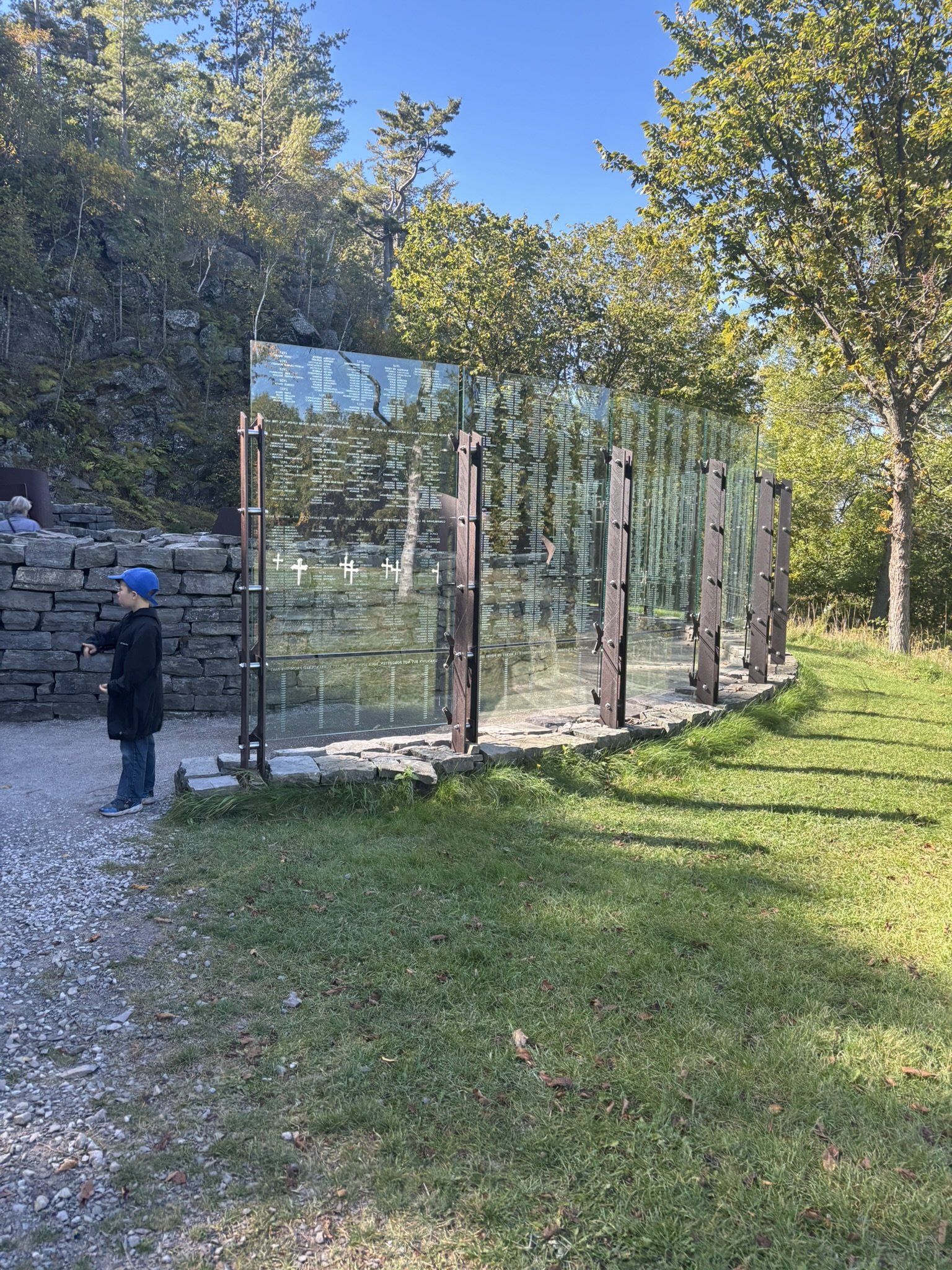
In 1847, 441 ships made their way to Quebec. More than 5,000 passengers died before even arriving. At the station, Dr. George M. Douglas and his team removed some 2,200 bodies from the ships, examined 90,150 immigrants and buried at least 5,424 bodies in that single year.
The detail that shows the scale of the disaster: in early May, the station had 200 beds, a number judged more than sufficient based on previous years. From May 14 to 19 — four days — it had to take in 285 more. Healthy passengers, for lack of room, were forced to remain aboard the ships in quarantine. By the end of the month, between 50 and 60 people were being buried every day.
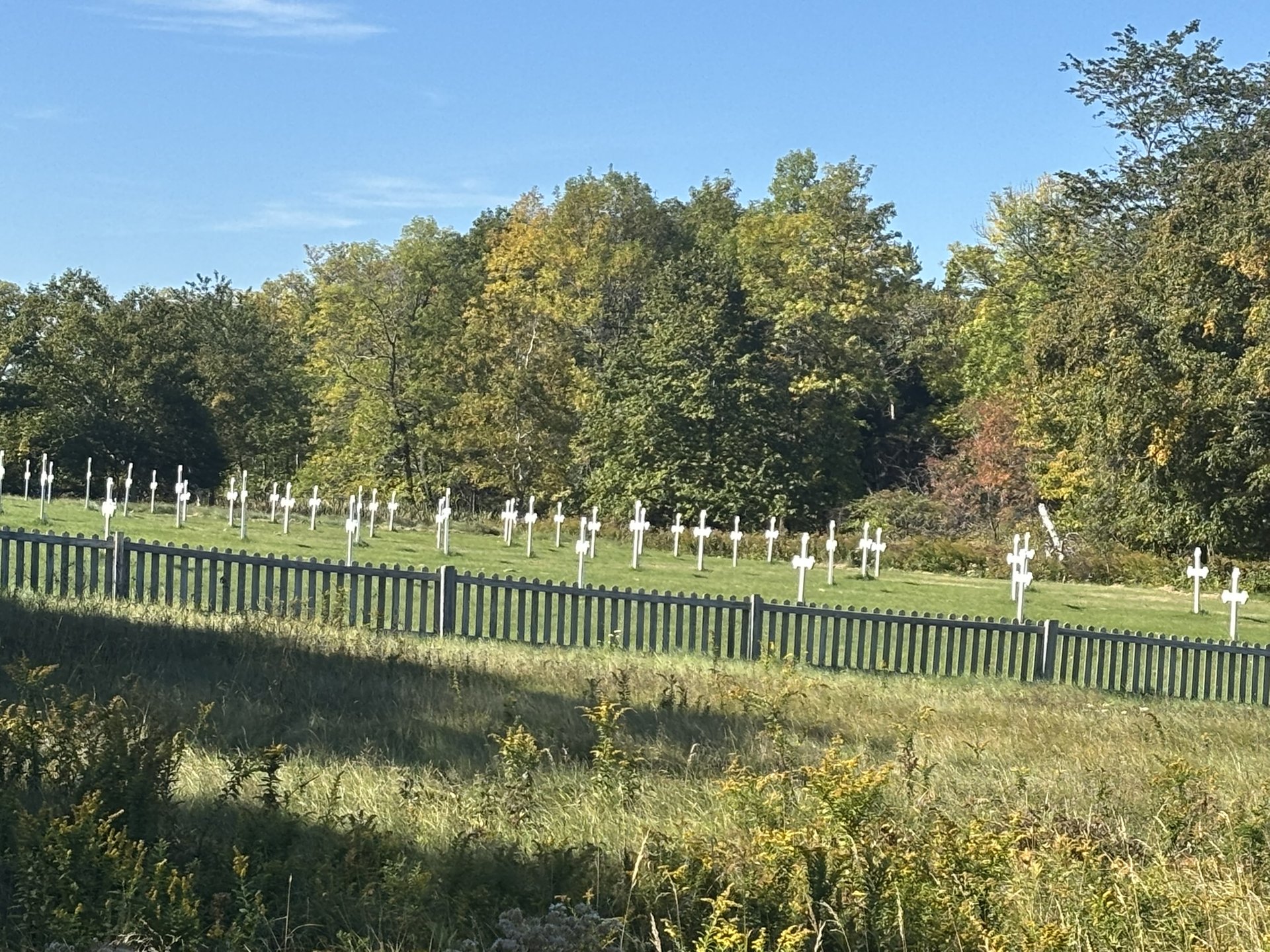
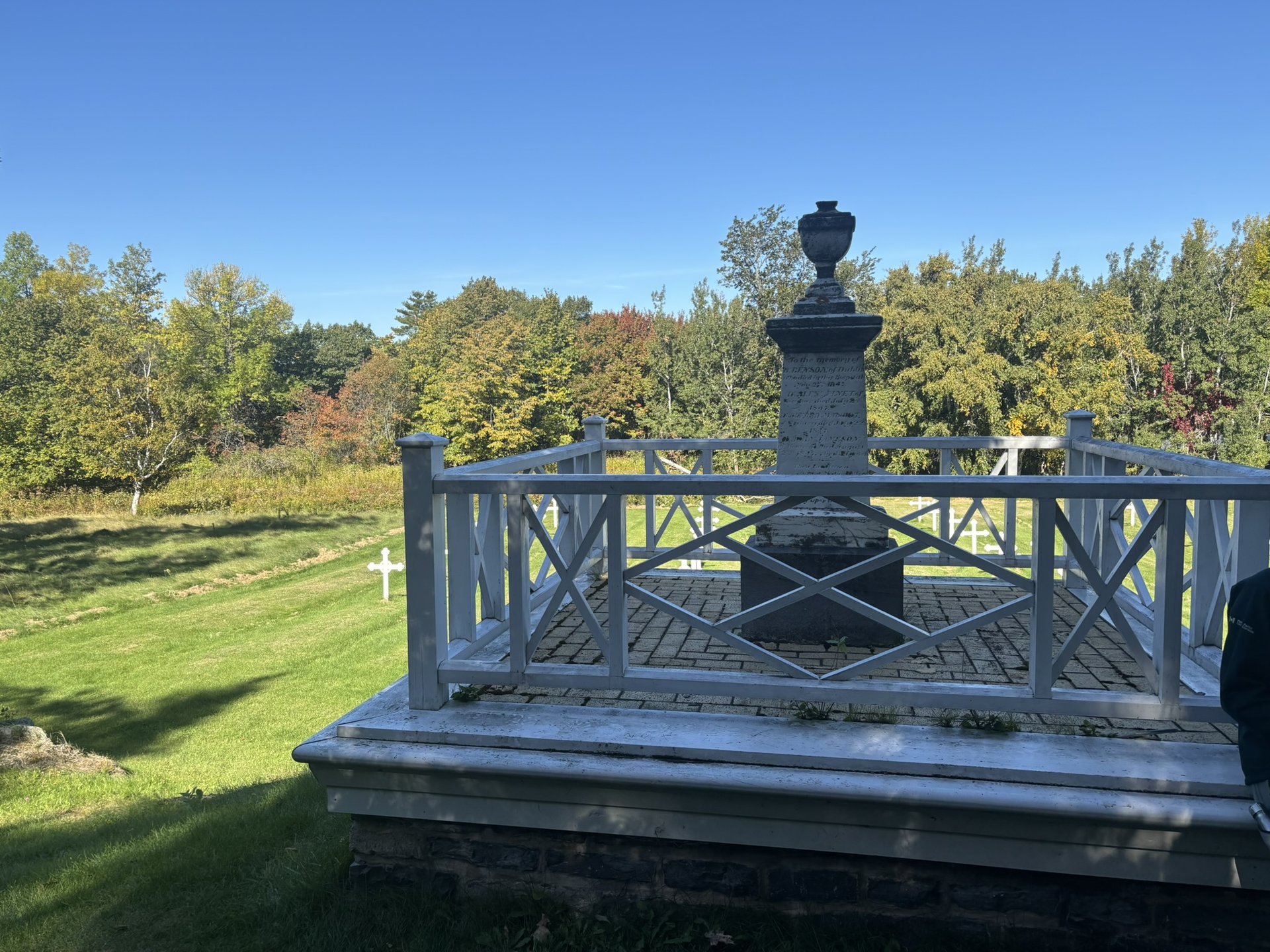
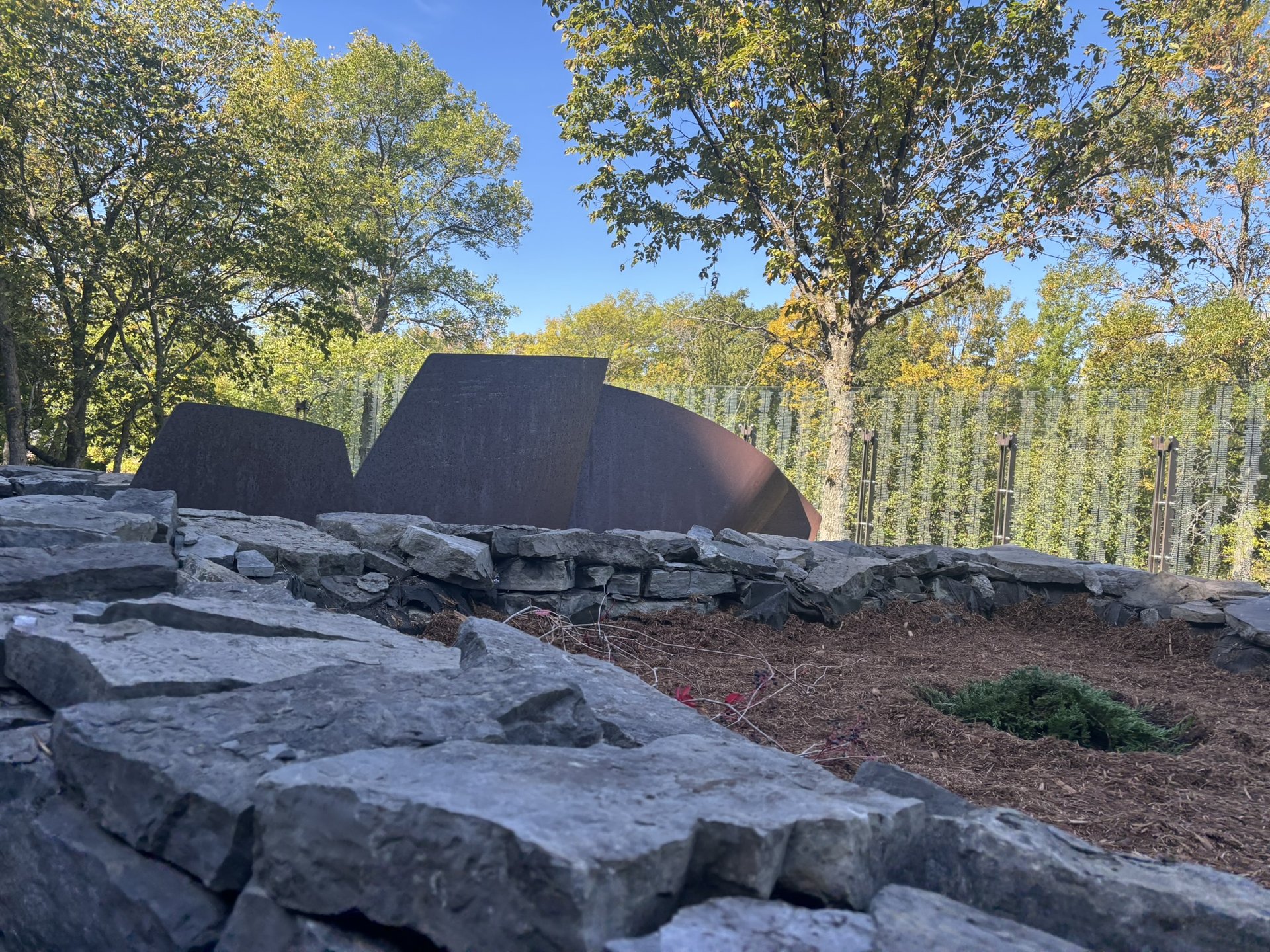
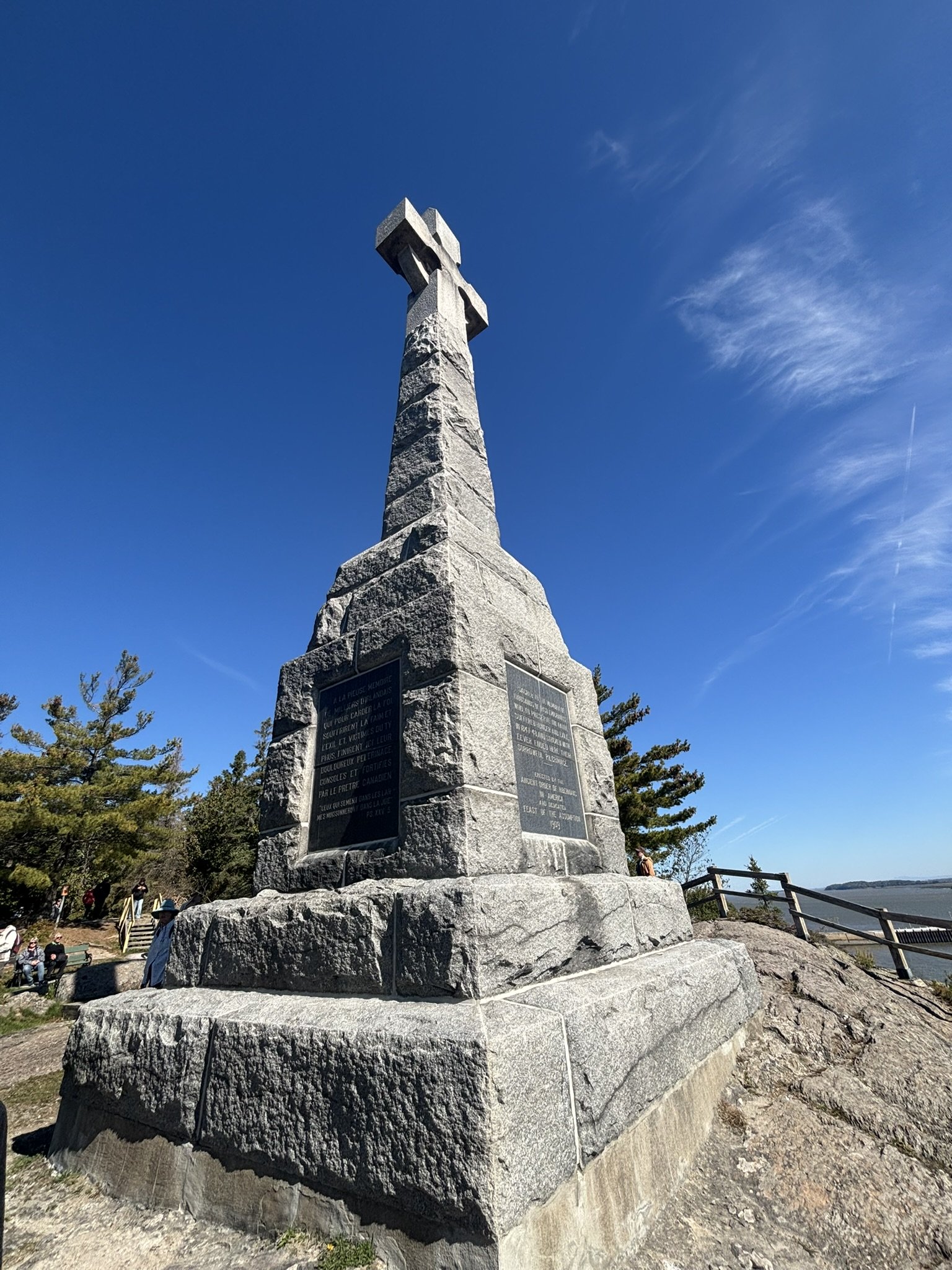
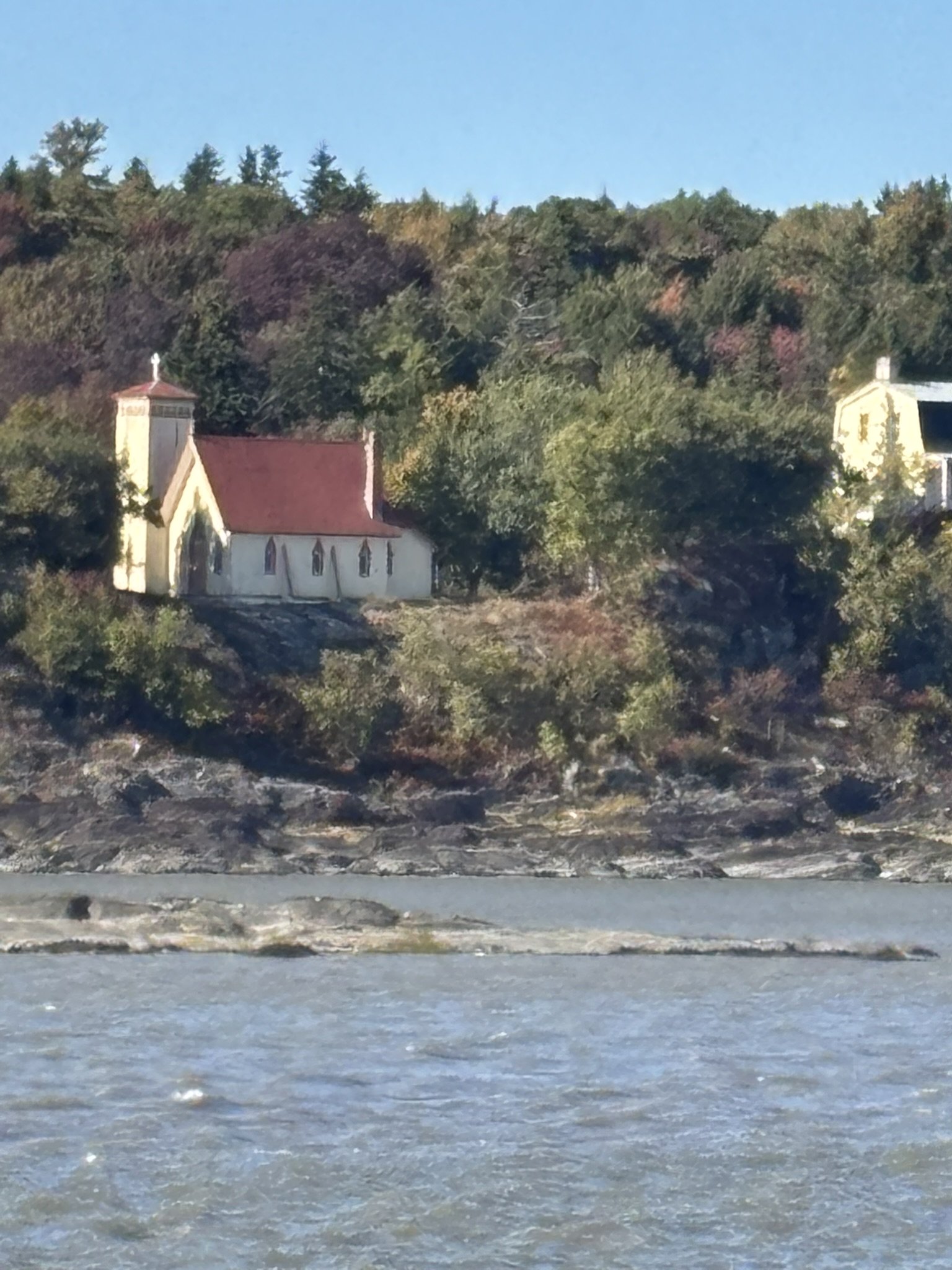
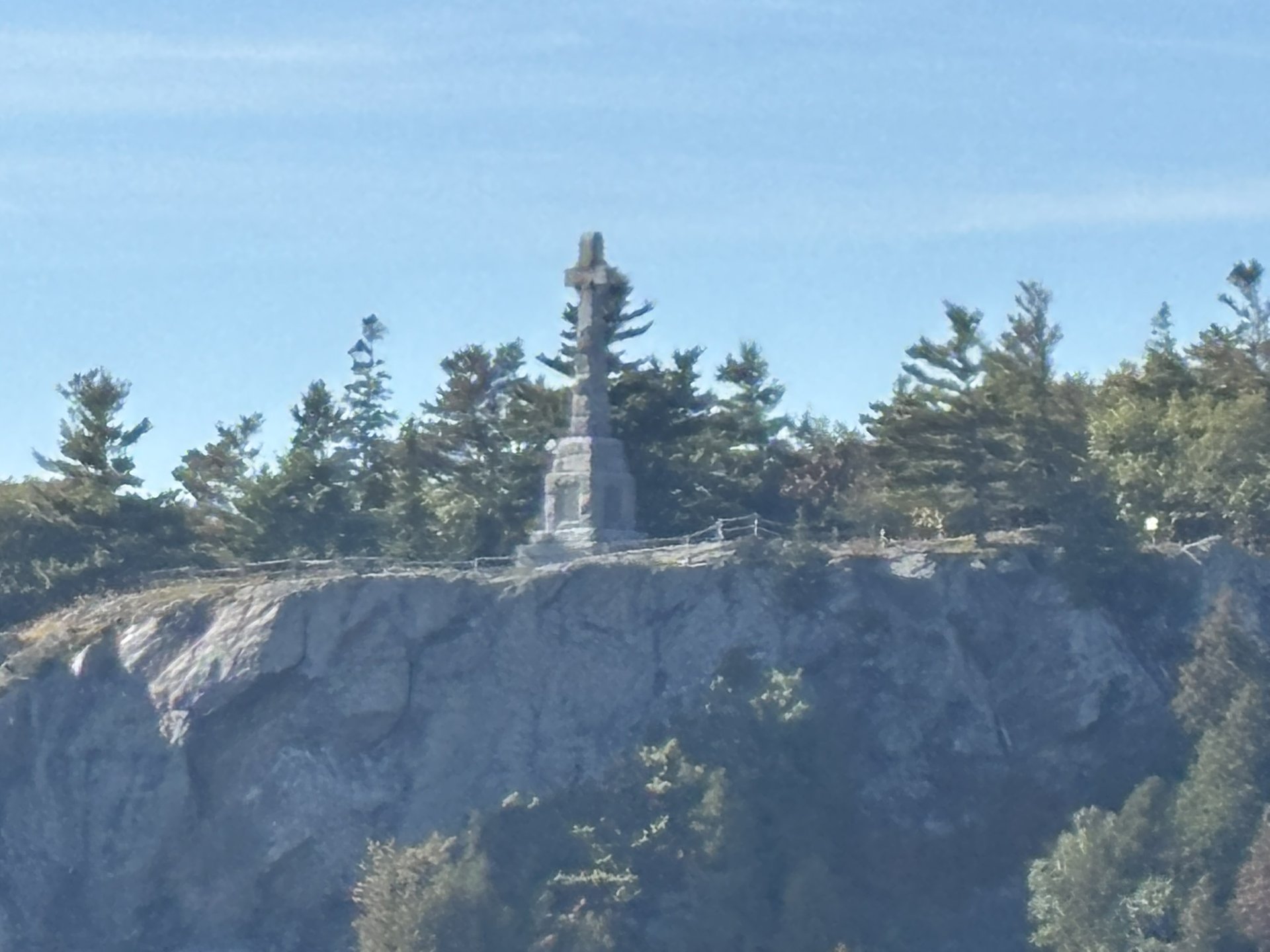
What is also striking is the courage of those who stayed. Police officers, medical staff, Catholic priests and Protestant ministers came to lend help all summer, knowing full well what they were risking. Forty-four members of the station's staff gave their lives there. In 1909, the Ancient Order of Hibernians erected a Celtic cross on Telegraph Hill in memory of the dead. It still watches over the river.
Project N: when anthrax was being made in the middle of the river
And then there is the other story — the one you never see coming, and which remained secret for decades.
From 1942 to 1944, in the middle of the Second World War, Grosse-Île housed Project N: the first attempt in history at mass production of a biological weapon. Canadian, British and American scientists worked there under a seal of silence, on a mission entrusted by Winston Churchill himself — to manufacture half a million anthrax bombs, intended to raze five German cities.
The island had everything the military could want: isolated, already equipped with sanitary facilities, easy to control. The anthrax bacillus was produced in the building that had once been used to disinfect immigrants. The air corridor above the island was closed. And to avoid arousing suspicion, the centre was officially presented as a simple war-disease control station, devoted to developing a vaccine against rinderpest.
Not everyone agreed: several scientists of the time judged the island far too close to inhabited coasts for that kind of work. The Scottish precedent proved them right — the island of Gruinard, bombed with anthrax in 1942 for tests, remained off-limits until 1990.
What remains most troubling is what we still don't know. In 2010, questioned in the House of Commons, the government answered that the anthrax had been neutralized with formaldehyde — without being able to say where it had been disposed of. According to the documentary Projet N, the stocks were simply dumped into the St. Lawrence. Journalists Yves Bernard and Vincent Frigon devoted a book to this investigation, published by Septentrion.
Two stories, a century apart, the same small island: first to protect a country from an epidemic, then to manufacture the means of starting one. You step off the boat in silence.
The return
A second night at the campground, then an easy drive back to Quebec City on Sunday. A little over an hour on the road, and yet the very clear feeling of having been somewhere else — and of having learned something important about our own history.