Regions of Quebec
Our guides, region by region, enriched visit after visit
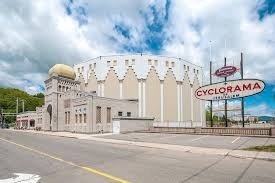 Capitale-Nationale
Côte-de-Beaupré (Summer — a rainy day)
The Côte‑de‑Beaupré is one of the oldest settled territories in North America. As early as 1626, Samuel de Champlain established a farm there to supply the town of Quebec. The territory was shaped by the Seigneurie de Beaupré, a major agricultural and religious engine of the 17th century. There are several attractions to explore in this small MRC, in the Capitale‑Nationale region, on the north shore of the St.‑Lawrence River, between Quebec City and Charlevoix.
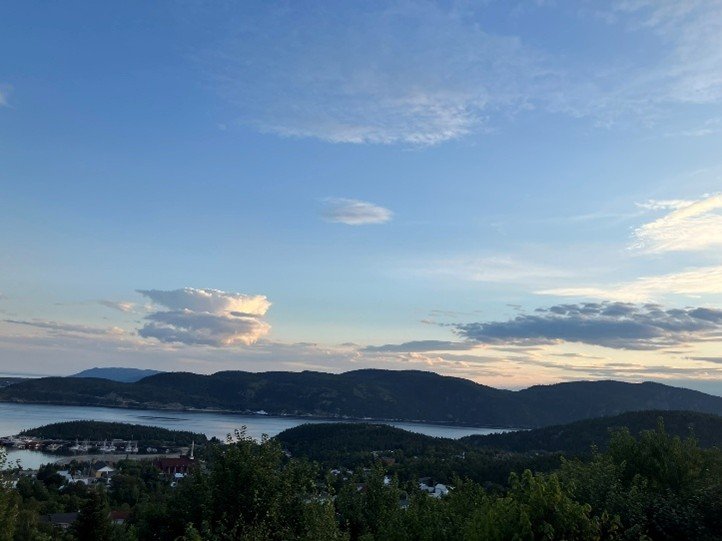 Côte-Nord
Upper North Shore - Manicouagan - Sept-Rivières
The Côte-Nord — From Tadoussac to Sept-Îles, the call of the open water
Stretching along the majestic St. Lawrence River, the Côte-Nord is one of the wildest and most spectacular regions of Quebec. Between endless boreal forest, steep cliffs, tumbling rivers and a river that gradually turns into a sea, it offers total immersion in magnificent nature. Three emblematic territories unfold here: the Haute-Côte-Nord, Manicouagan and Sept-Rivières, each with its own character.
La Haute-Côte-Nord
The gateway to the region, the Haute-Côte-Nord greets you with charming villages and breathtaking landscapes. Tadoussac, nestled at the mouth of the Saguenay fjord, is known worldwide for its whale-watching excursions — belugas, fin whales, blue whales and minke whales come to feast here every summer. Its little red wooden chapel, the oldest still standing in North America, and its giant sand dunes add to its undeniable charm. Farther along, Les Escoumins, Les Bergeronnes and Les Grandes-Bergeronnes offer quality marine interpretation centres and some of the most renowned dive sites in the country.
Manicouagan
Manicouagan takes its name from the imposing river that runs through it and from its famous crater, the remnant of a meteorite that fell more than 200 million years ago — a ring of water visible from space. The region impresses with both human and natural feats: the Daniel-Johnson dam (Manic-5), with its majestic arches, is one of the largest multiple-arch dams in the world and makes for a fascinating visit. Baie-Comeau, a town of aluminum and paper, appeals with its industrial architecture and its heritage circuits. Outdoor enthusiasts appreciate the landscapes of the rivière aux Outardes, the trails of the parc Nature de Pointe-aux-Outardes (a birdwatching paradise) and the seals along the shore.
Sept-Rivières
Farther east, the Sept-Rivières region owes its name to the seven rivers that empty into the gulf near Sept-Îles, its main town. An important industrial port, the city nonetheless shows a warm face with its Vieux-Quai promenade, lively in summer, its urban beaches and its islands to explore by boat — the Sept-Îles archipelago is a genuine jewel, perfect for kayaking, seabird watching and swimming at sunset. Port-Cartier, farther west, appeals with its spectacular coastal scenery, its impressive waterfalls and the parc régional des Sept-Chutes, ideal for hiking. Innu culture, present everywhere in the region, finds expression notably at the Musée Shaputuan and at the not-to-be-missed Innu Nikamu festival, a vibrant celebration of Indigenous music.
A region apart
The Côte-Nord is also the warm welcome of the Nord-Côtiers, those scenic roads (Route 138 follows the river for hundreds of kilometres), those local products such as wild berries, fresh seafood and salmon, along with that singular feeling of being at the end of the world, where the river becomes an ocean. Whether it's to watch whales, explore immense territories or simply get away from the bustle, the Côte-Nord offers a complete change of scene, only a few hours' drive from Quebec City.
A trip by Tesla for a first taste of this magnificent region. Six days weren't enough to reach the end of the road, and it was also a chance to visit a friend.
 Capitale-Nationale
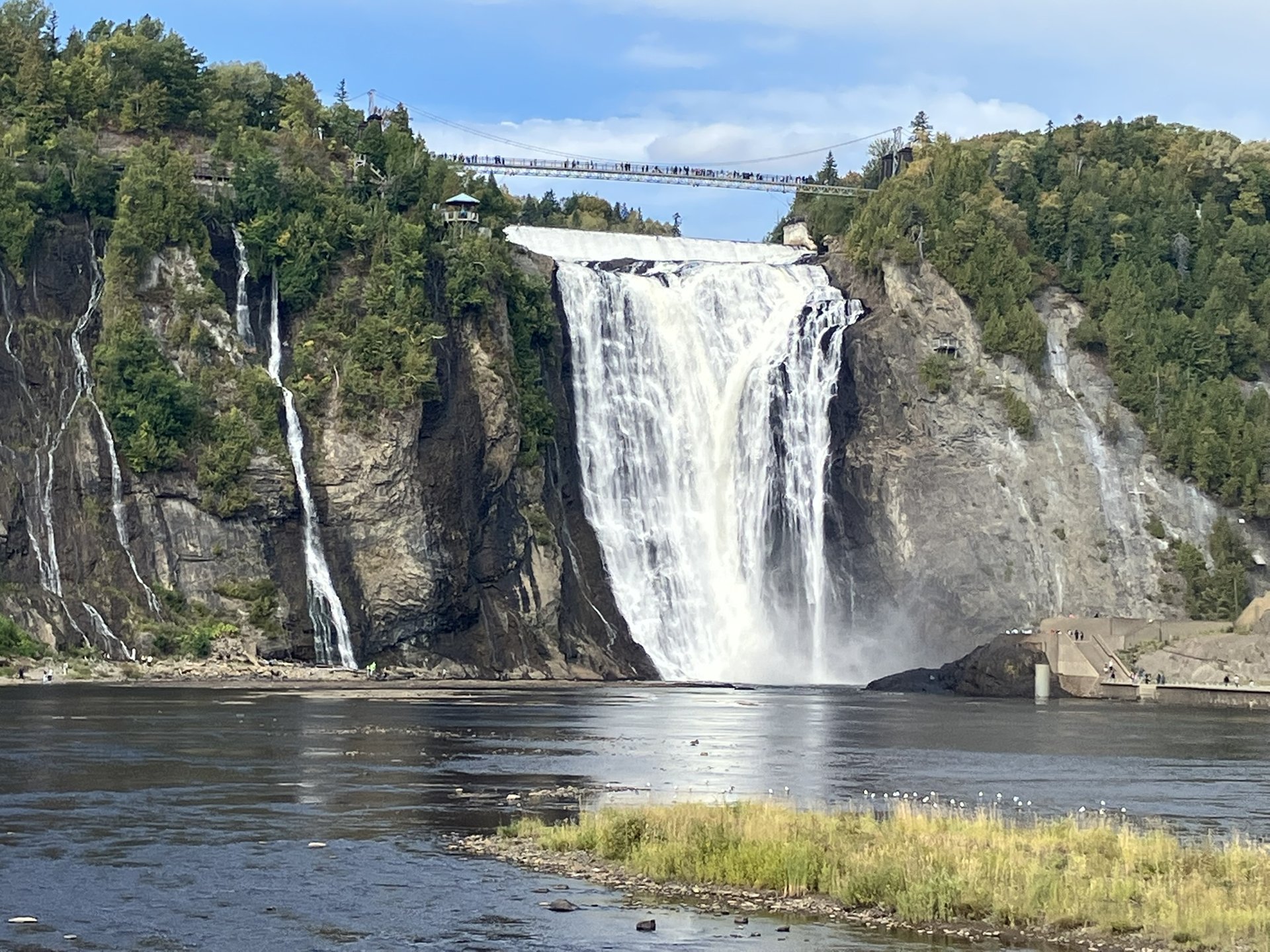
Côte-de-Beaupré (summer)
The Côte-de-Beaupré is one of the oldest settled territories in North America. As early as 1626, Samuel de Champlain established a farm here to supply the town of Quebec. The territory was shaped by the Seigneurie de Beaupré, a major agricultural and religious driver of the 17th century. Several attractions are there to explore in this small MRC in the Capitale-Nationale region, on the north shore of the St. Lawrence River, between Quebec City and Charlevoix.
 Chaudière-Appalaches
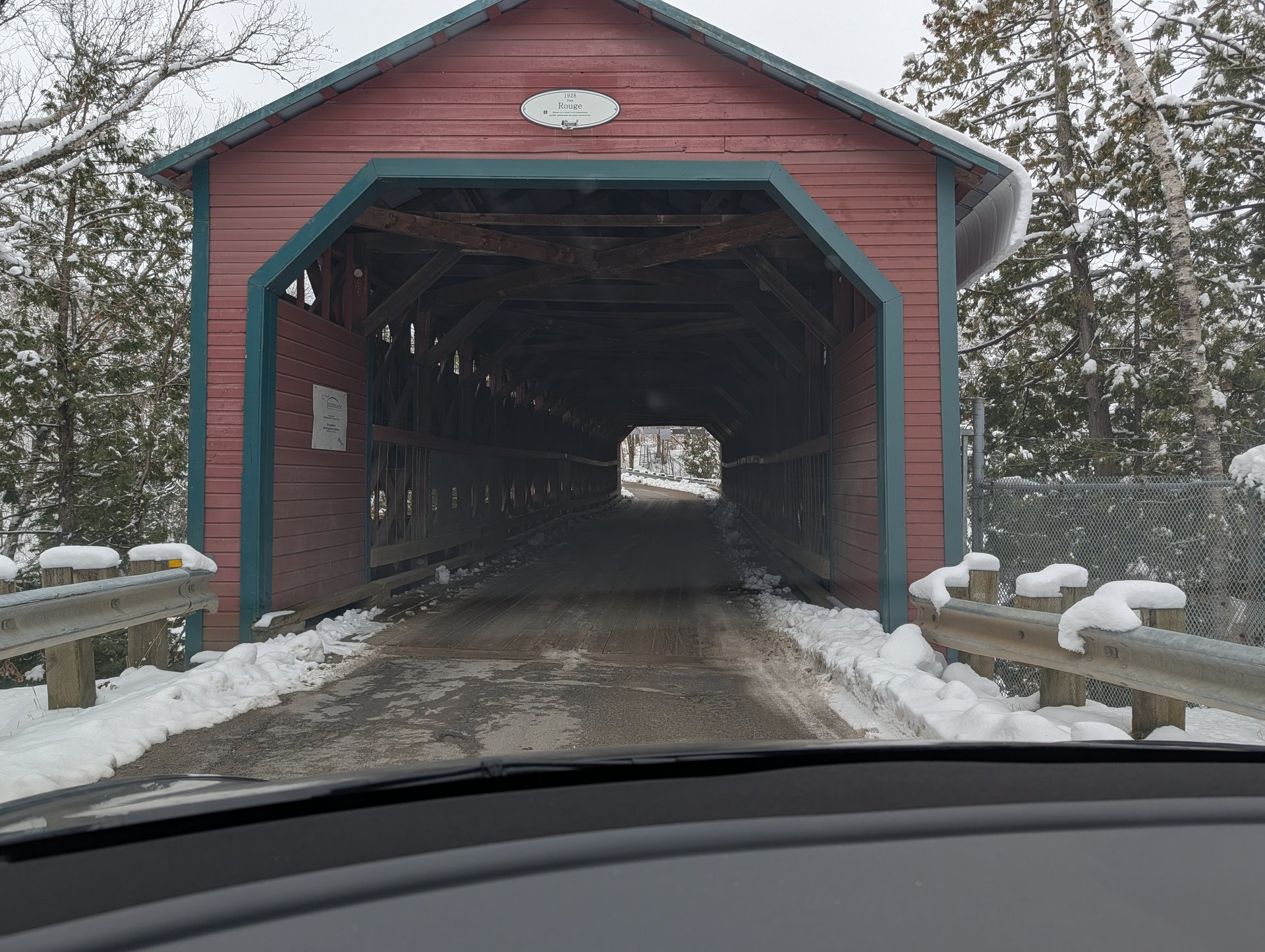
Lotbinière (Fall)
The Lotbinière regional county spreads along the south shore of the St. Lawrence, between Quebec City and Trois-Rivières, in the Chaudière-Appalaches region. This largely agricultural territory is among the most fertile in Quebec, with vast stretches of farmland rolling gently toward the foothills of the Appalachians.The region takes its name from the seigneur René-Louis Chartier de Lotbinière, whose family left its mark on the history of New France. You'll find a remarkable built heritage here: ancestral mills, stone churches and century-old houses bear witness to a prosperous agricultural past. Between sugar shacks, artisanal cheese dairies and bucolic landscapes, Lotbinière embodies a certain Quebec sweetness of living, away from the urban bustle.
 Chaudière-Appalaches
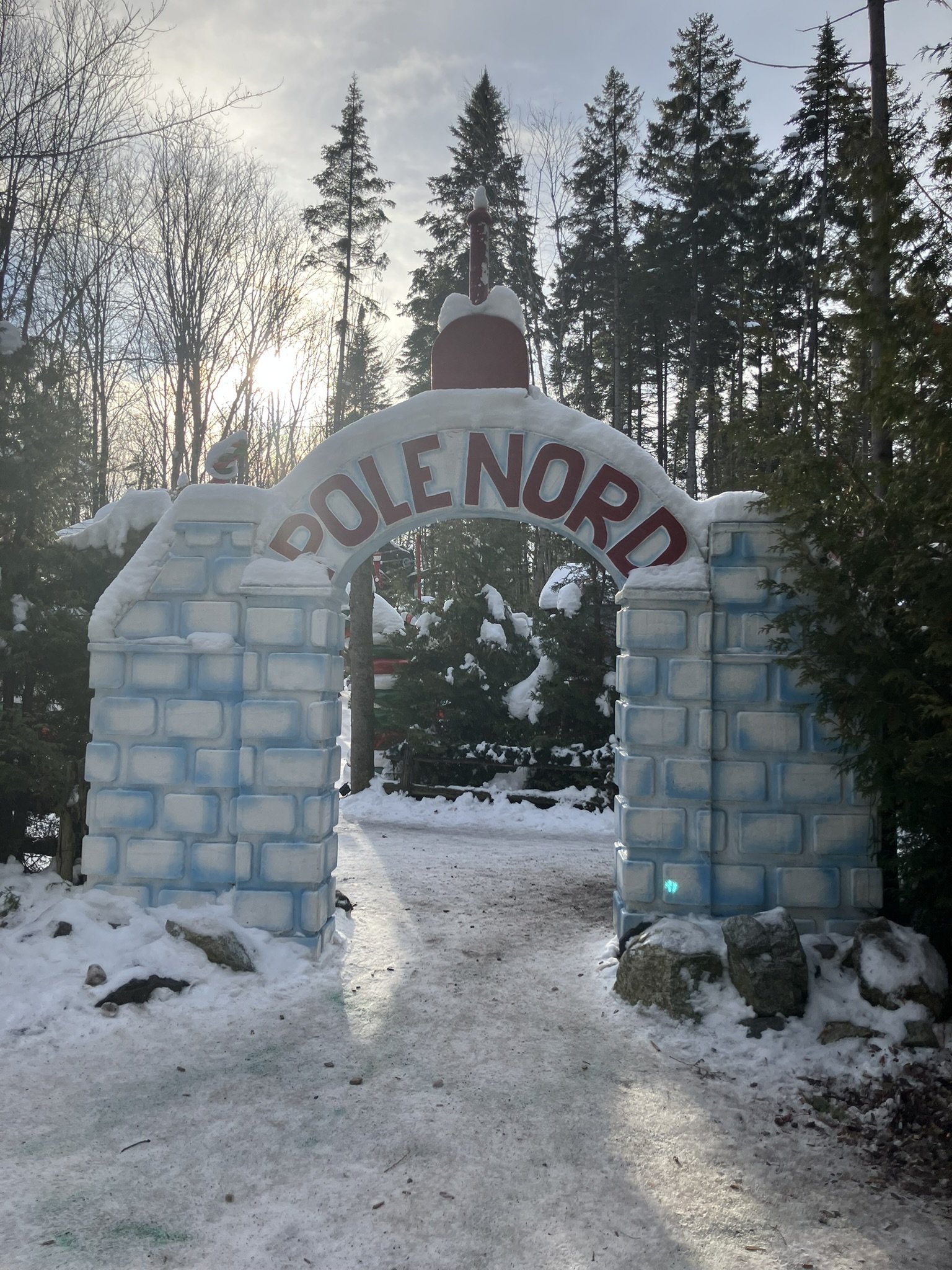
Beauce-1 (Winter)
Set in the heart of the Chaudière-Appalaches region, the MRC of the Beauce forms a dynamic whole where heritage, nature and entrepreneurial spirit meet. The region stands out for its varied landscapes — fertile farmland, wooded plateaus and summits — as well as for a rich and welcoming community life.
The Beauce is known for its agroforestry heritage, its well-preserved historic buildings and its cultural initiatives, which all contribute to the vitality of the place. Whether it's the heritage attractions, the events or the natural setting, the MRC offers a warm and authentic way of life, true to the reputation of the Beaucerons.
 Capitale-Nationale
Quebec City (Fall)
 Capitale-Nationale
Portneuf (Fall)
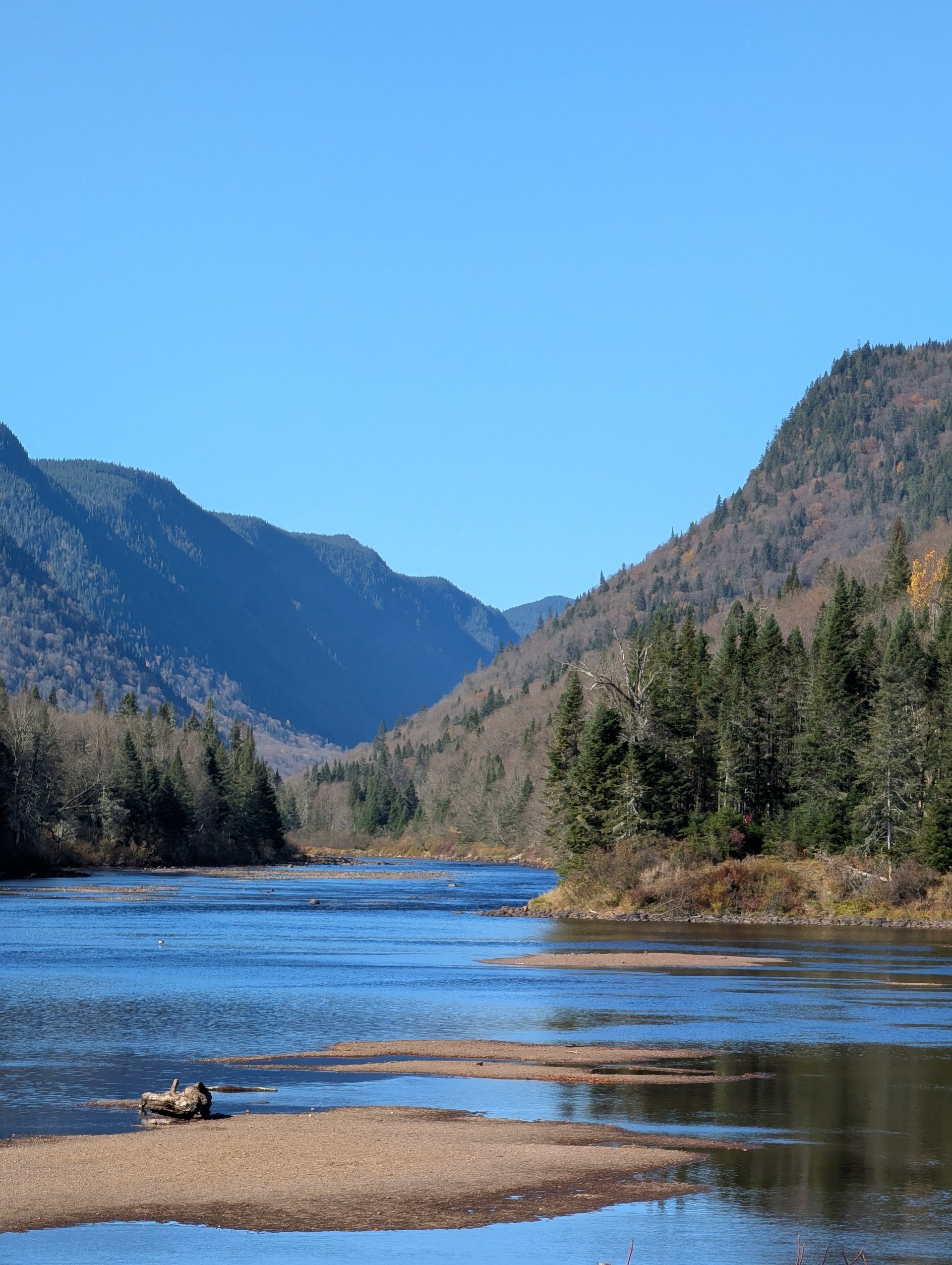
The Portneuf regional county sits northwest of Quebec City, where the St. Lawrence gives way to the first rises of the Canadian Shield. It's a territory of contrasts, pairing the farmland of the St. Lawrence lowlands with the forests and lakes of the Laurentian plateau.
Crossed by the Portneuf River and the magnificent Jacques-Cartier, the region draws outdoor enthusiasts and food lovers alike. Its villages carry remarkable heritage character — Deschambault-Grondines, Cap-Santé, Neuville — where stone houses and old churches stand proudly facing the river.
Portneuf is also a generous pantry: fine cheeses, artisanal charcuterie, microbrewery beers and local products are everywhere, and the Route des Saveurs de Portneuf makes the case. Between grand scenery and good eating, this county rewards anyone willing to linger off the well-worn trails.
 Gaspésie–Îles-de-la-Madeleine
Baie-des-Chaleurs
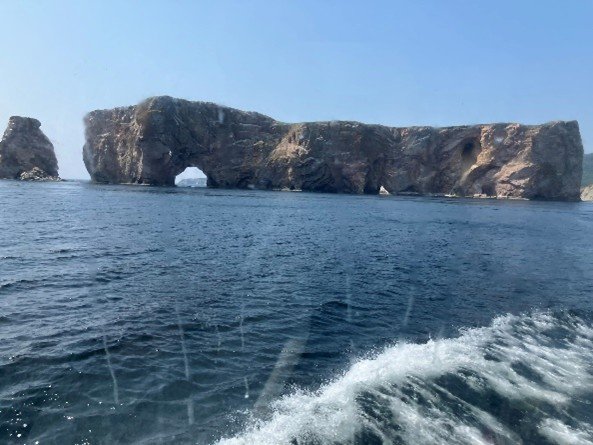
Running along the south shore of the Gaspé Peninsula, the Baie-des-Chaleurs — the "bay of warmth" — lives up to its name beautifully. Named by Jacques Cartier in 1534, who was struck by the mildness of its waters, it is one of the most peaceful and welcoming bays in eastern Quebec. With its fine sand beaches, its surprisingly temperate water for the region and its blazing sunsets over neighbouring New Brunswick, it appeals to nature lovers and to travellers looking for quiet alike.
The region is full of picturesque villages with colourful houses that recall the Gaspé's Acadian, Scottish, Irish and Québécois heritage. Carleton-sur-Mer, tucked at the foot of the mont Saint-Joseph, is a genuine jewel with its seaside promenade, its good restaurants and its relaxed summer atmosphere. New Richmond, Bonaventure, Maria, Paspébiac and Pointe-à-la-Croix each have their own charm, blending heritage, food and outdoor activities.
Outdoor enthusiasts are happy here in any season. You can sea kayak in the bay, run the magnificent Bonaventure River — one of the clearest in the world — by canoe or inner tube, watch seals at the Banc-de-Paspébiac, hike in Miguasha National Park (a fossil site recognized by UNESCO), or climb the summits of the Réserve faunique des Chic-Chocs a little farther north.
The region also stands out for its cultural life. The Bioparc de Bonaventure lets you discover Quebec wildlife in natural habitat, while the Musée acadien du Québec pays tribute to the rich and moving history of the Acadians. On the food side, the local products are hard to resist: artisanal cheeses, microbreweries, fresh seafood, salt cod and the famous galettes blanches.
With its peaceful pace, its legendary hospitality and its breathtaking landscapes where the sea meets the mountains, the Baie-des-Chaleurs offers an authentic Gaspé experience, well off the beaten path, perfect for decompressing and reconnecting with what matters.
We left in July 2025 for 7 days, in a house we had rented. The idea was to show the Gaspé to our Swiss visitors, since Nany was visiting Quebec that week.