Regions of Quebec
Capitale-Nationale
Our stories, tables and places to stay in Capitale-Nationale
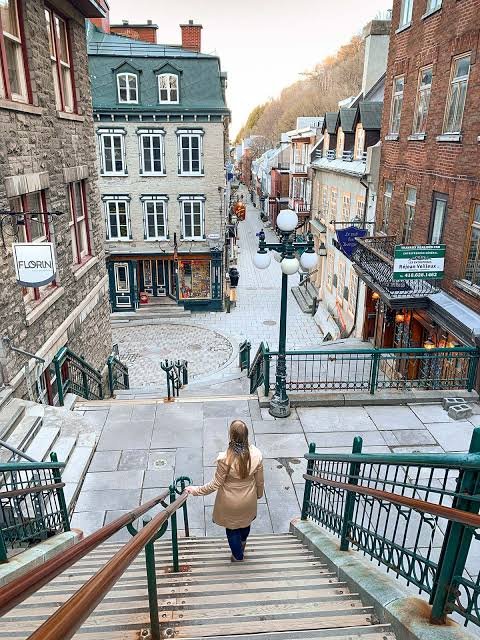
Quebec City (Fall-4)
Quebec City is the capital of the province of the same name and one of the oldest cities in North America, founded in 1608 by Samuel de Champlain. Thanks to its centuries of history, its remarkable architecture and its exceptional natural setting, it remains an emblematic place in Canadian heritage. Its surroundings are full of natural spots where the hiking is exceptional.
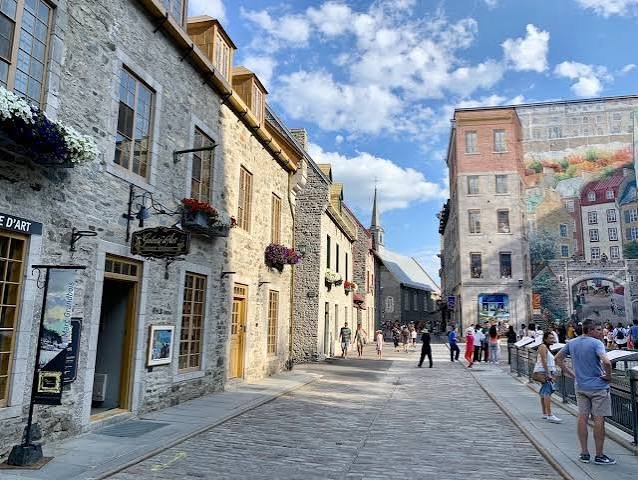
Quebec City (Fall-3)
Quebec City is the capital of the province of the same name and one of the oldest cities in North America, founded in 1608 by Samuel de Champlain. Thanks to its centuries of history, its remarkable architecture and its exceptional natural setting, it remains an emblematic place in Canadian heritage. Its surroundings are full of natural spots where the hiking is exceptional.
Légende
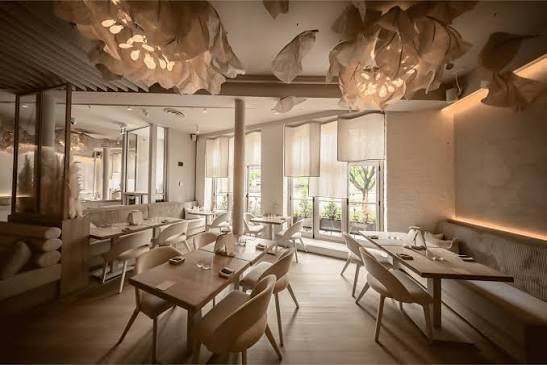
On rue Saint-Paul, across from the Old Port market, Légende is the little sister of Tanière³. Opened in 2014 by Karen Therrien, the restaurant earned a star in the very first edition of the Michelin Guide in Quebec, in 2025. In the kitchen, chef Elliot Beaudoin creates a boreal cuisine that tells the story of wild Quebec: fish from the estuary, game and local meats, plants foraged in the forest and vegetables from local producers.
The all-white, Nordic-inspired dining room leaves the spotlight to the plate, and the service manages to stay warm without ever being stiff. We had the fall tasting menu, with its wine pairing, on a Thursday evening in October: balsam fir, yarrow, cattail, fireweed and sweet clover slip into every course, like a walk in the forest from one end of the meal to the other. An address to keep for a special occasion.

Quebec City (Fall-2)
Quebec City is the capital of the province of the same name and one of the oldest cities in North America, founded in 1608 by Samuel de Champlain. Thanks to its centuries of history, its remarkable architecture and its exceptional natural setting, it remains an emblematic place in Canadian heritage. Its surroundings are full of natural spots where the hiking is exceptional.
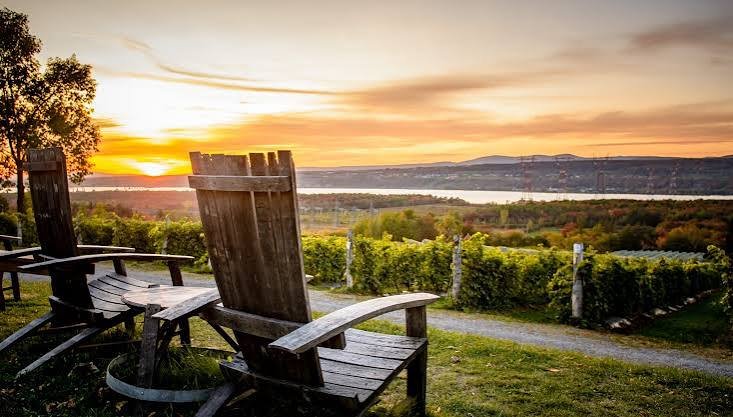
Île d'Orléans (fall)
A few kilometres from Quebec City, Île d'Orléans is a genuine historic jewel of the St. Lawrence, often described as the cradle of French America. Discovered by Jacques Cartier in 1535 and settled soon after, it ranks among the oldest inhabited places in New France, hence its rich architectural and cultural heritage.
With its six picturesque villages, its old houses and its rolling landscapes, the island offers a singular rural setting where 95% of the territory is still farmland, producing strawberries, apples, vegetables, ciders and other artisanal specialties that have made its culinary reputation.
Thirty-four kilometres long and reached by the island bridge, it is easily explored by following the Chemin Royal, which hugs its shores and reveals superb views over the river. Designated a heritage site of Quebec, the island charms as much through its history as through its peaceful way of life.
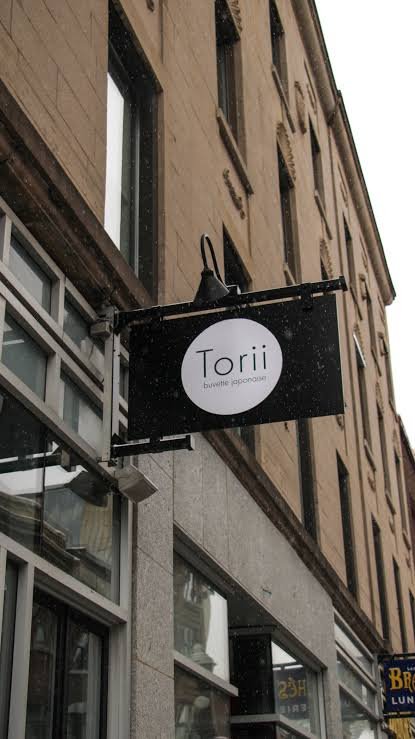
Torii Izakaya
At 771, rue Saint-Joseph Est, in the heart of the Saint-Roch neighbourhood, Torii Izakaya is a Japanese buvette that has been open since July 2018. Two co-owners are its heart and soul: Alexanne Grenier, chef and driving force of the project, and Véronique Côté, who looks after the dining room, the administration and events.
The idea of an izakaya grew out of Alexanne's travels and work experiences. Is it a "real" izakaya? A little yes, a little no, and that is what makes the place interesting: the cooking draws on Japan, with French and Quebec accents. The Michelin Guide describes it as an izakaya "in the best sense of the term": a long, narrow room, semi-open kitchens, a counter bar and a few tables, designed for small plates to share.
At lunch, the menu offers bentos, dumplings, karaage and takoyaki, among other things. In the evening, the chalkboard joins the menu with a handful of market dishes featuring more refined ingredients, such as eel or bluefin tuna. Dumplings come up in nearly every review, and we tried the beef and the fish ones.
As for drinks, the house relies on a large selection of privately imported sakes and other Japanese drinks, such as umeshu, the plum "wine", along with local beers, a carefully chosen wine list and original cocktails. That is precisely what made us want to go all the way to a sake tasting.
For our evening, we chose several small plates to share, listed below, along with a sake tasting and a few glasses of wine. For us, a true favourite.
The atmosphere is also worth the detour: a dark, warm setting, where one wall bears a large street-art mural signed by the artist MC Grou, in fluorescent colours inspired by Japan. You can sit by the windows, at the long counter or at the back, near the kitchen.
Recognition came in spring 2025, with a Bib Gourmand mention in the Michelin Guide, which rewards good restaurants at reasonable prices. It was renewed in the 2026 Michelin Guide Canada. Prices fall in the $$ category.
Good to know: the restaurant is open Monday to Saturday and closed on Sunday. Saturday hours differ from weekday hours, so check them before you go. Reservations are recommended, especially for groups. Telephone: 581 981-8674. Website: toriiizakaya.ca.
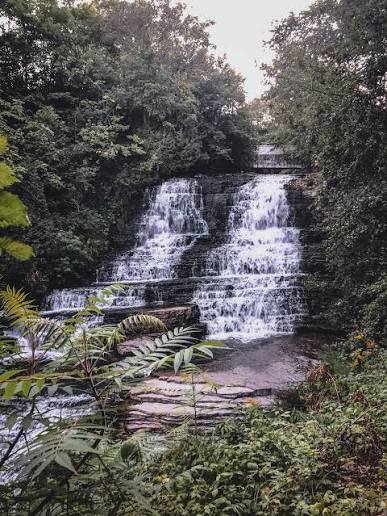
Quebec City (Summer-3)
Quebec City is the capital of the province of the same name and one of the oldest cities in North America, founded in 1608 by Samuel de Champlain. Thanks to its centuries of history, its remarkable architecture and its exceptional natural settings, it remains an emblematic place in Canadian heritage. Its surroundings are full of natural spots where the hiking is exceptional.
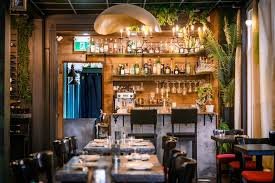
Le Bosquet
At 56, boulevard René-Lévesque Ouest, right in the heart of the Montcalm neighbourhood and a few steps from avenue Cartier, Le Bosquet moved into the former premises of the restaurant La Goulette in the spring of 2026. This French gastro-bistro is the project of chef and co-owner Francis Nadeau-Bourque and his partner Mack Harshaw — and it's one of the year's fine arrivals in the area.
The name wasn't chosen at random. The chef likes to see his restaurant as a "very small place, a little hidden, like a grove keeping quiet in the forest." It has to be said that the storefront doesn't jump out at you from the boulevard: "We're not necessarily the most visible restaurant on the street. We're slightly hidden, but that goes well with the idea of a discreet grove!" Keep an eye out — the greenery at the entrance will put you on the trail.
Behind the stove, a solid track record. Francis Nadeau-Bourque has spent more than 17 years in the Quebec City restaurant world: from dishwasher at Pub Saint-Patrick, he went through the kitchens of Chez Boulay, Bistro B and L'Orygine, then held the chef's post at Alphonse before launching his own project. His intention is clear: to give French cooking a fine place again in Quebec City, in a town where Italian dominates by a wide margin. Rich, flavourful cooking, learned alongside French chefs, but with a good measure of Quebec terroir.
For our part, we stuck to the apéro — and we came away won over. The signature cocktail was excellent, and that doesn't surprise us: the house mixology comes up constantly in customers' comments, often described as incredible. This is clearly a place where the bar is treated with as much care as the kitchen.
We paired it with a platter of 10 oysters, very well executed too: fresh, cleanly shucked, served with just the right accompaniments and nothing overdone. The kind of platter that shares well early in the evening, elbows on the counter.
In short, a fine find for a 5 à 7 in Montcalm, and an address we want to come back to and taste the full menu next time. Le Bosquet serves dinner Tuesday to Sunday (5 p.m. to 10 p.m.) and lunch Thursday to Saturday (11:30 a.m. to 2 p.m.). Closed Monday.

Quebec City (Summer-2)
Quebec City is the capital of the province of the same name and one of the oldest cities in North America, founded in 1608 by Samuel de Champlain. With its centuries of history, its remarkable architecture and its exceptional natural surroundings, it remains an emblematic place in Canadian heritage. The country around it is full of natural spots where the hiking is outstanding.

Charlevoix (Summer)
The Charlevoix region, set between the St.‑Lawrence River and the mountains of the Canadian Shield, is known for its spectacular landscapes, its picturesque villages and its rich cultural heritage. You'll find grand nature there, a renowned local cuisine and an authentic way of life. Charlevoix is an ideal destination for anyone who loves the outdoors, relaxation and discovery.

Auberge & Bistro Chez Truchon
Tucked into the charming residential neighbourhood of Pointe-au-Pic, in La Malbaie, the Auberge & Bistro Chez Truchon is one of the finest dining addresses in Charlevoix. Housed in a magnificent century-old stone house — a witness to 19th-century well-to-do summer life, back when Pointe-au-Pic had a golf course and a casino — it is led by chef Dominique Truchon and enjoys a recognition it takes pride in: recommended by the Michelin Guide and even mentioned in a New York Times article about Charlevoix!What makes Chez Truchon's name is its resolutely locavore cooking, in perfect harmony with the Charlevoix countryside. The chef puts the region's riches front and centre: duck from the Ferme Basque in Saint-Urbain, PGI lamb from Saint-Hilarion, smoked sturgeon from the Saint-Irénée fishery, organic vegetables from Saint-Aimé-des-Lacs, oyster mushrooms from the local mushroom farm and a fine variety of cheeses. A genuine culinary map of Charlevoix on every plate! The cooking, modern and carefully done, blends French traditions with country recipes — like onion soup revisited with beer and local cheese, or pouding chômeur with maple cream. All of it accompanied by an evolving wine list and an intimate atmosphere, with fireplaces in winter and a terrace in summer. A little extra that makes all the difference: the inn also has a lounge restaurant that won gold at the Grands Prix du Design (L'Île Mystérieuse), a free museum space devoted to Jules Verne, an art gallery and the Boutique Charlevoix devoted to local craft, as well as a line of Truchon products for the home. In short, you can extend the dining experience well beyond the meal! Whether for a romantic dinner, a Sunday brunch or a special occasion, Chez Truchon is an address to put on your must list when passing through La Malbaie. A dining experience worthy of the beauty of Charlevoix!

Théâtre Petit Champlain
At 68, rue du Petit Champlain, right in the heart of the oldest commercial district in North America, stands one of the most endearing cultural venues in Quebec City: the Théâtre Petit Champlain. True to its mission of showcasing French-language song, comedy, music and theatre, this hall offers a program as broad as it is varied — close to 70 musical shows a season, on top of theatre, dance and children's shows. It's really the magic of the room that makes every evening unforgettable. With its layout of 140 seats in cabaret mode or 230 places standing, and its mezzanine offering rows of 90 seats on a raked floor, the hall is perfectly designed to create a rare closeness with the performers. As one critic put it so well: "we already had that sense of an almost intrusive closeness with what was about to unfold." You feel every breath, every nuance, every glance from the performers — it's a relationship to live art that gets lost in the big halls. The atmosphere is warm, almost like family: in the welcoming intimacy of the Théâtre Petit Champlain, you take in shows that are at once simple, alive and deeply human. A bare stage, an attentive audience, energy racing back and forth between the artists and the crowd — it's a genuine communion, of the kind you only find in the finest small European halls.