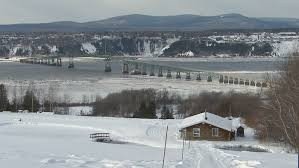
Sainte-Pétronille (the "tip of the island")
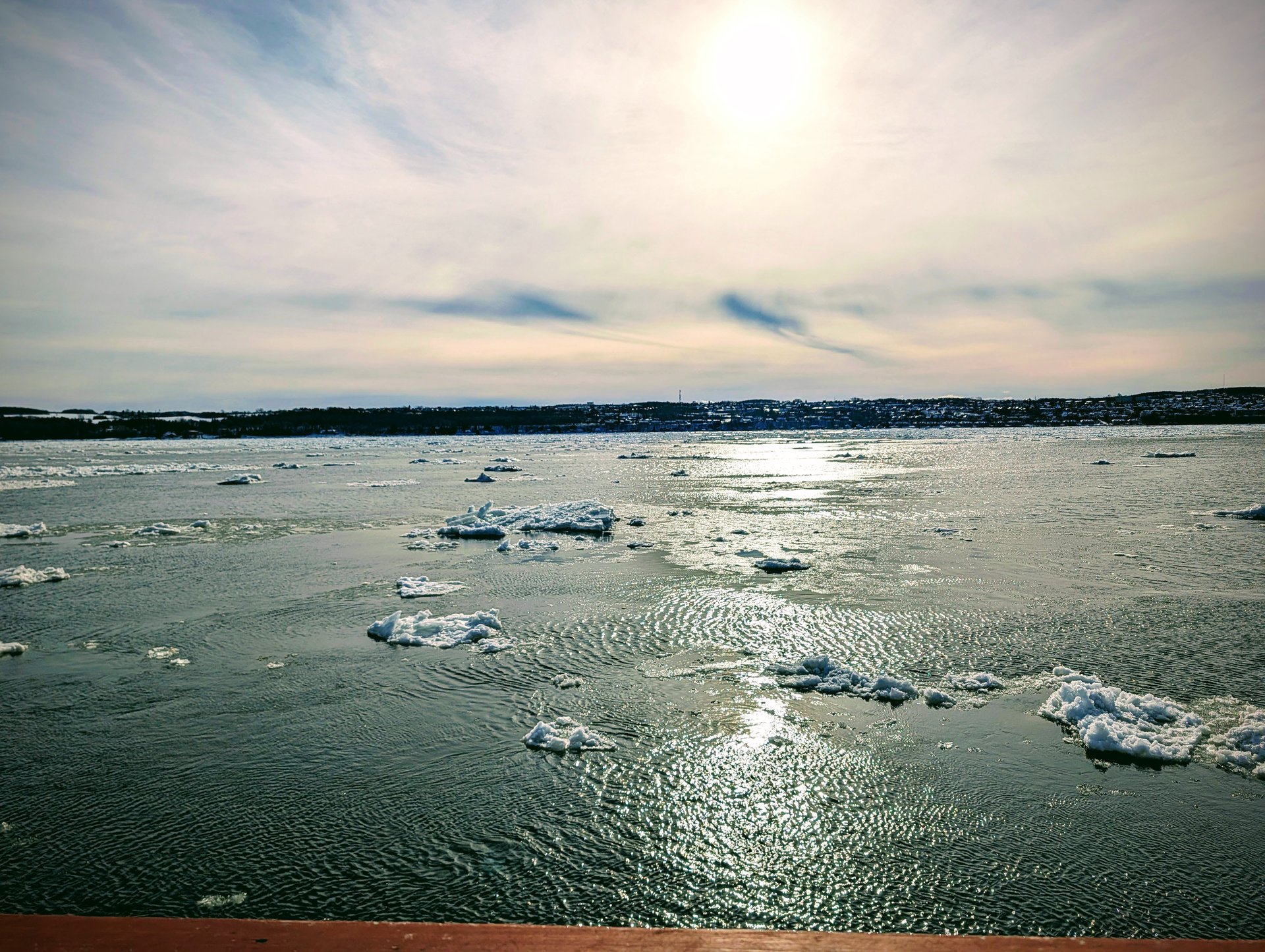
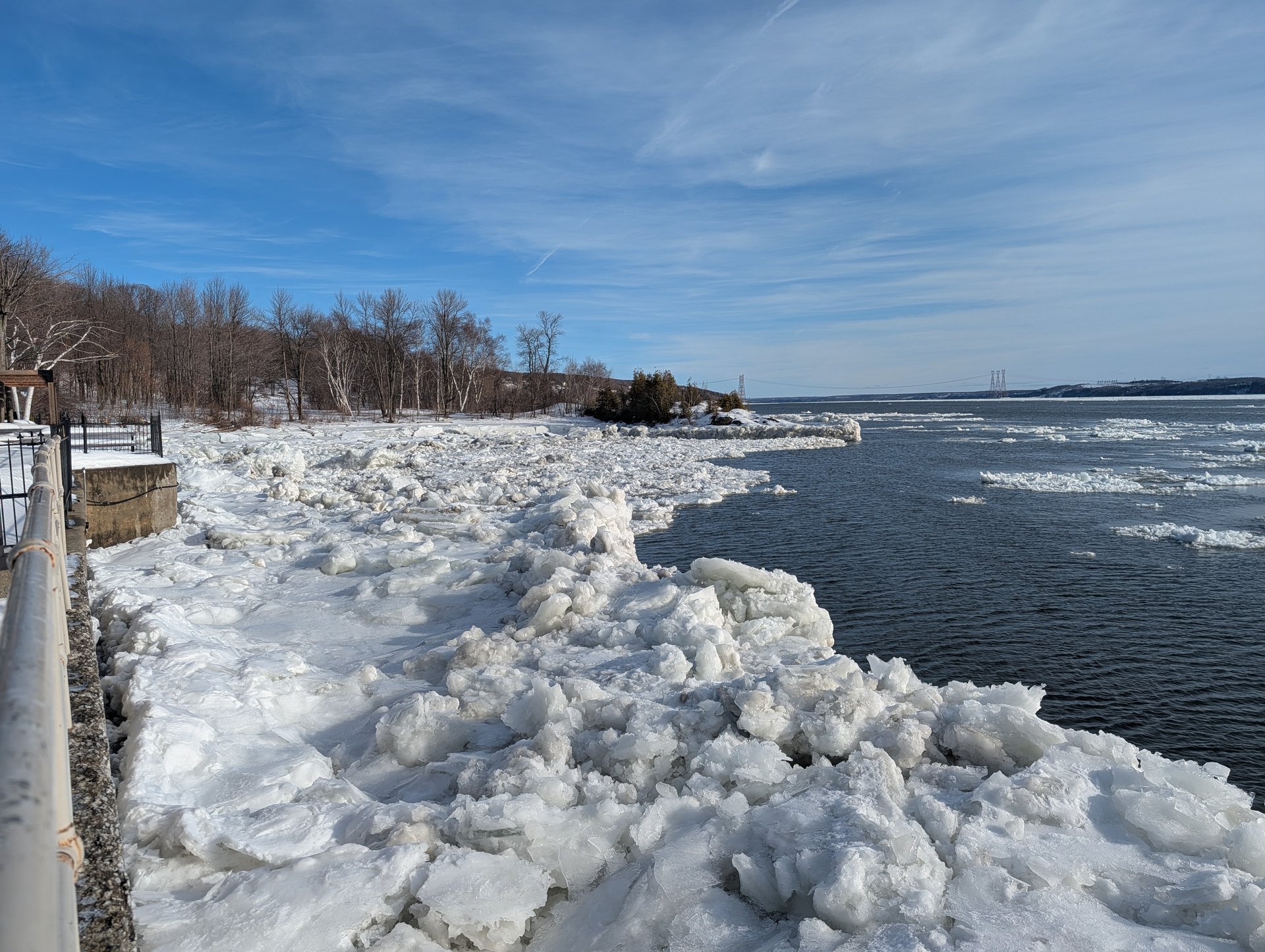
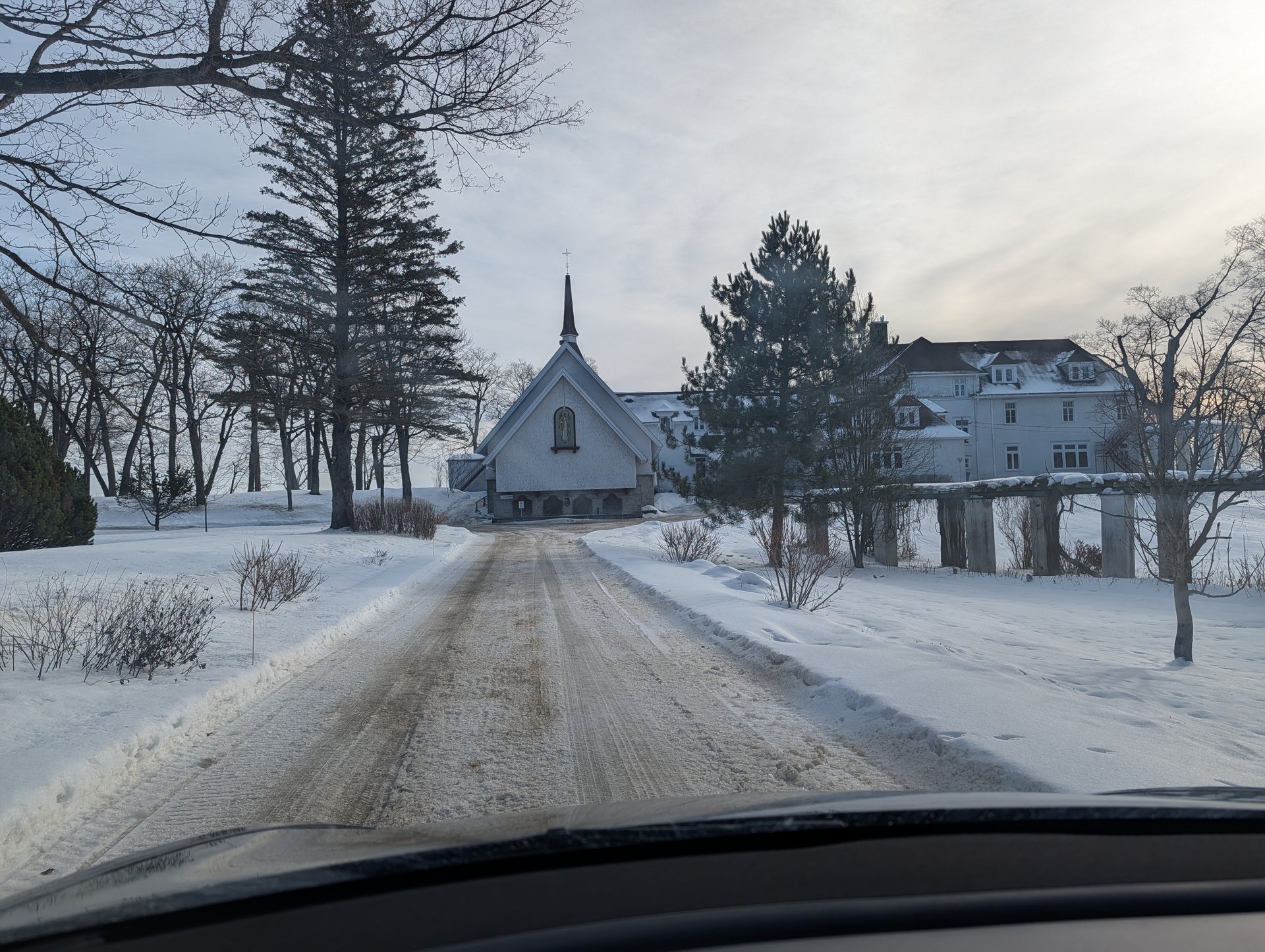
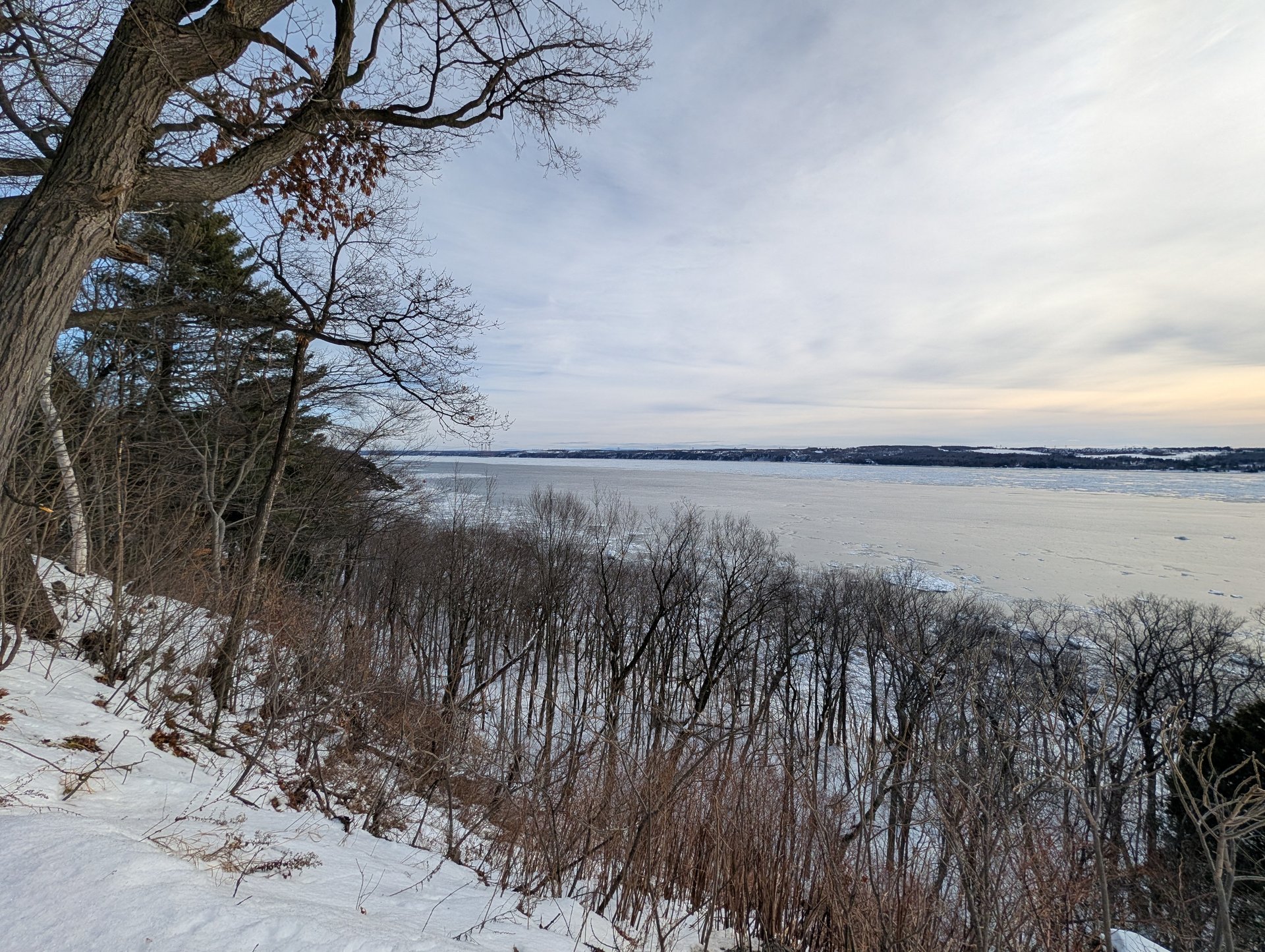
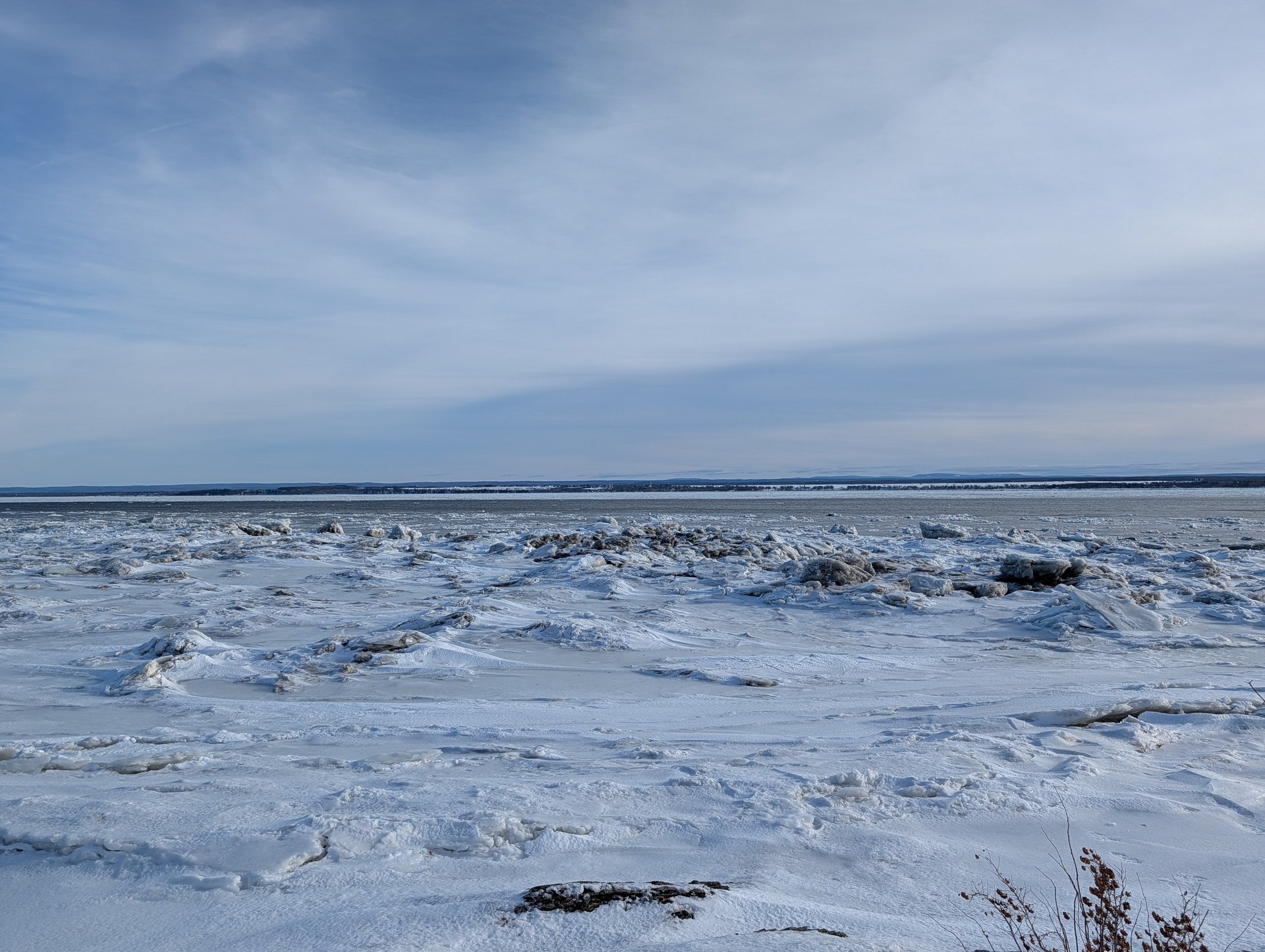
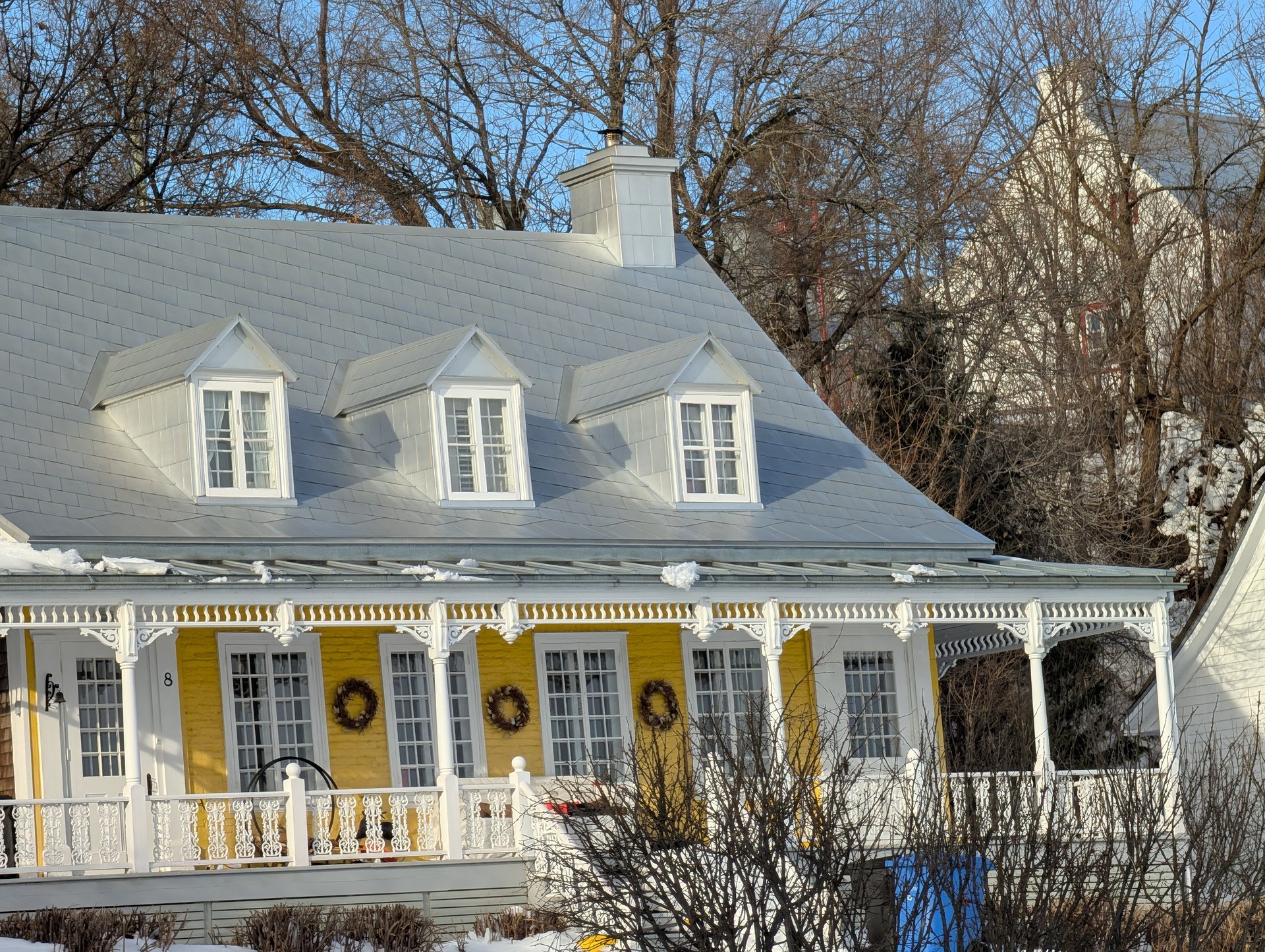
Sainte-Pétronille is both the youngest village on the island (founded in 1870) and the first place permanently occupied by Europeans, as early as 1648. Set on the southwestern point, it offers a grand panorama over Vieux-Québec, Lévis, Montmorency Falls and Baie de Beauport. A member of the Association des plus beaux villages du Québec, it is home to the oldest golf course in North America, an Anglican chapel and magnificent cottage-style residences.
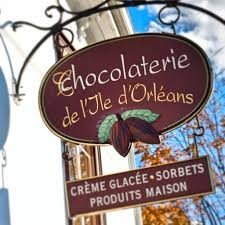
La Chocolaterie de l'Île d'Orléans
A fixture of the island since 1988, the Chocolaterie occupies an ancestral house more than 200 years old at 8330 chemin Royal. Chocolates are made here by hand from Belgian chocolate, with no additives. The star products include truffles, chocolate-covered cherries, pralines and maple butter. The shop is open year-round.
L'Anse du Fort
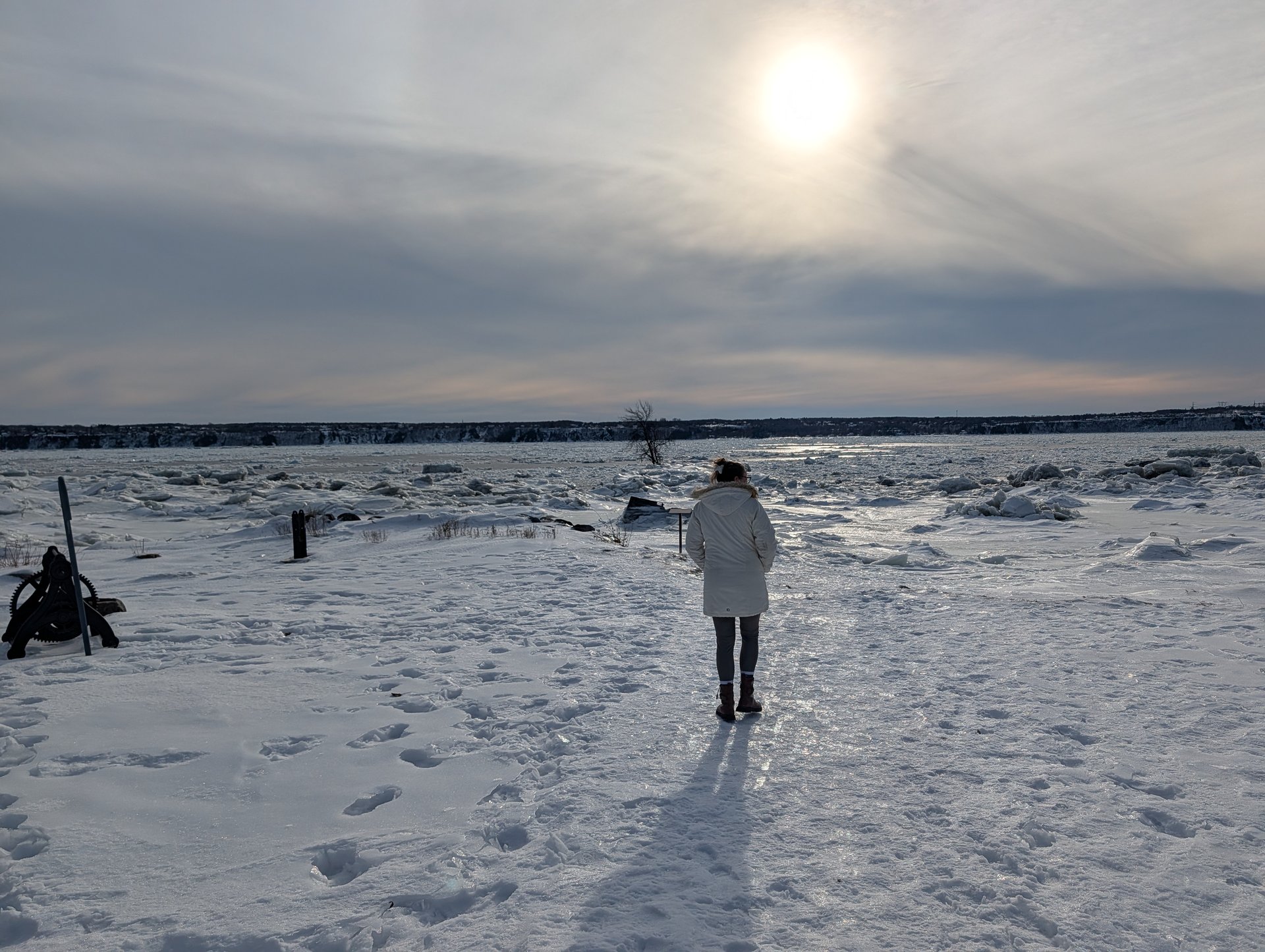
This historic spot at the tip of the island is steeped in history. It was here, in 1651, that roughly 400 Hurons took refuge with the help of Jesuit missionaries, fleeing Iroquois attacks. They built a fort guarded by cannons and renamed the island "Île-Sainte-Marie." Unfortunately, the Iroquois found them and attacked the Huron village in 1656.
In the 19th century, L'Anse du Fort became a major shipbuilding site. In 1824–1825, the ships Columbus and Baron of Renfrew were built here, considered the largest wooden ships of the 19th century. In 1855, a 150-foot wharf was built by the notary H. N. Bowen, allowing the first regular steamboat crossings to Quebec City. Today, interpretation lecterns at the wharf tell this rich history. The view of Quebec City and Lévis from the wharf is spectacular.
Le Domaine Porteous
This sumptuous estate bears witness to the golden age of well-to-do summer life in Sainte-Pétronille. Charles Porteous, a businessman, shipowner and financier of Scottish origin (from a family among the founders of the Bank of Montreal), had this villa built on the point of Sainte-Pétronille around 1900. With his wife Frances and their 11 children, they spent every summer here. The estate included magnificent Italianate gardens overlooking the St. Lawrence, tended by five gardeners.
Illustrious figures stayed here: Roosevelt and Churchill came in 1943, and governors general took refuge here to escape the heat of the Citadelle. The painter Jean Paul Lemieux gave painting classes here. After the family left in the 1950s, the estate became a Foyer de charité (silent retreats). Designated a heritage object, it offers guided tours in summer.
La Roche Maranda
The Rochers Maranda rise out of the cove by the Porteous estate, about 200 metres from the Sainte-Pétronille shore. The name "Maranda" in fact designates four geographic features on the island: a cave, a rock, a point and a cluster of rocks. These names are tied to the pioneer Jean Maranda (1629–1711), a landowner on the island in the 17th century. La Roche Maranda itself is an erratic boulder located close to the chemin Royal.
And it is also the site of our little car mishap... a memory we are not about to forget! In winter, you see, we were not wary enough of the shoulder and got ourselves stuck in the ditch, hidden under the snow!!
St Laurent
The site of the Parc maritime and the chalouperie Godbout
The Musée maritime de l'île d'Orléans (formerly the Parc maritime) is a museum accredited by the Ministère de la Culture et des Communications. It stands on the site of the former Chantier maritime de Saint-Laurent, founded in 1911 by Ovide Filion (the largest on the island, active until 1967).
The gem of the site is the chalouperie Godbout, a historic building dating from 1837–1838 and classified as cultural property. The Godbout family was a dynasty of rowboat builders established on the island since the 17th century. In 1989, in a spectacular operation, the chalouperie was moved by barge along the river to its current location at the Parc maritime — every stone of the foundation was numbered and put back exactly as it had been!
Inside, you discover an impressive collection of heritage tools and reproductions of period rowboats. The interpretation centre tells the story of shipbuilding on the island. The outdoor site includes the Forêt des lisses, the tugboat R.F. Grant and an unobstructed view over the river.
St Jean
The village of chiselled ornament
Saint-Jean stands out for its remarkable row of mid-19th-century neoclassical houses along the chemin Royal, which follows the river for 15 km. These houses are marked by the regularity of their openings and their carefully worked decorative ornament — chiselled details typical of the Quebec neoclassical style, with extended eaves, elaborate galleries and fine woodwork. Together they form one of the finest heritage corridors in all of Quebec.
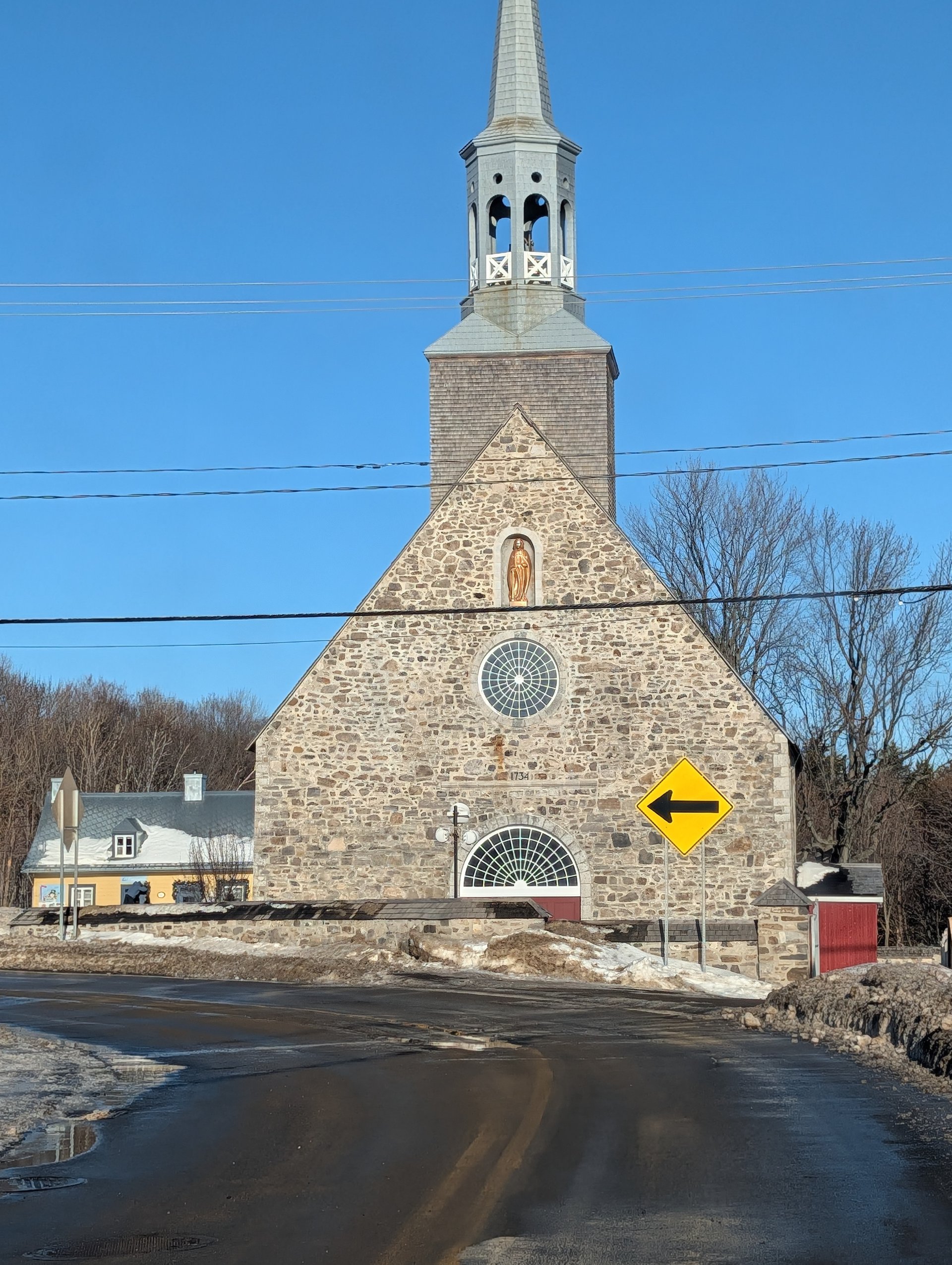
The church of Saint-Jean (1734–1737), designated a heritage building in 1957, is one of the ten oldest churches in Quebec. Its interior is richly ornamented by the sculptors André Paquet (after drawings by Thomas Baillairgé), David Ouellet, Louis Jobin and Joseph Dion. The Manoir Mauvide-Genest, also built in 1734 and heritage-designated, bears witness to the seigneurial style of the French Regime. The seaside cemetery next to the church offers a moving view over the river.
St Francois
La Fromagerie Ferme Audet
La Fromagerie Ferme Audet occupies the old presbytery of Saint-François, a few steps from the church. It produces several varieties of artisanal goat cheese and stands out for its soft-serve goat's-milk ice cream — a specialty unique in the region. The shop also carries artisanal soap-making products: creams, body-care balms and soaps scented with essential oils and fruit.
Ste-Famille
The church and the presbytery
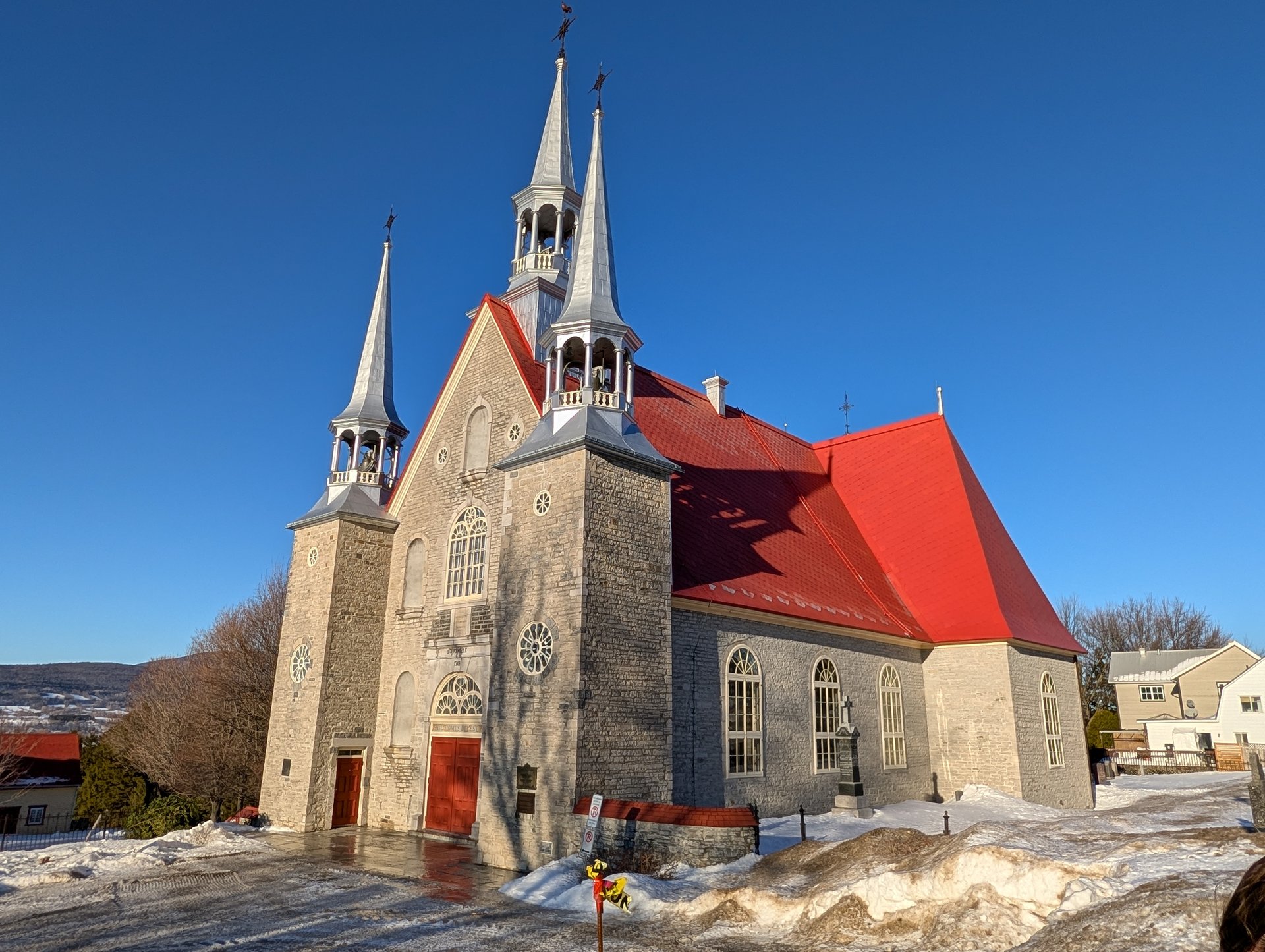
The church of Sainte-Famille (1743–1747) is an exceptional witness to the religious architecture of the French Regime, designated a heritage building in 1980. It is one of only three surviving Latin-cross-plan churches from that period in Quebec. Its monumental façade, unique in the country, is flanked by two square towers and crowned with three steeples — it is the only church in Quebec with three steeples on its façade, and the oldest two-towered church in Canada.
The interior is of remarkable artistic richness, blending two major stylistic influences of 19th-century Quebec. The false vault, ornamented with coffers and floral motifs, was made by Louis-Basile David in 1812. The reredoses are the work of Thomas Baillairgé. The church also holds a large painting of the Holy Family made by Brother Luc (Claude François), a Recollect artist, during his stay in New France in 1670–1671.
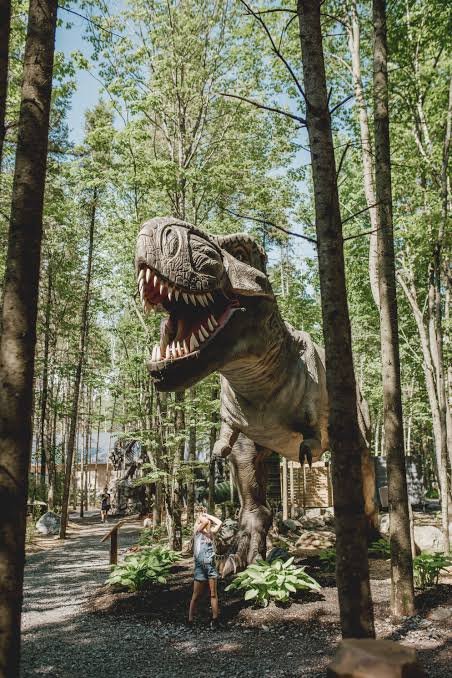
The former presbytery now serves as an interpretation site under the name Maison de nos Aïeux, devoted to genealogy and family history. A magnificent theme park adjoins this historic ensemble. Nearby you also find the former convent of the Sœurs de la Congrégation de Notre-Dame (1685), as well as a heritage-designated processional chapel.
St-Pierre
The grave of Félix Leclerc
Félix Leclerc (1914–1988), the greatest Quebec songwriter and poet, a pioneer of poetic song, built his house in Saint-Pierre in 1969 and lived there nearly 20 years until his death on August 8, 1988. The island had bewitched him from a first stay in 1946 and he devoted some of his finest work to it, including Le Tour de l'île.
His headstone is in the Saint-Pierre cemetery and is easy to spot: admirers leave shoes on it, a touching nod to his famous song Moi, mes souliers. His ashes were scattered over the island, but the memorial remains a place of pilgrimage for Quebecers. You can also visit the Espace Félix-Leclerc (1214 chemin Royal), whose permanent exhibition retraces his life and work with listening stations.
The oldest church in Quebec
The former church of Saint-Pierre is recognized as the oldest rural church still standing in Quebec. The parish was founded in 1679 and the stone church built between 1717 and 1719. It is a designated heritage building. Its interior is sumptuous: the tabernacle and the tomb of the high altar were carved by Pierre Émond in 1795, and the interior decor was made by André Paquet after plans by Thomas Baillairgé between 1831 and 1849.
Unusually, two churches stand side by side in Saint-Pierre: the old one, along the chemin Royal, and a modern church built set back from it in the mid-20th century (1955). The old church is open to visitors in the summer season and is a singular testimony to early-18th-century Quebec religious architecture.
Cassis Monna & Filles
Located at the entrance to the island, the Cassis Monna & Filles estate has combined passion and innovation since 1992. This five-generation family business grows blackcurrants on more than 22 hectares and produces upwards of 85,000 bottles of fine spirits a year. Their Crème de Cassis won the gold medal at the European competition in Ljubljana in 1995, and the business has collected numerous international awards since.
What you find there:
- The wine cellar and gourmet shop: tastings of crèmes, wines, vodkas, syrups, vinaigrettes, jams and blackcurrant mustards
- The Économusée de la liquoristerie: discovering the secrets of growing and processing blackcurrants
- The restaurant La Monnaguette (in the summer season): a spectacular terrace overlooking the island bridge and the river, where blackcurrant appears in every dish
- The artisanal ice cream counter: 18 flavours of gelato and sorbet, including the famous vanilla-blackcurrant soft serve whose reputation travels for miles!