Lake Champlain and its islands
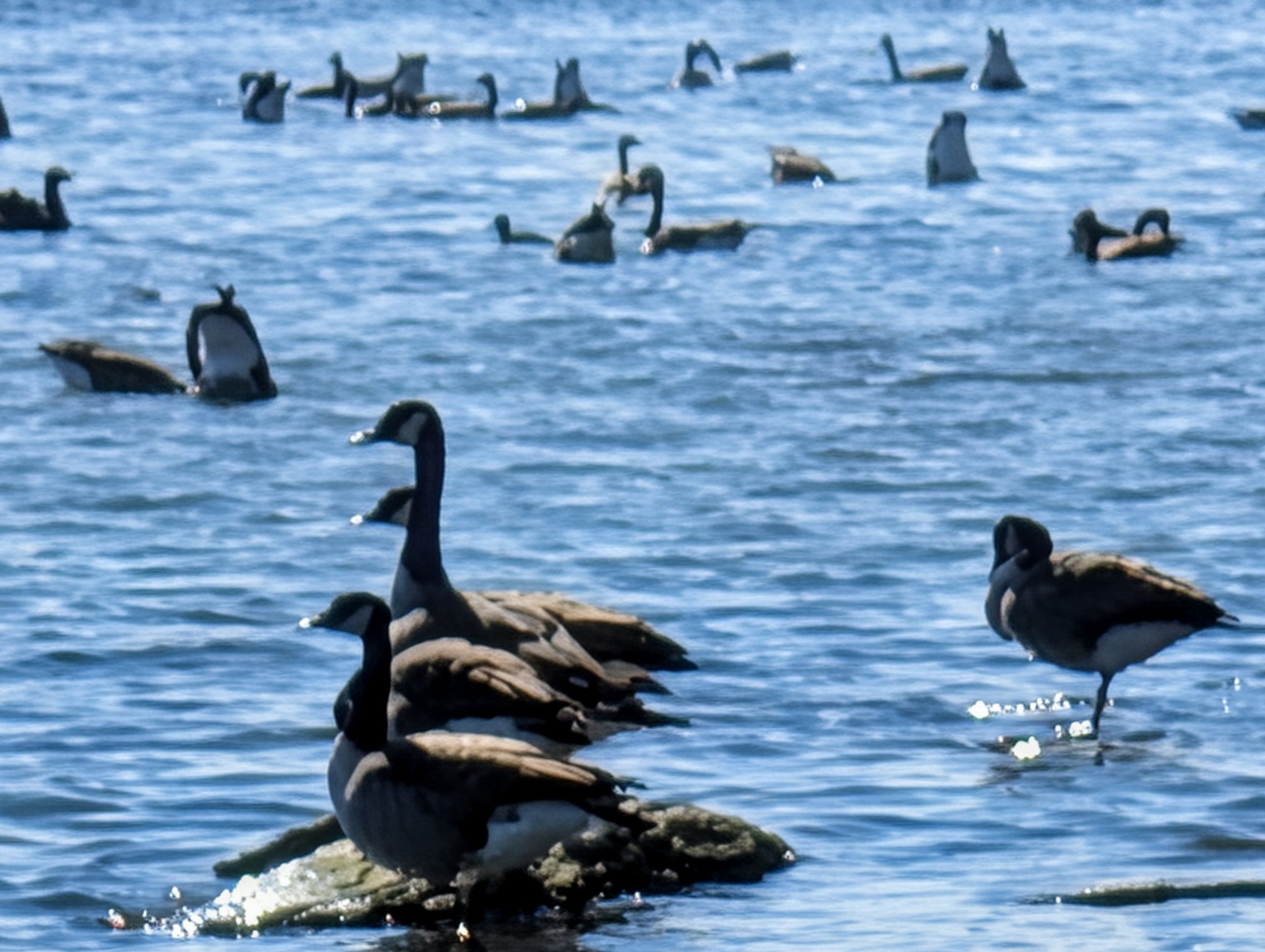
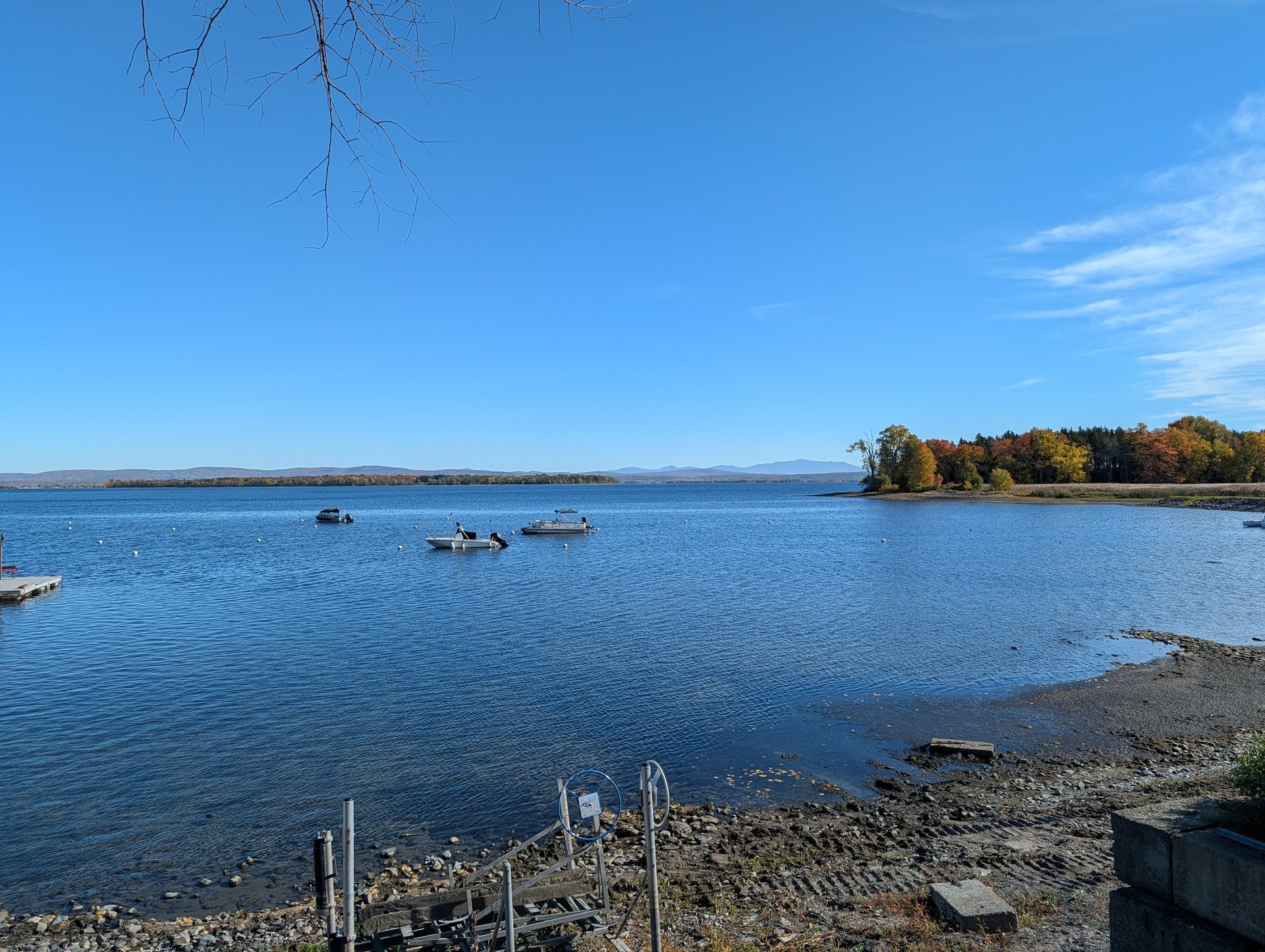
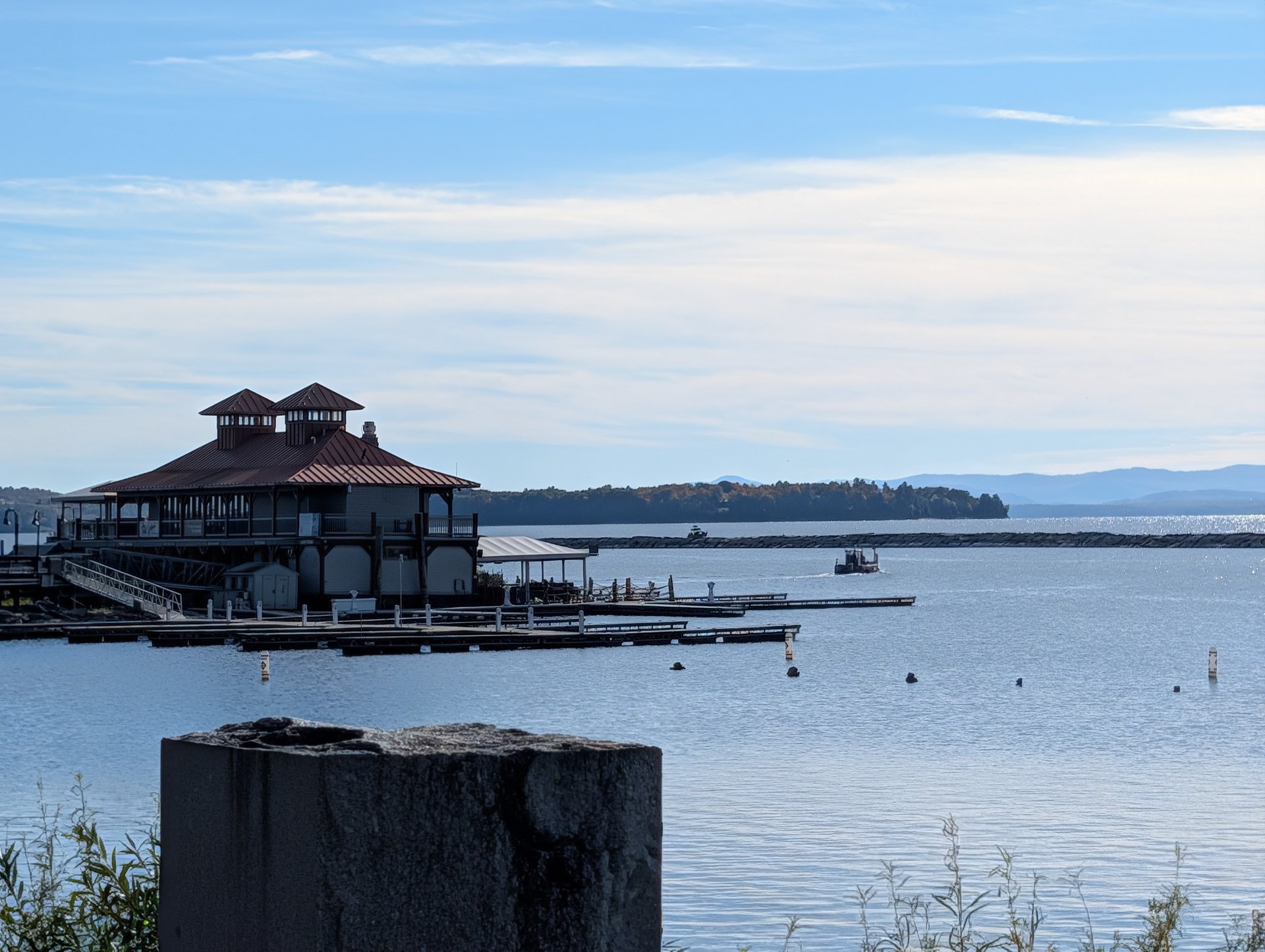
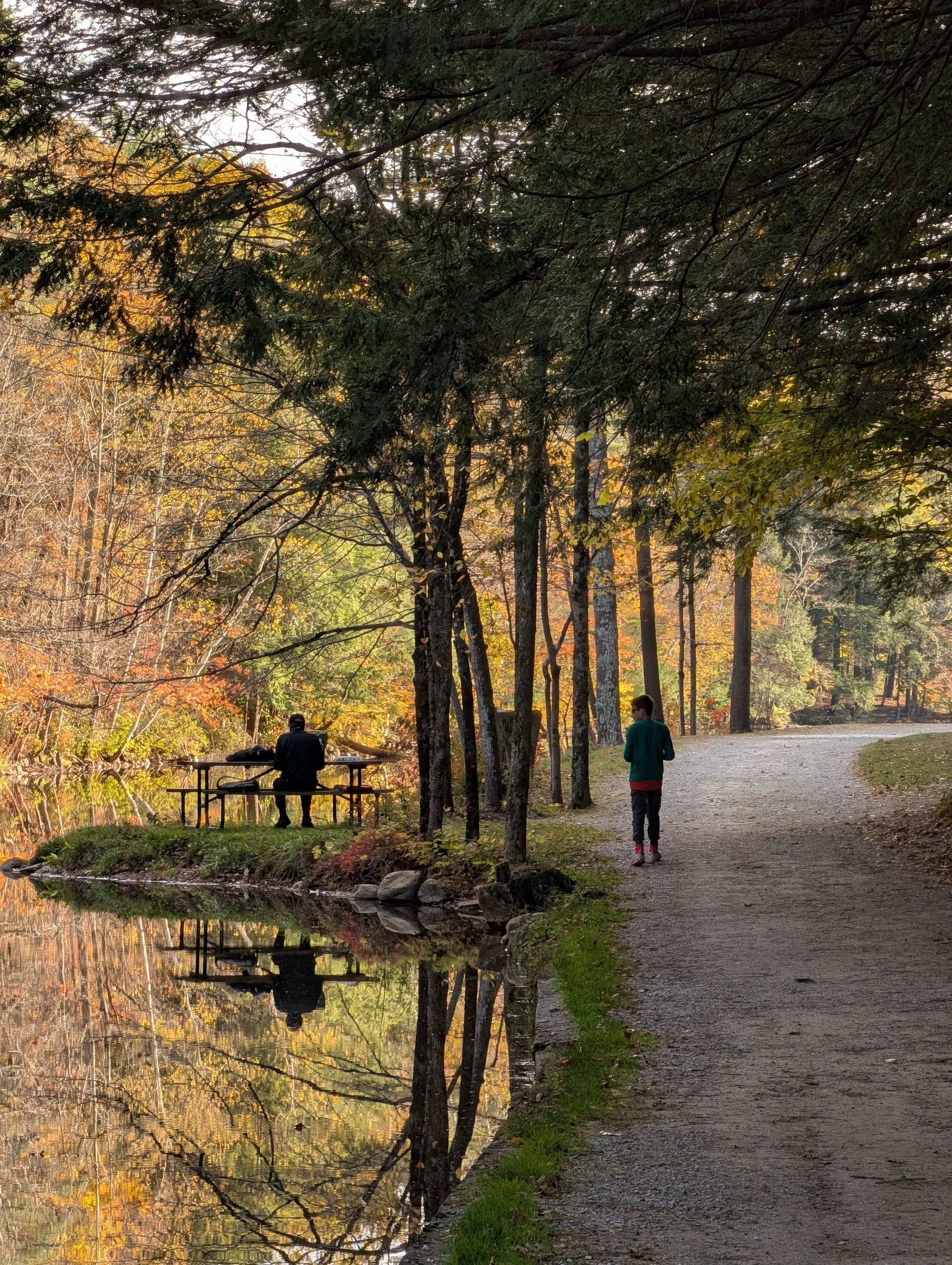
Lake Champlain is a large lake straddling the border between Canada and the United States. Its expanse lies essentially in the American states of Vermont and New York, while its two northern ends are in Quebec. Covering 1,269 km2, it is the sixth largest body of water in the United States. We learned that it was Samuel de Champlain who went up the Richelieu River, rather than the St. Lawrence, and discovered this lake, giving it his name on July 14, 1609. Magnificent scenery, and a stop at the water's edge for a picnic. All of it with Canada geese as far as the eye could see!
Burlington
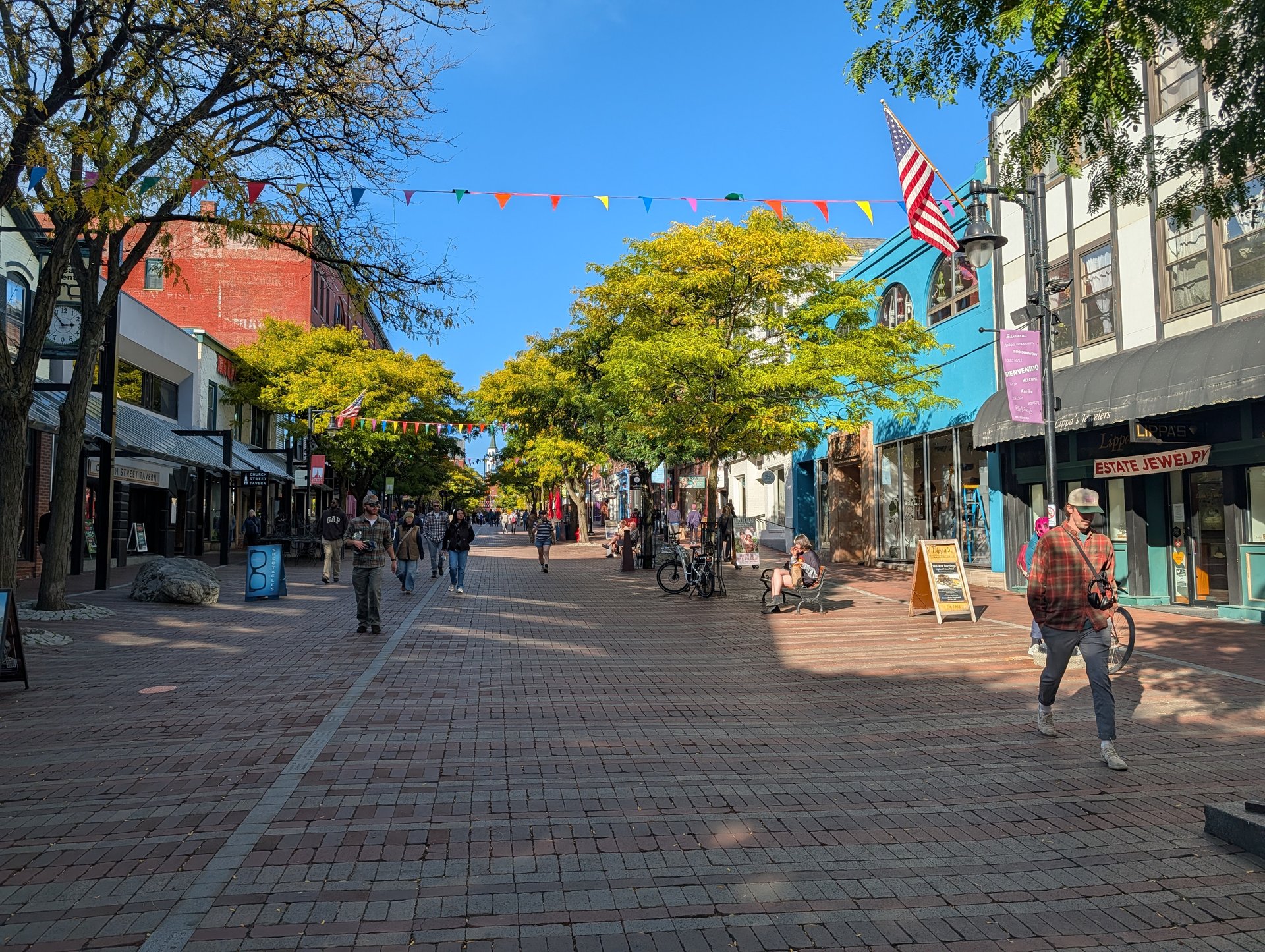
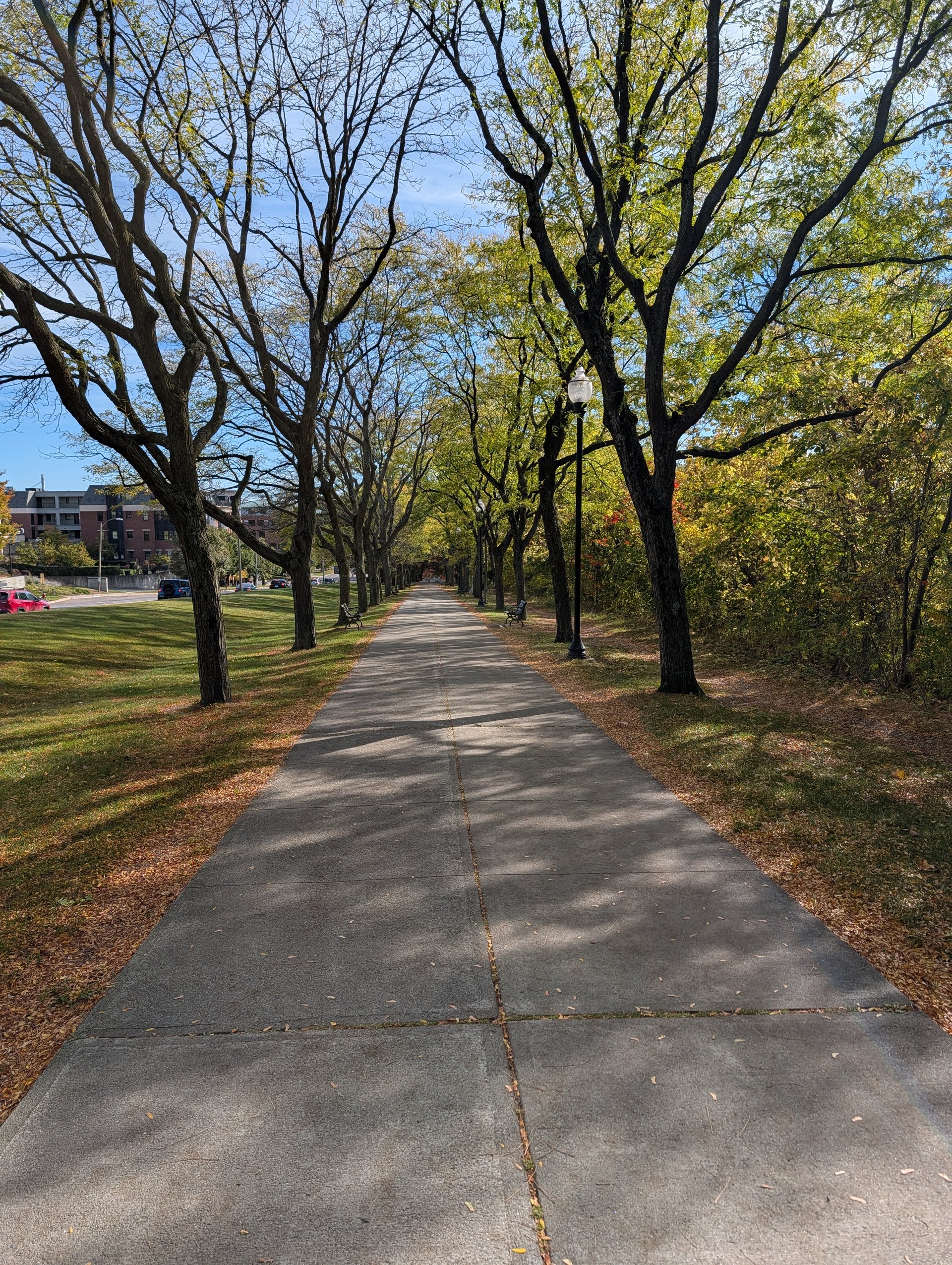
Burlington is a small city on the shore of Lake Champlain, in northwestern Vermont. It's home to a university founded in 1791. The Church Street Marketplace is a charming pedestrian street, and the walk along Waterfront Park is a must.
Woodstock
The small town of Woodstock is in Windsor County. It has 3 historic covered bridges, and its downtown has kept all of its old-time character, with an art gallery, a bookstore and a craft pottery. It's a town with a great deal of architectural richness.
The covered bridges
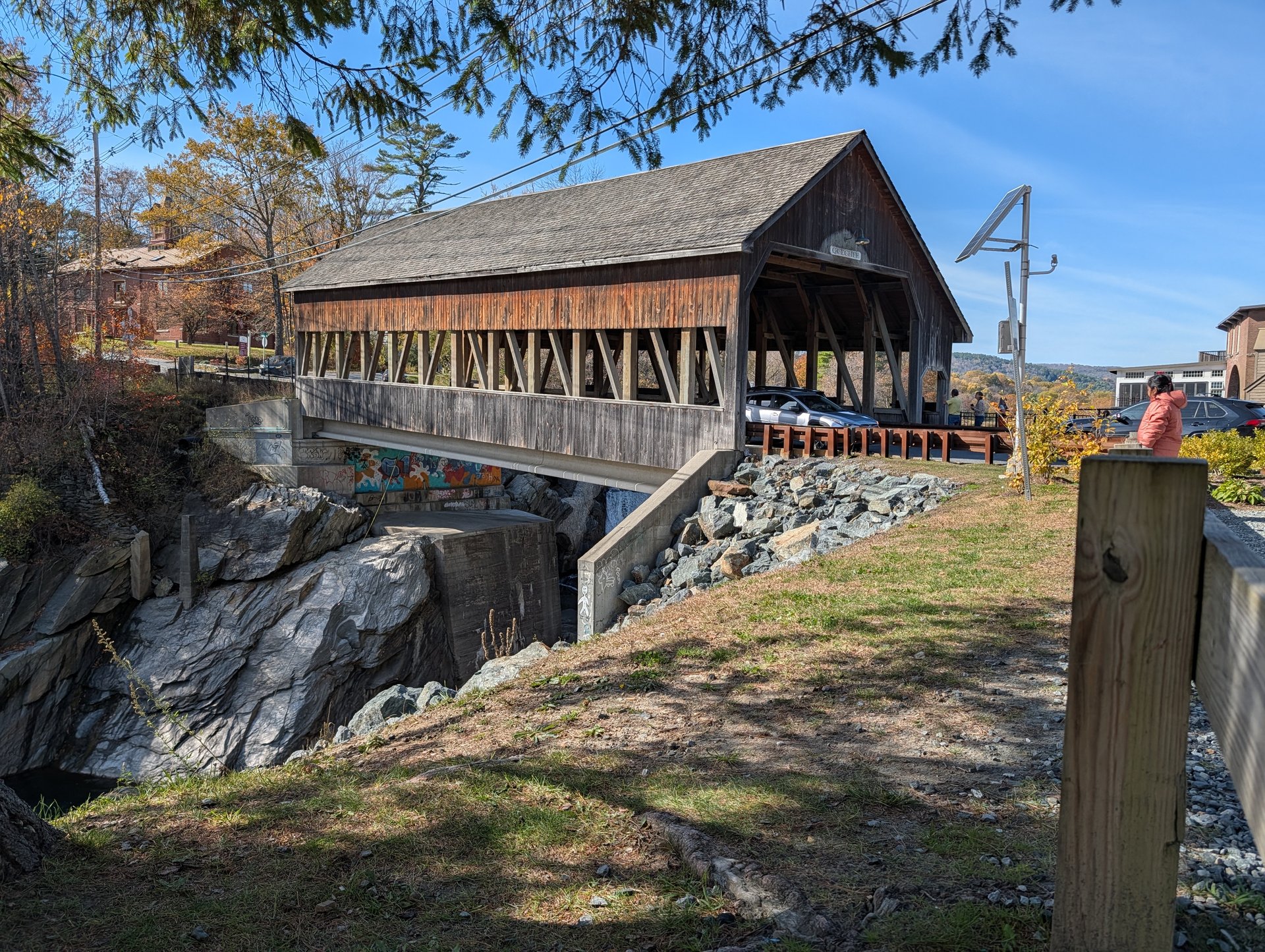
Vermont counts more than 100 authentic covered bridges, 90 of which are on the National Register of Historic Places, which gives the state the highest concentration per square kilometre in North America. We saw the ones at Quechee and Arlington. Covered bridges were built this way for several reasons, practical and economic: protecting the wood from the weather, the low cost of wood and its availability, safety and comfort (since people crossed on horseback and by cart), structural stability, tradition and aesthetics.
The Bennington monument and Monument Avenue
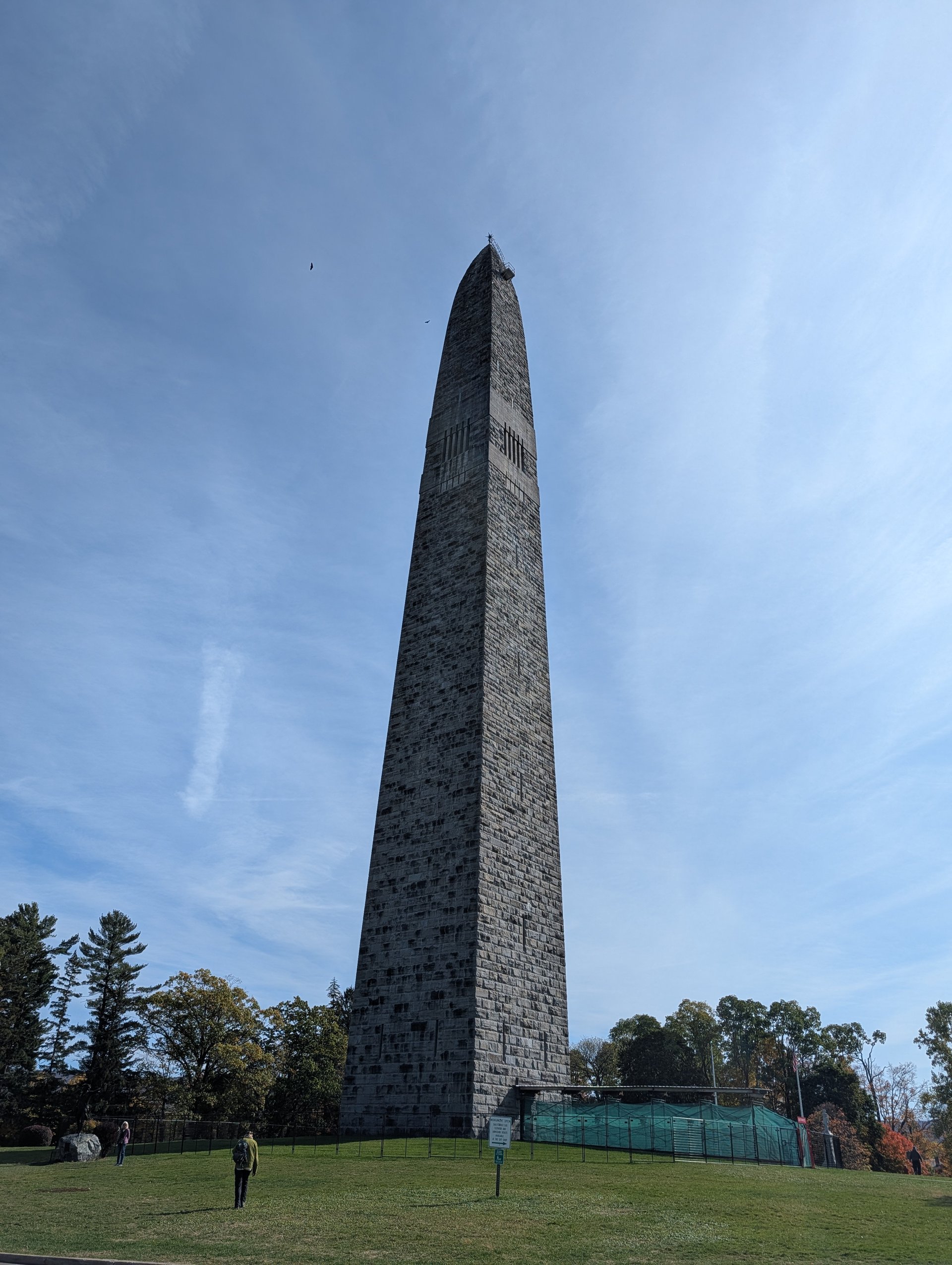
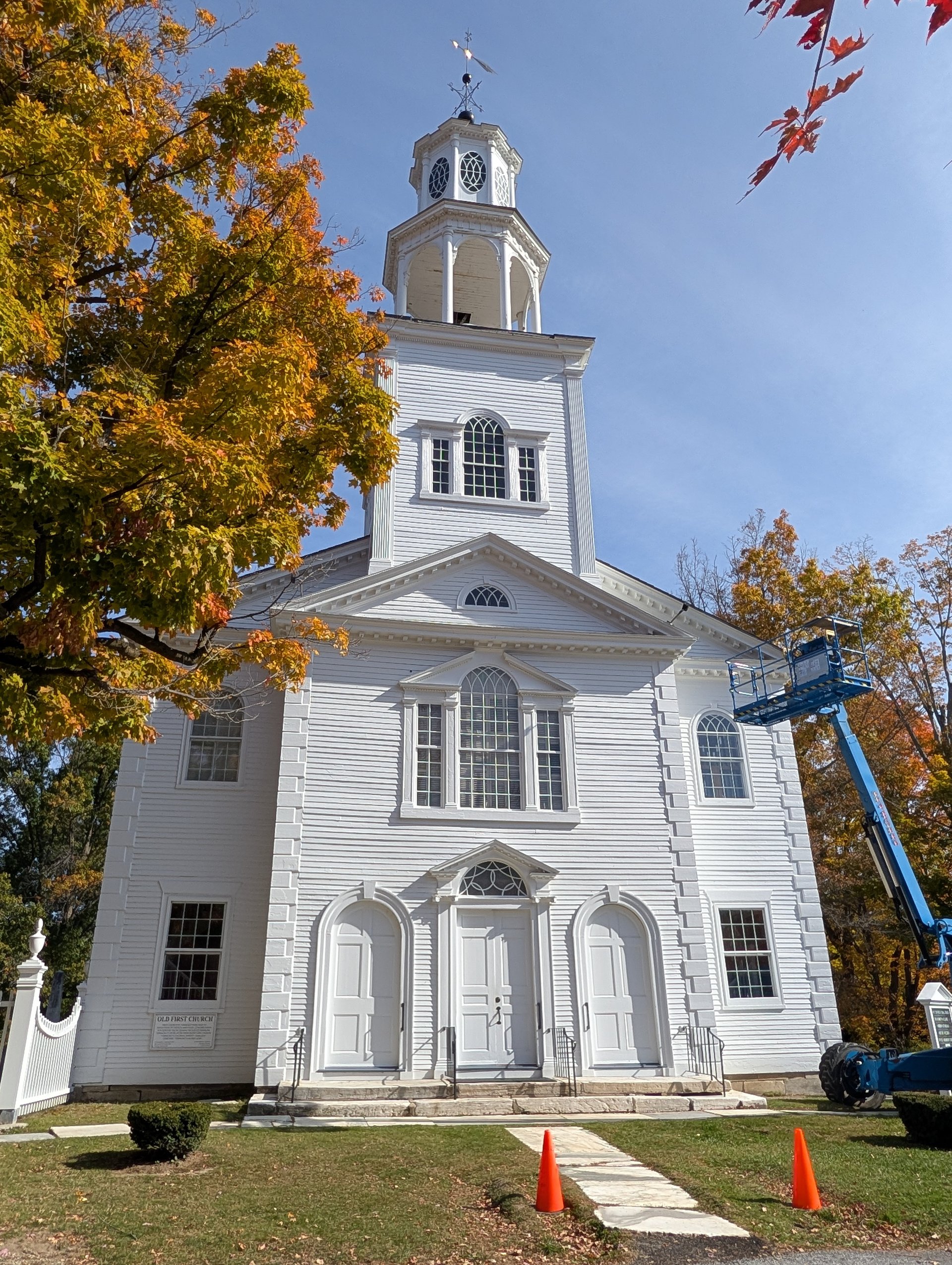
In southwestern Vermont, Bennington is worth the trip, as is walking up Monument Avenue to discover the Old First Church, a Protestant church built in 1805, its cemetery containing the grave of Robert Frost (the poet), and its imposing heritage houses. At the end of your walk, you'll find the impressive Bennington Battle Monument, a 93-metre obelisk built in tribute to the battle of 1777. You can climb it to take in a panoramic view over 3 states.
Emerald Lake State Park
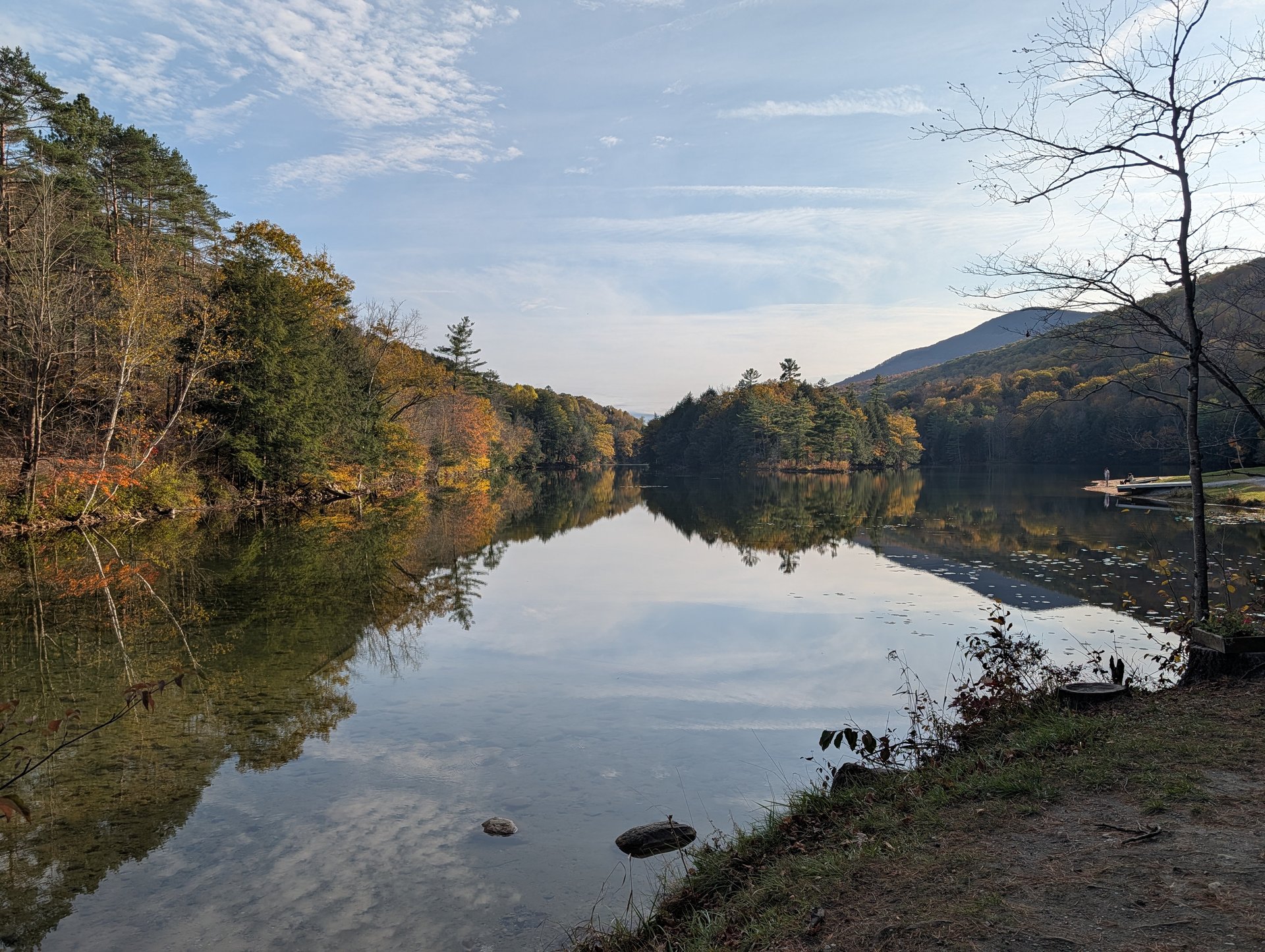
Emerald Lake State Park is a state park where you can camp (watch the dates — it was closed when we came through at the end of October). The lake truly earns its name, with its emerald colour. You can swim, paddleboard, fish and hike there, and picnic areas are available to visitors.
Quechee
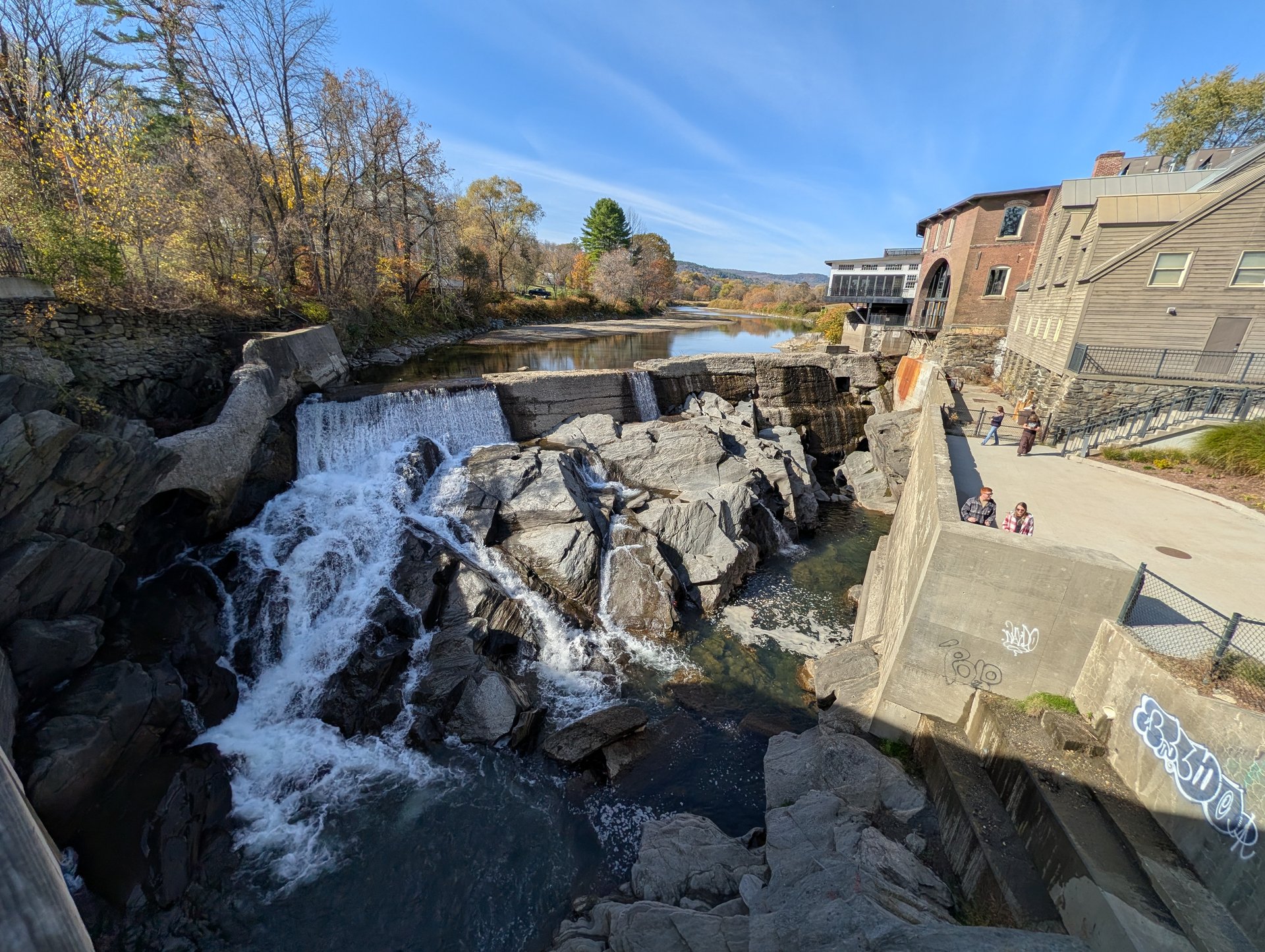
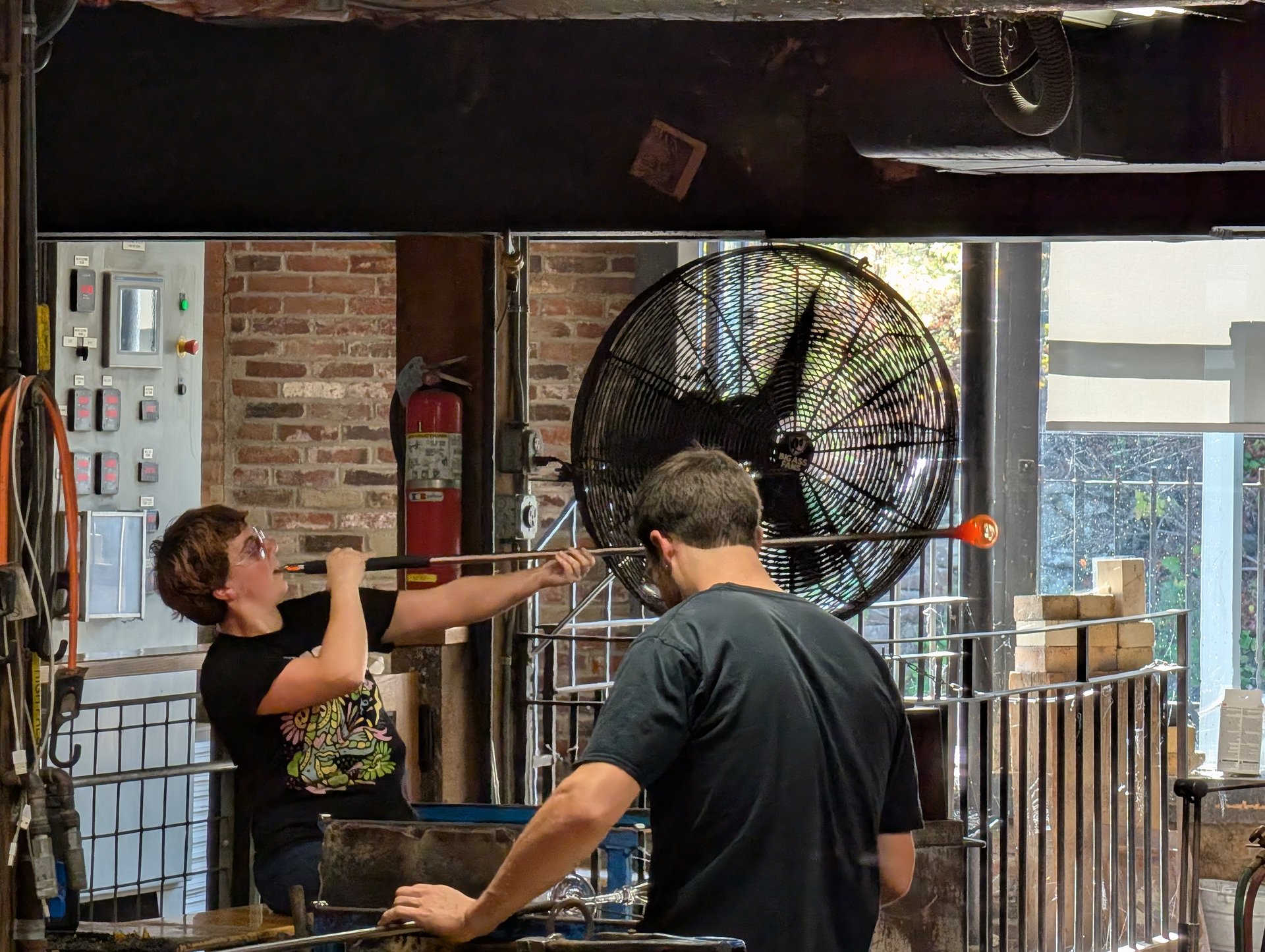
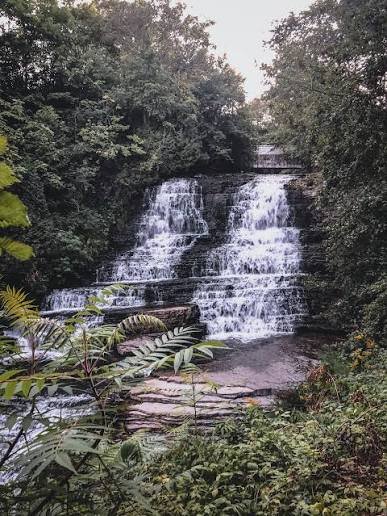
Quechee is famous for its hot air balloon festival, but honestly, for us the Quechee gorge (the deepest in Vermont at 50 metres), its mill, its dam and its small covered bridge were among the revelations of our trip. Don't forget to go into the Simon Peers Mile & restaurant, where a glassblowing demonstration is offered free of charge.
The Montpelier capitol
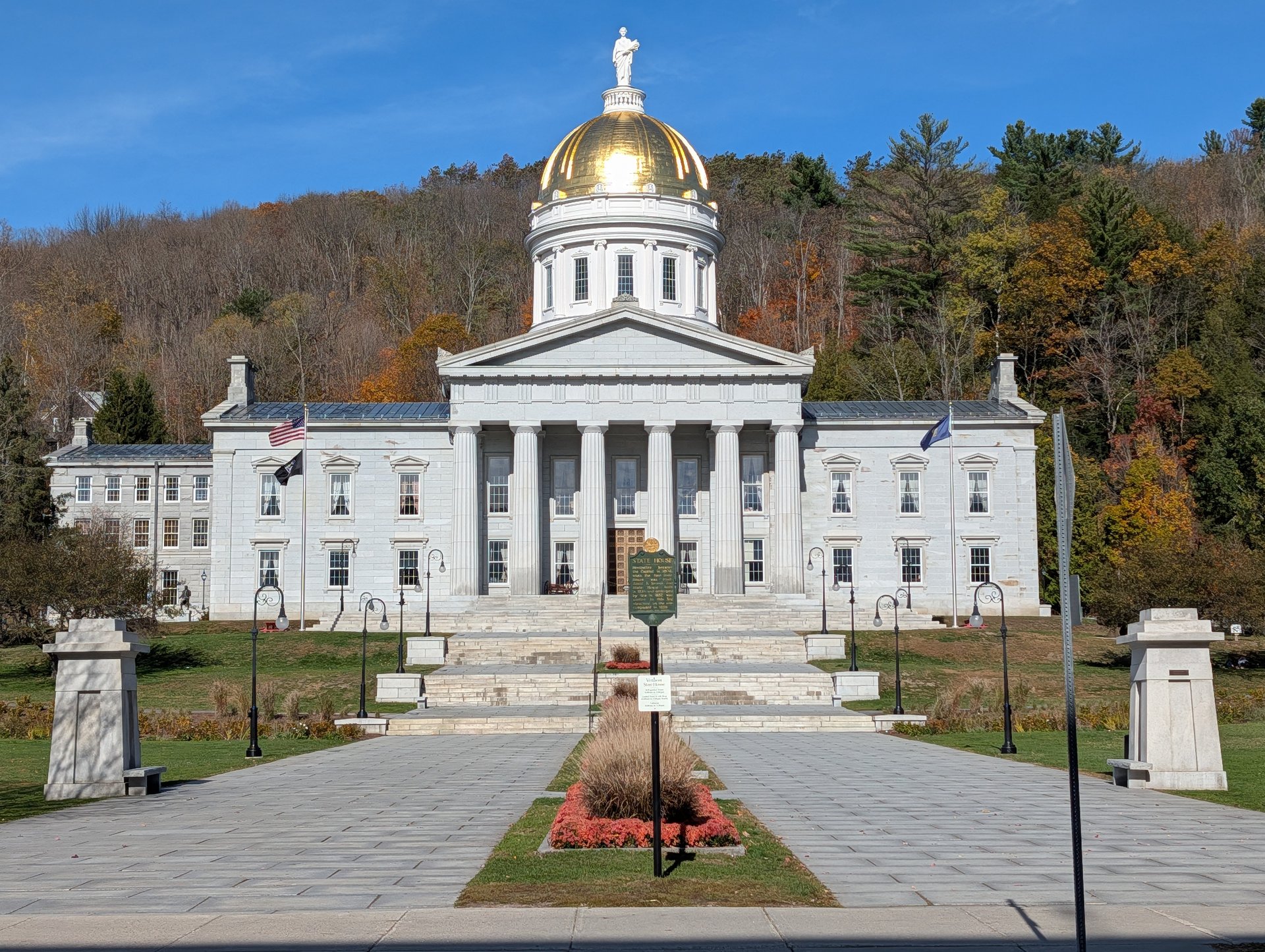
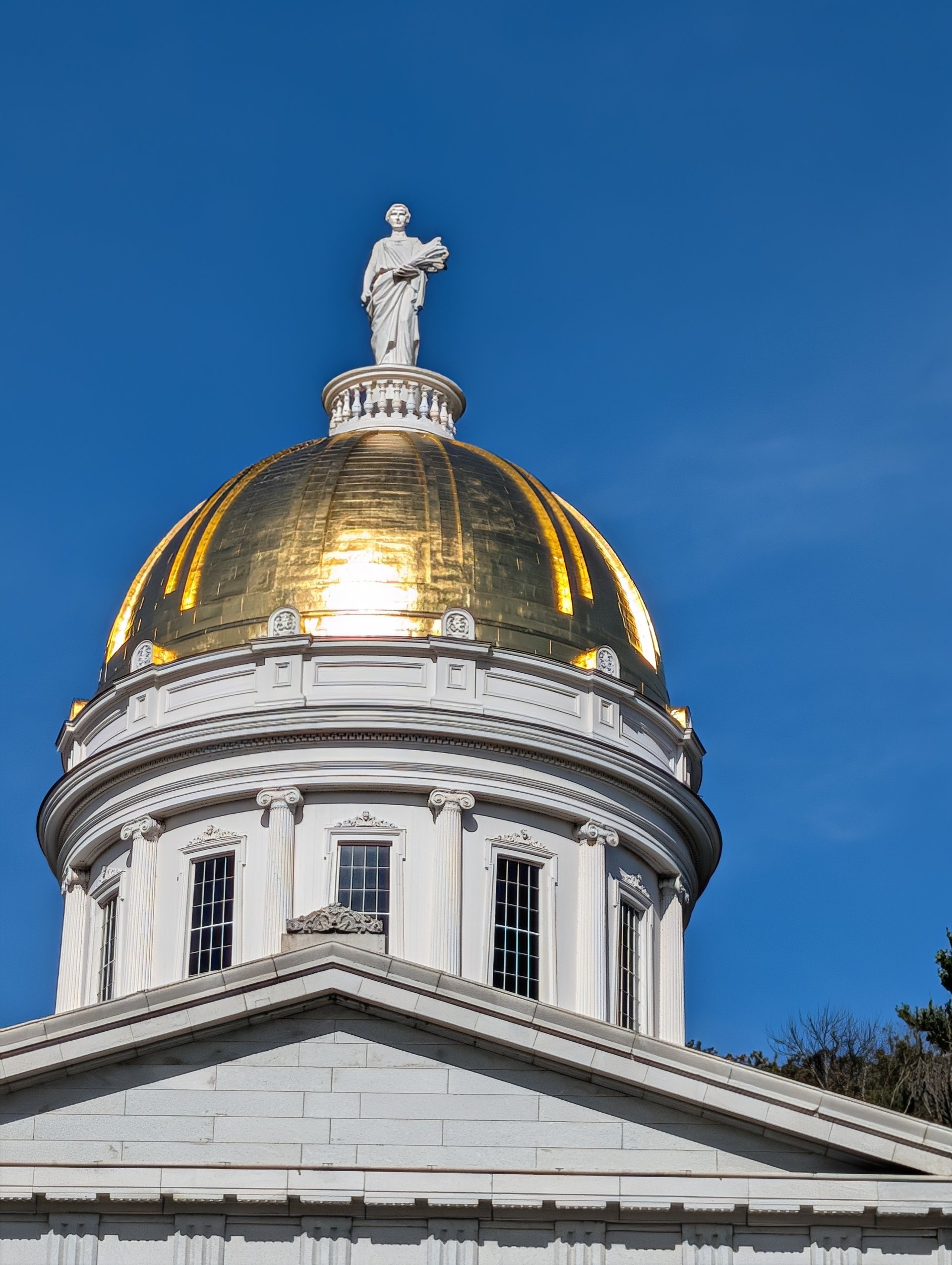
The current building is the 3rd state house on the same site, in the Greek neoclassical style, with a Doric portico and a low dome, inspired by the American capitol. The building has been listed as a National Historic Landmark on the National Register of Historic Places since 1970. Montpelier is the smallest state capital in the United States.
Lake Milloughby
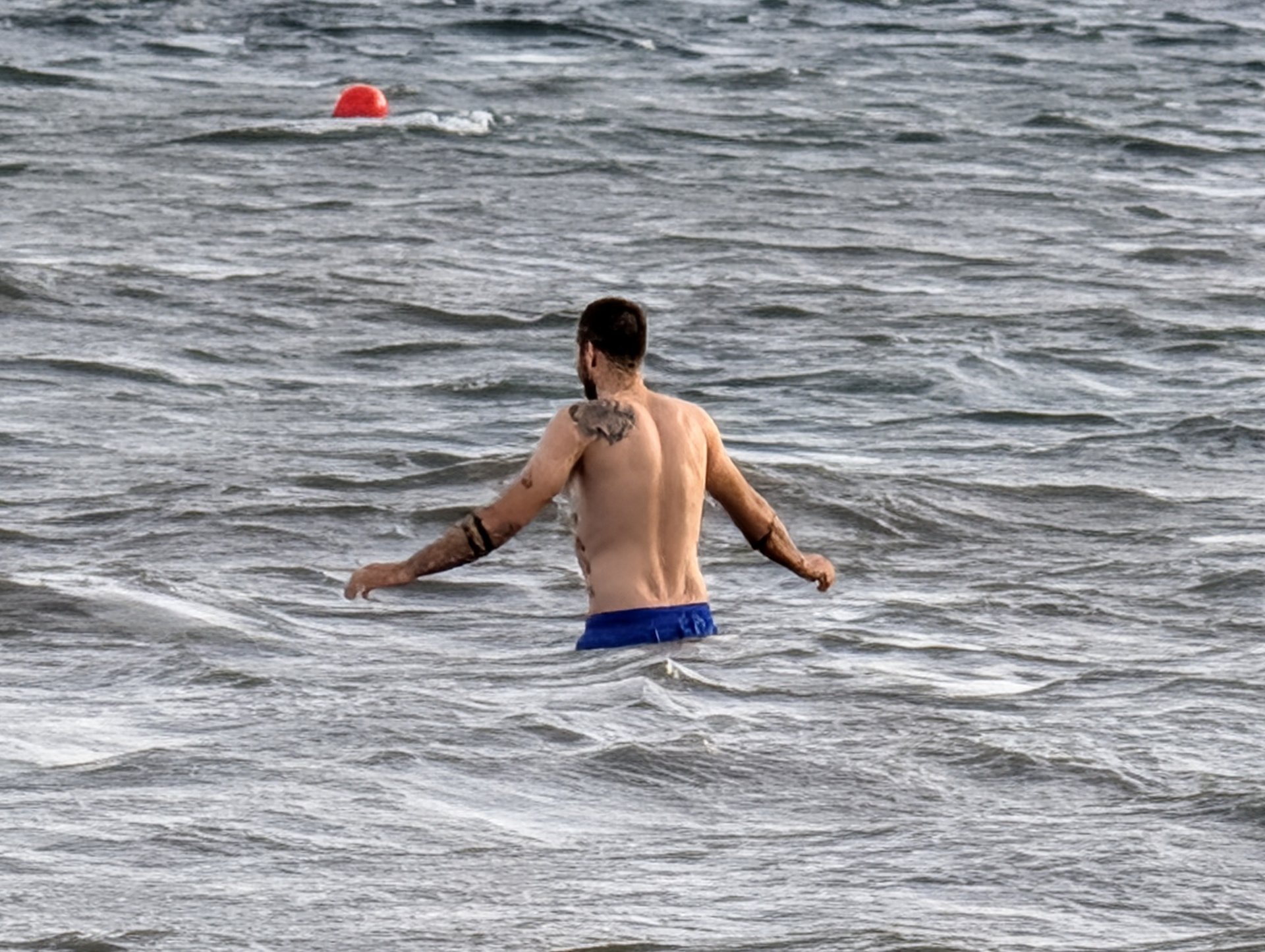
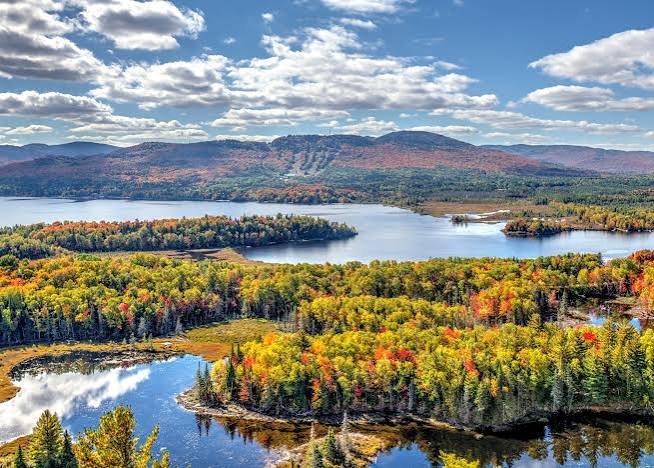
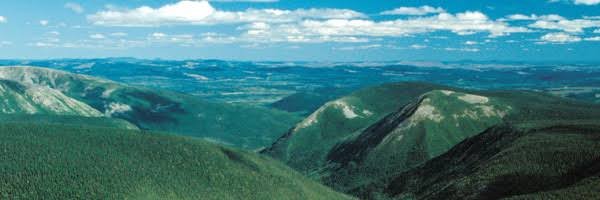
Lake Milloughby is one of the natural jewels of eastern Vermont. Located in West More, it's about 30 minutes from the Canadian border crossing and close to Montpelier. It's a glacial lake roughly 8 km long at an elevation of 357 m. It's part of the Milloughby State Forest. Its water is clear and limpid, but known for being cold, thanks to its glacial source. The scenery is breathtaking, since the lake is hemmed in between the steep cliffs of Mount Pisgah (839 m) to the east and Mount Hor (800 m) to the west, calling to mind the setting of a fjord.