Shawinigan (Spring)
Quebec regionMauricie
Excellent
ShawiniganGrandes-PilesBucheronCité énergie

Shawinigan (Spring)

By Marilou Harvey••148 views

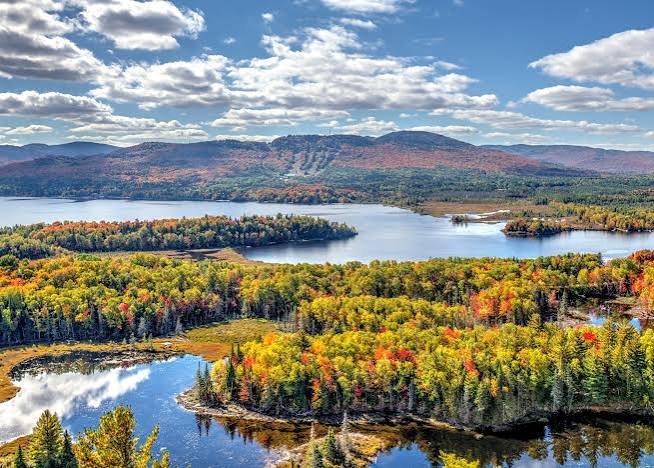
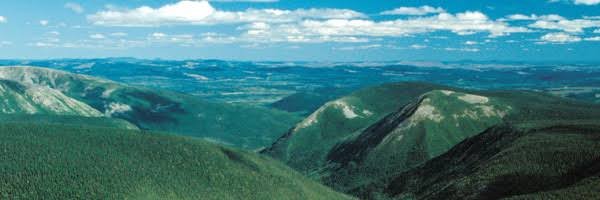
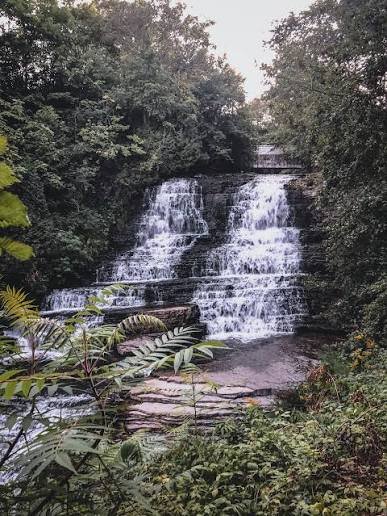
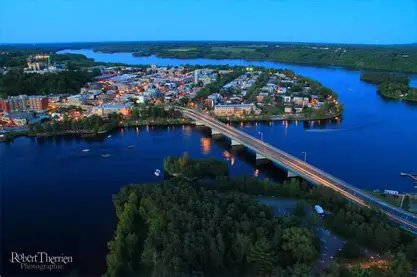
Set in the heart of the Mauricie, on the banks of the majestic Saint-Maurice River, Shawinigan is a city that brilliantly weaves together an industrial past, spectacular nature and a good way of living. About 155 kilometres from both Montreal and Quebec City, it sits strategically halfway between the two, which makes it an ideal base for exploring the region. Its name means "portage on the ridge" — a nod to the Indigenous roots of the area. Shawinigan is above all a city born of water and human daring. Founded in 1901, it came into being through the construction of hydroelectric stations and the industrialization that followed. The first Canadian city to produce aluminum, it was also one of the first Quebec cities to have an urban plan. Its history is tightly bound to hydroelectricity, pulp and paper and chemicals — an industrial heritage still palpable in its architecture and its historic sites. La Cité de l'énergie, the city's marquee attraction, tells that fascinating saga superbly. Today Shawinigan has reinvented itself admirably as an outdoor destination. La Mauricie National Park spreads out 536 km² of forest, mountains and some 150 lakes: hiking, canoeing, cycling, cross-country skiing or snowshoeing make it an extraordinary playground all year long. The parc de l'Île-Melville, a vast 160-hectare wooded space right in the middle of the city, is a favourite for hiking and mountain-biking trails. In summer you can rent kayaks, canoes or paddleboards there to get out on the Saint-Maurice River. "Shawi", as locals affectionately call it, also has a lively downtown. Avenue Willow, known for its terraces, microbreweries and restaurants, adds a spirited note to the experience. The famous Microbrasserie Le Trou du Diable, a flagship of the Quebec brewing scene, was born here — a must for craft beer lovers. The promenade du Saint-Maurice, for its part, invites fine walks along the river, with the emblematic silhouette of the Cité de l'énergie tower as a backdrop. 

Practical information

Duration
une journée
Season
Juin 2026
Getting around
Tesla
Accommodation
N-A

Itinerary

Chargement de la carte…
1
Québec
2
Cité de l'Énergie
3
Grandes-Piles
4
Québec

Shawinigan

La Cité de l'énergie

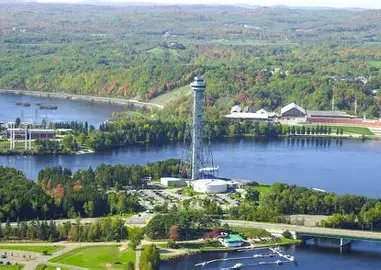
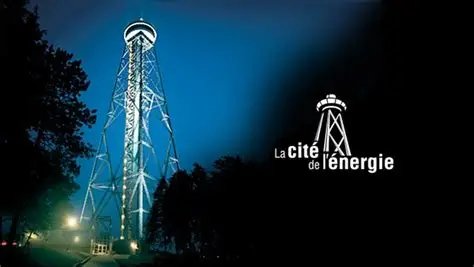
La Cité de l'énergie is a museum complex unlike any other in Canada, offering an immersive, educational experience on industrial history, heritage and the science of energy. Open to the public since 1997, this major attraction offers a range of activities for the whole family. A genuine tribute to the region's industrial past, which made Shawinigan the cradle of hydroelectricity in Quebec. The marquee attraction? Its imposing observation tower, 115 metres high (the equivalent of 38 storeys) — a former pylon once used to carry electricity — which is in fact the 2nd tallest tower in Quebec. From the top, the panoramic view over the city, the Saint-Maurice River and the region is simply spectacular. But the Cité is far more than a tower! The visit includes a multisensory show, exhibits, a city tour by trolleybus, a sightseeing cruise on a pontoon boat, tours of two hydroelectric stations, the Prime Minister Jean Chrétien museum and a grand evening show. The Planète Énergie exhibit is a dynamic display with 20 interactive stations, inviting visitors to take stock of the delicate global balancing act between nature, energy and human society. Plan on at least three hours on site — there really is a lot to see!

Grandes-Piles

Le Village du bûcheron

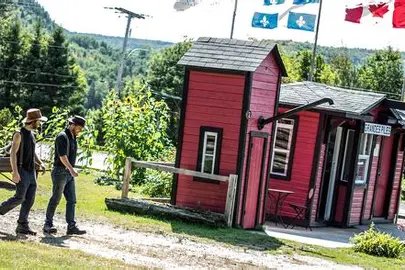
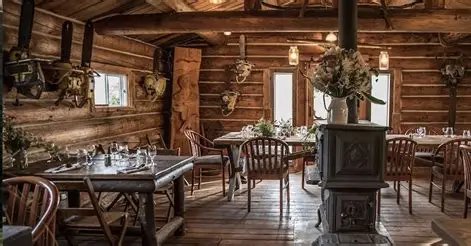
A few kilometres farther north, on the banks of the Saint-Maurice River, the Village du bûcheron (also known as the Musée du bûcheron) carries us into a completely different world. Located in the village of Grandes-Piles, the cradle of logging in the Mauricie, the museum's mission is to bear witness to more than a century and a half of the history of the Mauricie's loggers and log drivers, who lived and worked in these parts from 1850 on. Founded in 1978, the Musée du Bûcheron quickly became a major tourist attraction in the Mauricie. Audio guide in hand, you tour a village of many log cabins — logging camp, cookhouse, forge, stable, chapel, general store — that faithfully recreate the way of life of these brave men who shaped Quebec. It presents wood cutting from the very beginning, the loggers' life in the camps, moving the timber by log drive down the river, and turning that wood into lumber and paper.
Highlights

  • •
    Cité énergie
  • •
    Village bûcheron

Photo gallery

Shawinigan (Spring) 1
Shawinigan (Spring) 2
Shawinigan (Spring) 3
Shawinigan (Spring) 4
Shawinigan (Spring) 5

Frequently asked questions

How much time should you allow at the Cité de l'énergie?
At least three hours, and honestly there's enough to fill a full half-day. The visit includes a multisensory show, exhibits, the observation tower, a city tour by trolleybus, a pontoon cruise, tours of two hydroelectric stations and the Prime Minister Jean Chrétien museum.
How tall is the observation tower?
115 metres, the equivalent of 38 storeys, which makes it the second tallest tower in Quebec. An interesting detail: it's a former pylon that was used to carry electricity. From the top, the panoramic view over the city, the Saint-Maurice River and the whole region is spectacular.
Why is Shawinigan the cradle of hydroelectricity?
Because the city was born of water and human daring. Founded in 1901, it owes its existence to the construction of hydroelectric stations and the industrialization that followed. It was the first Canadian city to produce aluminum and one of the first Quebec cities to have an urban plan.
What is the Planète Énergie exhibit?
A dynamic display with 20 interactive stations, inviting visitors to take stock of the delicate global balancing act between nature, energy and human society. It's the more scientific side of the Cité, and it works well with children and adults alike.
What do you discover at the Village du bûcheron?
More than a century and a half of the history of the Mauricie's loggers and log drivers, from 1850 on. Audio guide in hand, you tour a village of log cabins: logging camp, cookhouse, forge, stable, chapel and general store. It presents wood cutting, life in the camps, the log drive down the river and the conversion into lumber and paper.
Where is the Village du bûcheron?
In Grandes-Piles, a few kilometres north of Shawinigan, on the banks of the Saint-Maurice River. The village is considered the cradle of logging in the Mauricie. The museum was founded in 1978 and quickly became a major attraction in the region.
Can you combine both visits in the same day?
Yes, that's exactly what we did. The two sites are about twenty minutes apart along the Saint-Maurice River. Plan the Cité de l'énergie for the morning, since it takes more time, and the Village du bûcheron for the afternoon.
What else is there to do in Shawinigan?
The parc de l'Île-Melville, a 160-hectare wooded space right in the middle of the city, has hiking and cycling trails, with kayak and paddleboard rentals in summer. Avenue Willow is where the terraces, microbreweries and restaurants are: it's the birthplace of Microbrasserie Le Trou du Diable, a flagship of the Quebec brewing scene.

Comments

Loading comments…

Around this place

35 m from Quebec City · 233 km from Montreal

See all our places on the map →