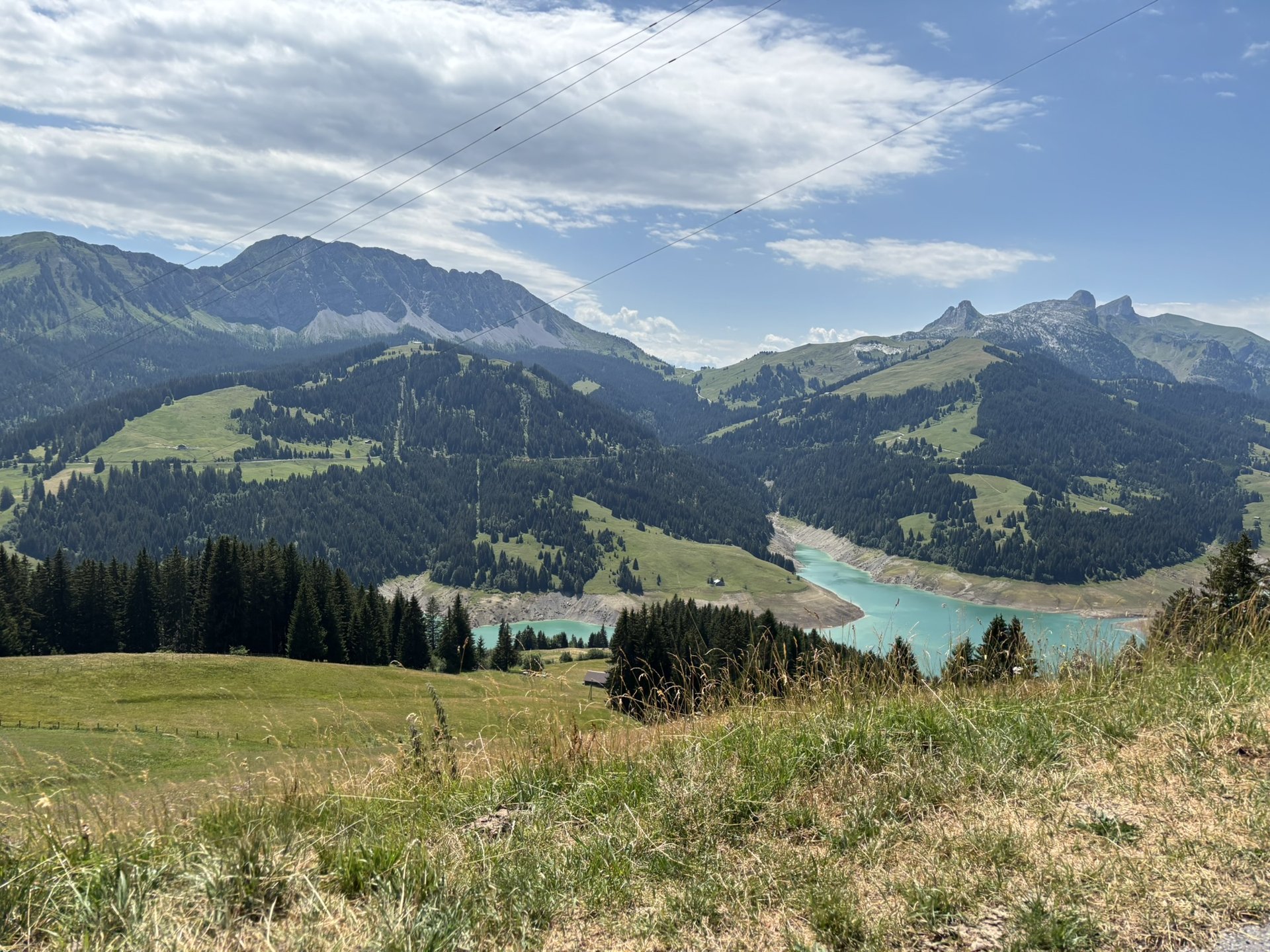
Nova Scotia
The Port aux Basques → North Sydney crossing
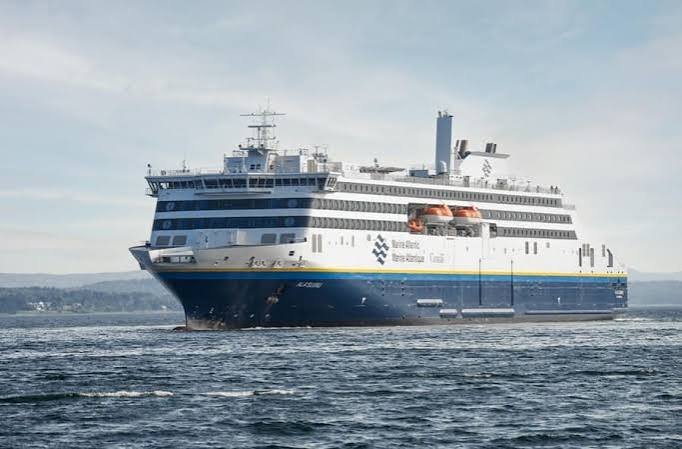
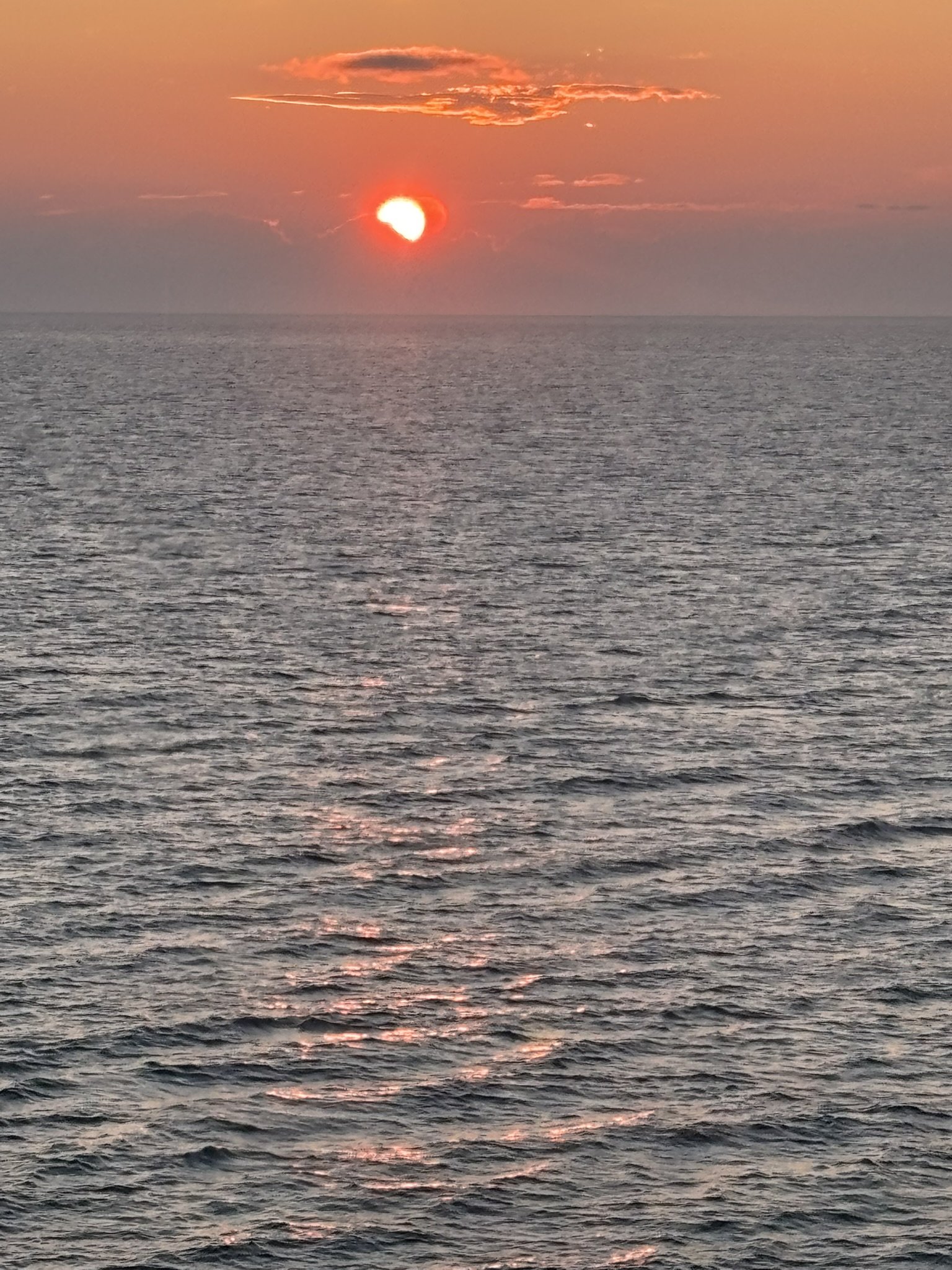
To leave Newfoundland for Nova Scotia, head for the well-known Marine Atlantic ferry between Port aux Basques (N.L.) and North Sydney (N.S.). A genuine mini-cruise! The 178 km crossing takes roughly 6 to 7 hours, with generally two departures a day (11:45 a.m. and 11:45 p.m.), and up to four crossings daily at the height of the season. The ship (typically the MV Highlanders or MV Blue Puttees) has everything you need on board: cabins to rent (ideal for overnight crossings!), a cafeteria with hot meals, a bar, observation decks, and sometimes onboard entertainment. Fares run between $12 and $85 depending on the option (walk-on, vehicle, cabin). One small bonus: arriving in North Sydney, you gain 30 minutes thanks to the time-zone change (Newfoundland time → Atlantic time)! Our advice: book ahead in high season, and if you take the overnight crossing, treat yourself to a cabin — you'll start exploring Nova Scotia rested and ready!
The Cabot Trail
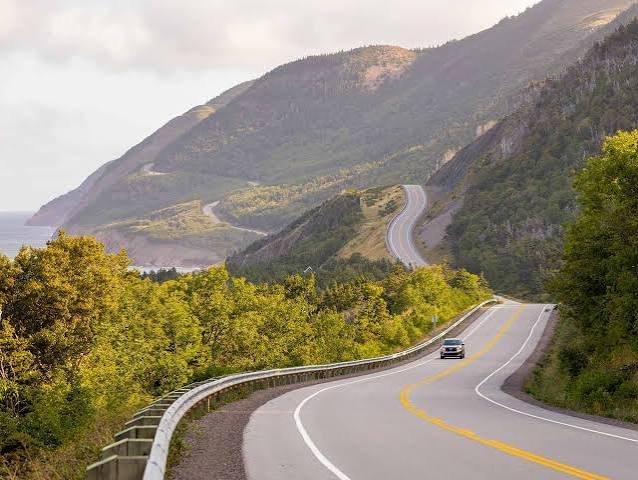
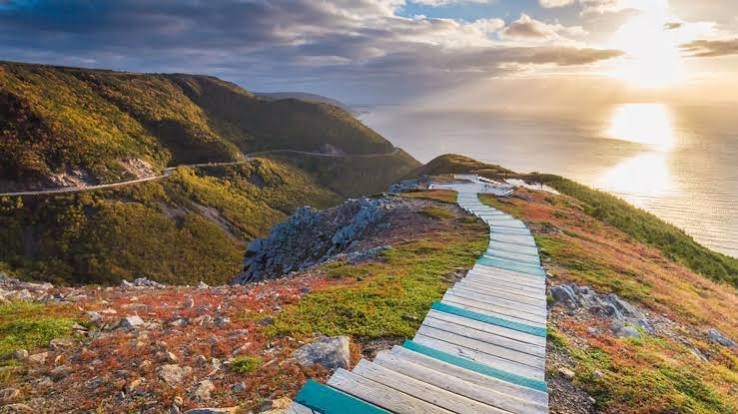
Once you're off the boat in North Sydney, head for Cape Breton Island and the legendary Cabot Trail — widely considered one of the most beautiful scenic drives in the world! This spectacular 298 km loop wraps around the northern tip of the island, running largely through Cape Breton Highlands National Park. It's named for the Venetian explorer John Cabot, who reached Atlantic Canada in 1497. The original construction was completed in 1932. The drive amazed us at every bend: dizzying ocean cliffs, dense forest, boreal plateaus, deep valleys, colourful fishing villages, Acadian, Scottish and Mi'kmaq communities. The must-dos: the famous Skyline Trail (8.2 km, sweeping views over the Gulf of St. Lawrence — one of the best places in the world to watch for moose at sunset!), the Franey Trail (7.4 km with views of the Clyburn River and the Atlantic), Ingonish Beach, Chéticamp (an Acadian village) and Meat Cove at the northern tip. Our advice: plan for 3 to 5 days at a minimum to really enjoy it — the Cabot Trail is meant to be savoured slowly, with plenty of stops. And avoid driving at night because of the moose!
Sleeping at the Baddeck Domes
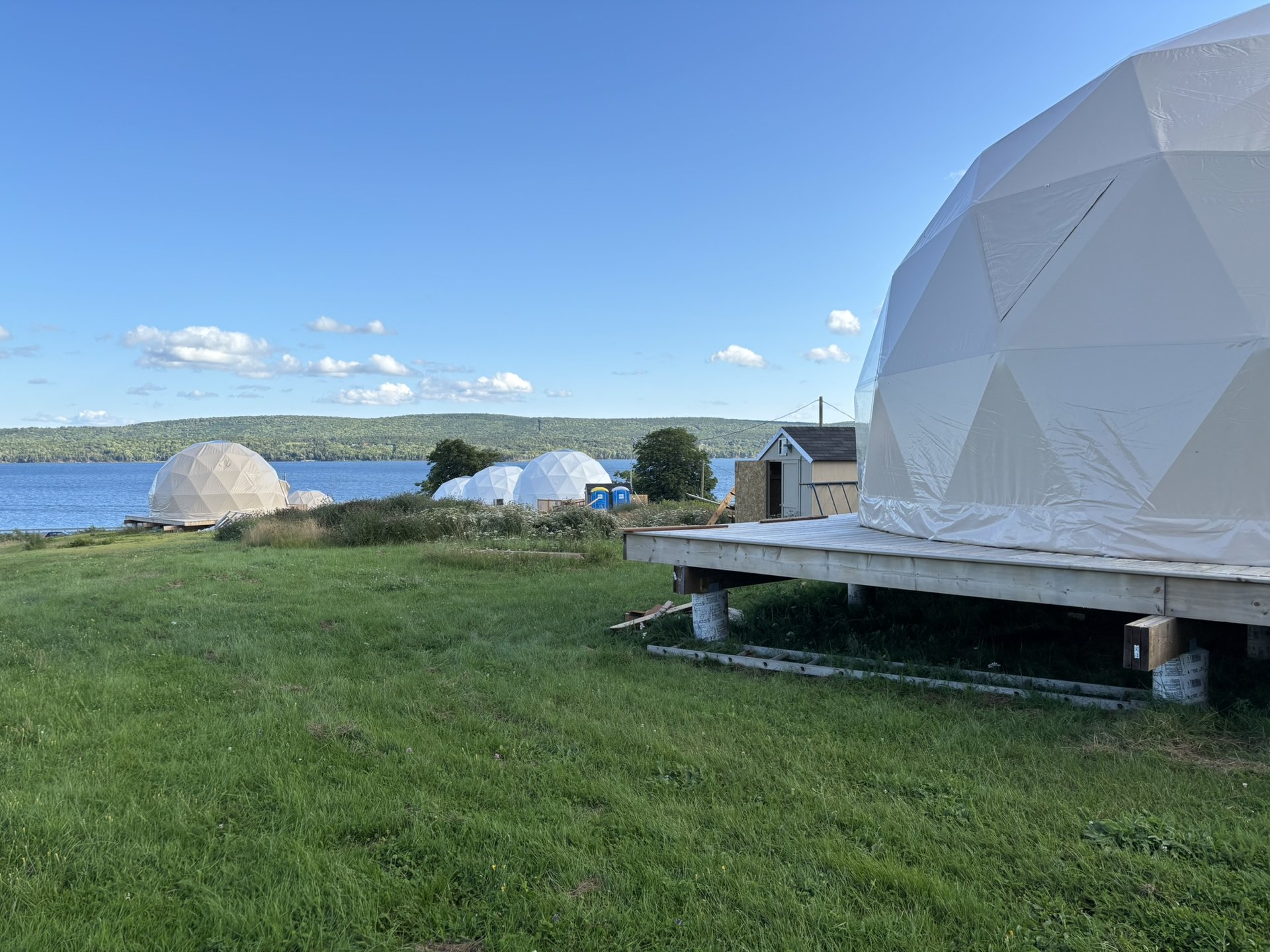
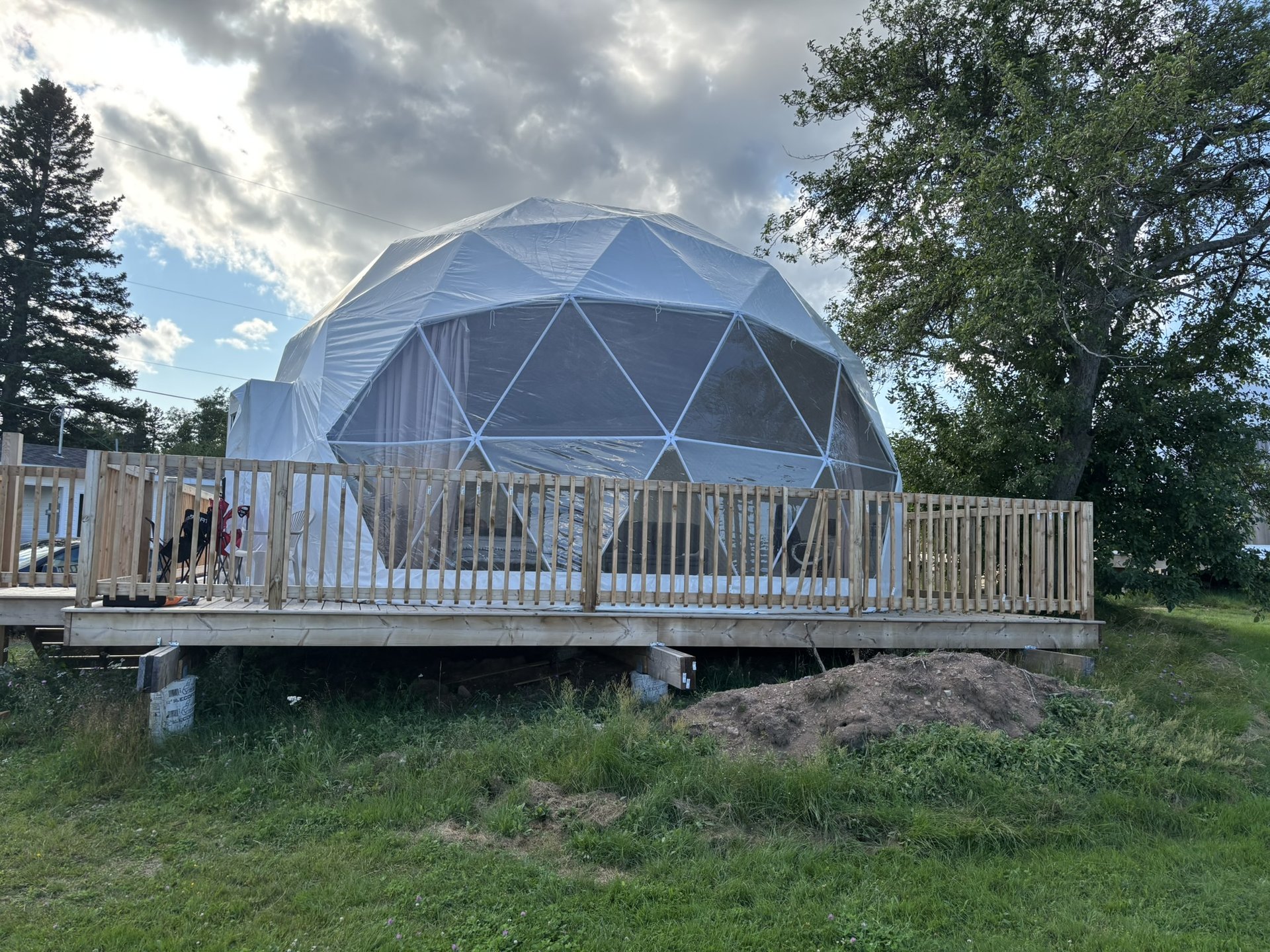
For a memorable place to drop your bags, head for the Baddeck Domes, one of the most original and magical places to stay on Cape Breton! Nestled on the shores of beautiful Bras d'Or Lake in Baddeck (the unofficial gateway to the Cabot Trail), these luxury geodesic domes combine full immersion in nature with hotel-style comfort. Each dome is warmly furnished with large panoramic windows that frame breathtaking views over the lake. You wake up to soft-toned sunrises over the water — pure happiness! On site you'll find outdoor fire pits, common areas, quiet gardens and everything you need to recharge. The location is ideal for visiting the Alexander Graham Bell National Historic Site (the inventor of the telephone spent his final years in Baddeck) and for ranging out along the Cabot Trail. A favourite of ours, perfect for a romantic getaway or a well-earned pause in the middle of nature!
Lunenburg — The south shore's UNESCO jewel
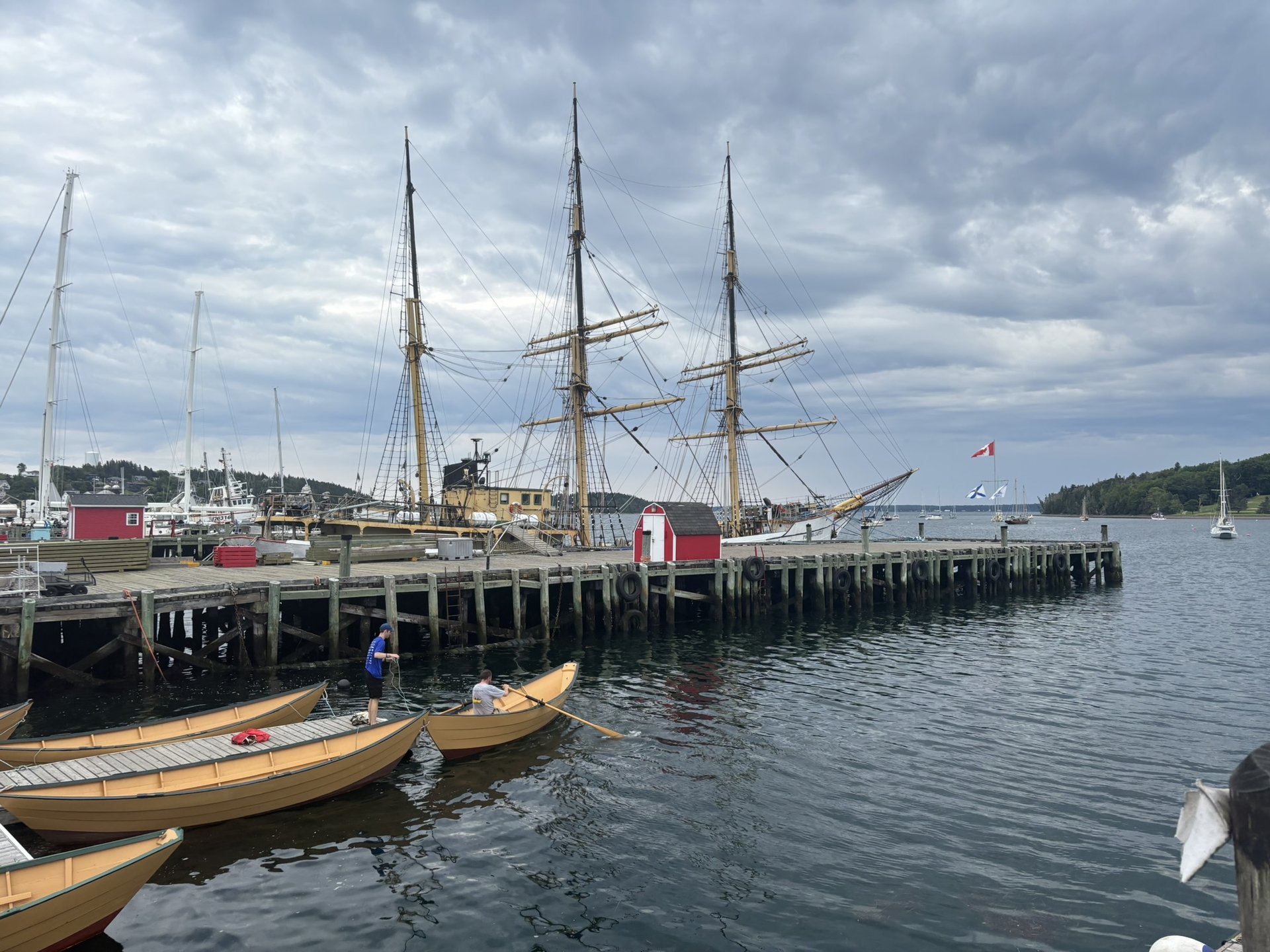
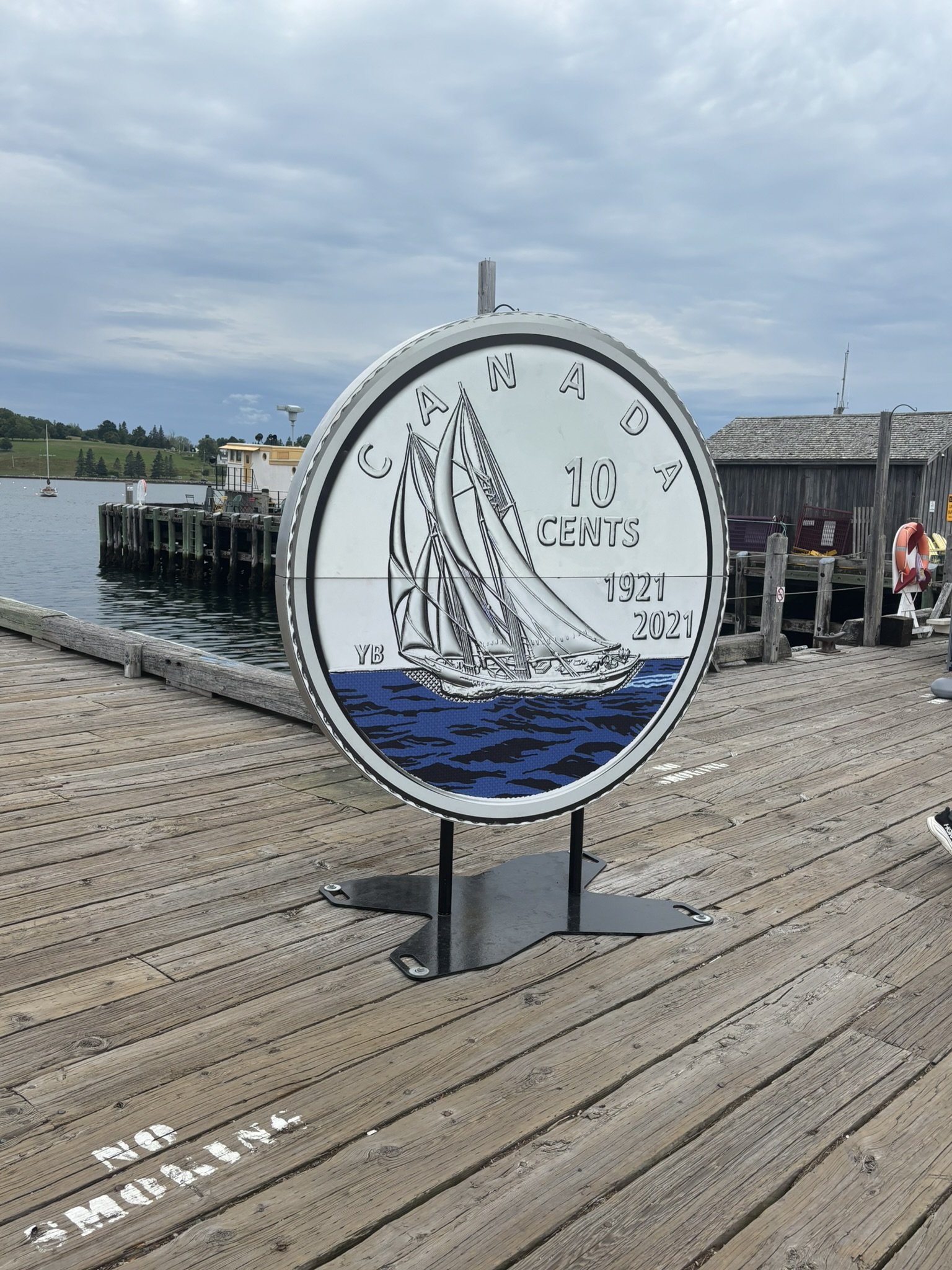
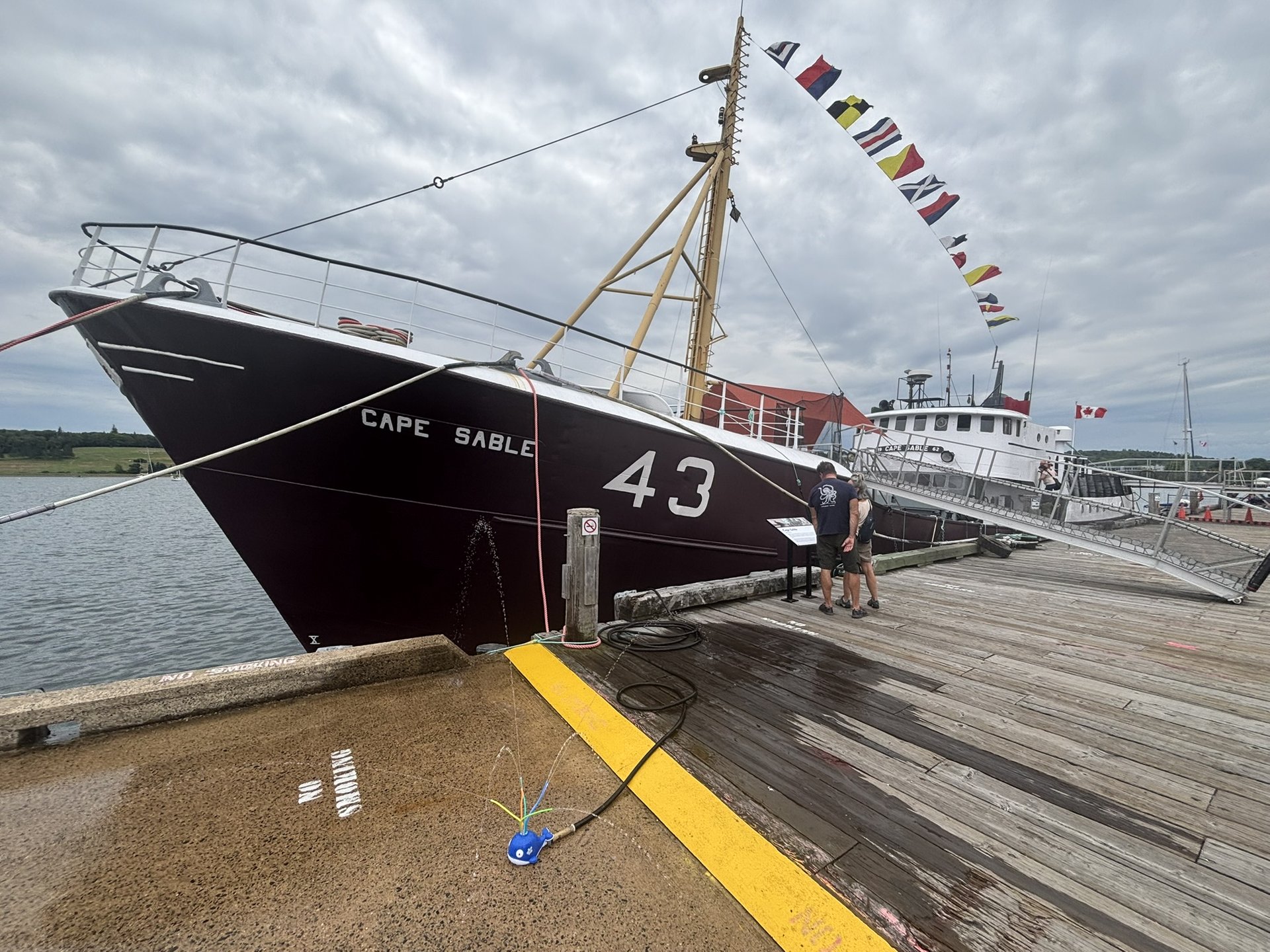
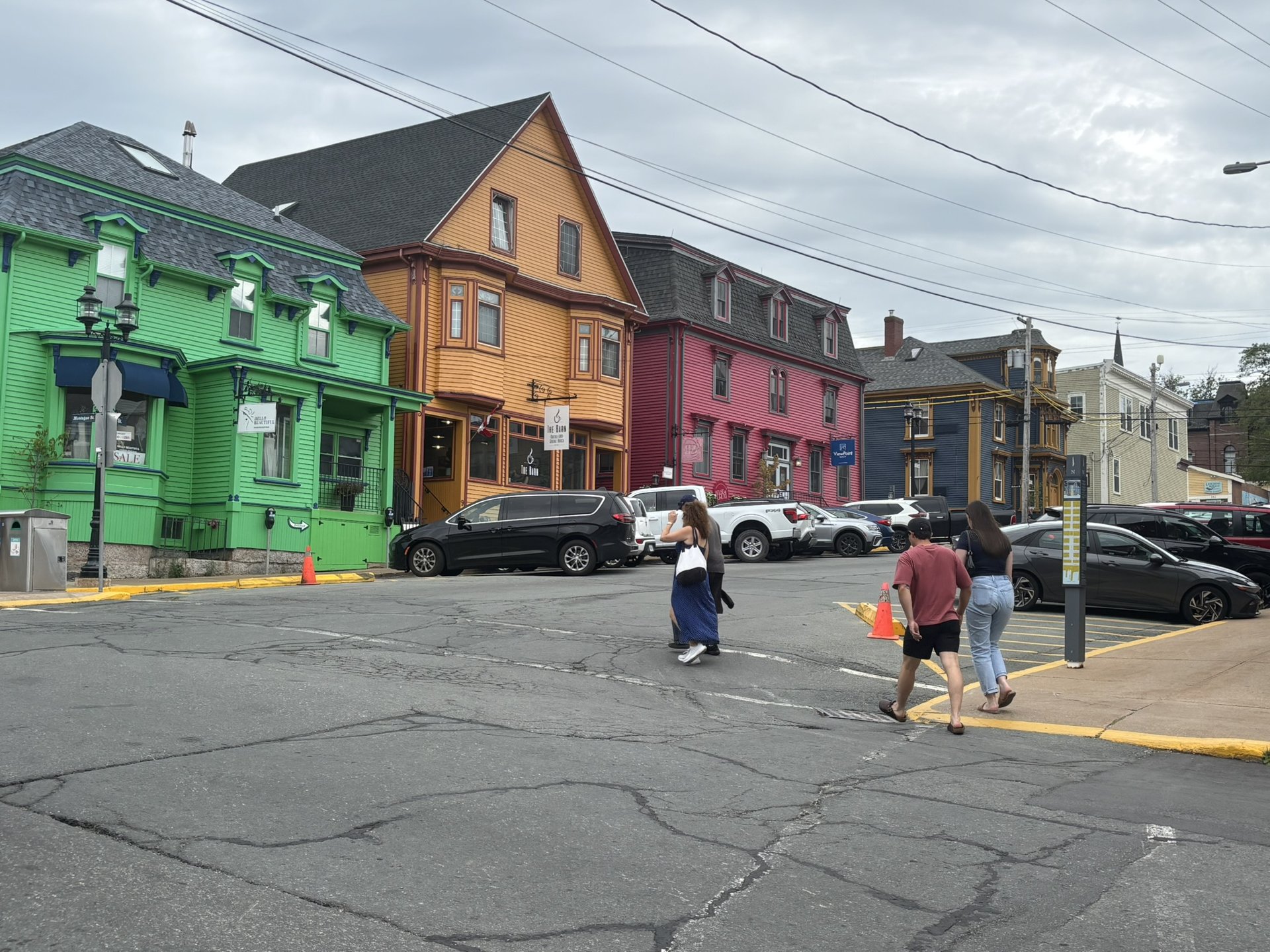
Carry on south toward Lunenburg, one of the loveliest port towns in North America! A UNESCO World Heritage Site since 1995, this small British colonial town founded in 1753 is the best-preserved example of a British colonial settlement in North America. The charm works instantly: wooden houses in vivid colours (red, yellow, blue, green), well-preserved narrow streets, a historic waterfront lined with period buildings and an atmosphere that feels frozen in time. The harbour is home to the famous Bluenose II, a replica of the legendary schooner that appears on the Canadian dime — a true symbol of Nova Scotia! Not to be missed: the Fisheries Museum of the Atlantic ($14 CAD), which traces the region's rich maritime history, the many art galleries, the artisan shops and the excellent seafood restaurants along the water. And to stretch the pleasure out, stop in at Mahone Bay (right next door) and its famous three churches — one of the most photographed views in Nova Scotia!
Peggy's Cove — Canada's most famous lighthouse
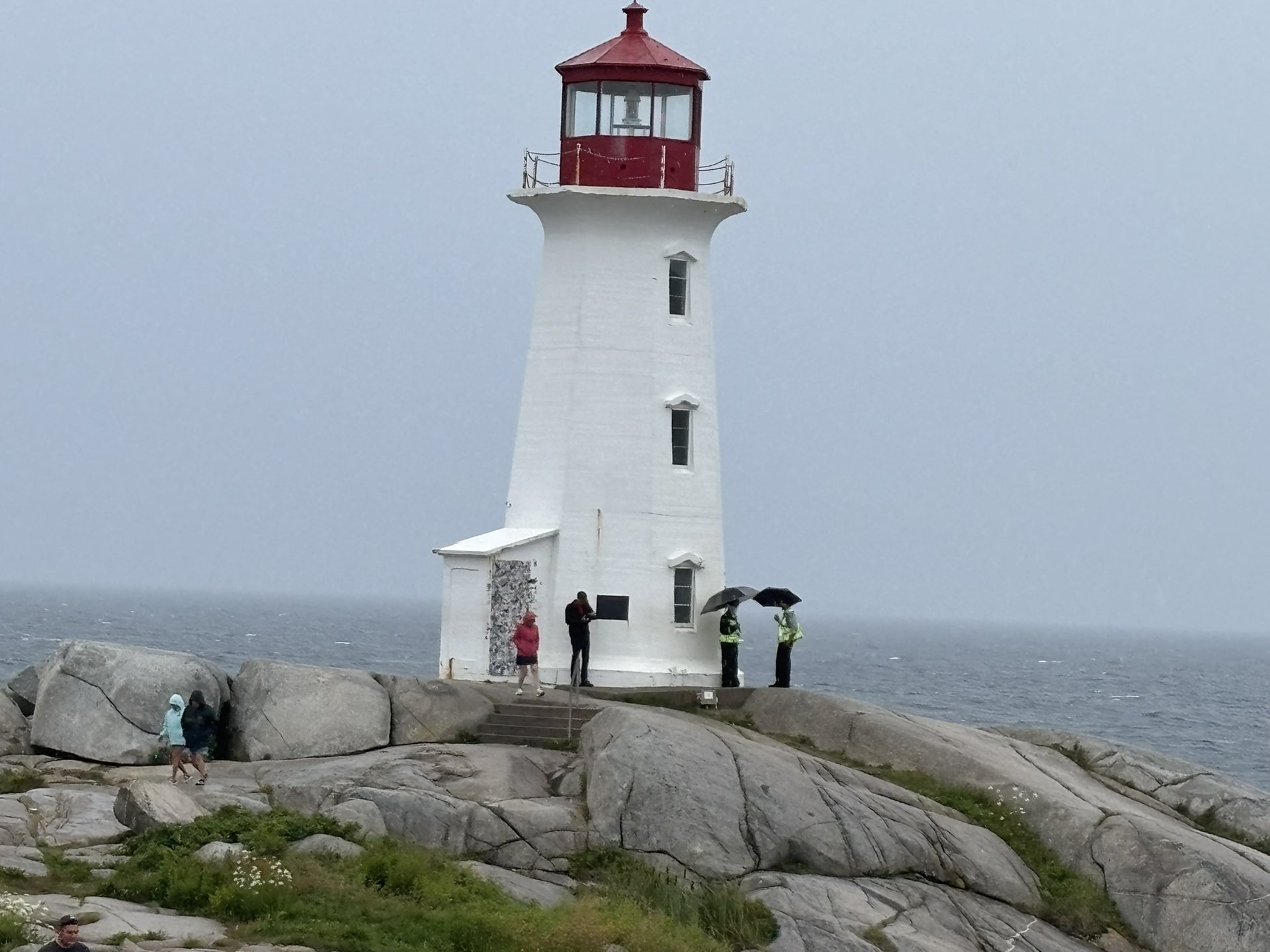
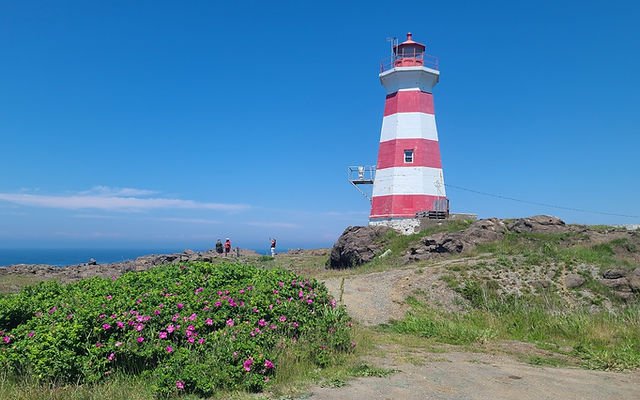
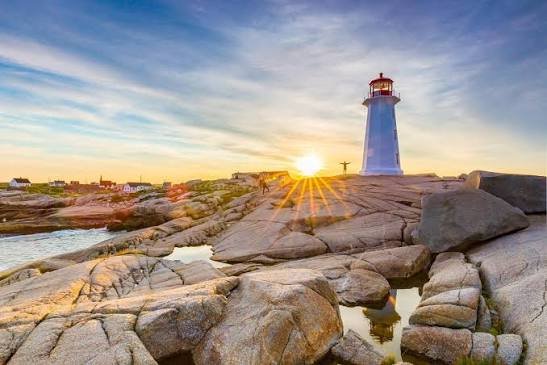
About 43 km southwest of Halifax hides one of the most photographed places in the world: the picturesque fishing village of Peggy's Cove! Perched on massive granite boulders sculpted by the waves, the famous red-and-white Peggy's Point lighthouse (built in 1915) has become the visual symbol of Nova Scotia. The tiny village (only about thirty residents!) is still a working fishing village. You wander among colourful little houses, artisan studios, seafood restaurants and small souvenir shops — a stroll worth taking at an unhurried pace. Don't miss the Fishermen's Monument, a 30-metre granite carving depicting 32 fishermen, their wives, and the legend of the guardian angel Peggy.
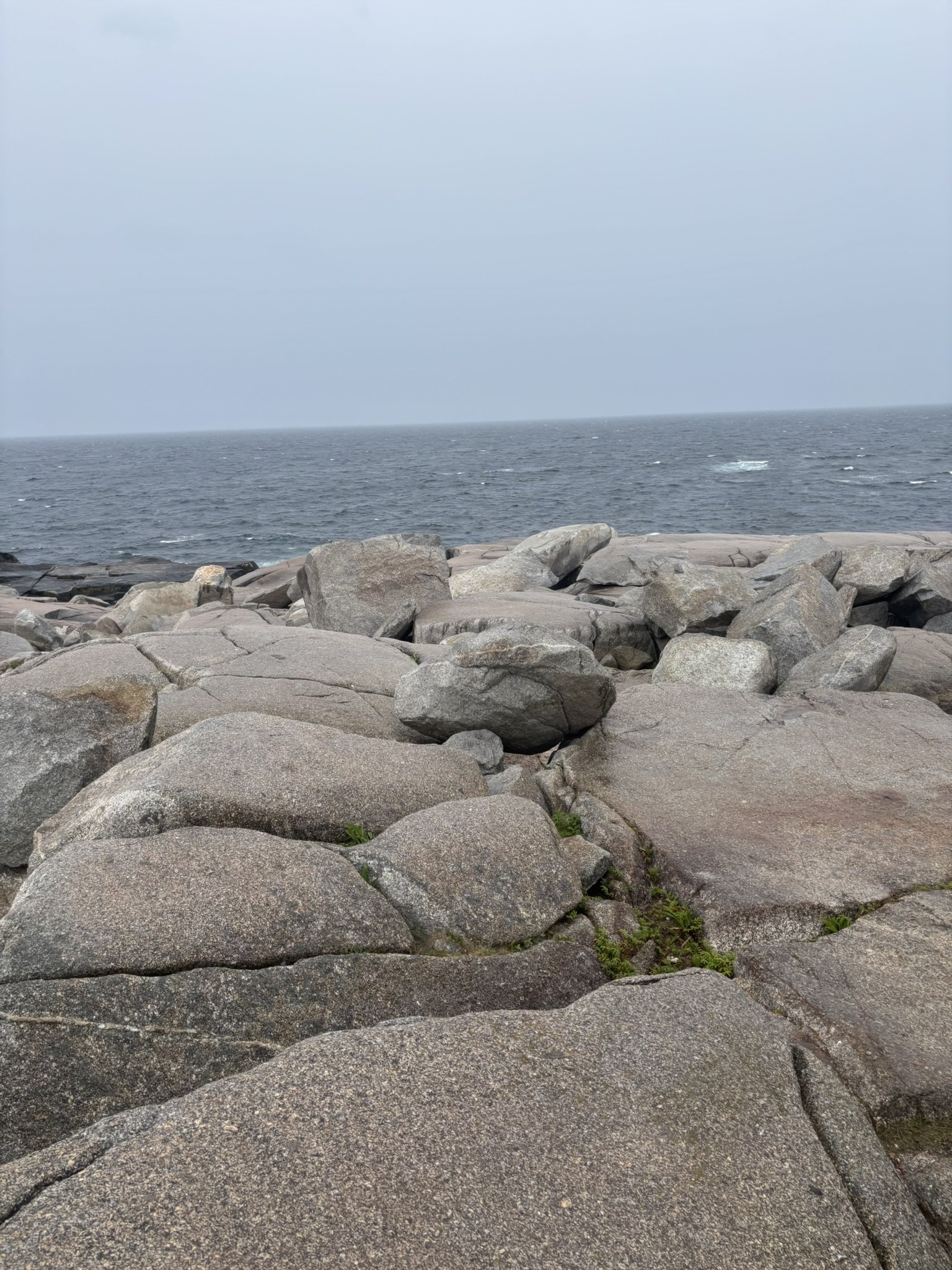
⚠️ Be careful on the rocks: Atlantic waves can be unpredictable and deadly. Stay on the dry areas (the darker rocks mean wet, and wet means danger). A small tip: come early in the morning or late in the afternoon to avoid the crowds and the tour buses — you'll have the lighthouse almost to yourself!
Halifax
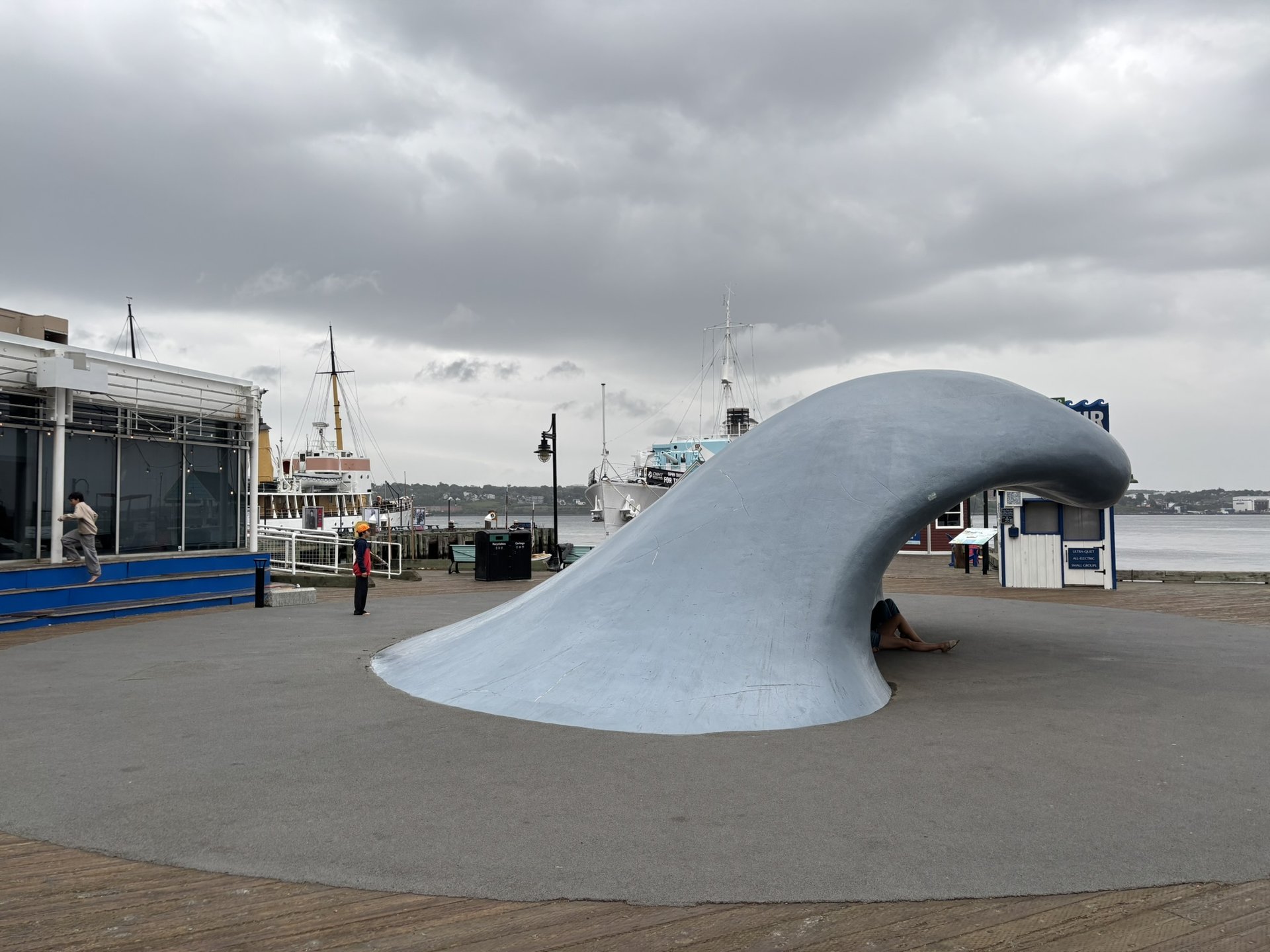
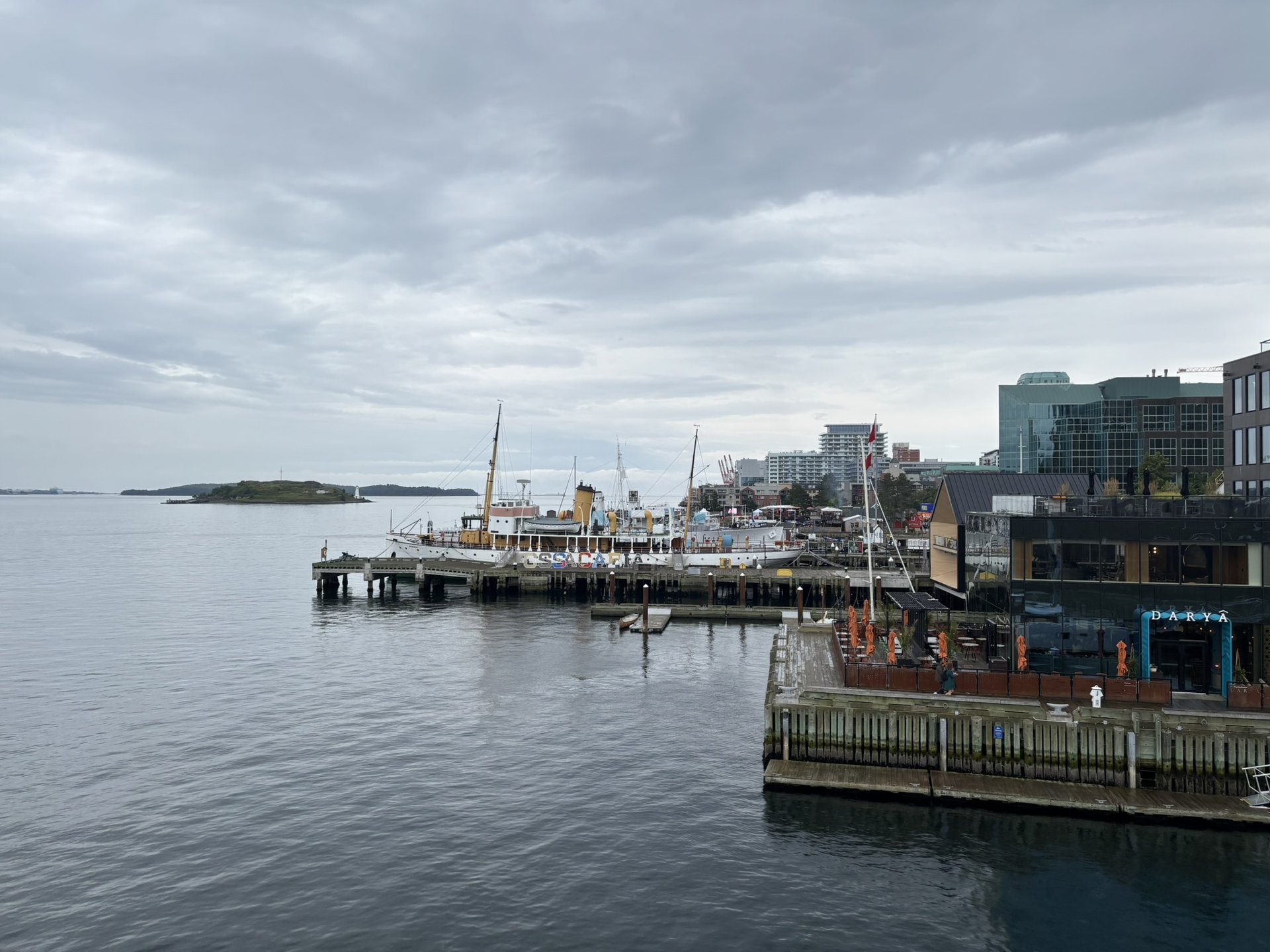
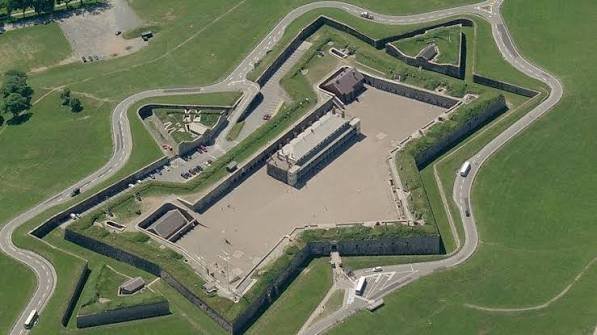
To close out this adventure in style, head for Halifax, Nova Scotia's charming capital! Founded in 1749, it's the largest city in Atlantic Canada and home to one of the biggest natural harbours in the world. The city blends its rich military and maritime heritage with a relaxed, cosmopolitan and lively urban feel. The must-sees? The stately Halifax Citadel on its hill (with guards in period uniform and the famous noon gun), the Waterfront Boardwalk — one of the longest urban boardwalks in the world — with its restaurants, cafés, shops, breweries and the celebrated Maritime Museum of the Atlantic (which, incidentally, holds the largest collection of Titanic artifacts outside the United Kingdom). Halifax was indeed the port that recovered the bodies of the victims in 1912, and a number of them are buried at Fairview Cemetery. For atmosphere, don't miss Historic Properties, Argyle Street with its busy bars and restaurants, the famous Alexander Keith's brewery (founded in 1820, one of the oldest in North America!), the gorgeous Victorian public gardens, and of course the Seaport Farmers' Market (the oldest on the continent, running since 1750!). And to taste the local specialty: the famous Halifax donair, a legendary sandwich you absolutely have to try, and the ultimate address for that culinary experience is Tony's World Famous Donair! A capital on a human scale, warm and full of charm — an excellent way to end (or begin!) your exploration of Nova Scotia.
On the way to the Annapolis Valley - Sleeping at Laurie Provincial Park
Just 25 km north of Halifax, on the shores of beautiful Grand Lake, Laurie Provincial Park is a real nature break, ideal for anyone who wants to get away from the city without going far. This little gem of the Nova Scotia provincial park system offers 71 wooded sites in a peaceful, well-preserved setting. The campground is rustic and unserviced (no water or electricity at the sites), but everything you need is on site: a washroom building with hot showers, a dishwashing station, an RV dump station, recycling areas and free Wi-Fi! Each site comes with a fire pit and a picnic table. Some walk-in sites even have a beautiful view of the lake — perfect for tents. Beyond the camping, the park has a developed beach (unsupervised swimming), a very popular day-use area, hiking trails and lovely paved roads ideal for bikes, strollers and skateboards. You can also kayak, canoe, paddleboard and fish on the lake. The campground is self-serve with an access code (handy for arriving at any hour). One tip: the park gates close at 10:30 p.m., so plan your comings and goings! An excellent choice for a night on the road or a nature escape close to Halifax.
Grand-Pré — In the footsteps of the Acadians
Head for the beautiful Annapolis Valley and one of the most moving and symbolic places in Canada: the Grand-Pré National Historic Site of Canada. Located near Wolfville on the shores of the Bay of Fundy, the site dates back to 1682, the year the Acadians settled here. Grand-Pré quickly became the breadbasket and the main town of Acadia — until the tragic autumn of 1755, when more than 6,000 Acadians were deported by the British in what is now known as the Grand Dérangement. Today this place, sacred to Acadian culture, has been a UNESCO World Heritage Site since 2012, in recognition of its exceptional cultural landscape. You can admire the famous polders, dykes and aboiteaux built by the Acadians starting in the 17th century to farm the salt marsh — a masterpiece of agricultural engineering! The site is also washed by the highest tides in the world (averaging up to 11.6 metres in the Bay of Fundy). The visit begins at the modern interpretation centre, where multimedia presentations and absorbing exhibits tell the story of the Acadian people with force and feeling. From there you wander through meticulously kept Victorian gardens, with these highlights:
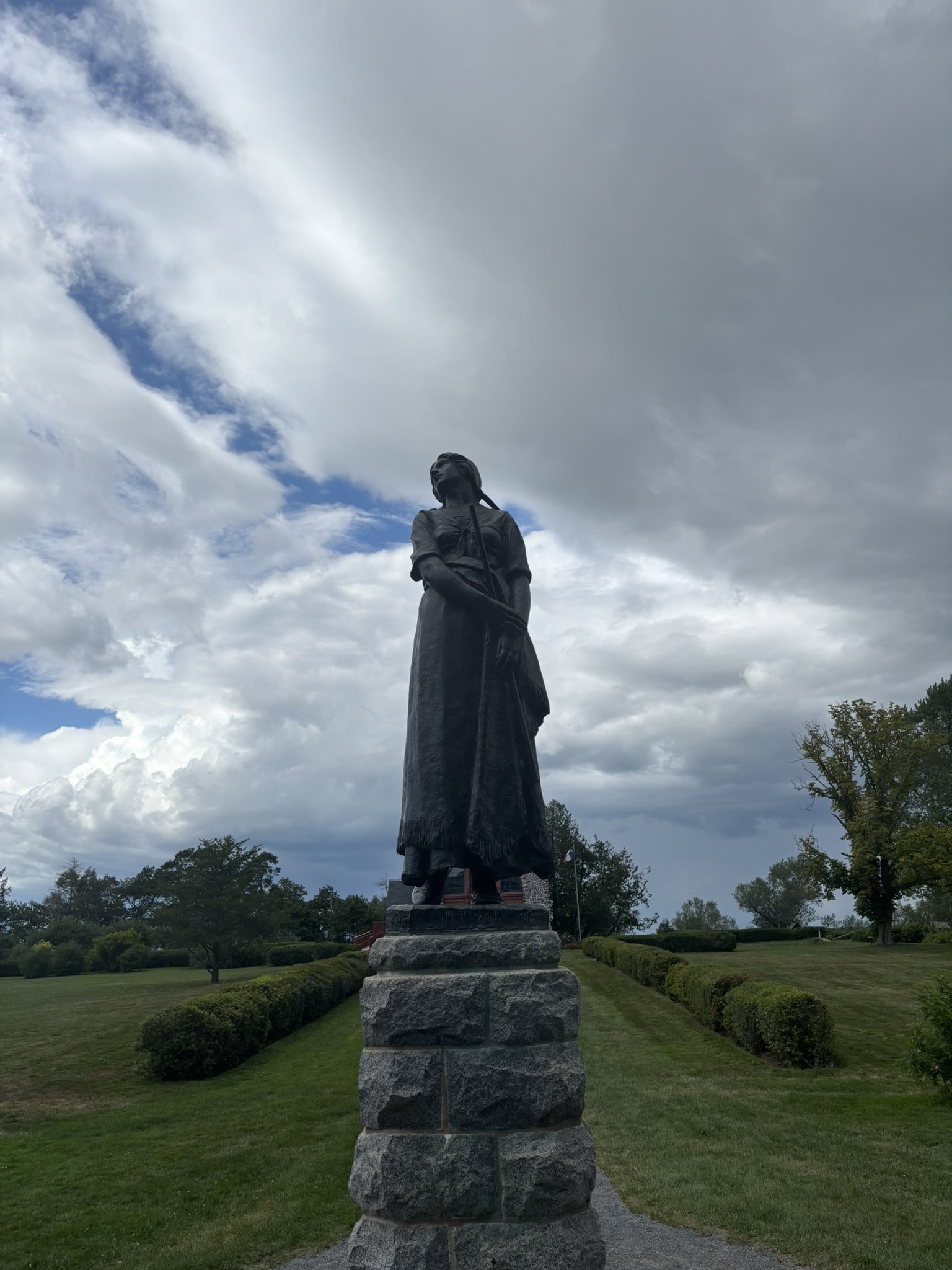
- The statue of Évangéline, the work of sculptor Philippe Hébert, immortalizing the heroine of Longfellow's poem
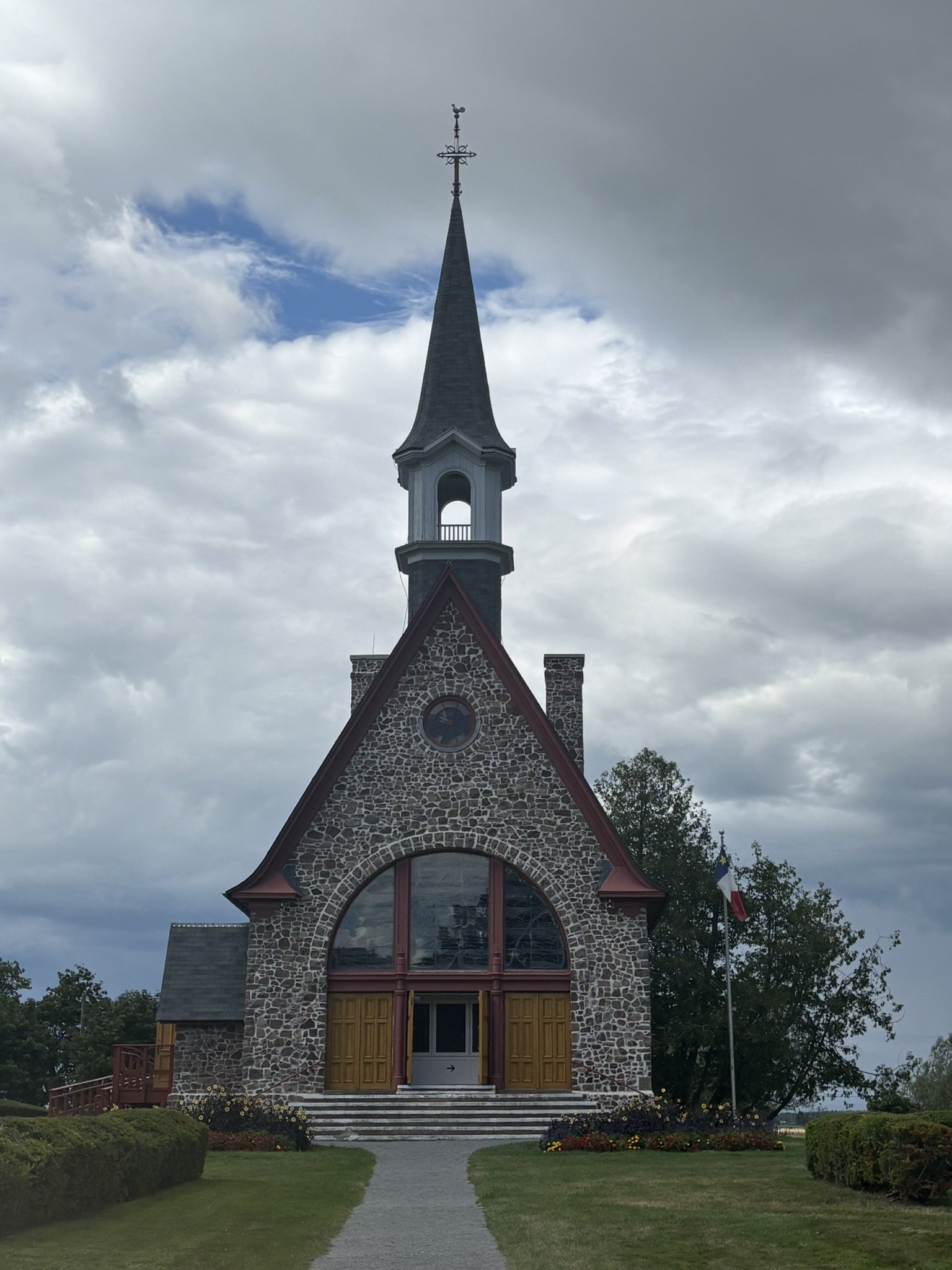
- The Église-souvenir, a memorial chapel more than a century old
- The Croix de la Déportation, a haunting monument to the memory of the deportees
- The preserved landscape of marshes and former Acadian farmland
A visit charged with emotion, absolutely essential to understanding Canadian and Acadian history. The site is open from May to October, and you should allow a minimum of 2 to 3 hours to take it in properly.
Murphy's Fish & Chips
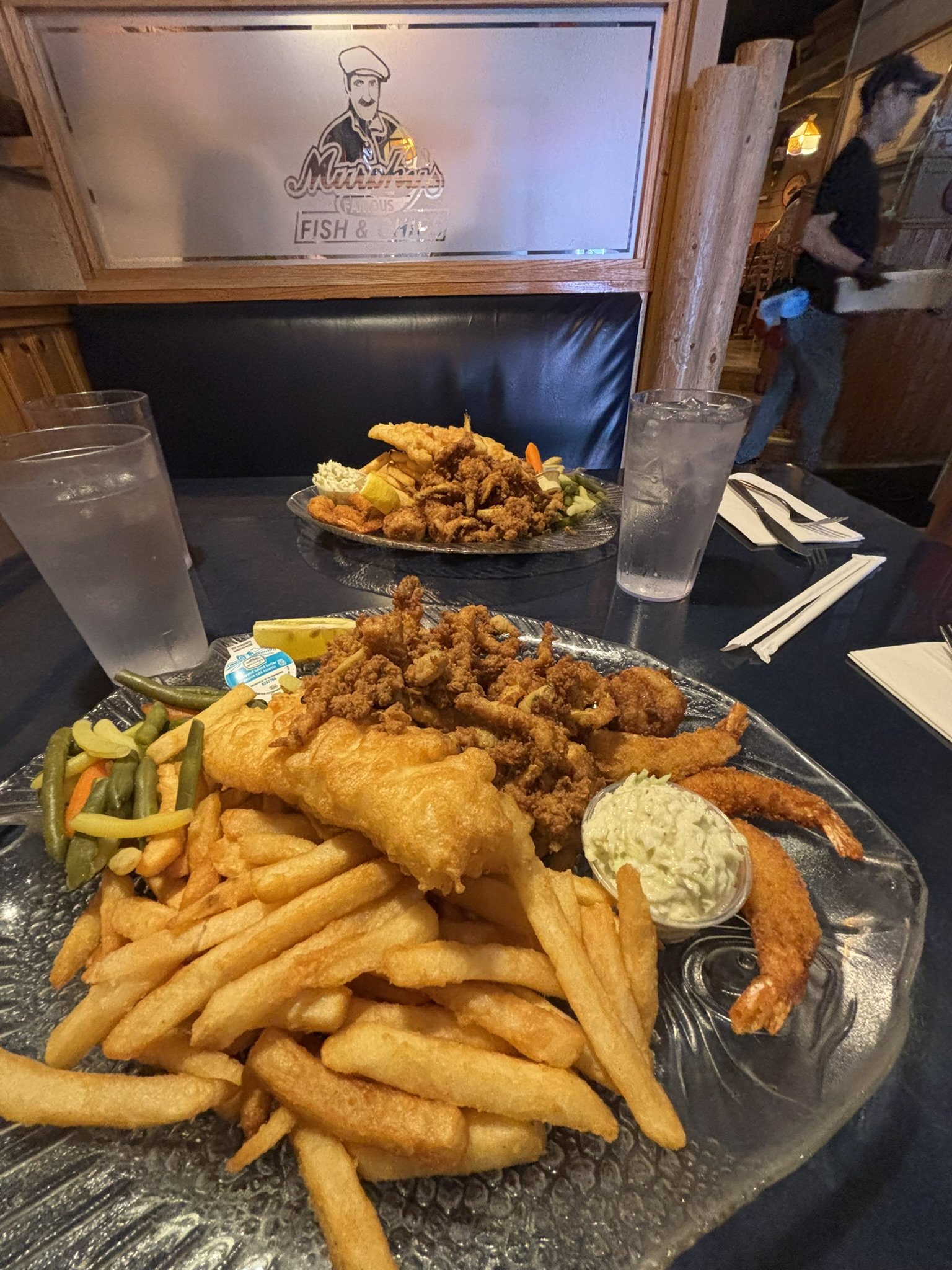
At 88 Esplanade Street in Truro, roughly halfway between Halifax and Prince Edward Island, Murphy's Fish & Chips Eatery has been a Nova Scotia institution for years. This family restaurant claims to serve the "best English-style fish & chips in Canada" — a bold claim, but one plenty of visitors happily back up after a single bite! The moment you push the door open you're surrounded by a delightful nautical decor: colourful buoys hanging overhead, fishing nets, seashells, old woodwork… It feels like an old-time fishing harbour! The warm atmosphere and friendly welcome — often from the owner himself, Mr. Anderson, who thinks nothing of coming over for a chat at your table — add all the charm of the place. One lovely detail: the food is served on fish-shaped plates! As for the cooking, it's a treat. Fish and chips is the undisputed specialty: impeccably fresh cod or haddock, a crisp but light batter (not too greasy!), served with perfectly golden fries and a homemade tartar sauce to die for. But it was the Seafood Platter that really won us over — a full-on explosion of flavours from the sea: perfectly cooked white fish, juicy shrimp, melting scallops, plus squid and sometimes even lobster depending on the catch… All of it served with fries, coleslaw and an assortment of sauces. A generous platter that showcases the best seafood Nova Scotia has to offer! An address that captures the Nova Scotia maritime spirit at its most authentic. An essential stop on the road.
Sleeping at Jeff's Hideaway Campground & Cottages
To settle in for the night in the beautiful Annapolis Valley, head for the charming Jeff's Hideaway Campground & Cottages — a family campground full of personality, in Wilmot, between Middleton and Kingston, on the legendary Evangeline Trail (Highway 1). Formerly known as Vidito Family Campground, it was renamed in honour of Jeffrey Senkerik and is run today by a devoted team carrying on a fine family tradition. The setting is superb: tucked along the banks of the Annapolis River, surrounded by lush forest, with the Bay of Fundy a short drive away and thoroughly enchanting scenery. It's a dream spot for wildlife watching — bald eagles, turtles, all kinds of birds — in a peaceful, restorative environment. When it comes to accommodation, there's something for everyone: 56 sites with or without full services (water, electricity, sewer, Wi-Fi), cottages, cabins, RV sites and tent sites. On site you'll find a pool, a playground, the campground store, washer and dryer, and plenty more. The owners are known for their warm welcome and easy hospitality — a good many visitors compare the experience to finding a second family! Another pleasure of the place: the summer theme events held regularly (Christmas in July, bingo, children's activities, lively campfires). In short, a true hideaway that invites you to unplug and reconnect with nature — ideally placed for visiting Grand-Pré, the Annapolis Valley, Wolfville and its vineyards, and for ranging out as far as the Bay of Fundy.
Burntcoat Head Park — Walking on the ocean floor!
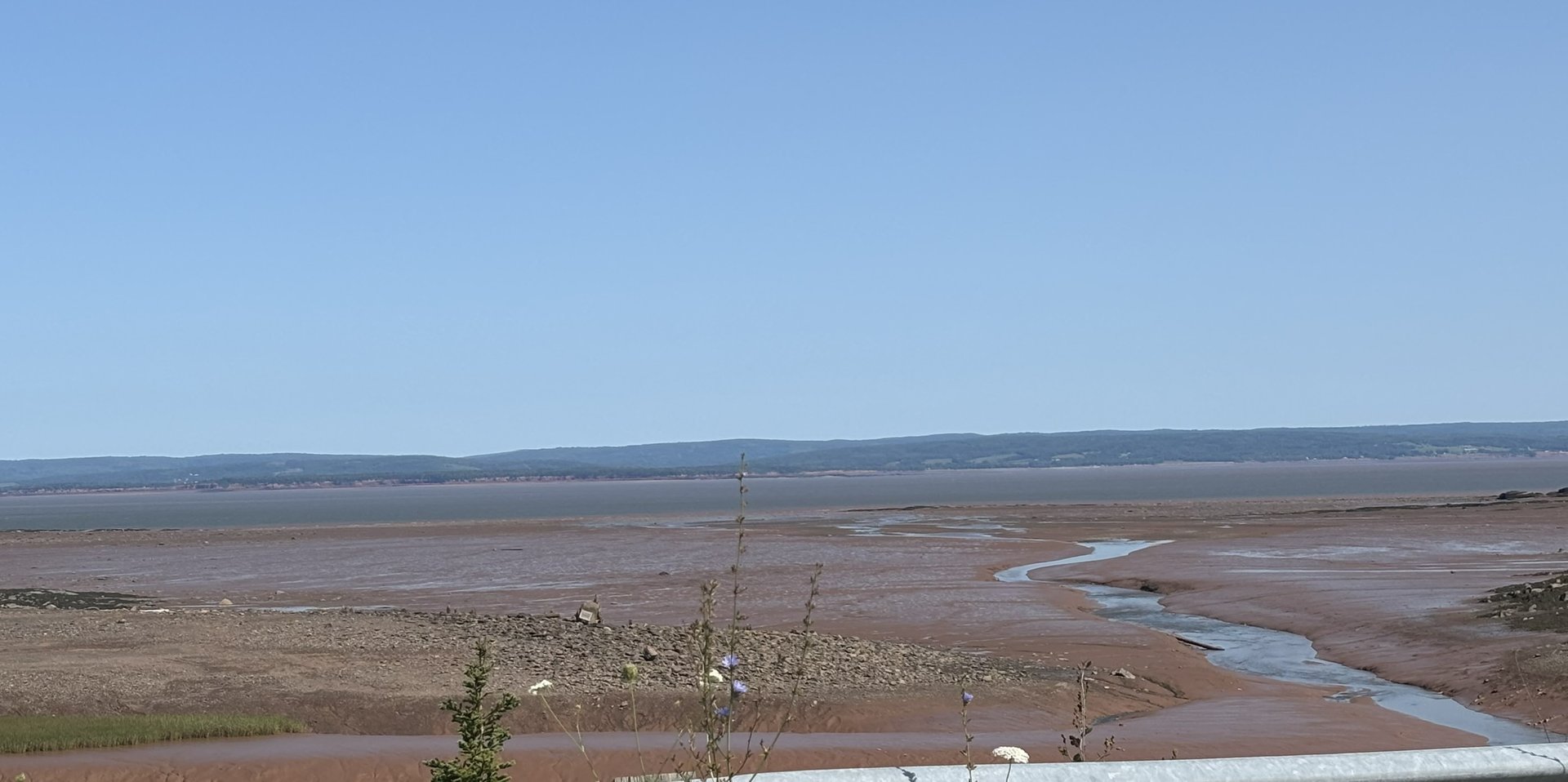
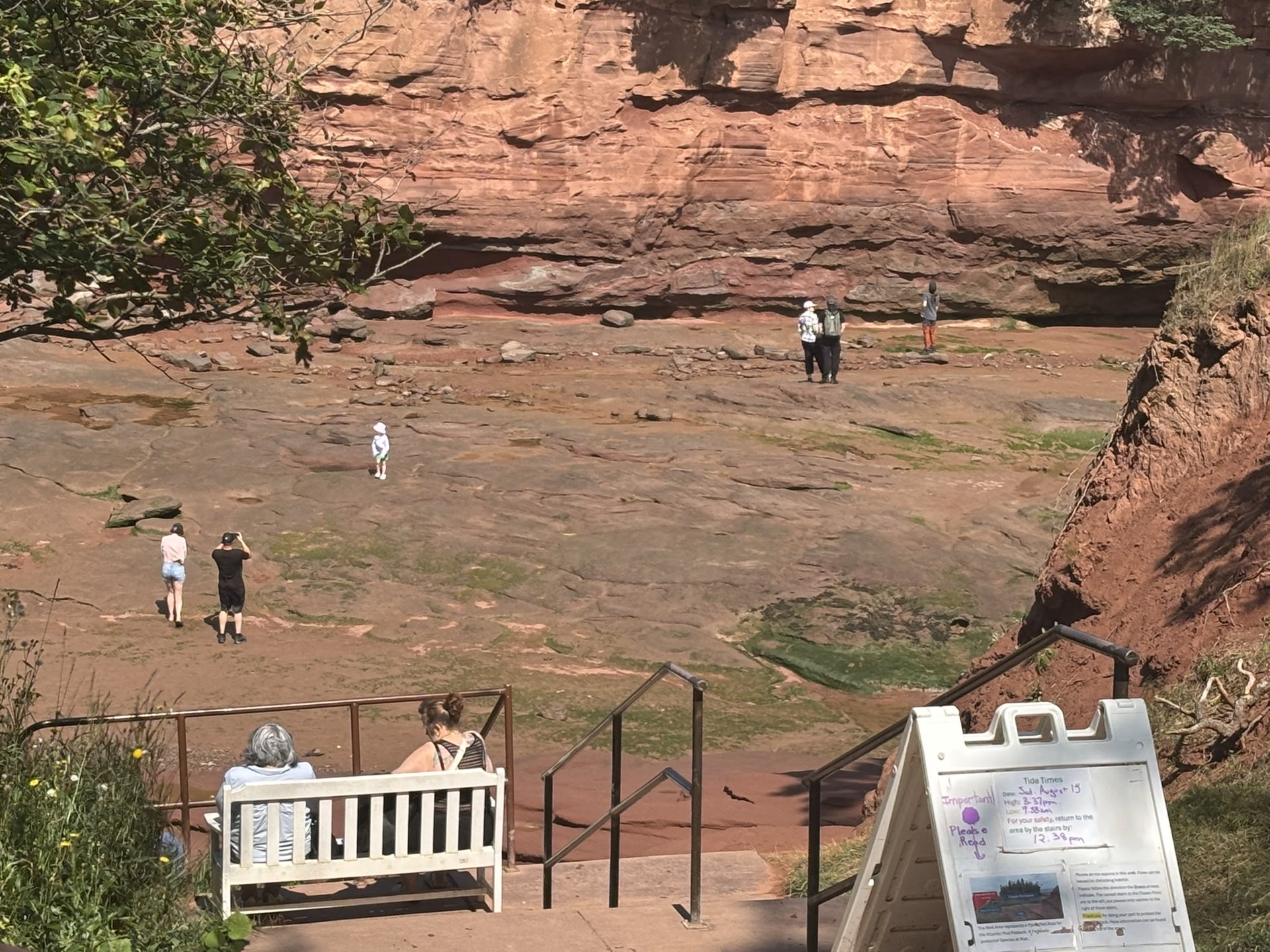
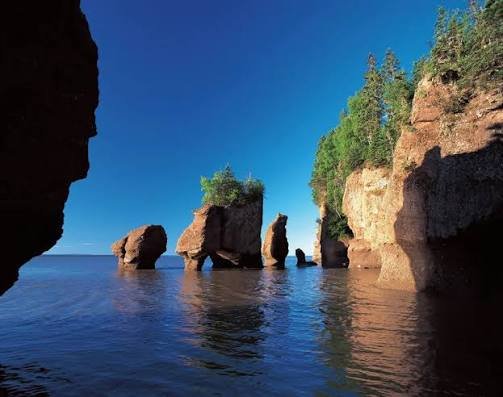
About 100 km north of Halifax, in the rural Minas Basin area, hides one of the most extraordinary sites in the world: Burntcoat Head Park! This small coastal park holds the Guinness record for the highest tides ever recorded on Earth — a distinction it has held since 1975 and one that draws visitors from every corner of the globe. The numbers are staggering: twice a day, 160 billion tonnes of water — more than the combined flow of every freshwater river on the planet! — rush into and back out of the Minas Basin through the Bay of Fundy. The difference between low tide and high tide can exceed 16 metres (the height of a 5-storey building!). An utterly astonishing natural phenomenon, named one of the Seven Natural Wonders of North America. This is the park's signature experience: at low tide, you can literally walk on the ocean floor! The landscape turns into a fascinating lunar set, with rocks sculpted by the tides (the famous "flowerpots"), seaweed, shells and marine life laid bare. Then, a few hours later, the whole place is submerged under metres of water! You really have to see it to believe it. The park also offers guided low-tide walks (May to October, depending on the tide schedule) led by experienced guides who explain the site's unique ecosystem, geology and history. On site you'll also find a replica of the historic lighthouse (with a panoramic view from the top of the tower), interpretive panels, a gift shop, picnic areas and a lovely covered gazebo for eating. The park is open from mid-May to mid-October, and admission is charged (modest fees). An experience found nowhere else in the world, not to be missed under any circumstances when you're passing through Nova Scotia! A visit we highly recommend to get the most out of it!
⚠️ Planning is crucial! Tide times change every day — be sure to check the schedule at burntcoatheadpark.ca before your visit. To explore the ocean floor safely, aim to arrive within the 3 hours before or after low tide. To really grasp the scale of the phenomenon, the ideal is to see the site at low tide AND at high tide — the 6-hour gap between the two leaves you plenty of time to explore the surroundings (Maitland, Wolfville, Windsor).