Switzerland — Canton of Valais
Saillon
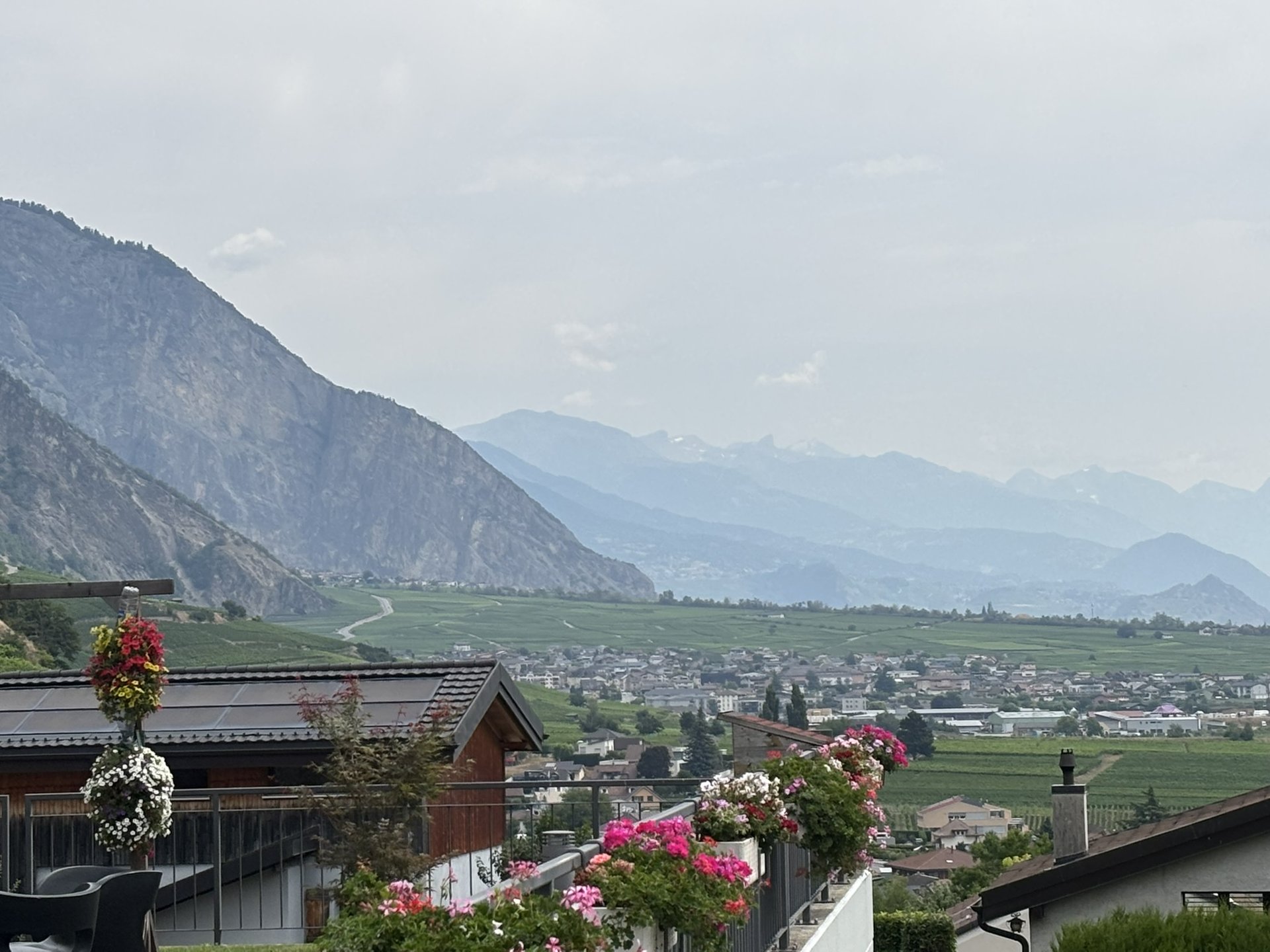
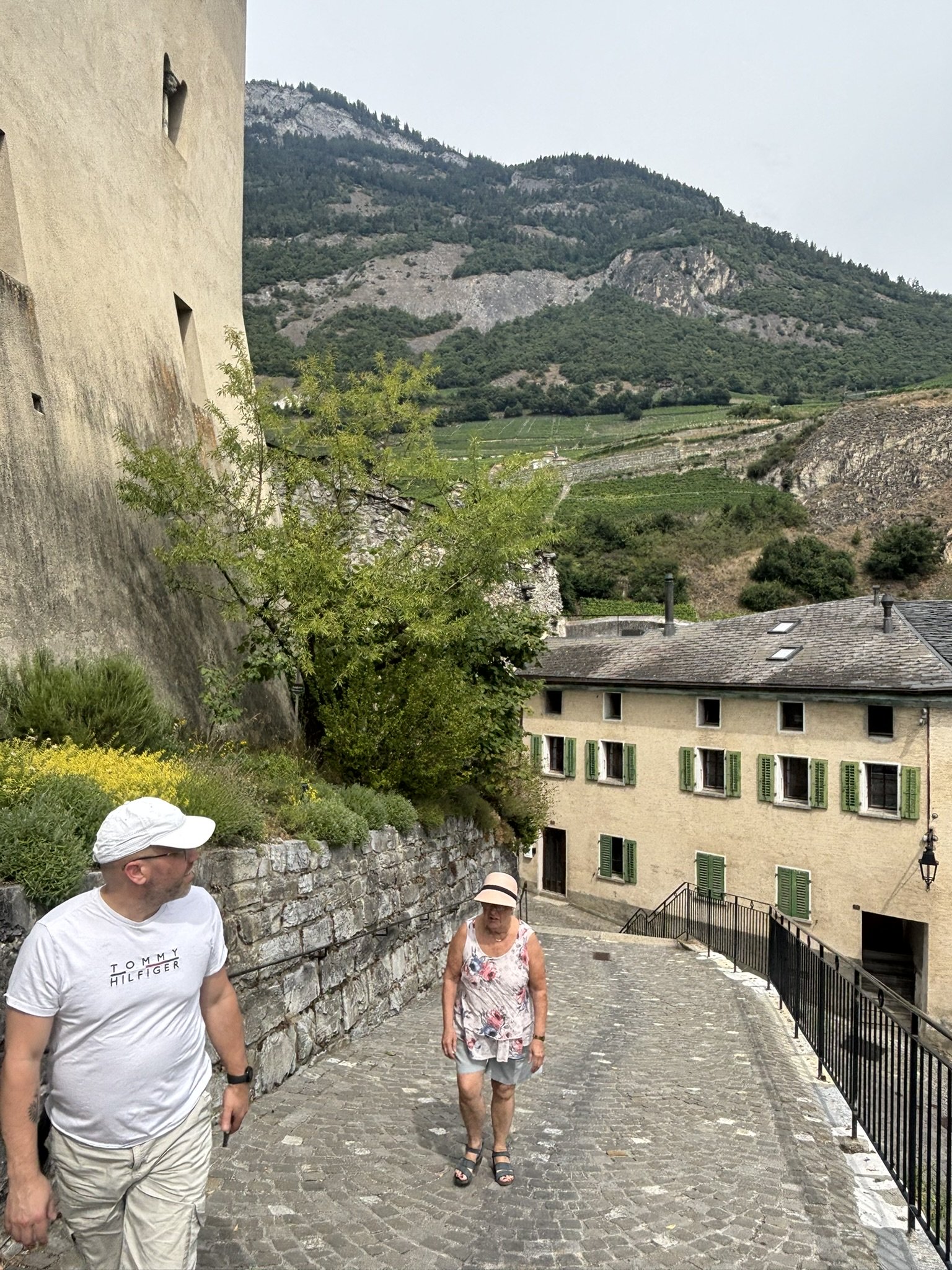
Tucked between terraced vineyards and the mountains of Valais, Saillon is a medieval village unlike any other in Switzerland — ranked among the most beautiful villages of French-speaking Switzerland. Its cobbled lanes, entirely pedestrian, its ramparts and its famous Tour Bayart carry you instantly back to medieval times. A walk through the old town is like leafing through an open-air history book. Saillon is also the land of Valais flavours: renowned spring asparagus, exceptional wines (Petite Arvine, Humagne, Syrah) and local legends. The village was the refuge of the famous Farinet, a counterfeiter turned legendary figure of Valais — a fascinating story you discover at the museum that bears his name. The highlight? The Passerelle à Farinet, an airy crossing above the Salentze gorges with panoramic views over Saillon.
Switzerland — Canton of Valais
Martigny
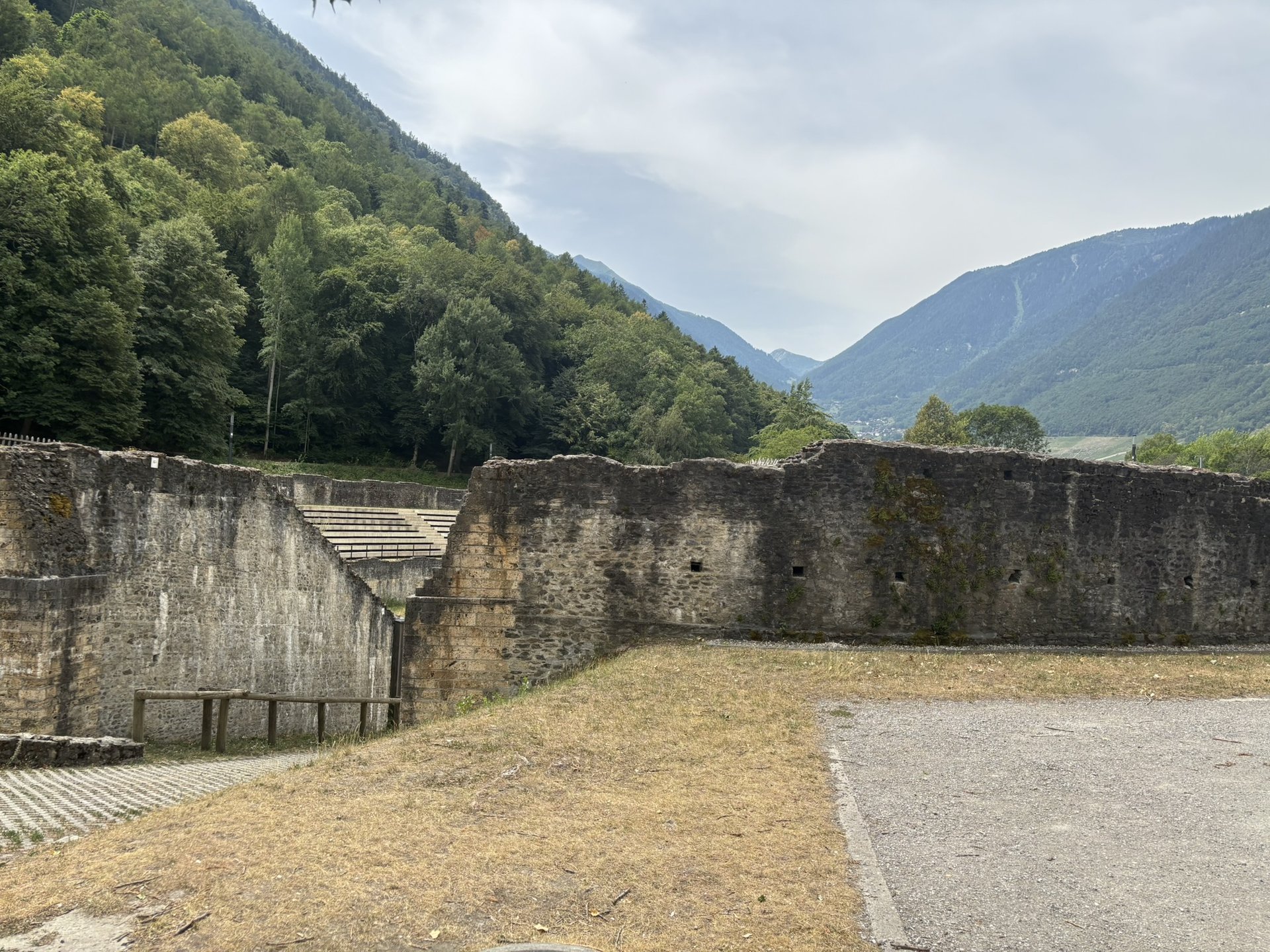
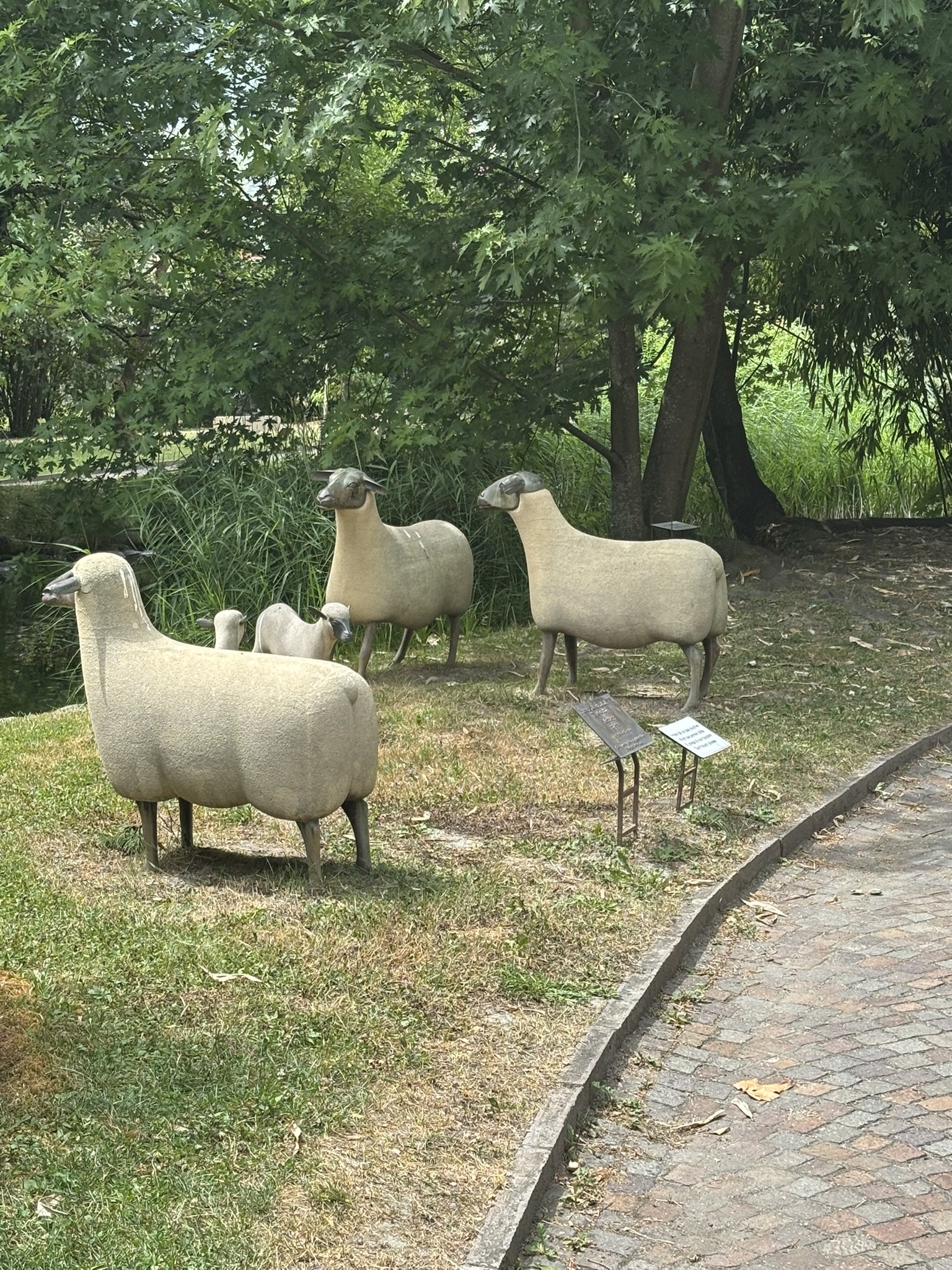
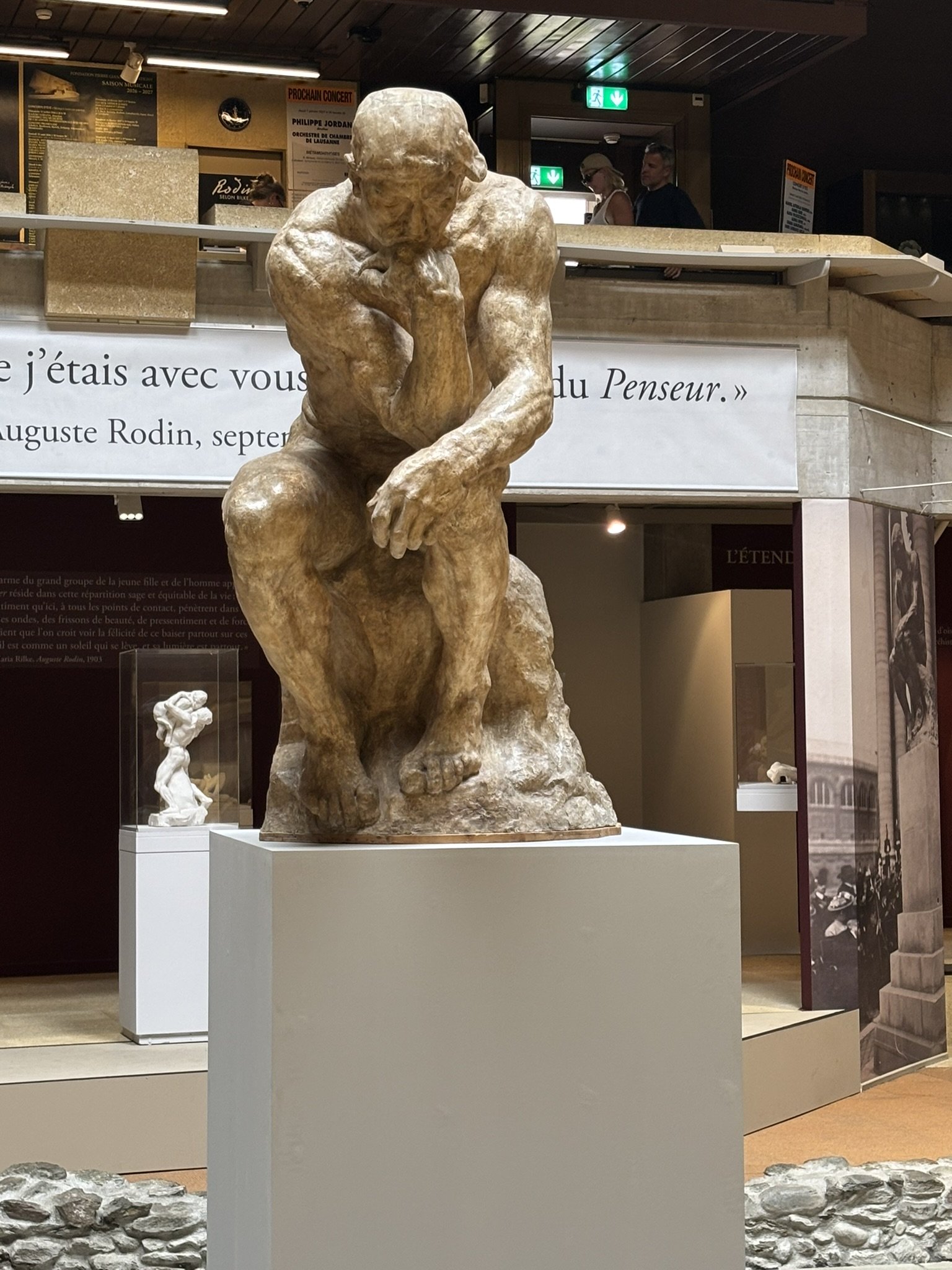
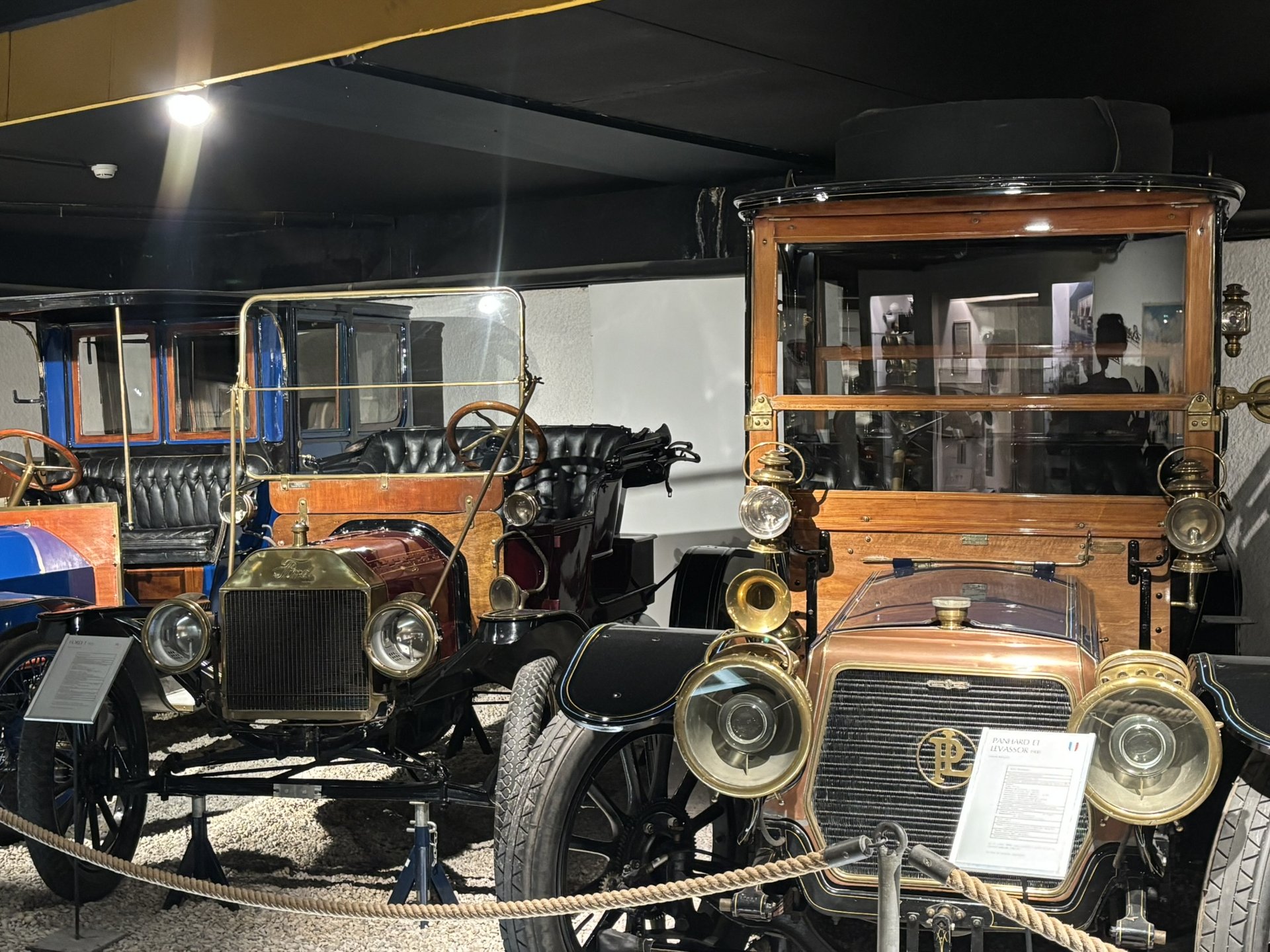
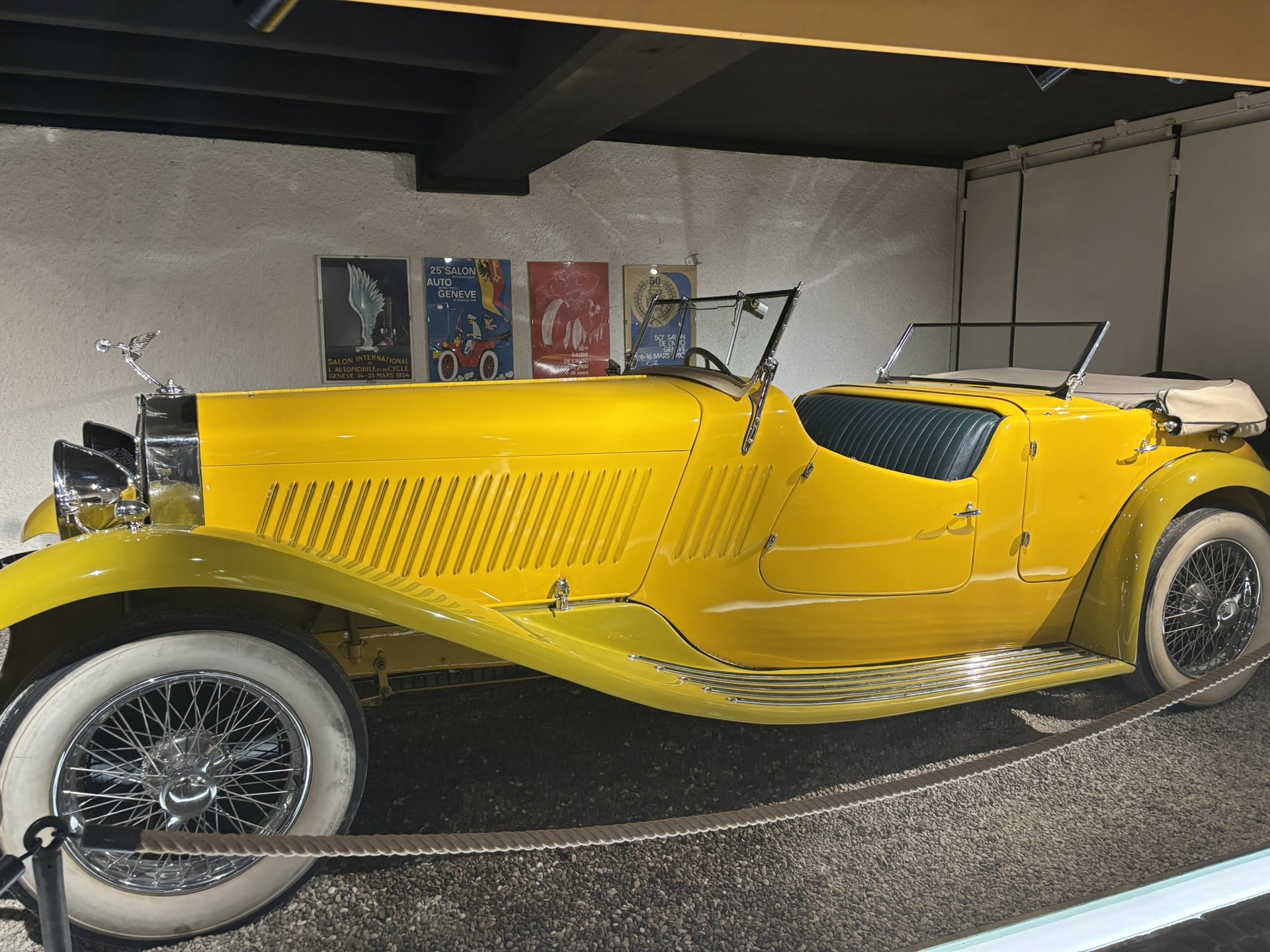
Set in the elbow of the Rhône valley, Martigny brilliantly marries ancient heritage with contemporary culture. The town is the hub of the Valais Alps — at the crossroads between France (Col de la Forclaz), Italy (Great St Bernard Pass) and Lake Geneva. The great must-see is of course the Fondation Pierre Gianadda. Since 1978, it has become a benchmark museum in Switzerland and in Europe, with major temporary exhibitions. More than 10 million visitors have already admired works from private collections and the world's great museums — during the Van Gogh, Picasso, Klee, Goya, Rodin, Giacometti, Chagall and Modigliani exhibitions, among others. The complex also houses a Gallo-Roman archaeological museum, a car museum, a renowned concert season and one of the finest sculpture parks in Europe. The car museum in particular delights enthusiasts: a superb collection of about fifty vehicles (1897-1939), several of them the only ones of their kind in the world, all in running order. Right next door, don't miss the impressive restored Roman amphitheatre, which could hold 5,000 people and is used today for summer concerts. The château de la Bâtiaz, with its medieval towers overlooking the town, rounds out this fine plunge into history.
Switzerland: the language border between French- and German-speaking Switzerland
Fribourg
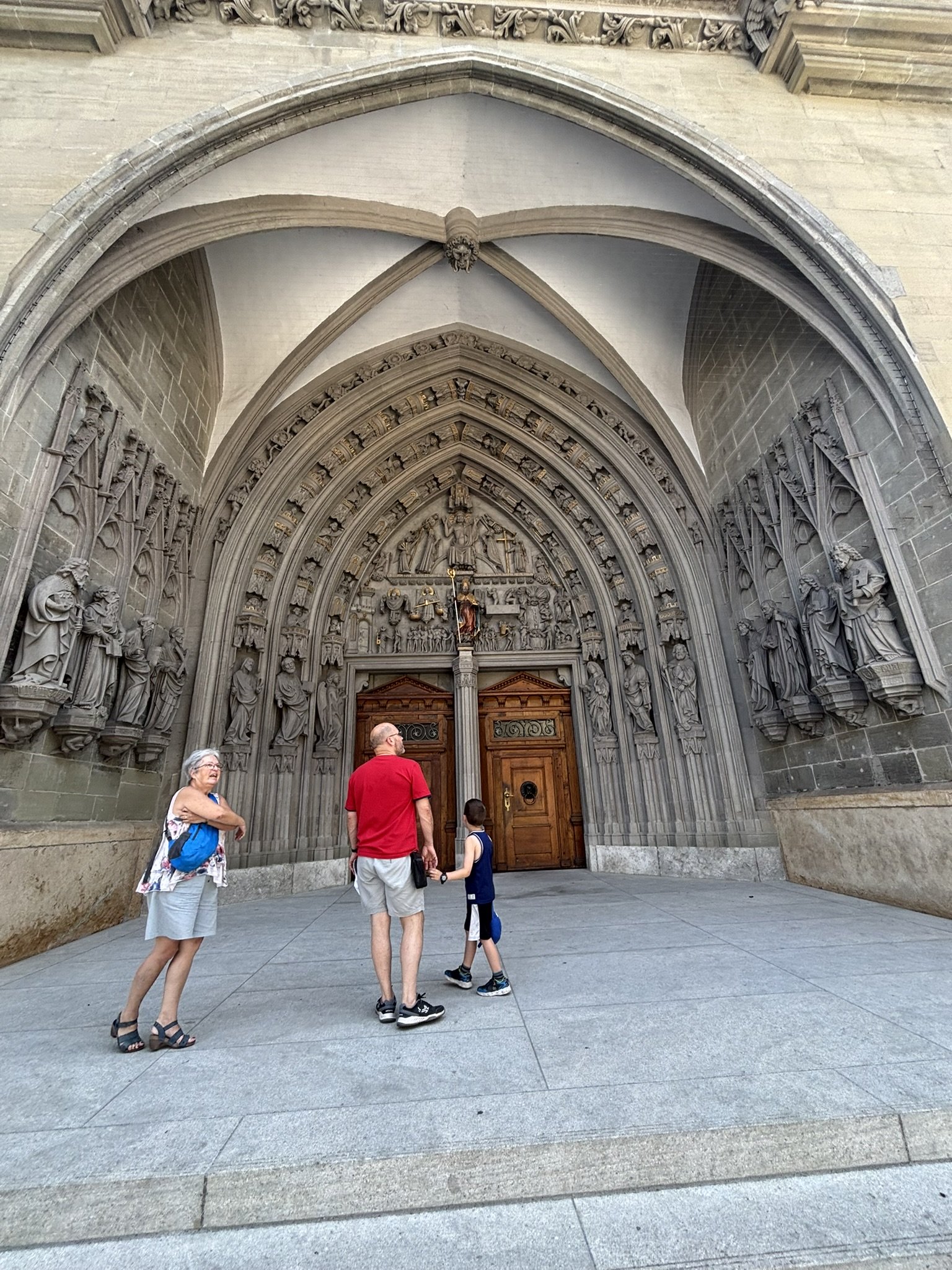
In the west of the country, on the language border between French-speaking and German-speaking Switzerland, Fribourg is considered one of the most beautiful medieval cities in Europe. Nestled in the meanders of the Sarine, it offers a complete change of scene with its 200 Gothic façades and its remarkably well-preserved architectural heritage. The historic heart impresses at first glance. The majestic cathedral of Saint-Nicolas, whose construction began in 1283 and lasted more than three centuries, has a 74-metre spire offering a panoramic view over the whole old town and beyond. Its stained glass and Gothic detail are breathtaking. Fribourg is also the city of bridges par excellence: from the oldest, the pont de Berne with its wooden roof, to the stone bridges of the Neuveville quarter, by way of the imposing pont de la Poya, the longest cable-stayed bridge in Switzerland. You absolutely have to go down into the Basse-Ville, the old quarter huddled at the foot of the cliff, to discover picturesque lanes, hidden cafés and the charm of another century. The Fribourg funicular, powered by the city's wastewater, links the Haute-Ville to the Basse-Ville — a technical curiosity unique in Europe!
Espace Jean Tinguely — Niki de Saint Phalle
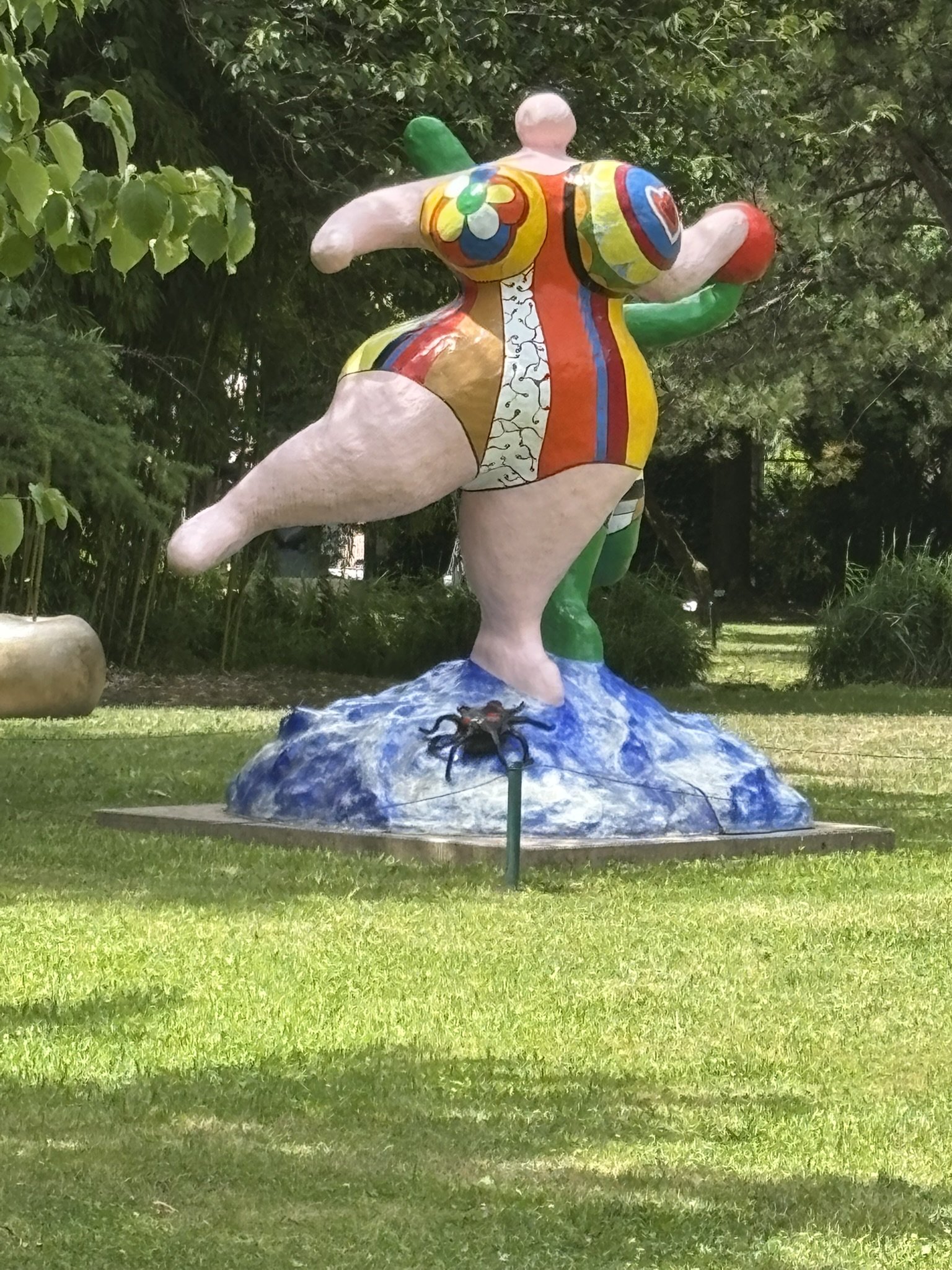
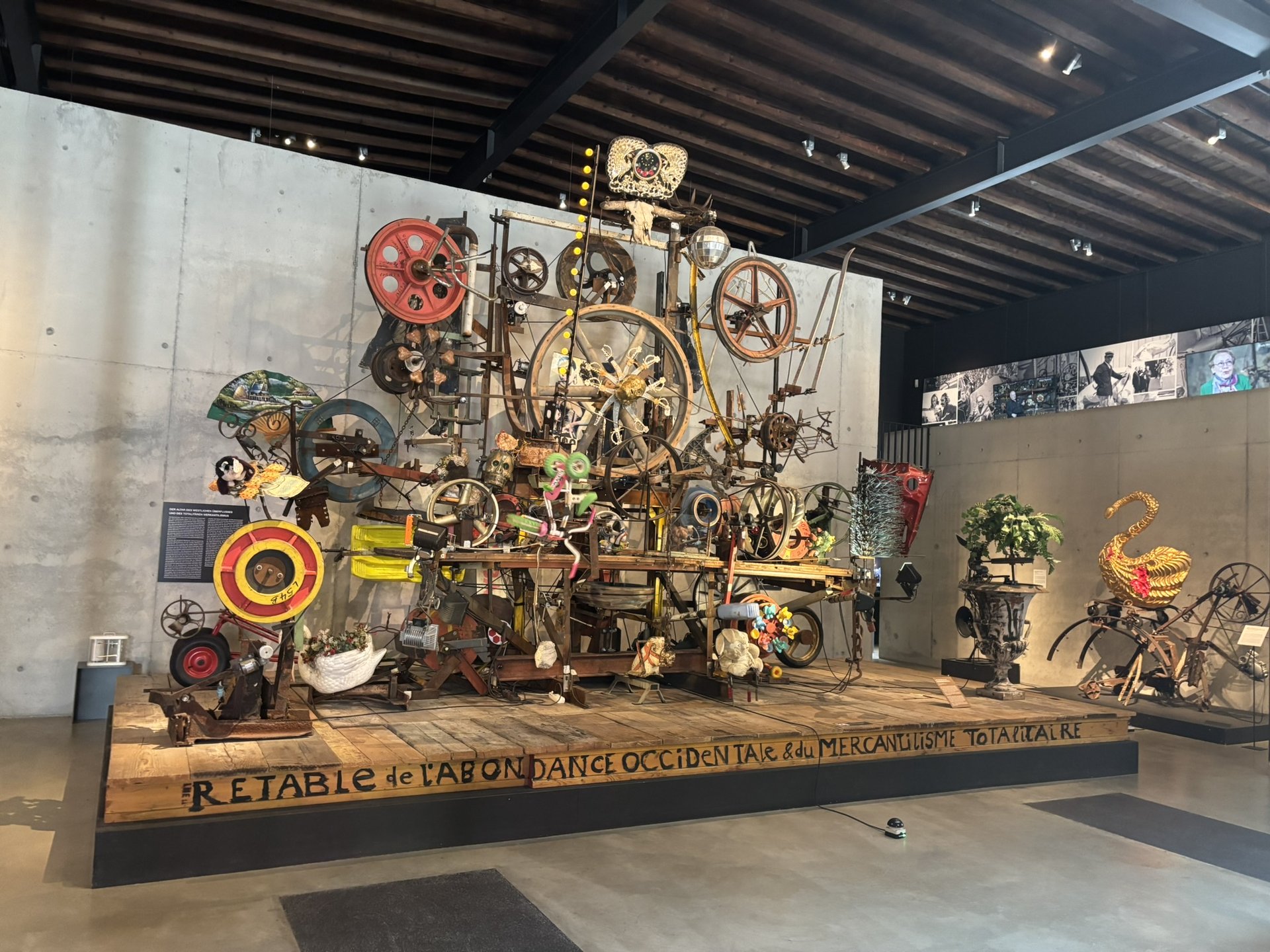
A couple of steps from the cathedral of Saint-Nicolas, right in the heart of Fribourg, the Espace Jean Tinguely — Niki de Saint Phalle is one of the city's most astonishing cultural gems. Inaugurated on March 16, 1998, this museum is devoted to the work of Jean Tinguely and Niki de Saint Phalle. It grew out of Niki de Saint Phalle's wish to give the canton of Fribourg — Tinguely's birthplace — works by her husband. The place itself is already a work of art: built in 1900, the building first served as a depot for Fribourg's trams, keeping a poetic memory that echoes Jean Tinguely's mechanical universe. A perfect setting for these extraordinary artists! At the heart of the museum stands the Retable de l'Abondance occidentale et du Mercantilisme totalitaire (1989/90), Tinguely's centrepiece, surrounded by Niki de Saint Phalle's 22 Remembering reliefs (1997/98). The great pleasure? Red foot pedals let you set the various machines in motion — creations that crackle, rumble, crawl and fly, made of salvaged objects and full of humour. As Switzerland Tourism puts it so well: the clattering works of Fribourg artist Jean Tinguely are a real delight, as are the voluptuous "nanas," the colourful female sculptures by his wife Niki de Saint Phalle. An experience at once playful, poetic and fascinating, for young and old alike!
Switzerland, Canton of Vaud
Lac de l'Hongrin
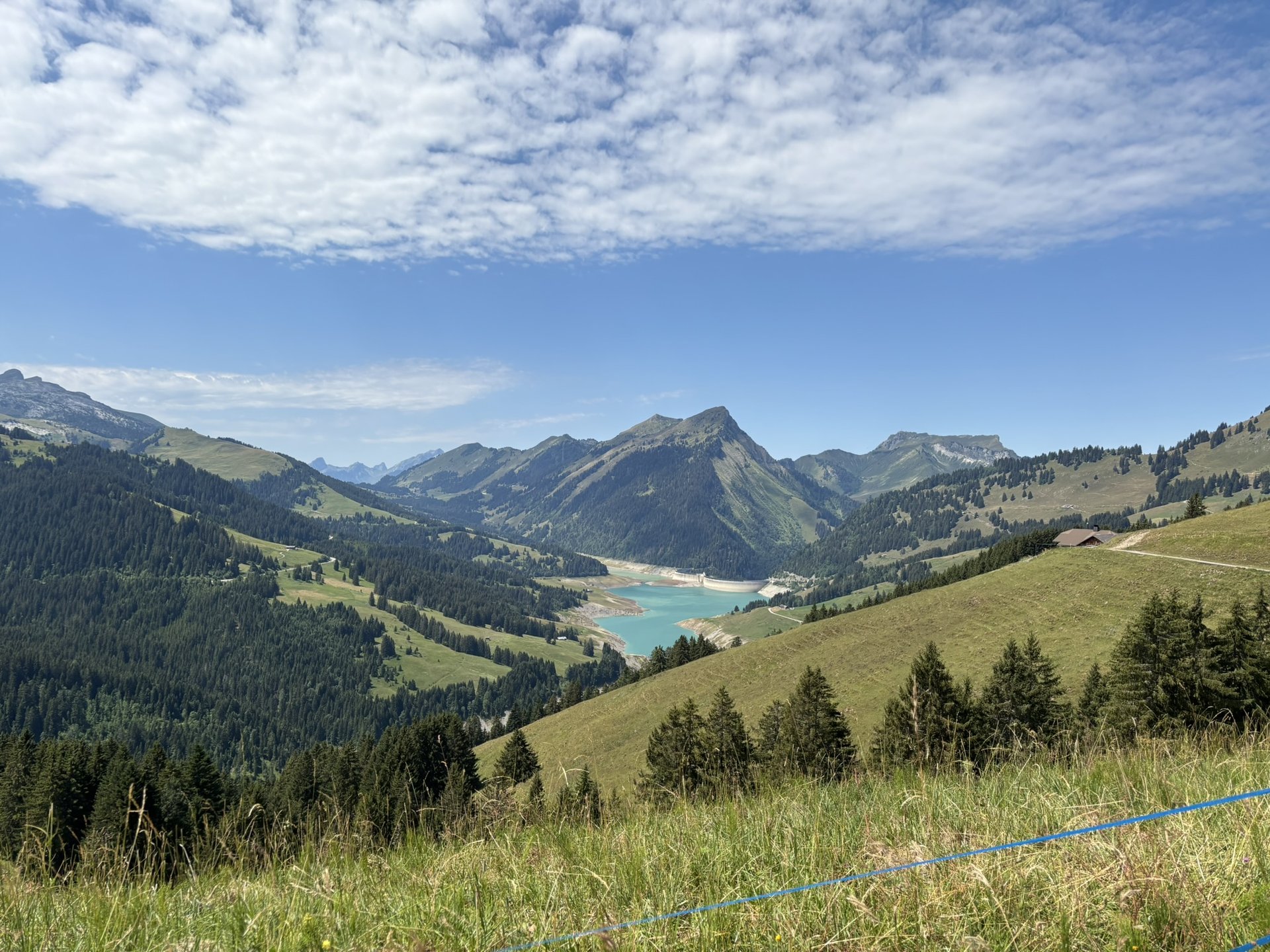
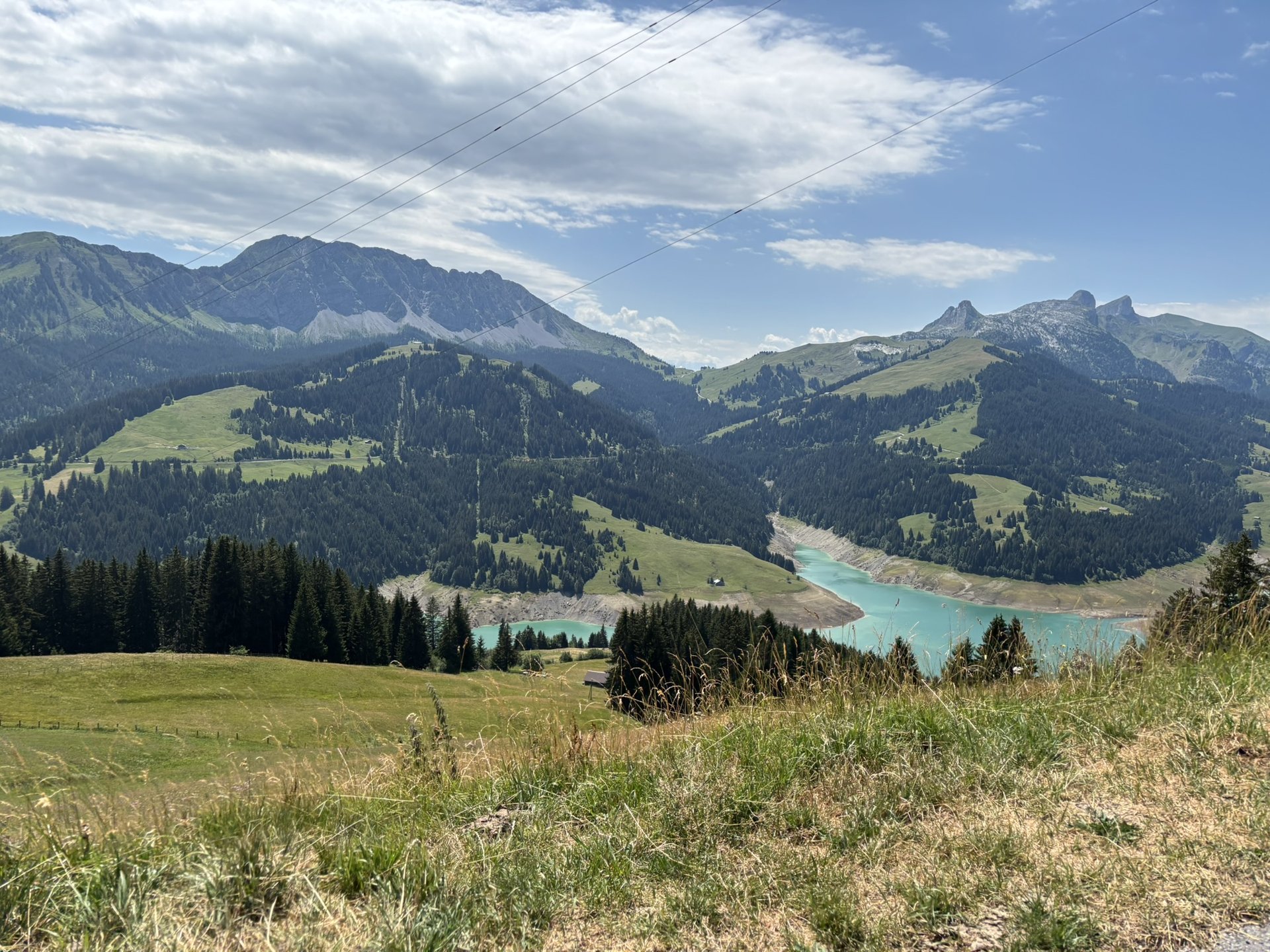
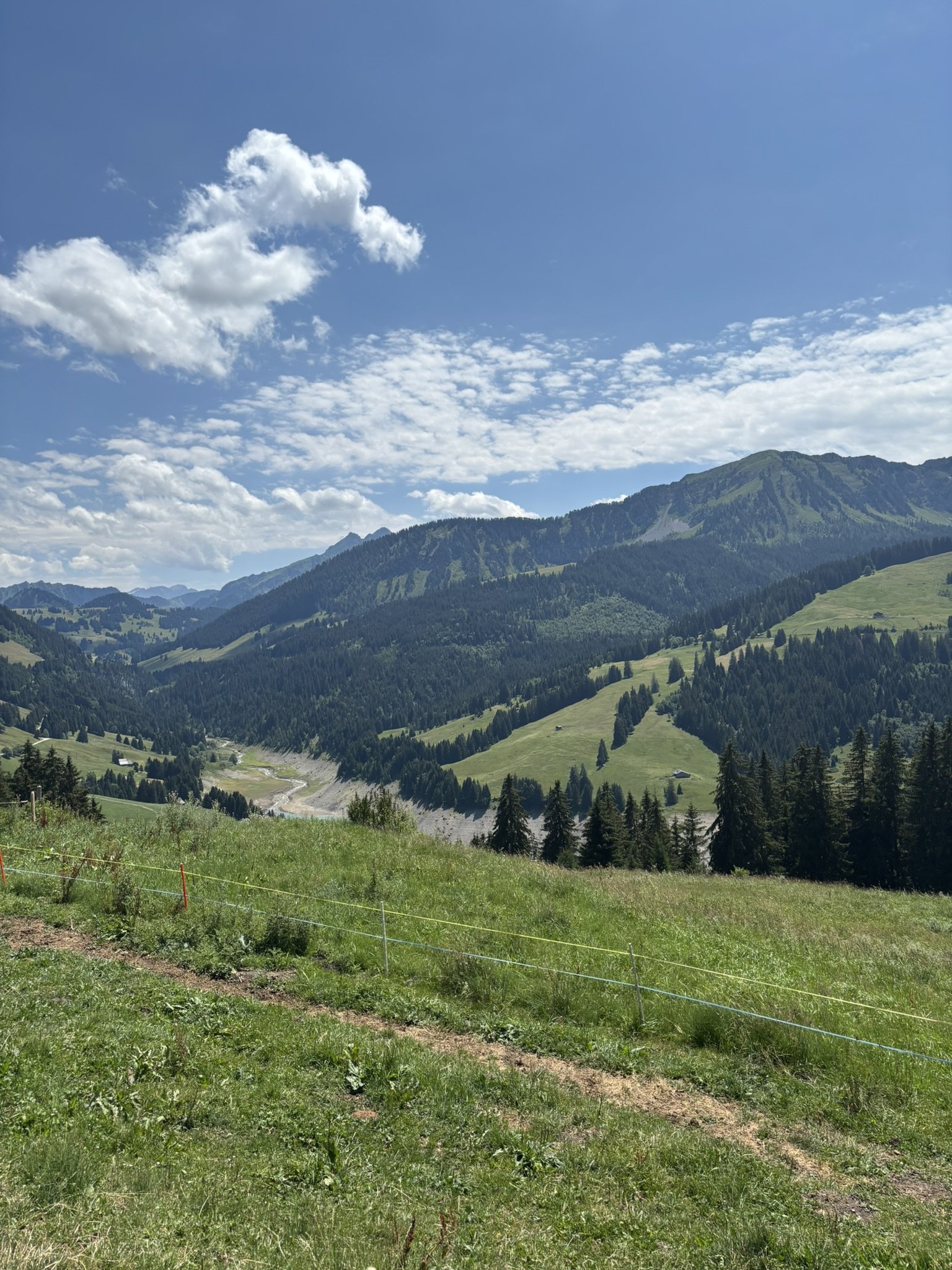
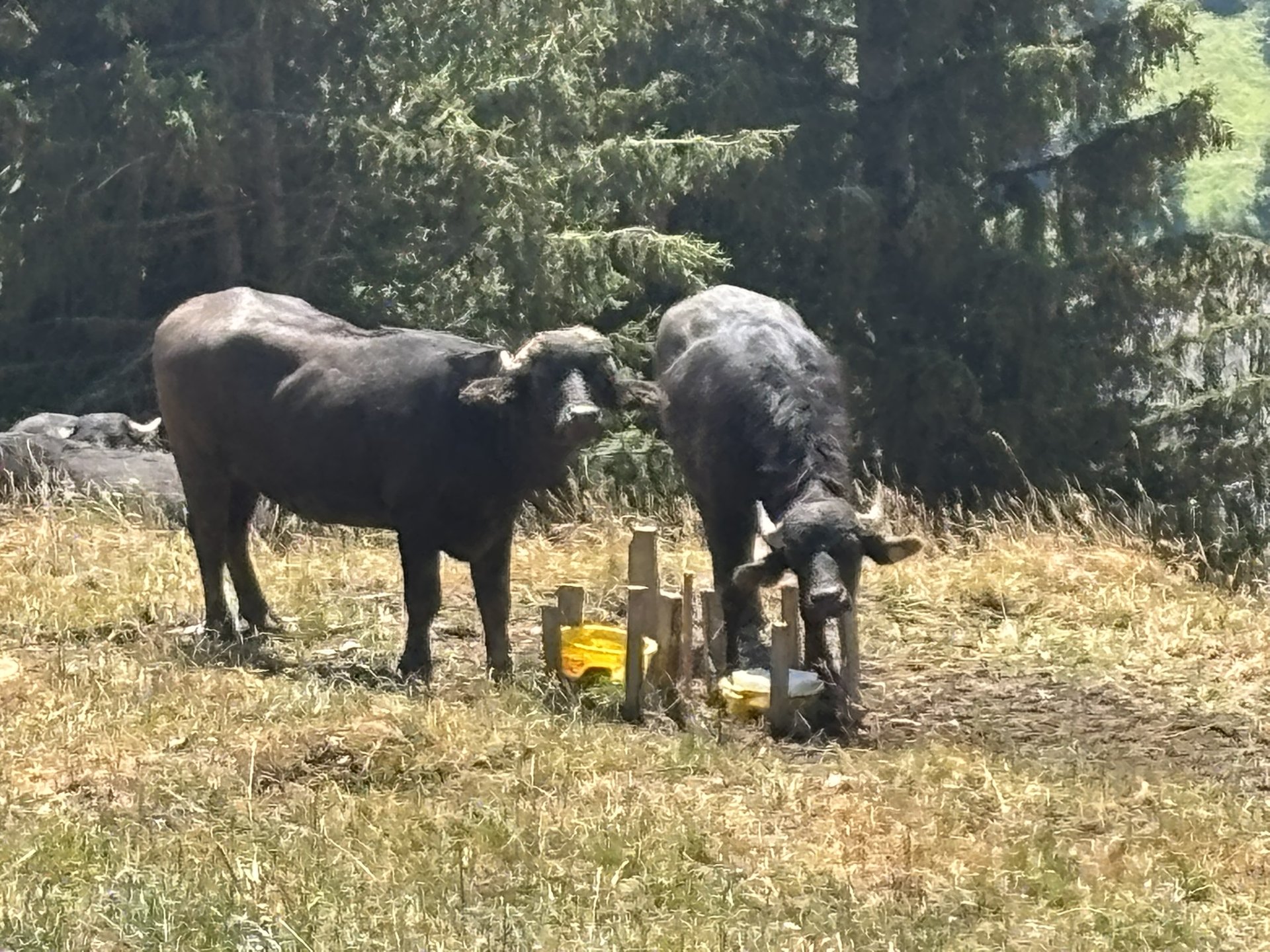
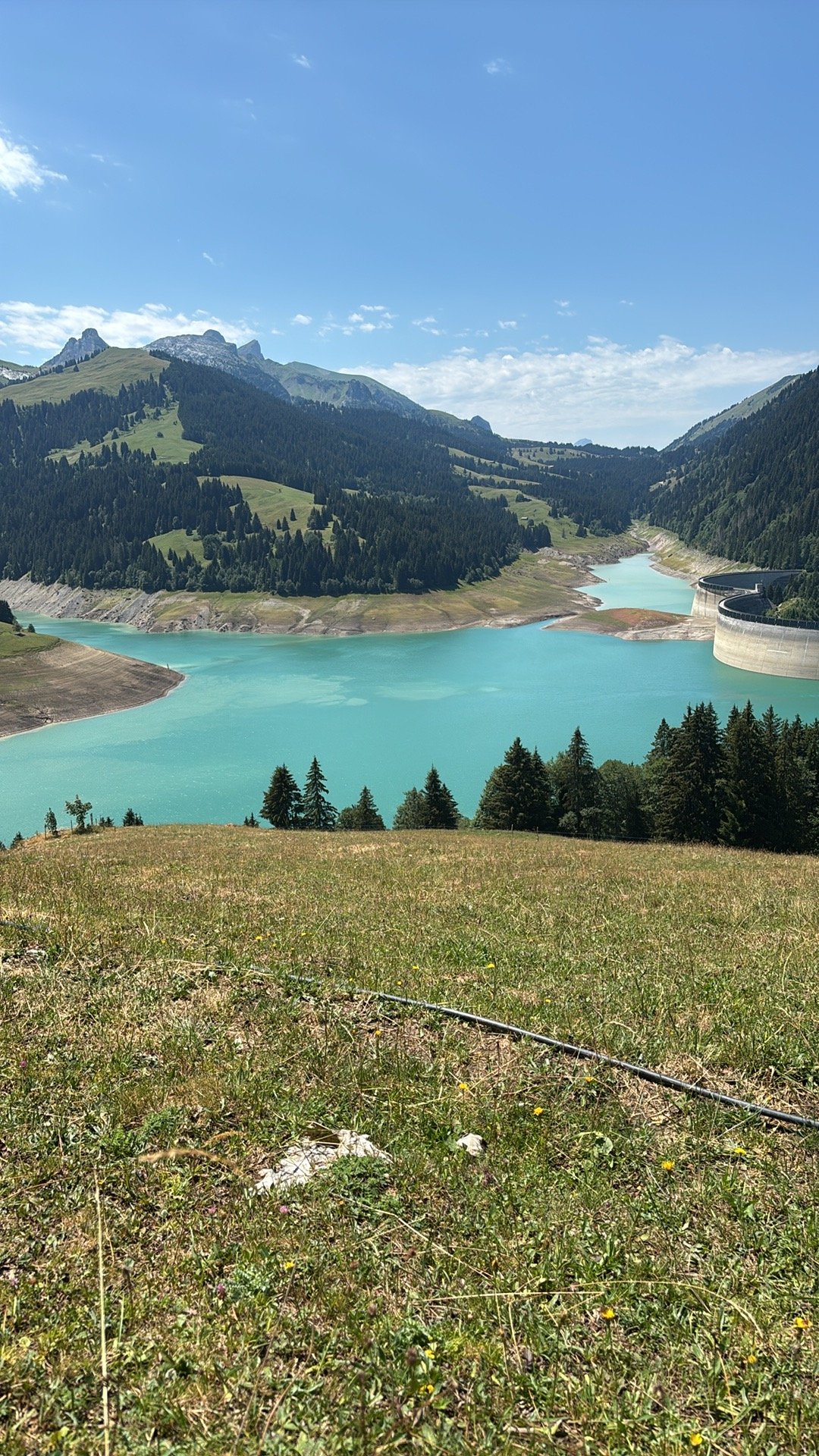
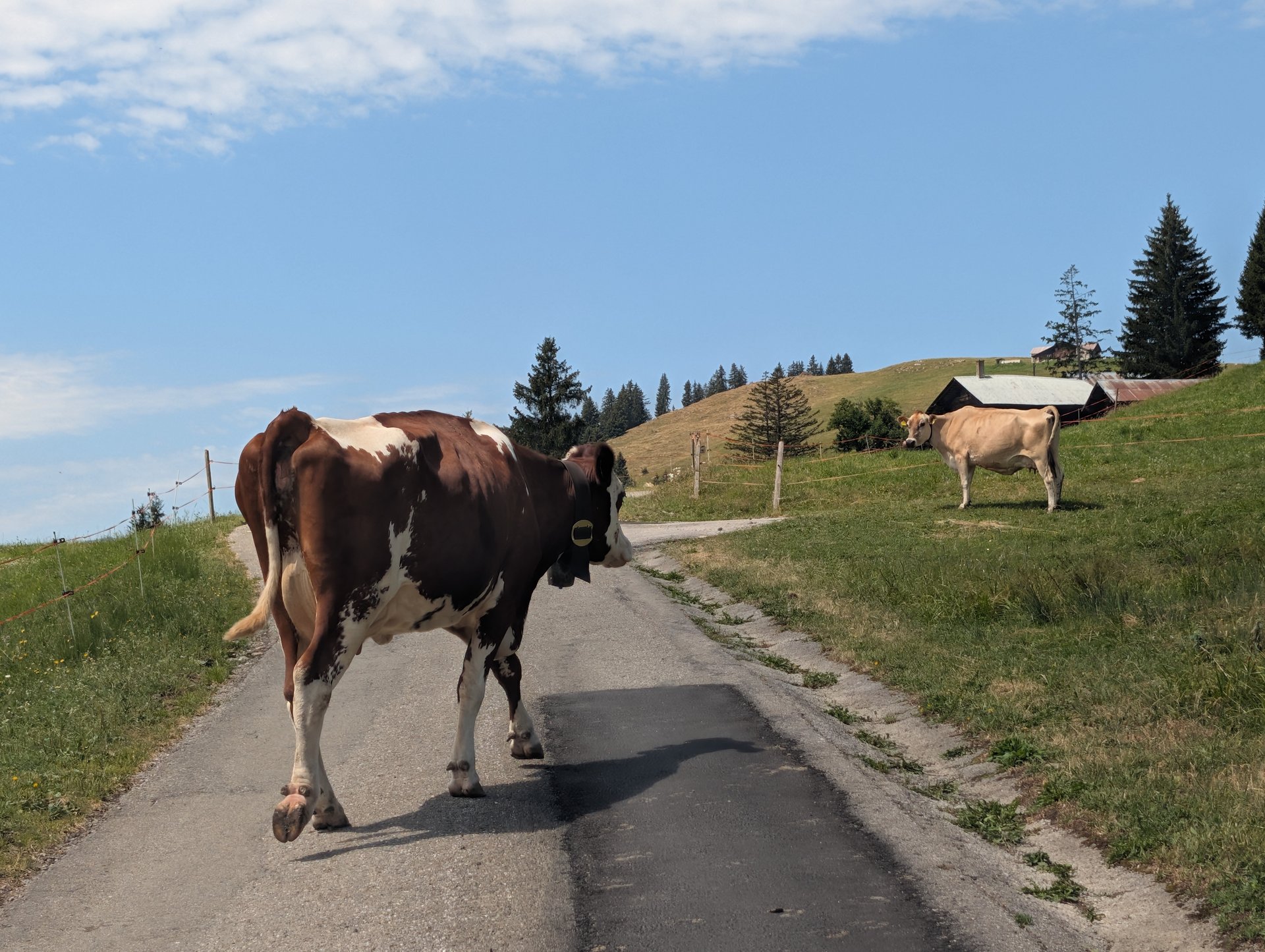
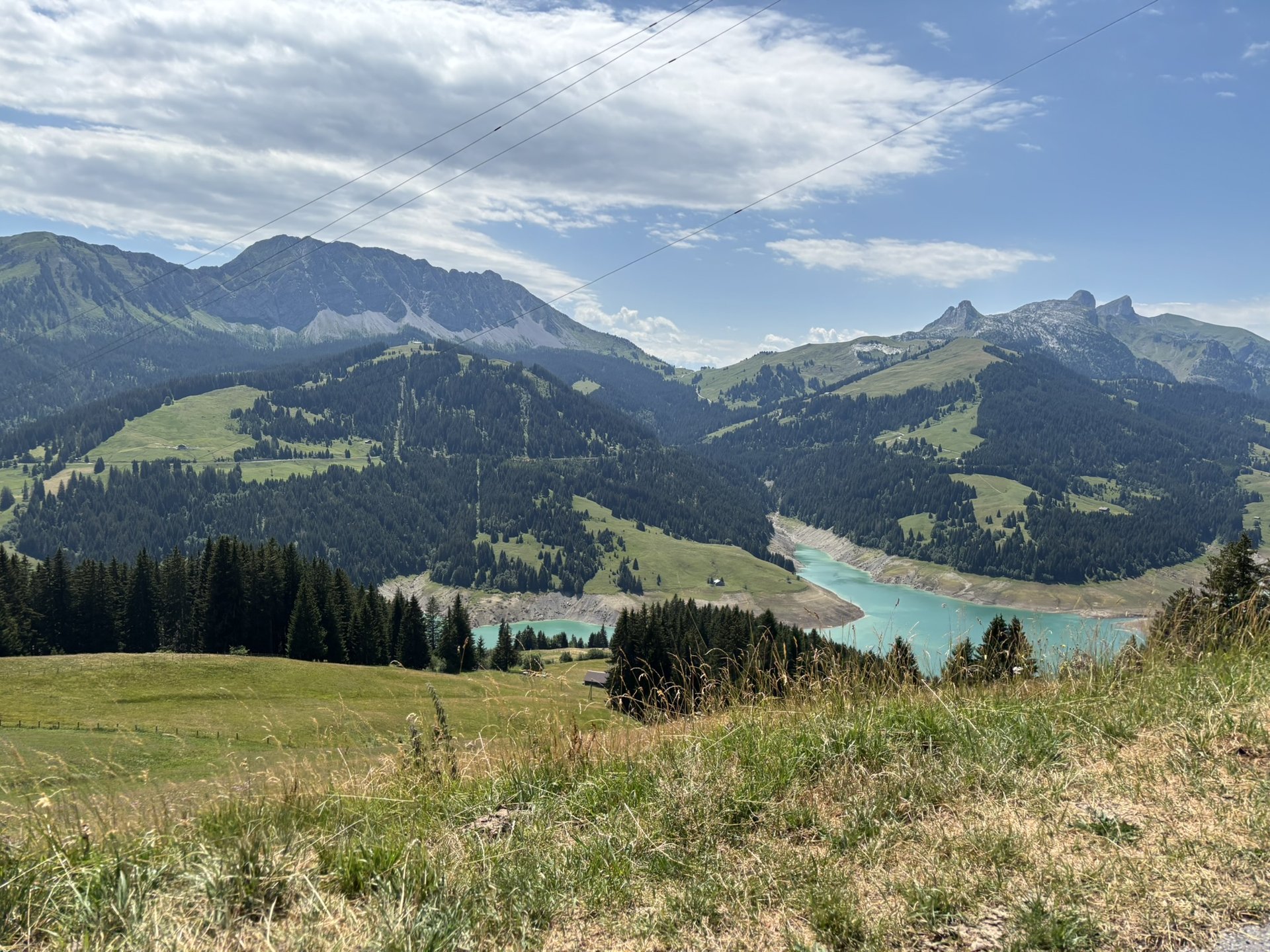
Between the Col des Mosses and La Lécherette, at 1,255 metres of elevation, lies one of the least known jewels of the Swiss Alps: the Lac de l'Hongrin. Nestled in the heart of the Vaud Alps, this artificial reservoir surprises with its unspoiled natural setting. Ringed by forests and pastures, this intensely coloured lake offers landscapes that shift with the seasons. The main structure, the Hongrin dam, is a genuine feat of engineering. Built in the early 1970s, it is easy to recognize by its distinctive double arch, unique in the world, rising to a maximum height of 123 metres. The structure holds back 52 million m³ of water in all, with two elegant double-curvature arches 123 m and 95 m high. The whole thing rests on a central rocky "islet" — an architectural boldness that leaves you speechless. The spot is a paradise for nature lovers. In summer, the dam is reached by a small road that follows the reservoir from La Lécherette. The road brings you to the crest of the dam and to a magnificent, bucolic view over the surrounding mountains and pastures. The famous tulip-shaped spillway is a show in itself — unique in French-speaking Switzerland! Hiking, trout fishing, cycling around the lake (about 20 km), picnicking in the alpine meadows… everything invites contemplation. One small thing to know: the reservoir lies partly within a military firing range, which can restrict access on weekdays. Better, then, to plan your visit on a weekend to enjoy the quiet of the place fully. A real insiders' secret!
Lyon
Parc de la Tête d'Or
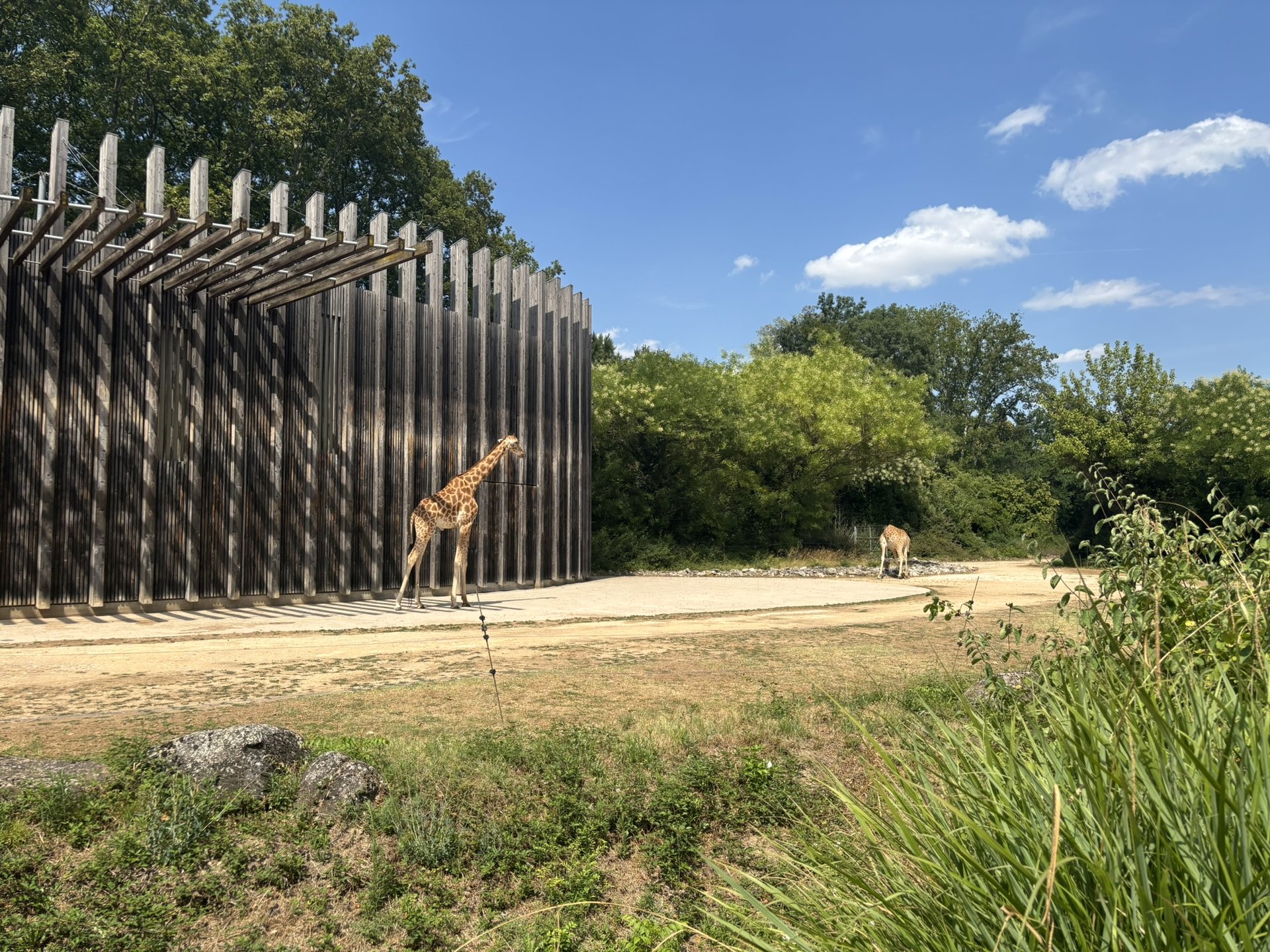
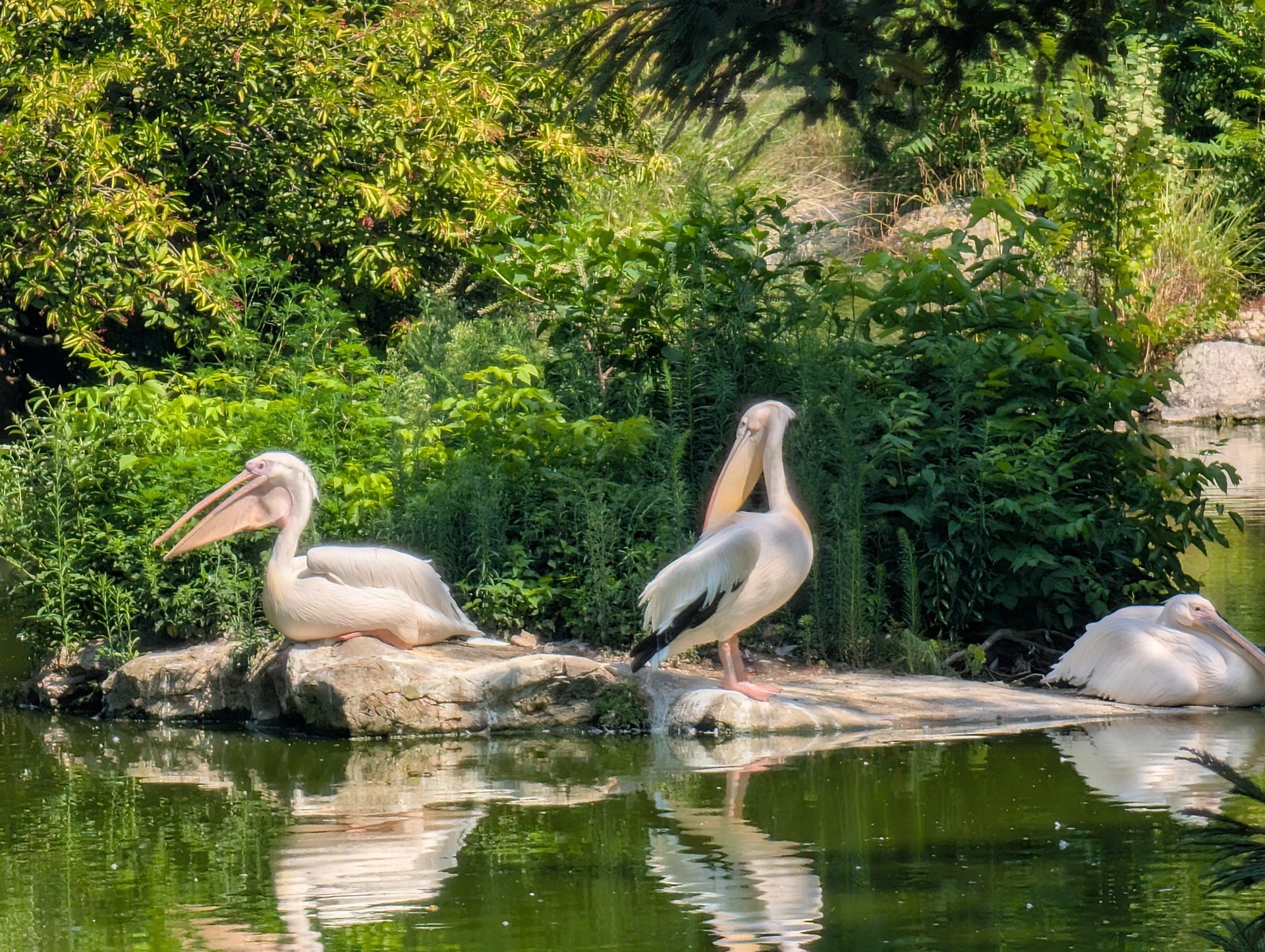
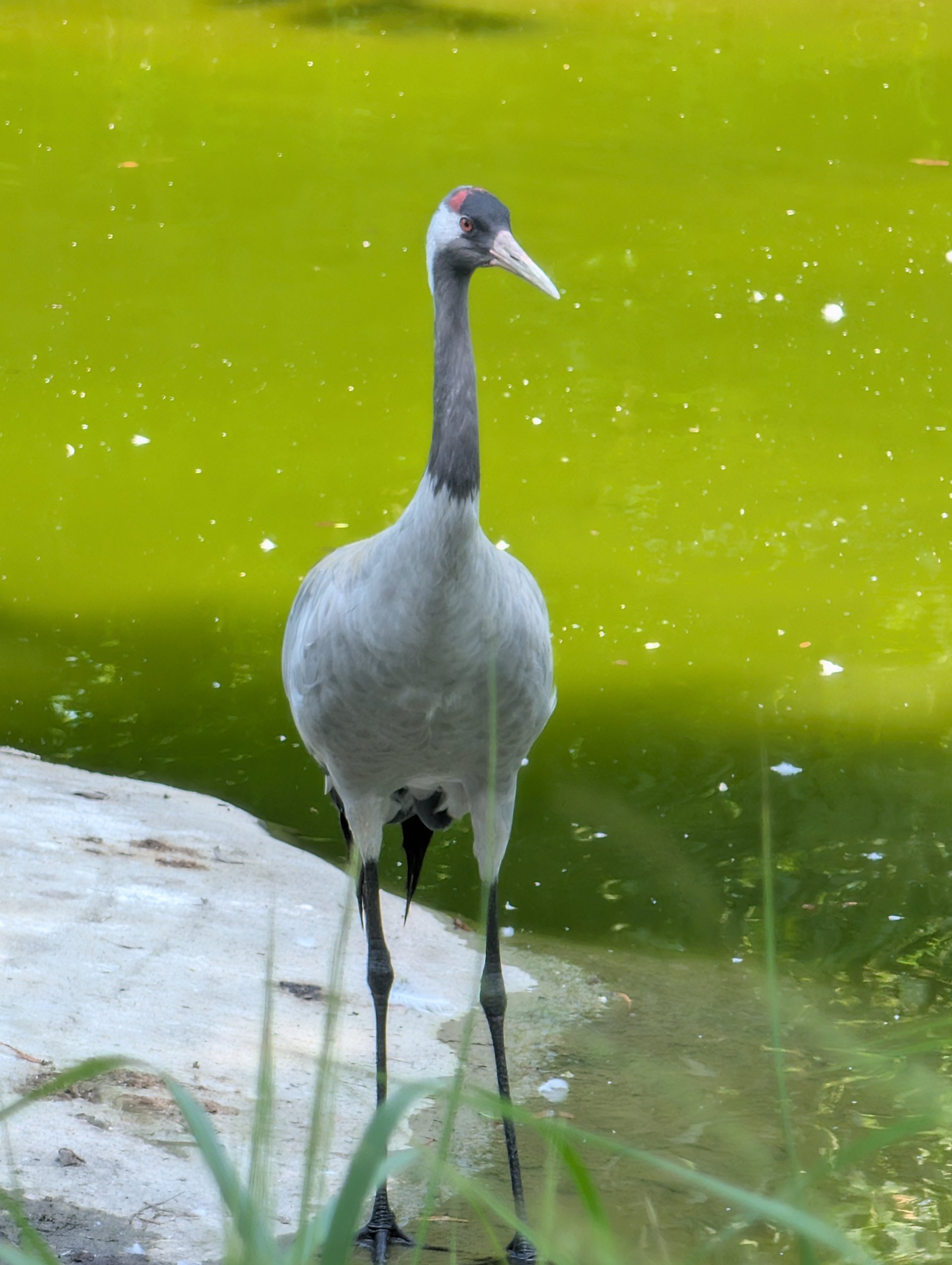
Located in Lyon's 6th arrondissement, on the left bank of the Rhône, the Parc de la Tête d'Or is the largest urban park in France, with its 117 hectares of nature in the middle of the city. Inaugurated in 1857, around the same time as Central Park in New York, it takes its name from a legend about a treasure including a golden head of Christ said to have been buried on the site. Even though the treasure was never found, the park is today a real gem for the people of Lyon and for visitors! The place offers a dizzying variety of attractions. At its centre, a 16-hectare lake where you can drift about in a rowboat or a pedal boat among the swans and ducks. The zoo, entirely free and created in 1858, is home to more than 1,000 animals, including an African plain where zebras, giraffes, antelopes and lions roam freely over three hectares. You'll also find an international rose garden, a botanical garden with tropical greenhouses sheltering 15,000 plants, a deer park, as well as a host of activities for children: vintage carousels, pony rides, mini-golf, rosalie quadricycles and a little train.
Le Véritable Théâtre Guignol du Parc
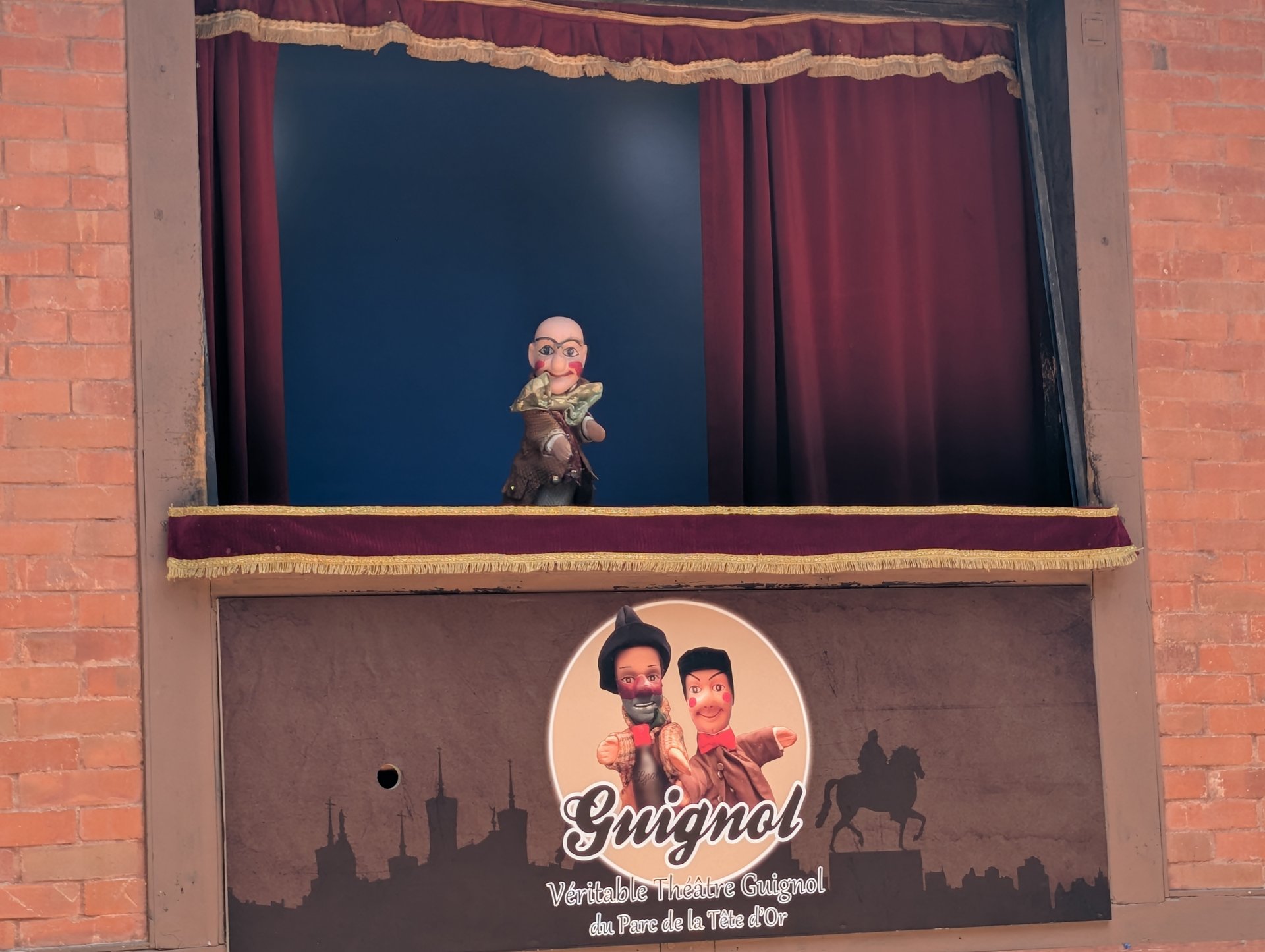
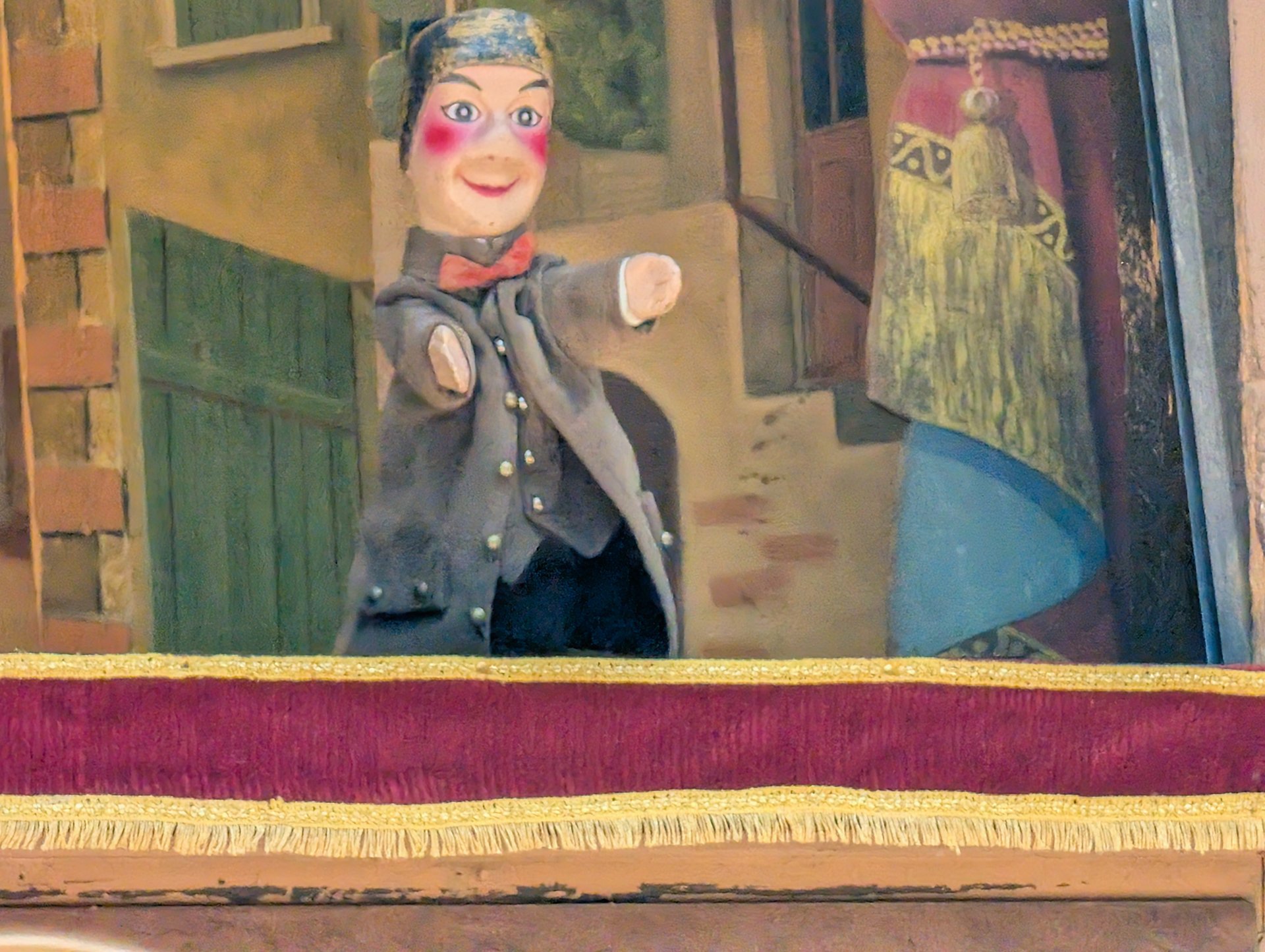
You can't visit the Parc de la Tête d'Or without stopping at the Véritable Théâtre Guignol, in the heart of the park, on Place de Guignol. This little open-air theatre, covered by a roof and ringed with tarps, has been delighting young and old since 1948 with plays from the traditional repertoire of Lyon's famous puppet. The formula is as simple as it is irresistible: a 30-minute show in which Guignol, Gnafron and Madelon come to life to tell comical tales such as La Bête Fantastique du Gévaudan, Guignol Dentiste or Un voleur mal inspiré. It's short, lively, incredibly funny — and perfect for holding the attention of the youngest without ever wearing them out. The adults, for their part, rediscover with real feeling a piece of Lyon's culture, passed on here with passion for more than 75 years. A delicious detail: Guignol was born in Lyon at the start of the 19th century and is an integral part of the city's identity — he is, as they say here, a true "gone." Count on roughly 7 to 8 € per person, with shows at 3 p.m., 4:30 p.m. (and 6 p.m. in high season). On the way out, children can carry on with the rides, the zoo or a waffle at the kiosk right next door — what more could you ask?
La Croix-Rousse
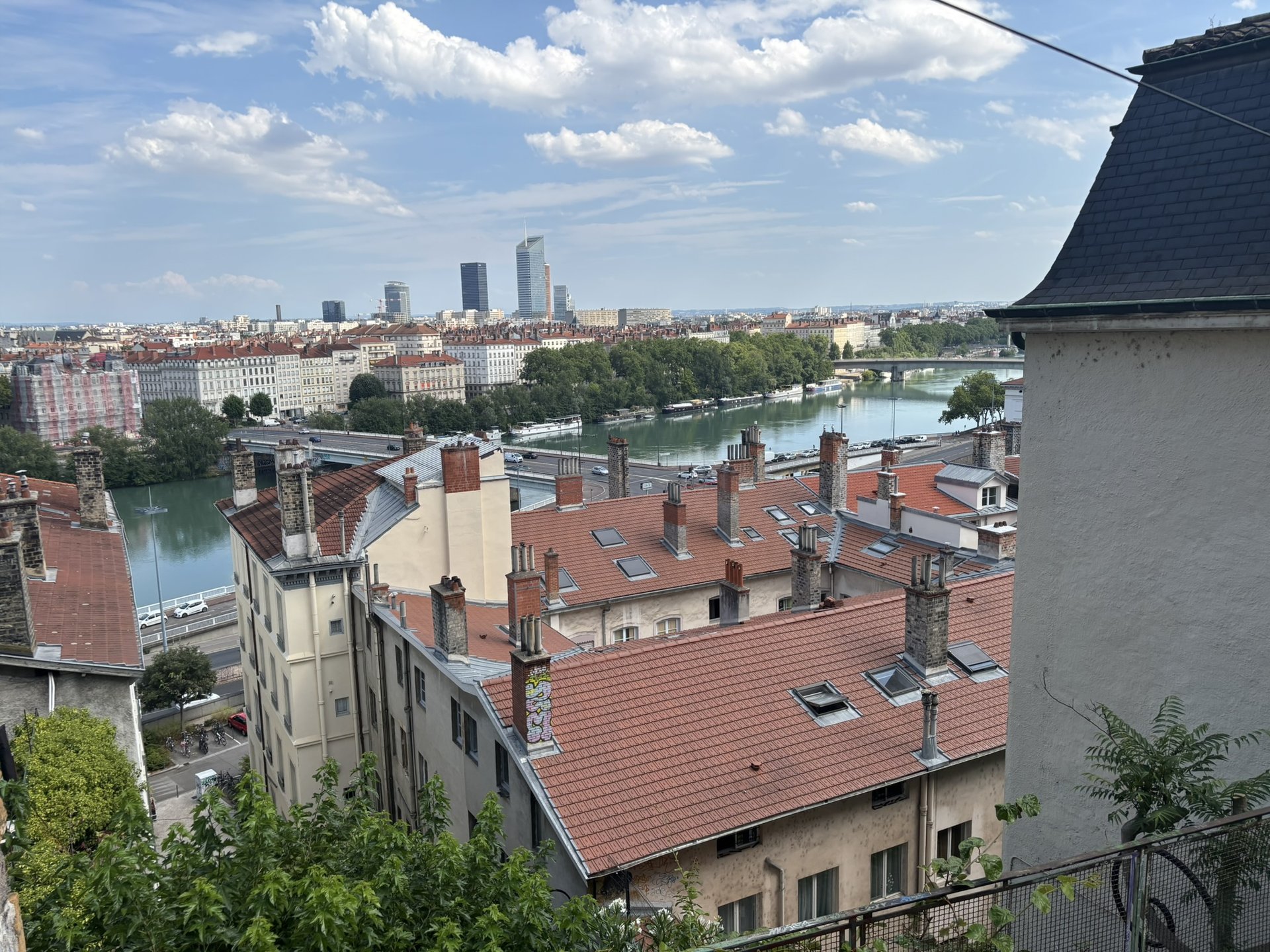
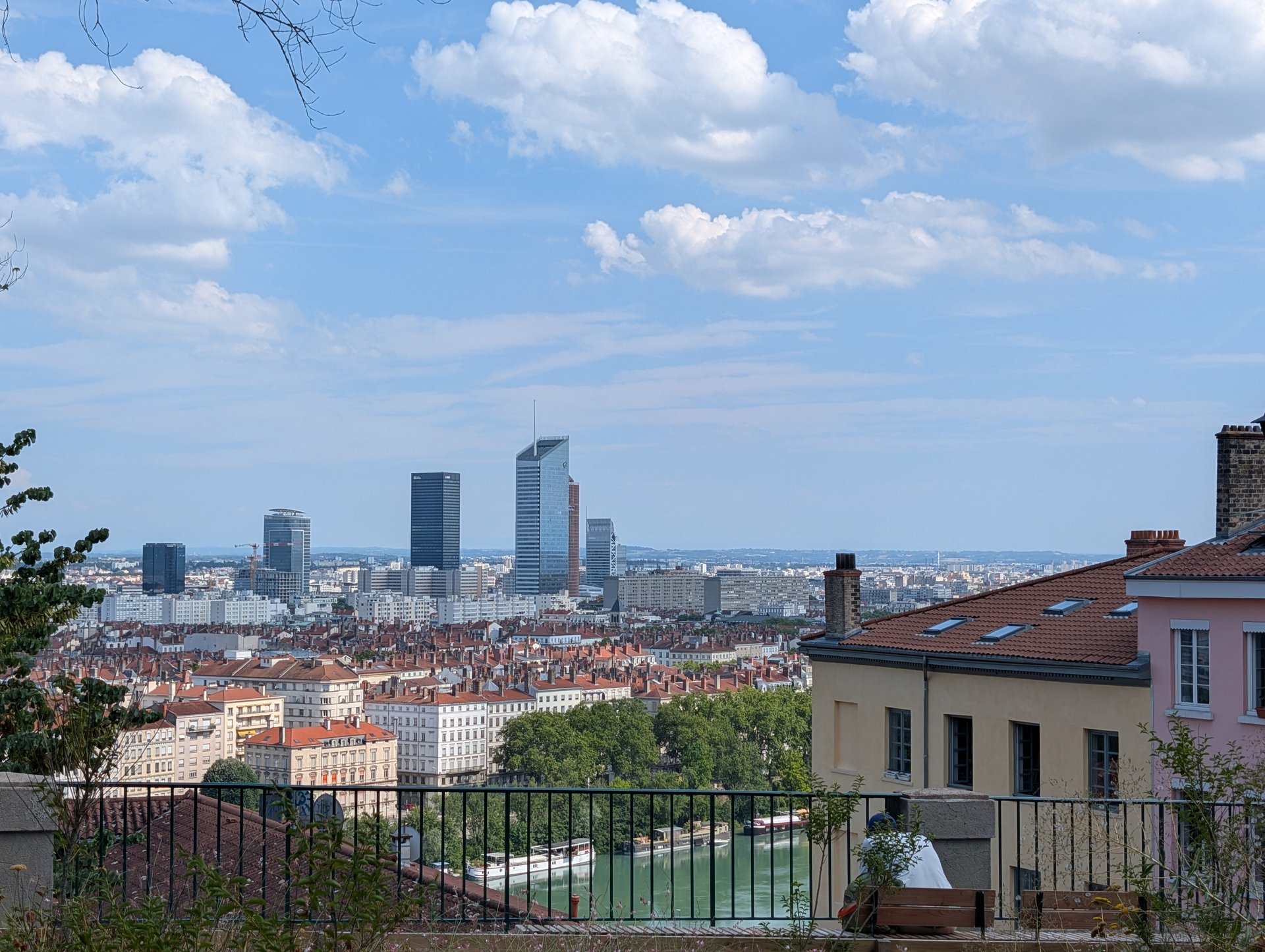
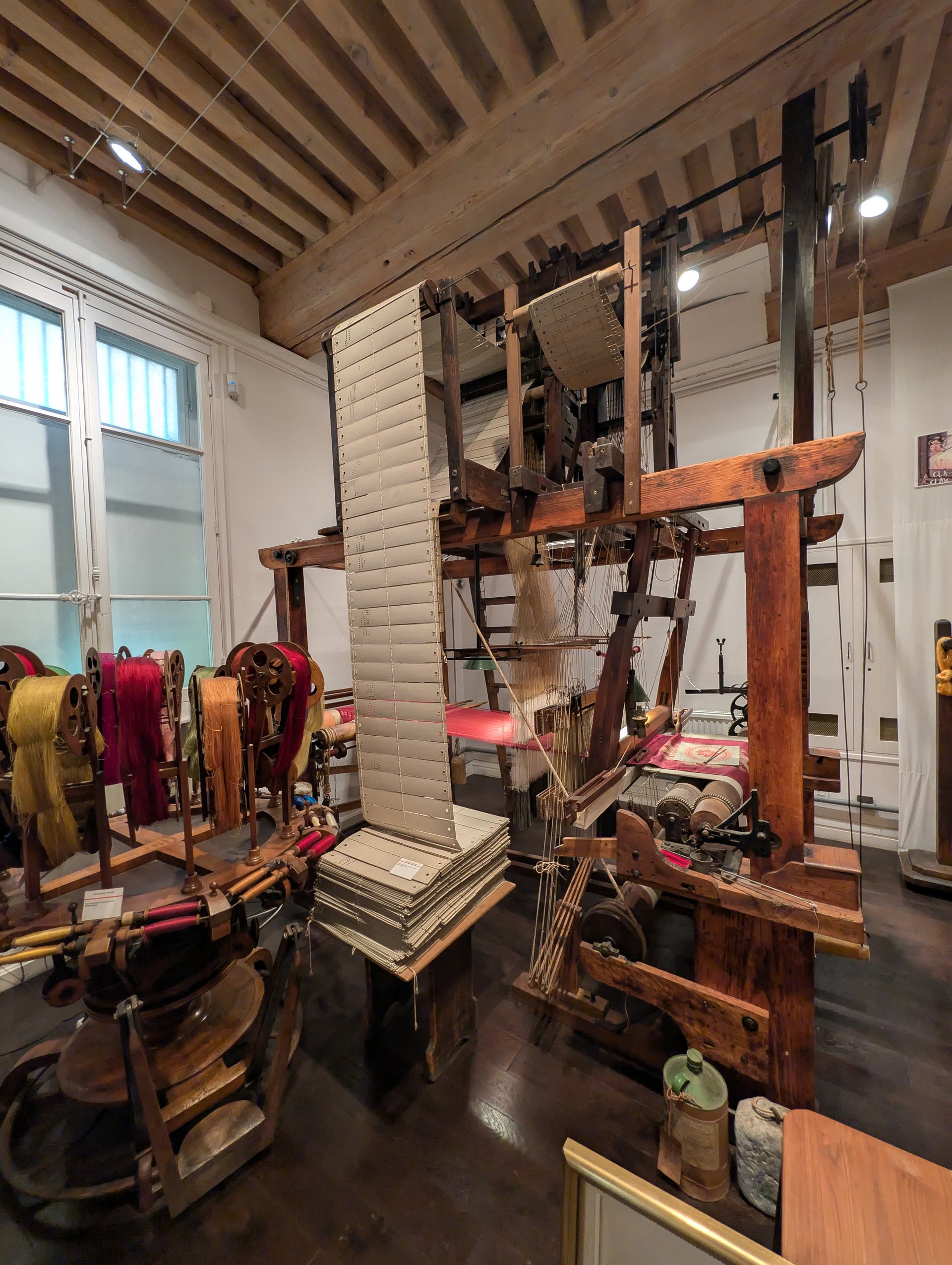
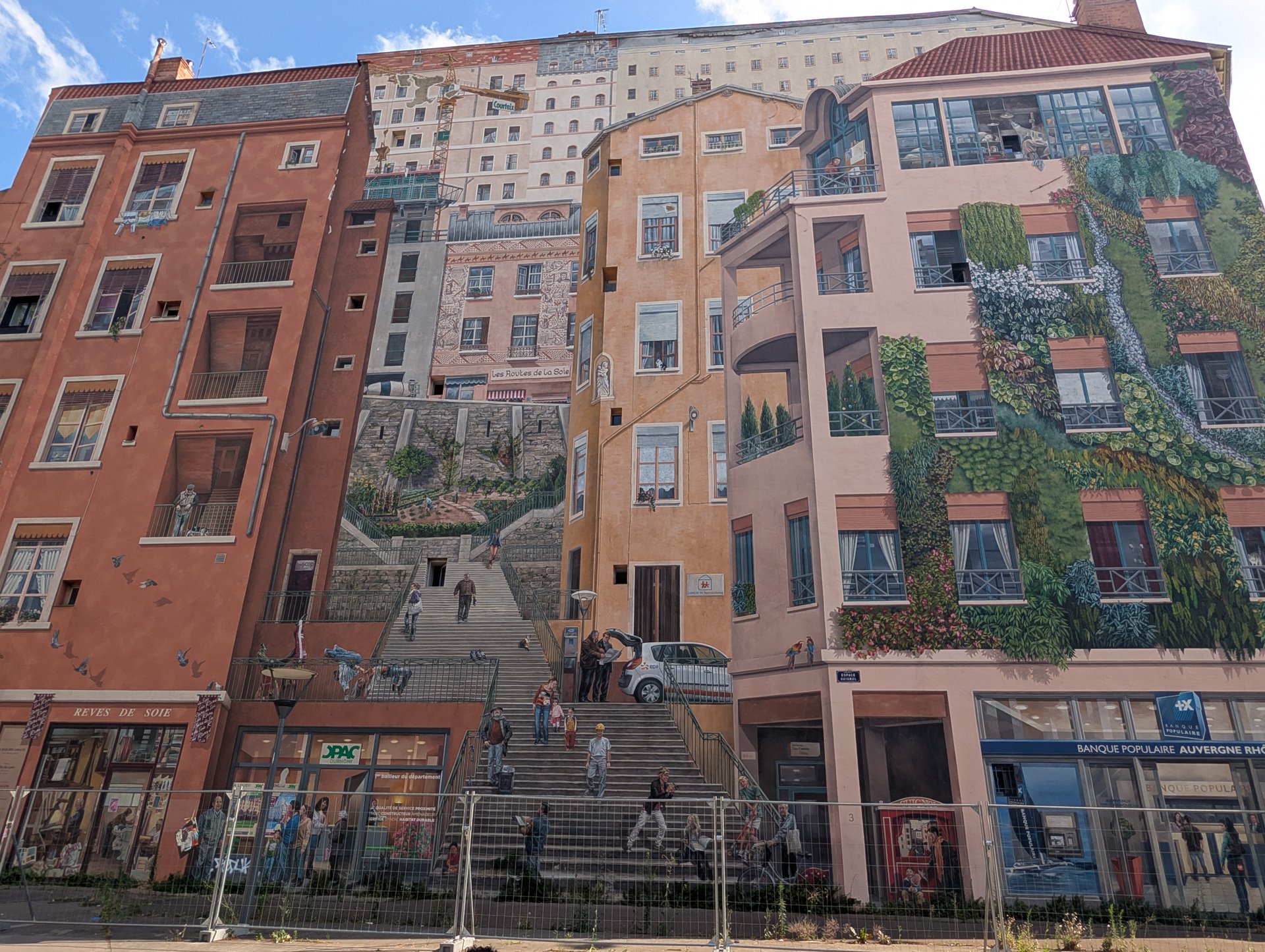
Perched on its hill between the Rhône and the Saône, the Croix-Rousse is one of Lyon's most fascinating and endearing neighbourhoods. Nicknamed "the hill that works" — as opposed to Fourvière, "the hill that prays" — this historic quarter carries the whole soul and working-class history of the city. This is where silk made Lyon's fortune and where the famous Canuts were born, those weaver workers who left their mark on France's social history. The quarter splits into two quite distinct parts: the Pentes, steep and vibrant, dropping toward place des Terreaux (1st arrondissement), and the Plateau, higher up and more village-like (4th arrondissement). Walking its lanes, its staircases and its famous traboules — those pedestrian passages that cut straight through the buildings — you travel back in time. These corridors were originally designed so that the canuts could carry their rolls of silk sheltered from the weather. An architectural detail that gives the quarter all its unique character. The buildings themselves tell the story of the place: ceilings up to 4 metres high, immense windows to let the light in — everything was conceived to house the imposing Jacquard looms. Highly sought after today, these bright apartments appeal to artists, families and "bobos." In 1998, the Pentes de la Croix-Rousse were in fact listed as UNESCO World Heritage along with the rest of Vieux Lyon — a sign of their exceptional value. You can't talk about the Croix-Rousse without bringing up the Canut revolts of 1831, considered one of the first great workers' uprisings of modern history. Their motto, "Live working or die fighting," still echoes in the stones of the quarter. To learn more, a stop at the Maison des Canuts is a must: this workshop-museum offers weaving demonstrations on authentic 19th-century Jacquard looms, immersing visitors in five centuries of Lyon silk-making. Also worth seeing: the Cour des Voraces, with its spectacular modern staircase, a true landmark of the Canut revolts. Today, the Croix-Rousse has magnificently kept its working-class soul while becoming a lively, fashionable neighbourhood. There's a daily market on boulevard de la Croix-Rousse (one of the most authentic in Lyon), cafés, bistros, independent shops, a fine cultural scene... and above all, genuine village life in the middle of the city. As the people of Lyon say themselves: the Croix-Roussiens only rarely come back down to the Presqu'île — and you can see why! The panorama from the heights over the rooftops of Lyon, the basilica of Fourvière and the river is quite simply breathtaking, especially at sunset. The Croix-Rousse is the true face of Lyon: human, warm, steeped in history and full of charm. A must for anyone who really wants to feel the heart of the capital of the Gauls beating!