Switzerland - Canton of Valais
Champéry
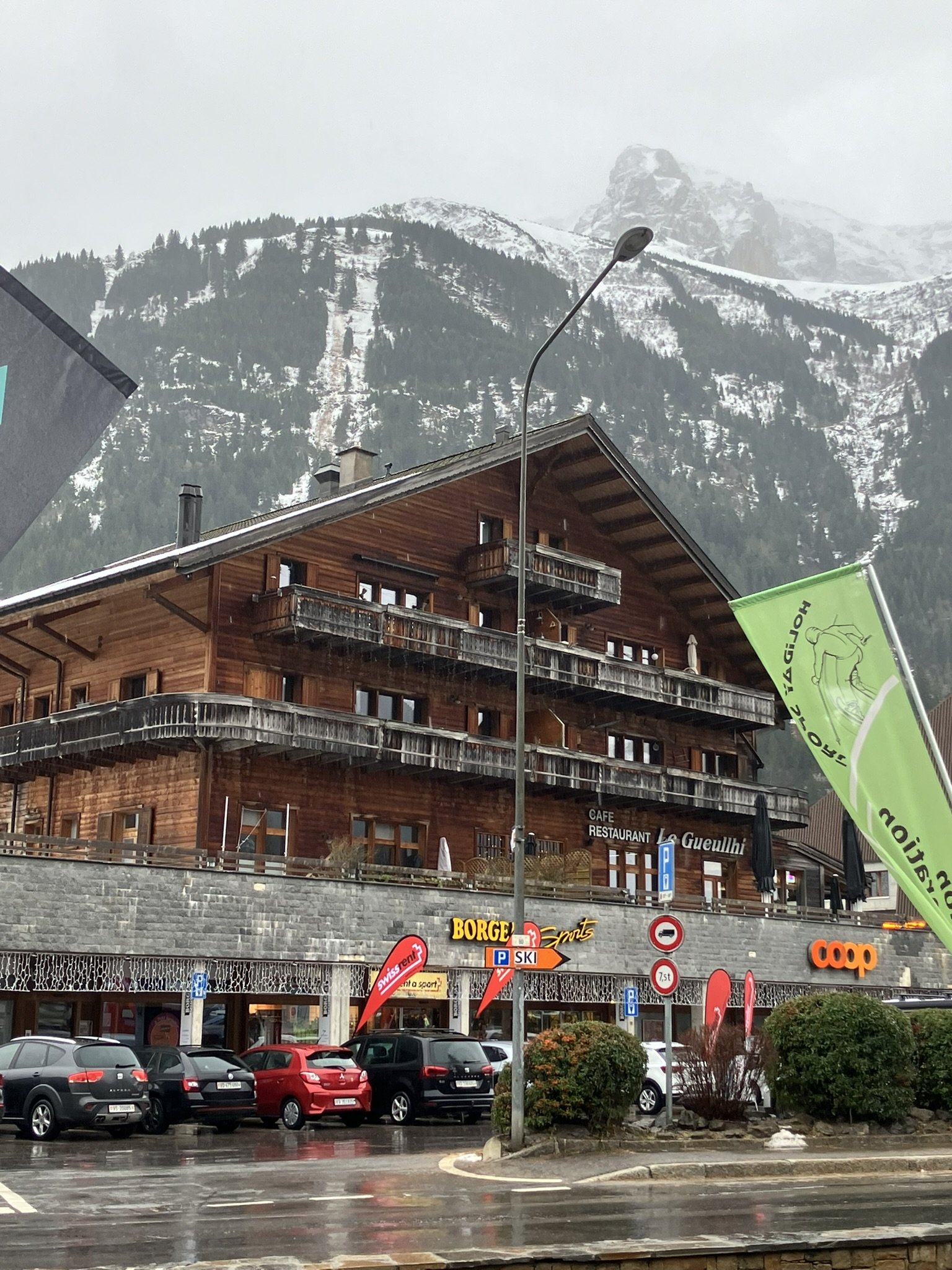
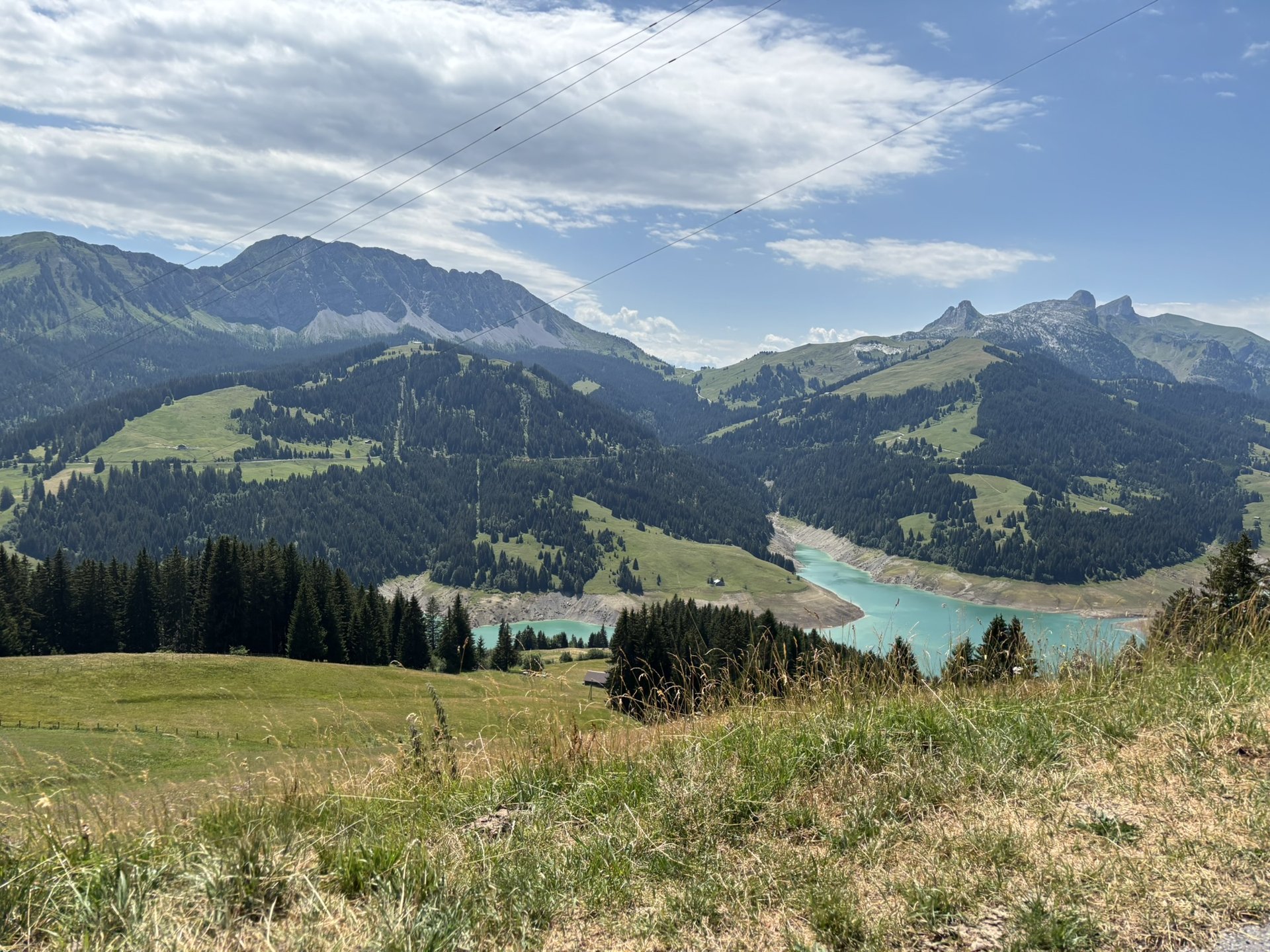
There are villages you come across by chance and never forget. Champéry is one of them. Tucked into the Val d'Illiez at 1,050 m of altitude, at the foot of the majestic Dents du Midi and Dents Blanches, this Valais town gives off an authenticity that is rare in the world of mountain resorts. Champéry is one of the oldest tourist destinations in Switzerland — and yet the village has managed to resist the frenzy of concrete. It's a postcard Swiss village, classic and full of charm. The main street, lined with traditional chalets and their carved wooden balconies, wins you over with its small shops, bars and restaurants. And for the curious: Champéry is home to one of the last Swiss bell foundries still in operation — a stop outside of time, not to be missed.
Switzerland - Canton of Vaud
Le Château d'Aigle
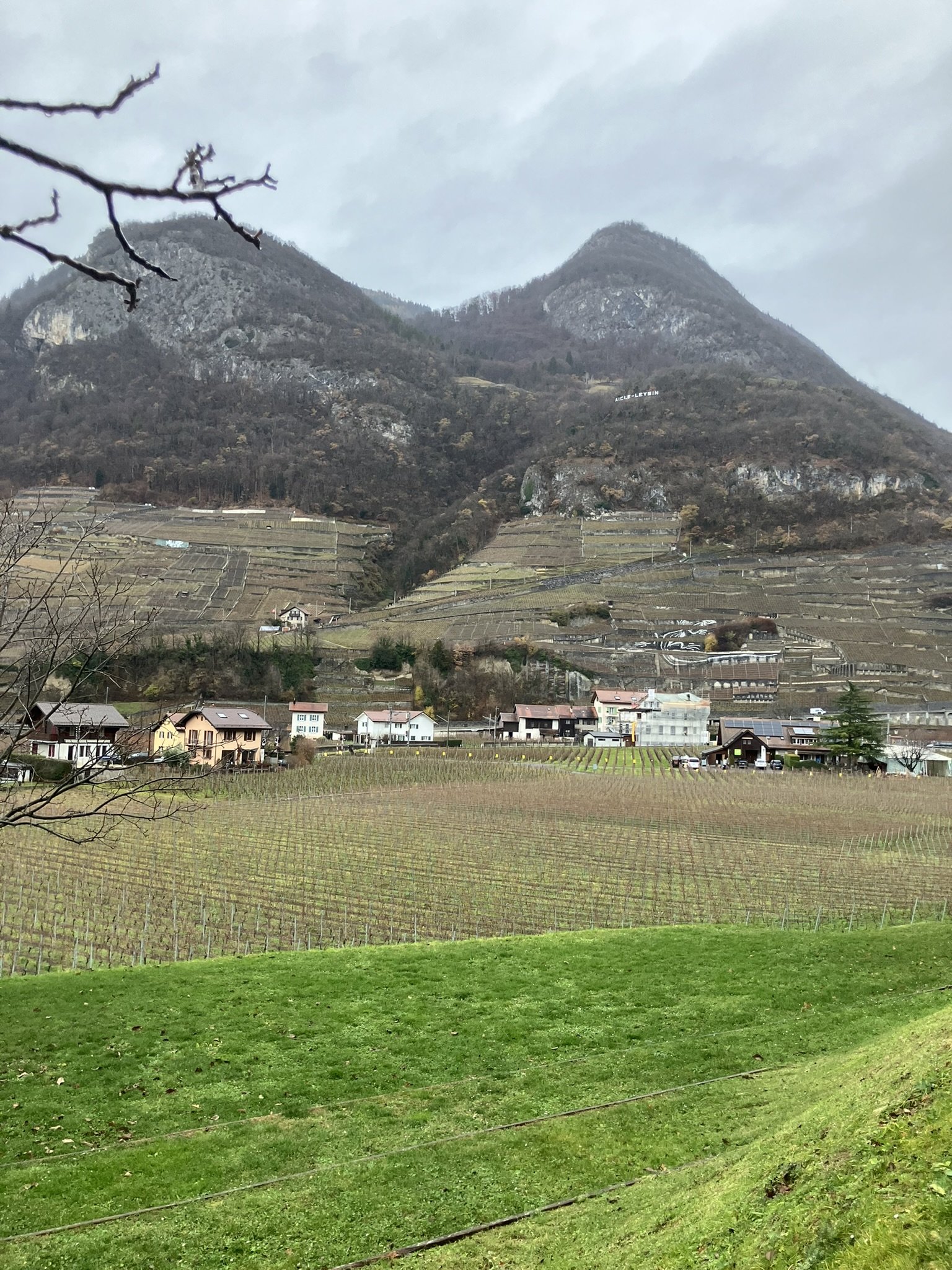
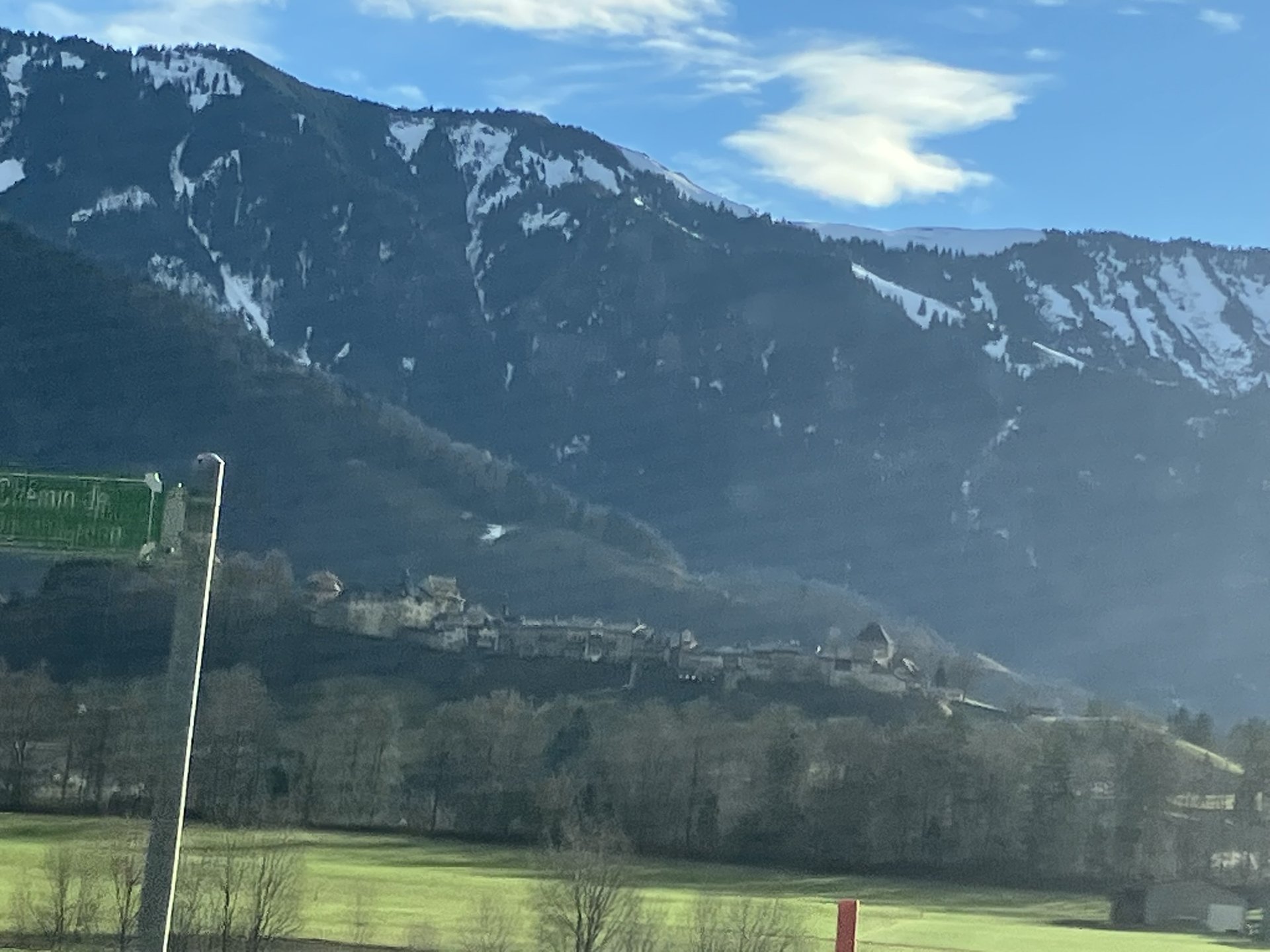
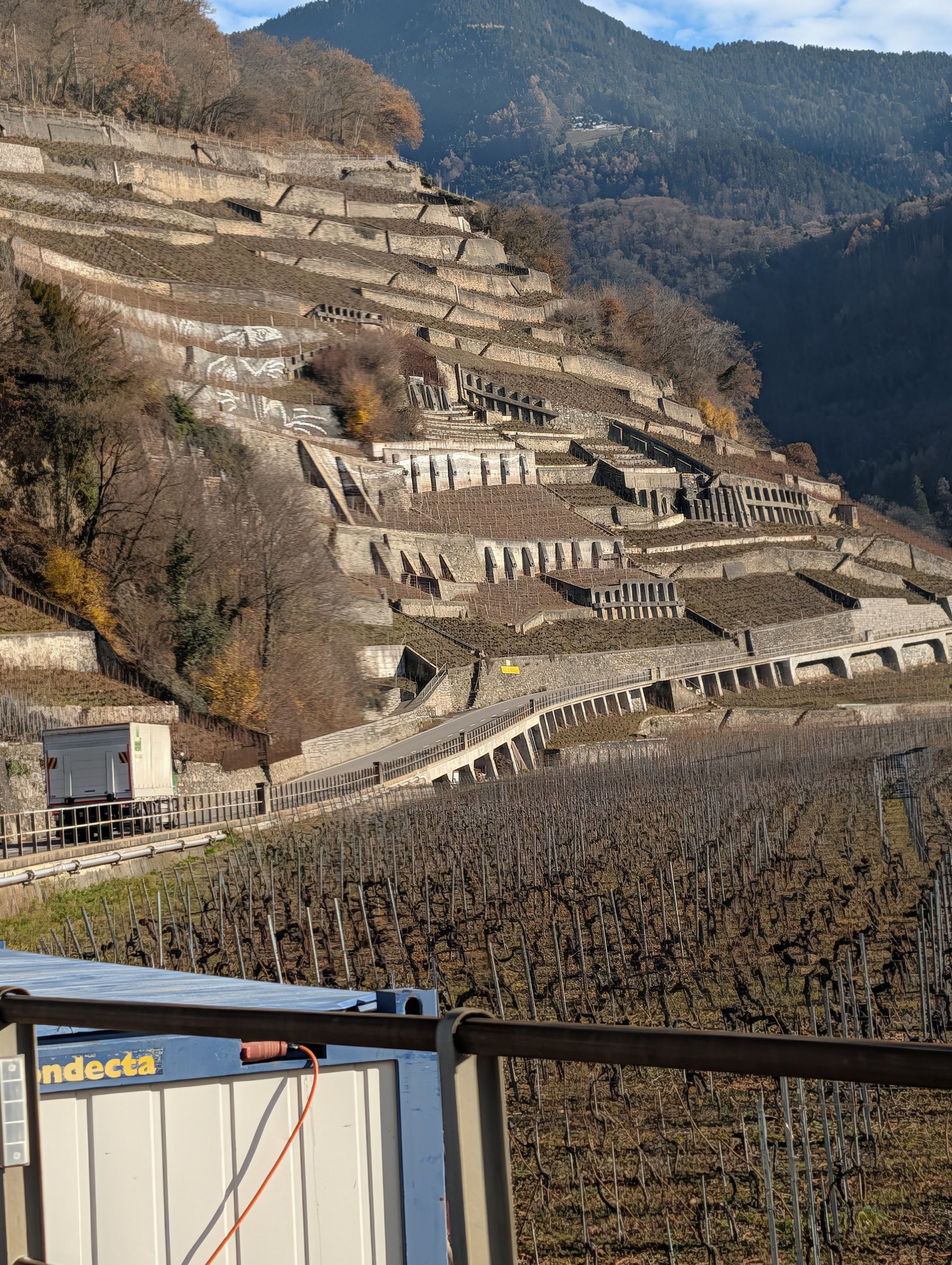
Far less famous than its neighbour the Château de Chillon, the Château d'Aigle amply deserves the detour for anyone who loves history and wine. And perhaps that's exactly its charm: where Chillon is buried under 400,000 visitors a year, Aigle welcomes you in an almost intimate, almost secret atmosphere. The oldest part of the castle was built at the end of the 12th century by the family of the Knights of Aigle. Battered by the Bernese during their conquest of the region in 1475, it was then heavily rebuilt to become both a military challenge and the prestigious residence of their Governors. Set in the heart of the Aigle vineyards, the castle first amazes you with its unique position at the foot of the Vaud Alps. Like a natural wall, the vines guard the entrance to the site and create a picture worthy of a medieval dream. The Château d'Aigle sits on the route of the Via Francigena, the old pilgrimage road that in the Middle Ages led from Canterbury all the way to Rome. Walking these lanes is setting foot in more than eight centuries of European history. In winter, a walk along the snow-covered vineyard is particularly soothing, and the old buildings have enormous charm under the snow.
Le chateau de Chillon
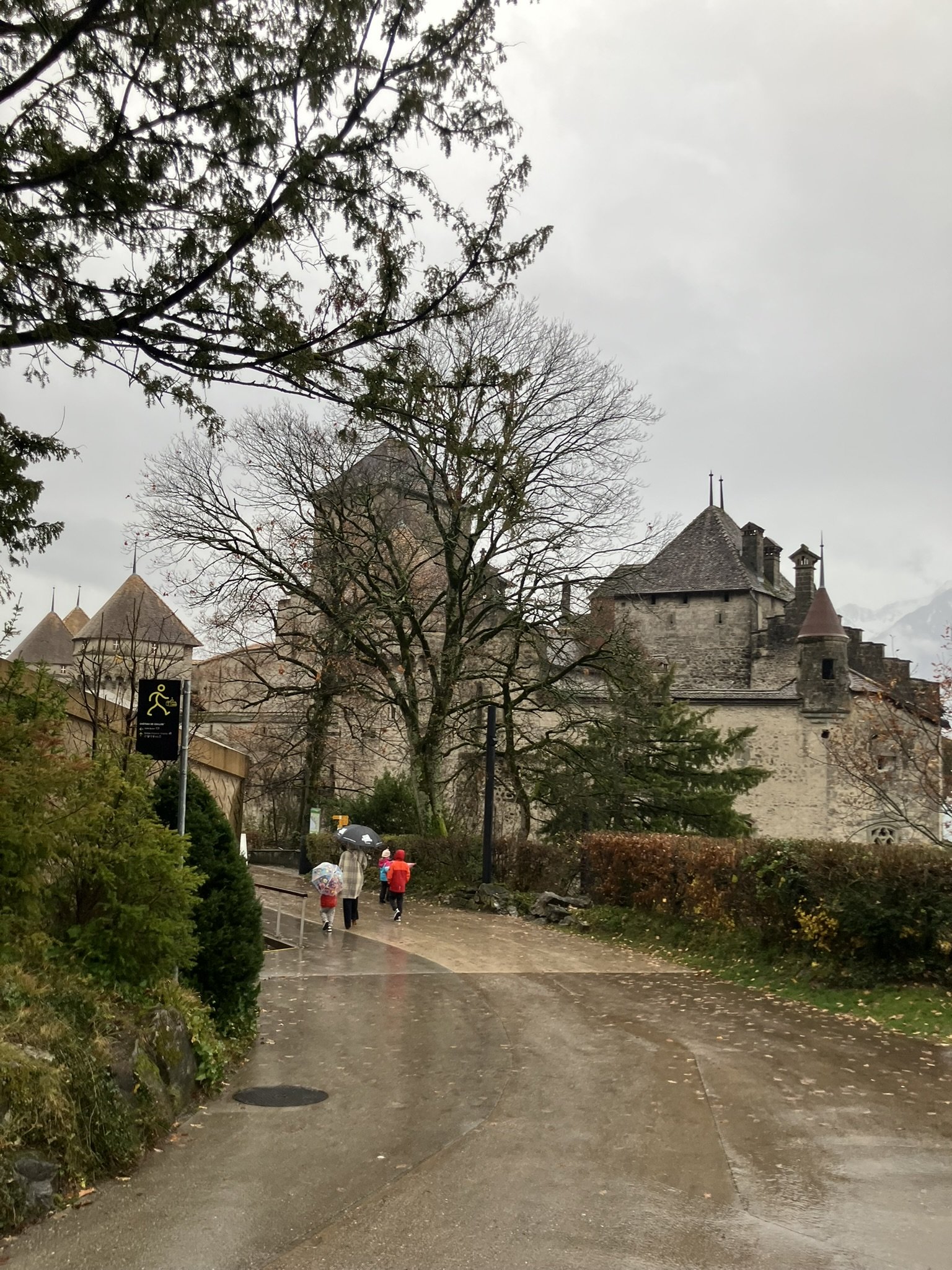
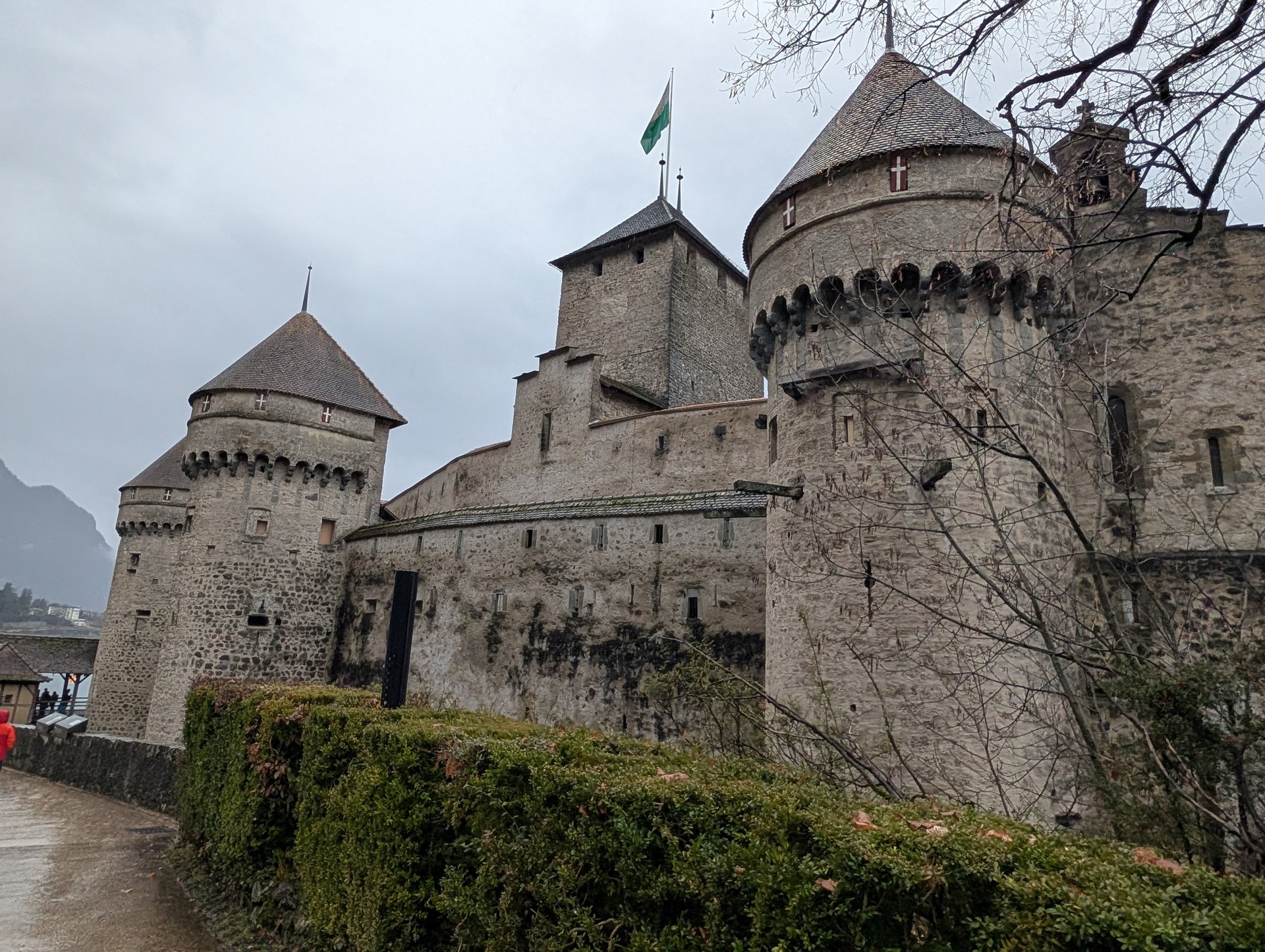
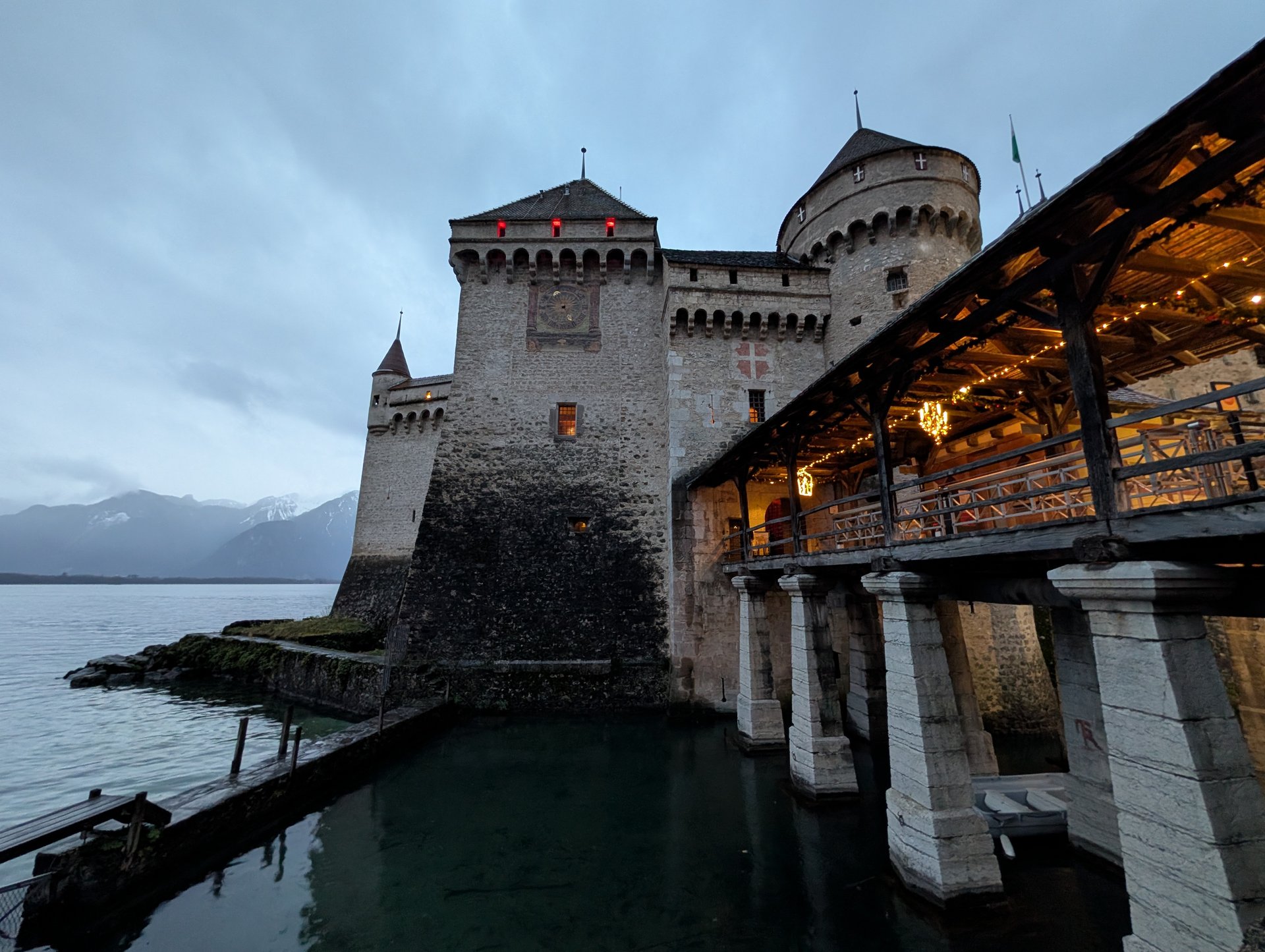
There are places that seem to have come straight out of a tale. Surrounded by Lake Geneva and the mountains of the Alps, the imposing fortress of the Château de Chillon has stood in the finest of settings since the 12th century. With its feet in the water of the Léman, right next to Montreux, this monument is the most visited tourist site in Switzerland — and when you see it for the first time, you understand immediately why. The castle as it stands dates from the 13th century and was raised by the House of Savoy to control the passage along Lake Geneva. The fortress served as an arsenal, a prison and, for a time, the residence of the counts of Savoy. Twenty-five separate buildings, divided between the fortress side facing the lake and the princely residence side facing the Lavaux, rise proudly on a small islet. Inside, restored wall frescoes, historic furniture and period weapons elevate the visit, along with the famous prison in which the reformer François Bonivard was held. Chillon isn't only a monument — it's a muse. Jean-Jacques Rousseau sets a scene of his novel « La Nouvelle Héloïse » at the Château de Chillon. Intrigued, Lord Byron visited it and found there the inspiration to write « The Prisoner of Chillon », which describes the sufferings of François Bonivard, a prior imprisoned for his anti-Savoy positions. Byron's visit left a tangible trace in the prisons of Chillon: a graffito of his own signature, still visible today. Victor Hugo was also among the great names of history to have walked these stones. Far from being a castle frozen in its past, Chillon is brimming with life. Guides in medieval costume bring daily life in the Middle Ages to life on interactive tours that take you somewhere else entirely, ideal for young and old. Concerts, exhibitions, role-playing games and medieval markets regularly fill the place. And to finish in style: a tasting of the « Clos de Chillon », the white wine from the castle's vines, served with local specialties in the sumptuous setting of the fortress.
Chillon: a military fort hidden in the rock
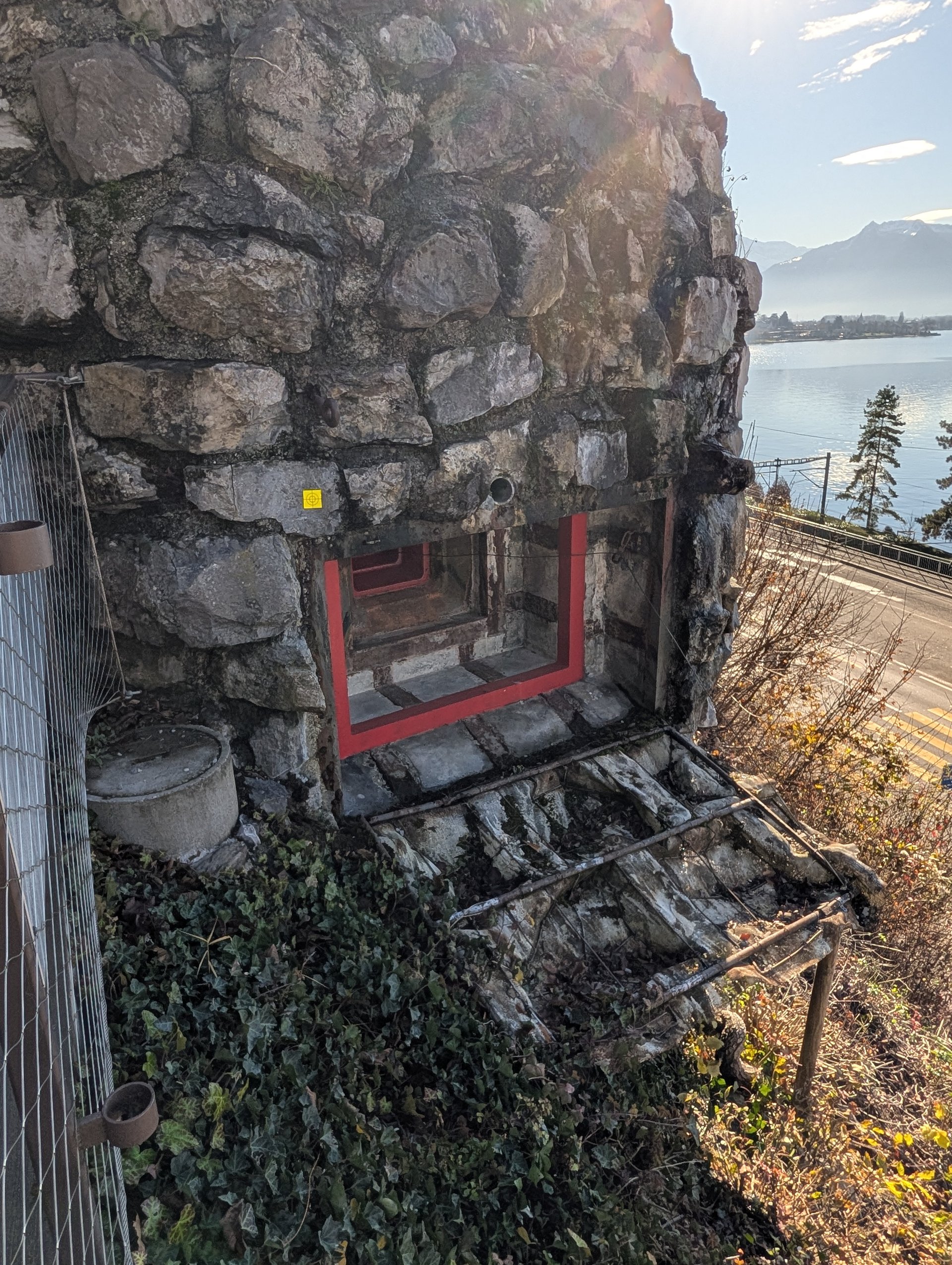
You come for the castle. You leave with two stories. Cut directly into the limestone rock on the shore of Lake Geneva, between Veytaux and Montreux, this fort controlled the strategic bottleneck of Chillon — that narrow passage between the medieval castle and the Dent de Jaman. Built in 1941 as part of the National Redoubt, it housed a complete artillery company of about 100 to 150 soldiers, equipped with guns covering the road and the rail line toward the Valais and Italy. And all that time, the Château de Chillon on the other side of the road drew every eye. The best camouflage there is. This military work was actively occupied by the army until 1995, before opening to the public in 2020. Classified as a defence secret until 2001, it has today become the Musée Fort de Chillon — and what a transformation. A super-fortress of 2,125 m² with more than 20 rooms open to visitors on several levels, offering total immersion in the daily life of Switzerland's citizen-soldiers thanks to an ever-present staging and captivating sound and visual environments. Augmented reality and virtual reality let you live the daily life of the soldiers of the time as closely as possible, and a short film reveals the Swiss military strategy that stayed top secret until 2001.
The Montreux Christmas market
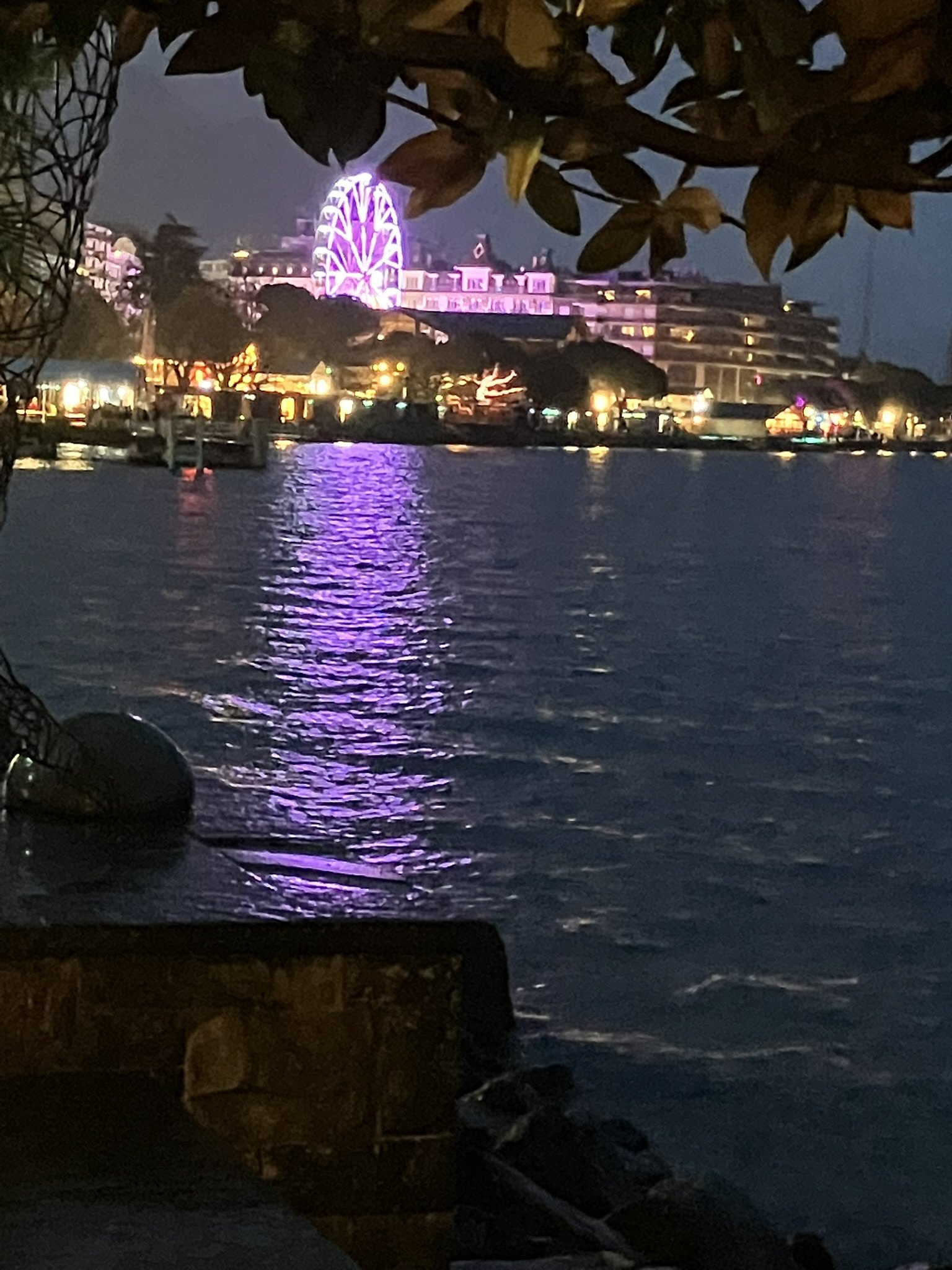
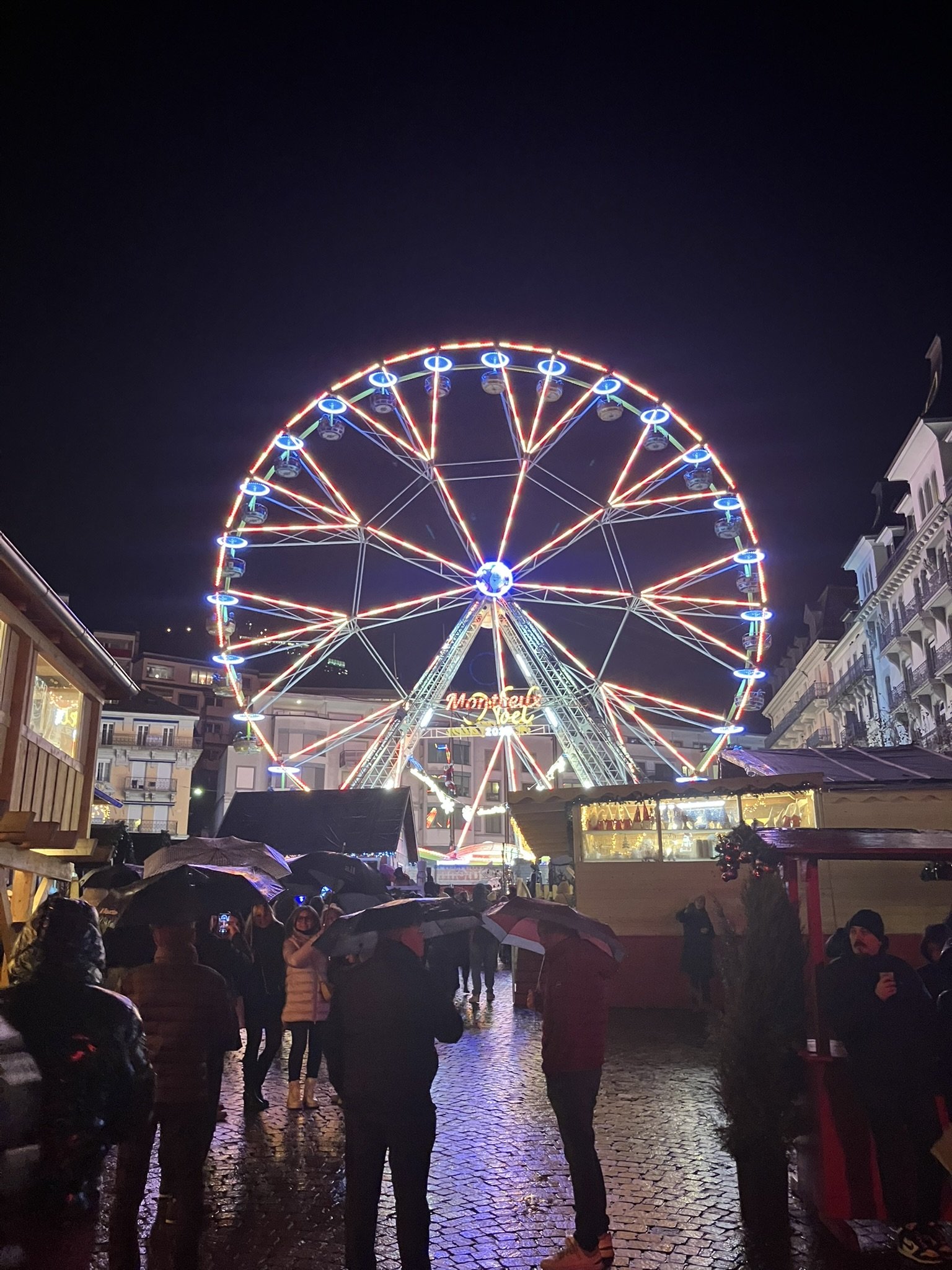
There are settings that seem invented for the holidays. Montreux in December is one of them. Ranked among the finest Christmas markets in Europe, Montreux Noël draws hundreds of thousands of visitors every year along the quays of the Léman, in a mix of fairy-tale atmosphere, lit chalets and unforgettable shows. And what makes this experience truly unique? The chalets unfold beneath the palm trees of the Riviera — yes, palm trees, in the middle of a Swiss Christmas market. The contrast is striking, and completely irresistible. Over 1 km, you weave between the palm trees and wander among some 150 decorated and illuminated chalets along the quays, some of them sheltered under a canopy nearly 300 metres long so you stay dry whatever the weather. The smell of mulled wine, the sparkling lights and the musical entertainment create the magical atmosphere the market is known for. Concerts, brass bands and DJ sets with pop, jazz and rock rhythms are the perfect company for a stroll between the chalets. Among the moments not to be missed under any circumstances: Santa Claus flying over the market in his sleigh every evening at 5 p.m., 6 p.m. and 7 p.m. — and at 4 p.m. on Saturday — to the great delight of children and adults alike. A panoramic Ferris wheel set up in the heart of Montreux offers a spectacular view over the lake, the mountains and the lit market below. And for a well-earned break: the Cabane des Bûcherons, a magnificent log cabin in the middle of the market, where the loggers' tea, the mulled wine and the pizzas warm you up in a welcoming, companionable atmosphere.
Lausanne
We thought we knew Switzerland — the chocolate, the mountains, the watches. And then Lausanne comes along and upends it all. Perched on the shore of Lake Geneva, between the quays of Ouchy and a lively old town, it offers a perfect balance of nature, heritage and a relaxed atmosphere. Be ready, though, for the many climbs and descents: Lausanne is also known as the city of 3 hills. Fair warning: your calves are going to work. The first step that imposes itself? Climbing the 224 steps of the market stairs to reach the cathedral, a true emblem of the city centre. The finest Gothic monument in Switzerland, it dominates the city from the top of its promontory — and one unique curiosity: a watchman calls out every hour on the hour from 10 p.m. to 2 a.m. Yes, still today. We love it. Lausanne is the Olympic Capital and the seat of the International Olympic Committee. Lausanne is a city that lives fast, that thinks big, but that keeps its feet in the lake. A stop that is like no other.
Lake Geneva on foot
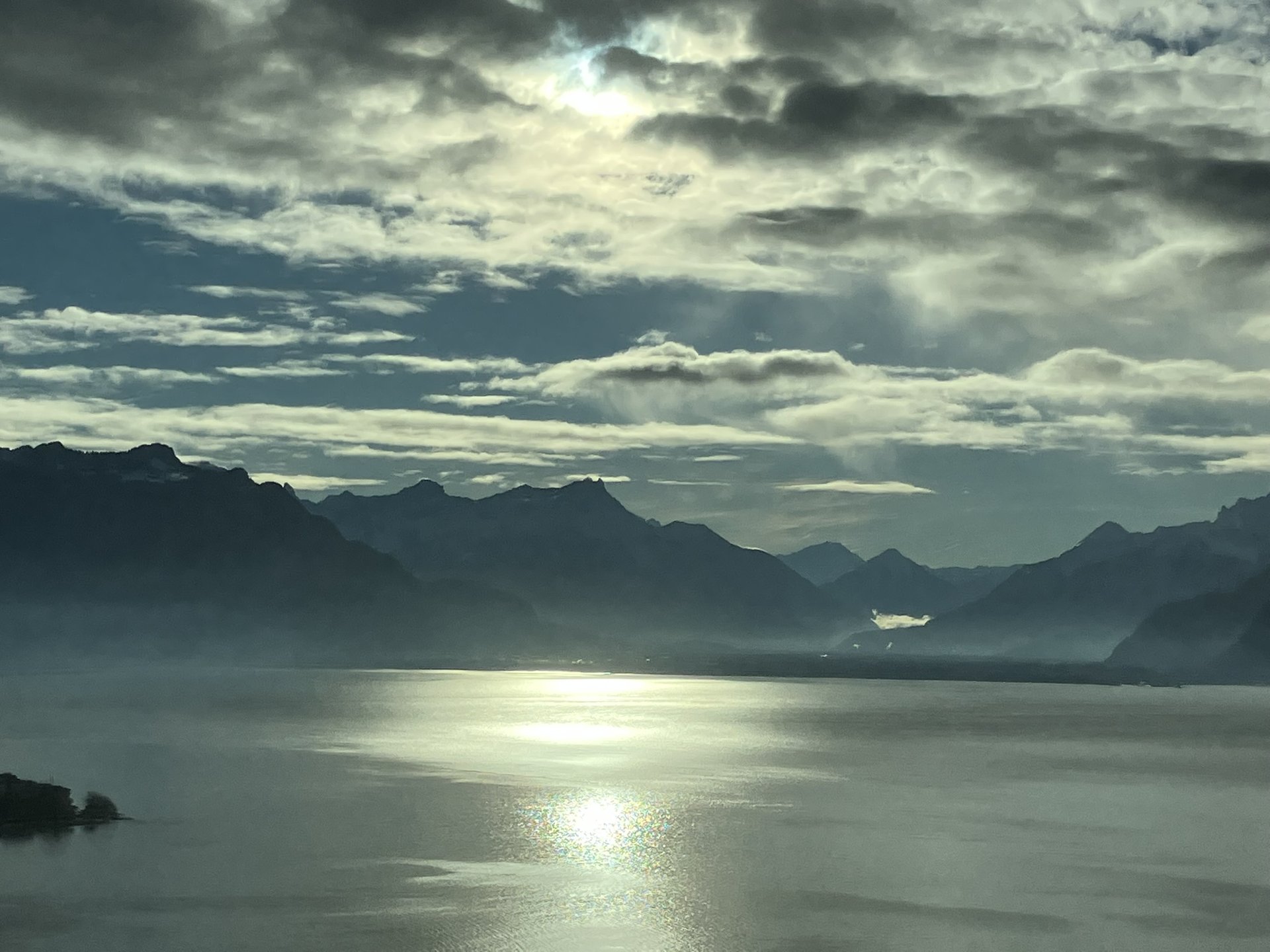
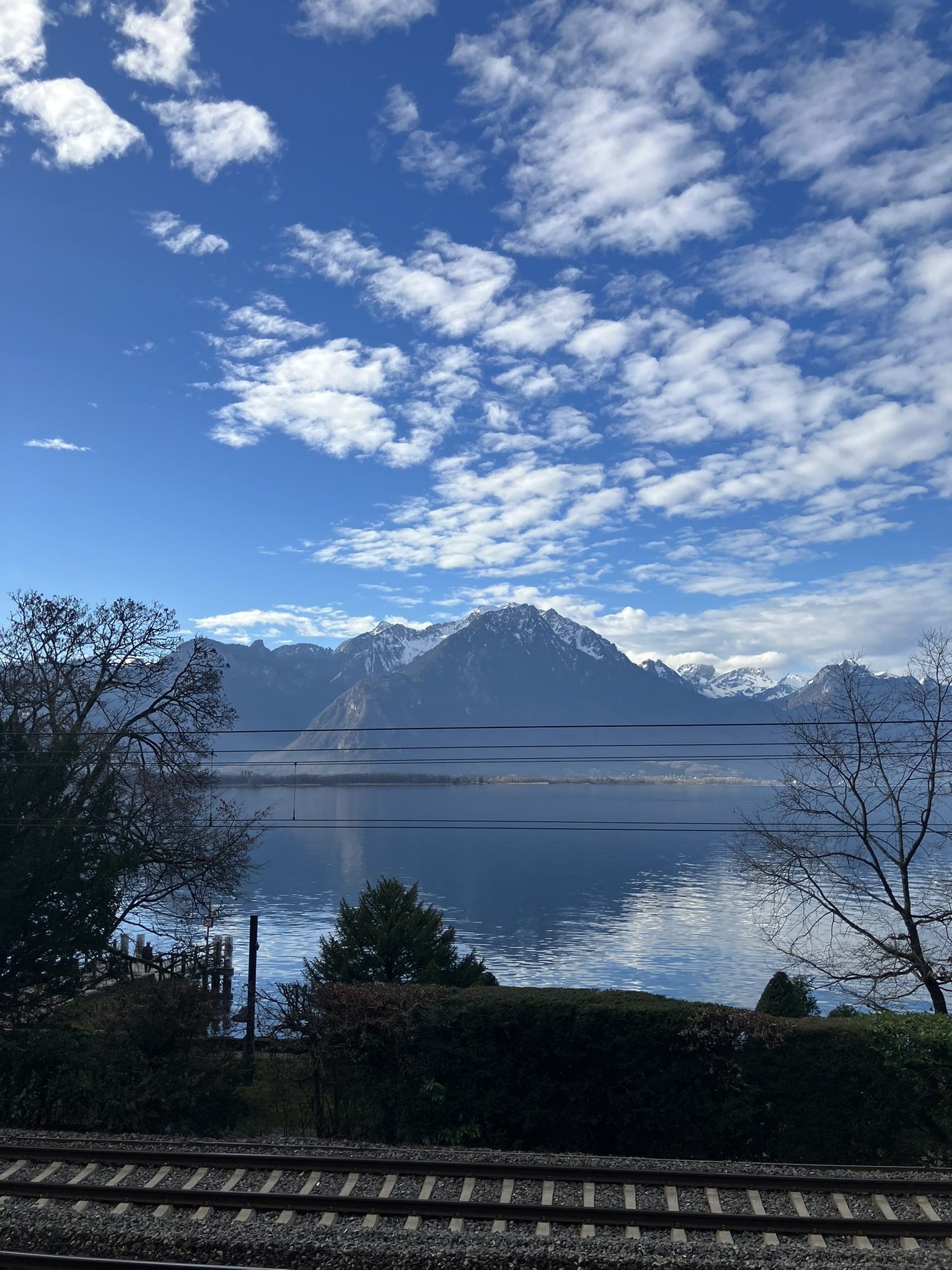
After Lausanne, it's impossible to leave without venturing onto the shores of the Léman. Because it isn't only something you contemplate from a café terrace — it's walked, it's breathed, it's lived. For anyone who doesn't have two weeks ahead of them (don't feel guilty), several sections can be savoured in a day. The Léman is 73 kilometres long, two countries, UNESCO-listed vineyards, medieval castles and alpine summits as a backdrop. In other words: a whole lifetime wouldn't be enough to go all the way around it. But you can always try...
Leysin and la Berneuse
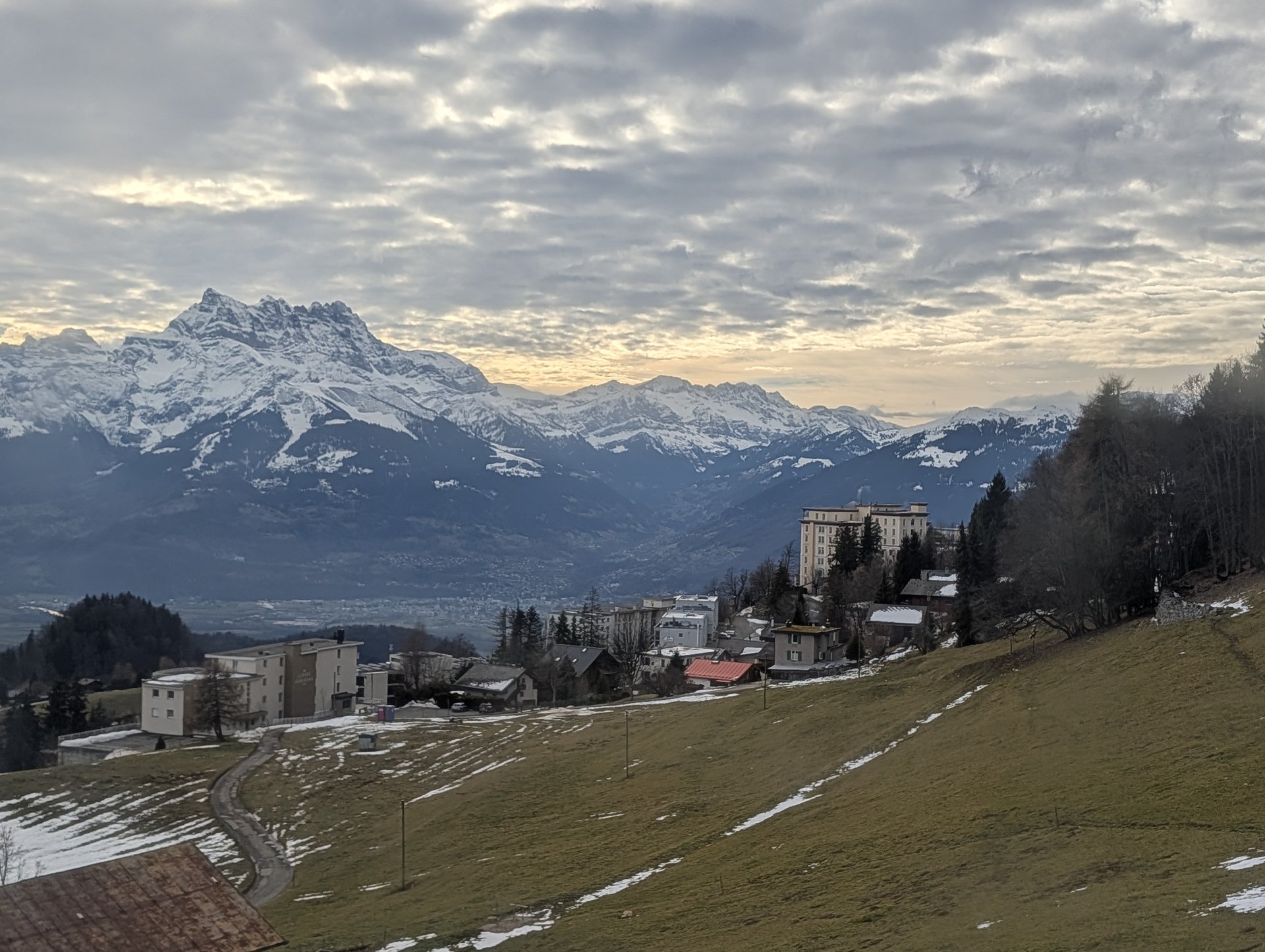
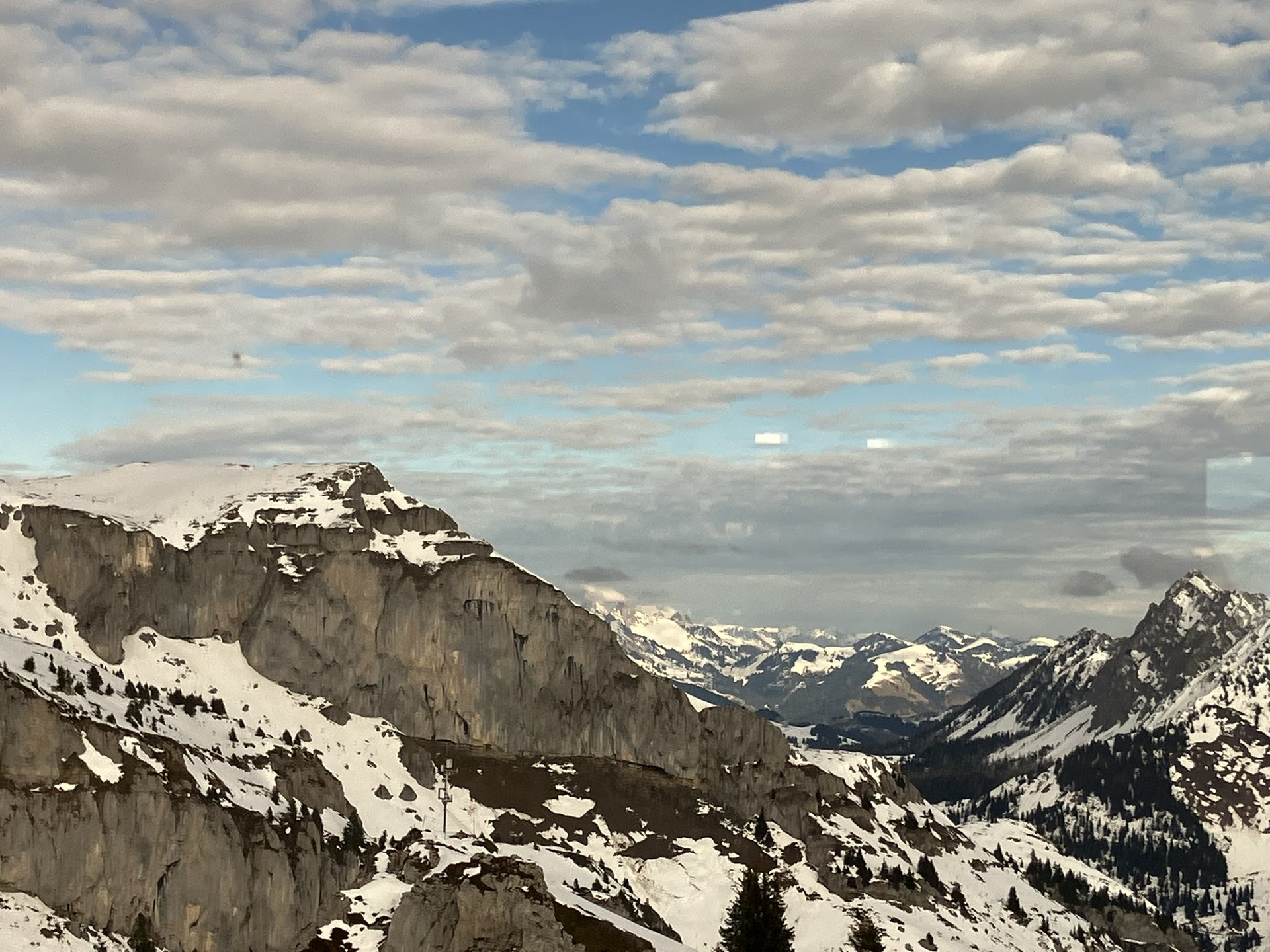
There are places you climb for the view. And then there's la Berneuse, where you climb so that the view comes to you — literally. The mountain above Leysin is known for its revolving restaurant called Kuklos. Taking a seat on its terrace or behind its large windows, you get a 360-degree panorama that goes by over 1 h 30. In the time it takes to eat a meal, the Alps give you their grand tour: Lake Geneva, the Vaud Riviera, the Jura range, the Rhône valley and the alpine summits reveal themselves one after another, imperceptibly. To get there, you take the gondola linking the centre of Leysin to la Berneuse, at 2,048 metres of altitude. The ride lasts about seven minutes — just long enough to start making out Mont Blanc to the west, the Matterhorn to the east, and the Eiger between the two. An opening that already sets the table.
La Berneuse and the Kuklos are the highlight, but Leysin deserves a little more of your time. Perched on a plateau at 1,300 metres of altitude, facing due south and sheltered from the north winds, Leysin was once a spa town known for its therapeutic climate. Once famous for its sanatoriums dedicated to treating tuberculosis, the municipality has managed to turn its heritage into a dynamic tourist destination. Walking through the village, you're still struck by the large buildings of the old altitude clinics — converted today into international private schools that give Leysin a surprisingly cosmopolitan air for an alpine village.
Switzerland - Canton of Fribourg
Gruyère and its castle
You come to Gruyères for the cheese. You leave with a good deal more than that. The picturesque town of Gruyères sits at the foot of the Prealps in the canton of Fribourg. The pedestrian town, its cobblestones and its fountain invite a gentle wander — and perched at the top of its hill, the medieval castle watches over it all as though it had been set there by an illustrator of children's books. Since the 13th century, the Château de Gruyères has dominated a green hill at the foot of the Fribourg Prealps. The medieval fortress today holds prestigious collections that bear witness to its long and rich history. Visiting the castle is crossing several eras in a single sweep: from graceful medieval stained glass and the copes of Burgundy taken from Charles the Bold, to the wall decorations commissioned by the bailiffs under the Ancien Régime, all the way to the paintings made by Jean-Baptiste Camille Corot in the 19th century as part of a colony of passionate artists. The castle is thus the witness of a long and extraordinary history — occupied in turn by the counts who built it, the bailiffs of Fribourg, then a Geneva family who made it their summer residence and hosted Switzerland's first artistic colony there. Don't hesitate to stop for lunch in the old town to try a croûte royale, some pâtes du chalet and double cream.
The Cailler chocolate museum
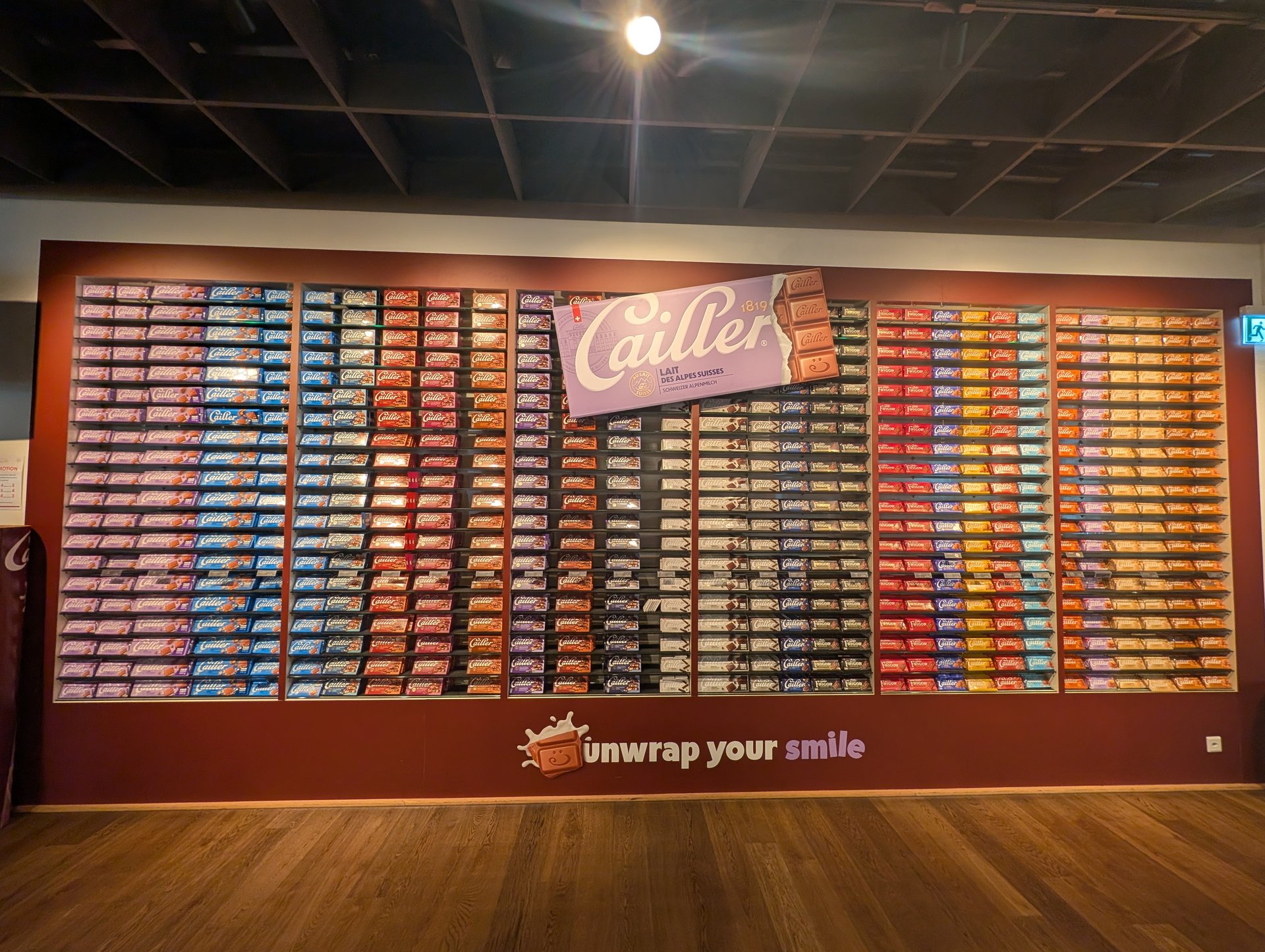
Cailler is the oldest Swiss chocolate brand still on the market — and you feel it the moment you step through the doors of its factory in Broc, in the heart of the Gruyère. Picture a magical place where you dive with all your senses into the wonderful world of Cailler chocolate: your eyes discover the fascinating history of cacao, your ears take in stories about milk, your hands appreciate the texture of roasted beans, your nose fills with the aromas of chocolate being made… and of course, your mouth is overrun by the sweet, inimitable flavours of Cailler chocolate. The interactive circuit of about an hour dives into the history of chocolate, from the Aztecs to the latest innovations. The interactive audiovisual route retraces the different phases of making Cailler chocolate, and live, through cameras, visitors watch the ingredients being transformed into chocolate. You can touch the cacao beans, smell their aromas and watch the manufacturing stages up close: roasting, grinding and blending with the region's milk and sugar. And what milk! Cailler chocolate has been made with milk from the region's cows since 1898 — the same land as the famous cheese that is the pride of the Gruyère. The discovery ends with a big tasting where you try the specialties the house is known for. Dozens of creations, from fresh branches to pralines, are offered generously to visitors. It's the kind of ending you leave with a smile on your face and slightly heavier pockets — off to the shop!
Switzerland - Canton of Geneva
Geneva
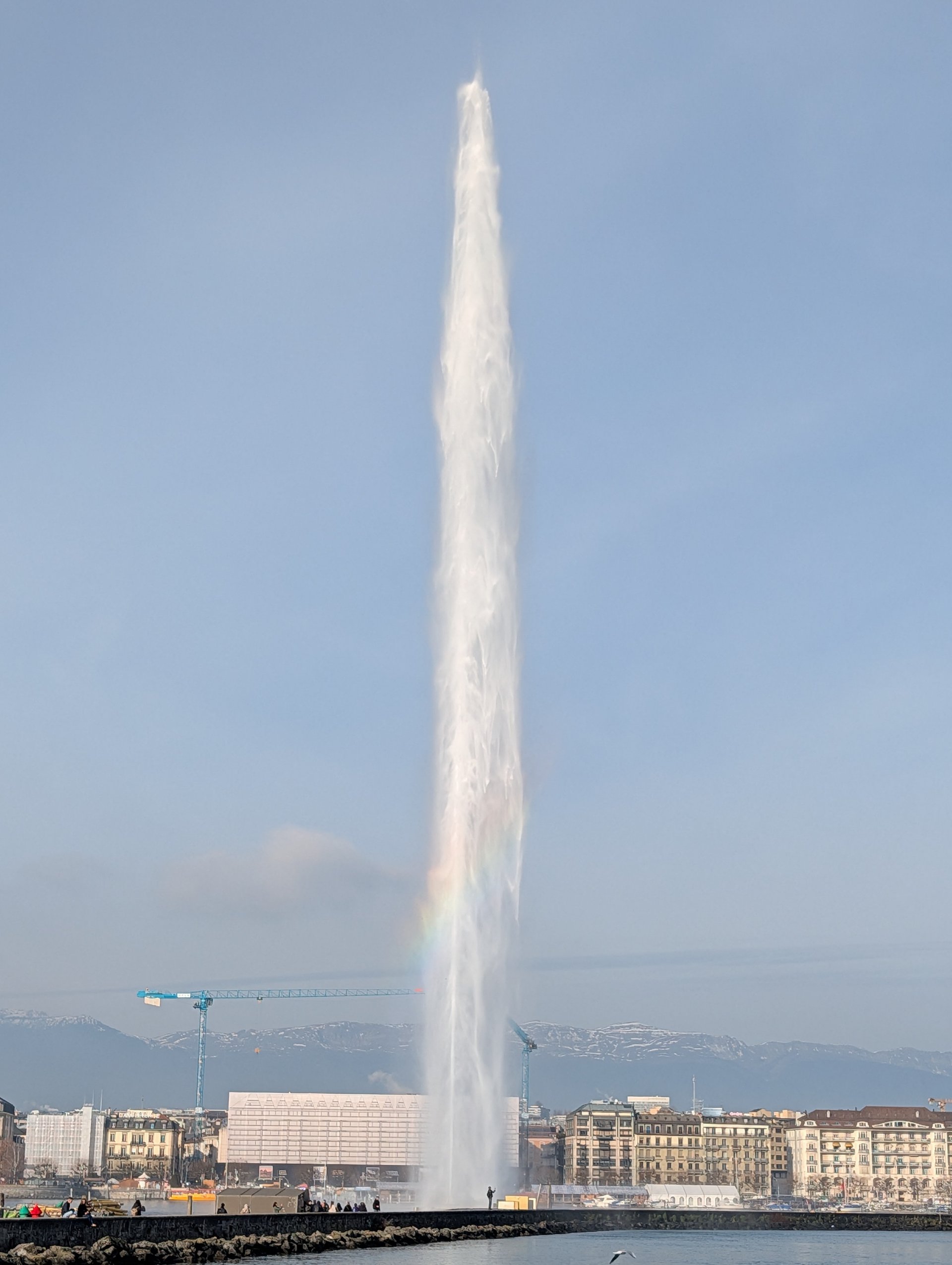
Welcome to Geneva, a city apart, a canton all on its own, and a crossroads of the world for centuries. Geneva is known for hosting the European headquarters of the United Nations, the Red Cross and nearly 10,000 physicists at CERN, which has earned it the nickname « gateway to science ». In other words: while you're strolling along the lakeshore, people are deciding the future of the planet a couple of steps away. Not an everyday thing. But let's start at the beginning — and the beginning, in Geneva, is the Jet d'eau. Did you know it rises to 140 metres and pushes out 500 litres of water per second at a speed of 200 km/h? In 1886, it was nothing more than a safety valve for a hydraulic plant — its first purpose wasn't aesthetic at all. Today, it's the absolute icon of the city. To dive into the history, head for the old town. The largest historic city centre in Switzerland, the Vieille-Ville is dominated by Saint-Pierre Cathedral, a great site of the Reformation.
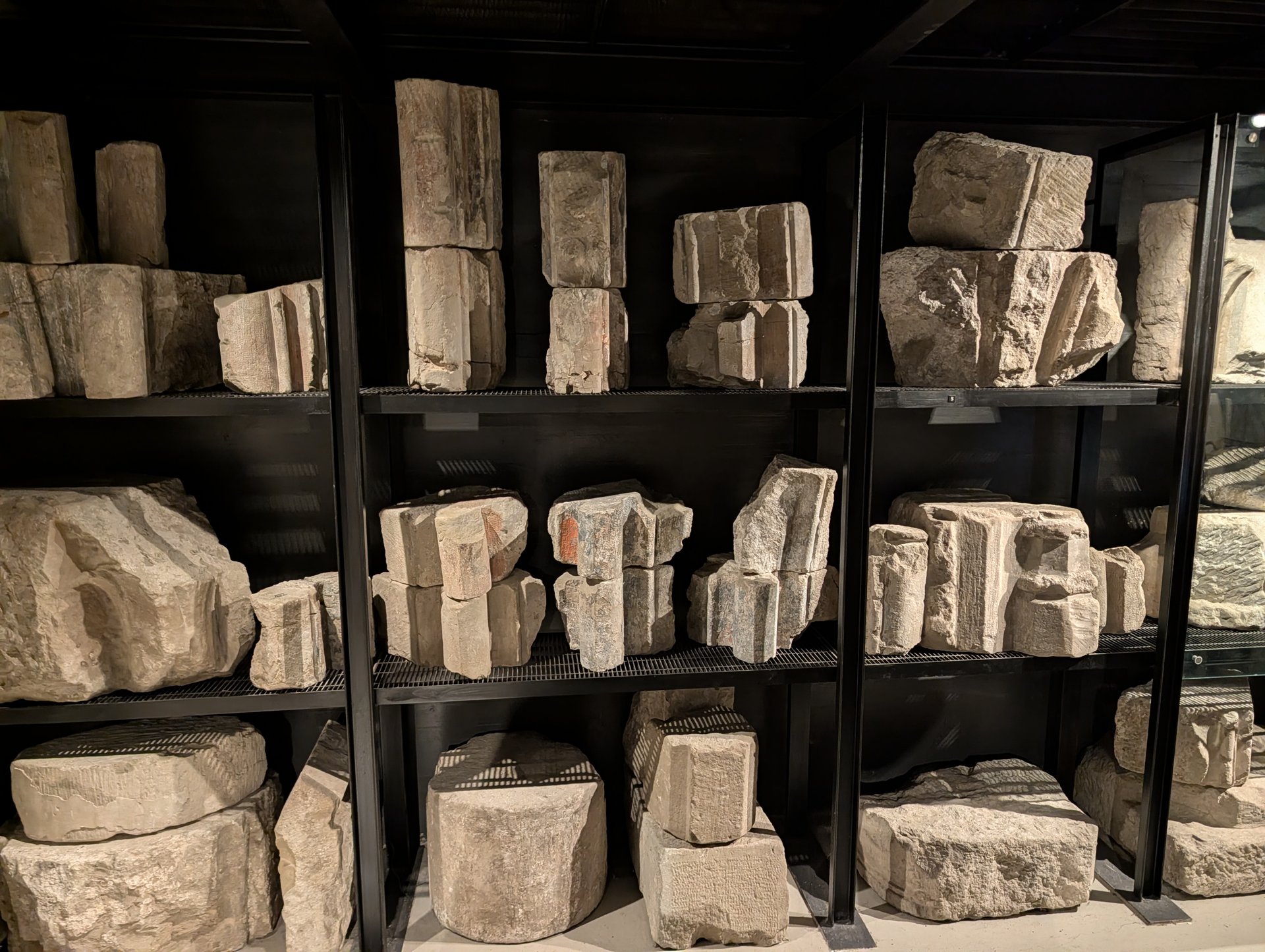
Climbing the 157 steps of Saint-Pierre for the view is good. Going down beneath its foundations to travel back in time is even better. Under Saint-Pierre Cathedral hide the remains of the churches that came before it, the oldest of which goes back to the end of the 4th century — a striking testimony to early Christian Geneva, an important centre in the development of Christianity. But the journey doesn't stop there. The underground also holds pre-Christian traces of the occupation of the hill: wells, a grain-processing area, a building probably used for worship, and even an Allobroge tomb. The Allobroges were the Gaulish people who lived in the region long before Rome got involved. The route begins in the 3rd century B.C. and ends with the building of the present cathedral, undertaken in the 12th century — fifteen centuries of history under your feet, in a single visit. It's one of the largest archaeological sites in Europe north of the Alps, and yet it remains surprisingly unknown to hurried visitors who settle for the facade. An hour underground that completely changes the way you look at the cathedral when you come back into the light. Geneva is that city that speaks of peace to the world, that keeps the planet's time, and that still finds the time to serve you a good hot chocolate by the lake. A serious city... with a smile.
France, département of the Rhône
Lyon
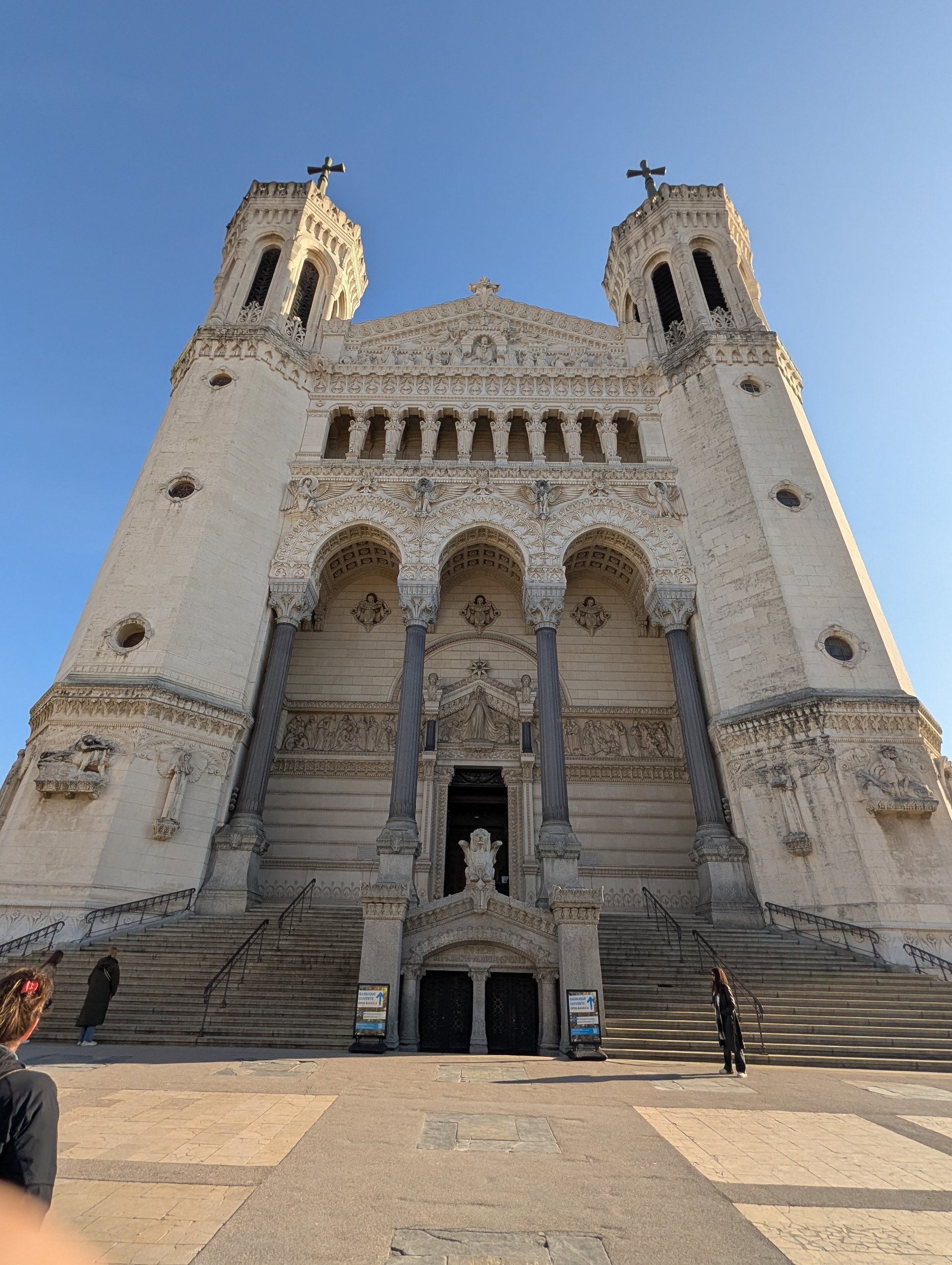
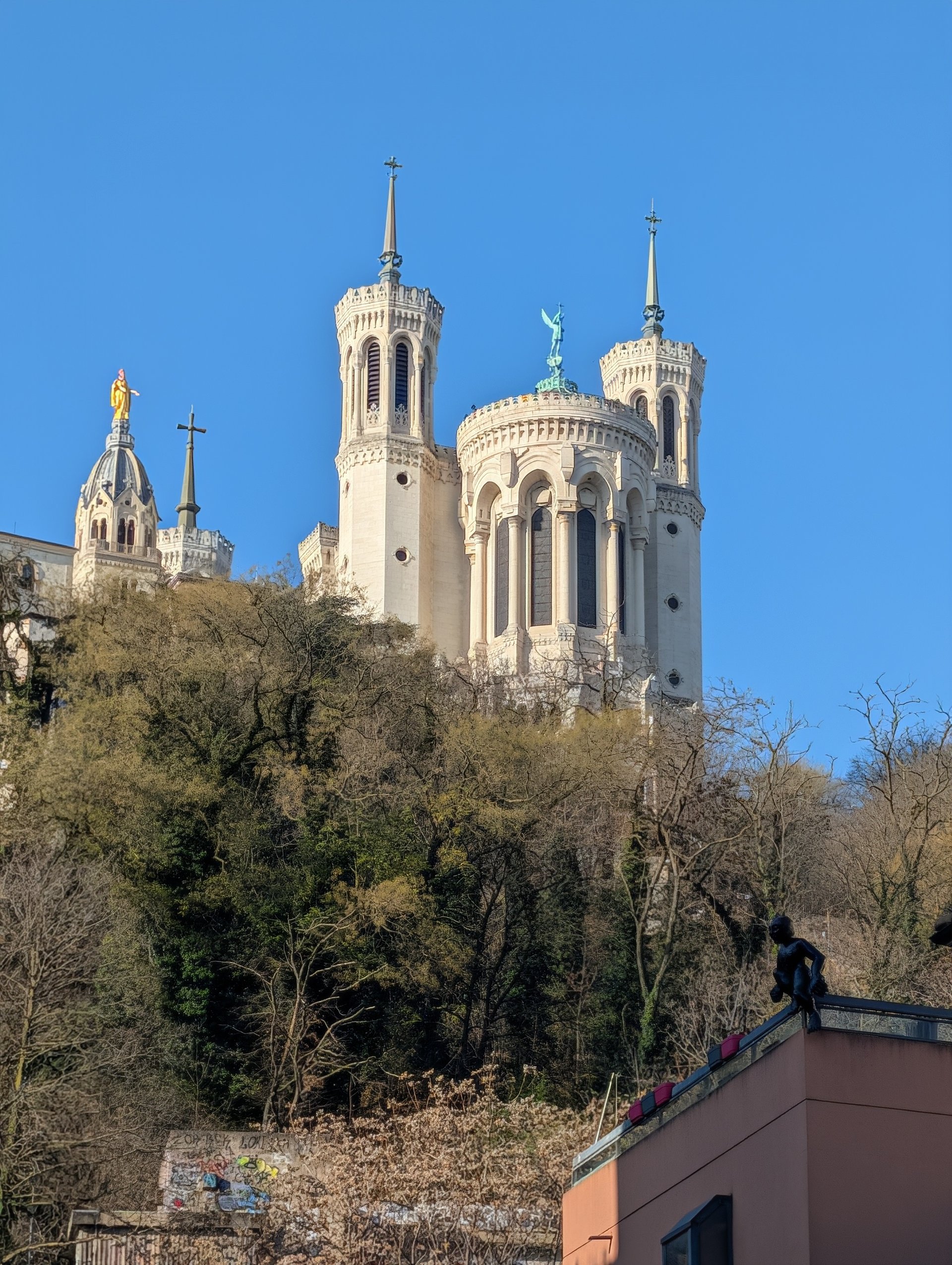
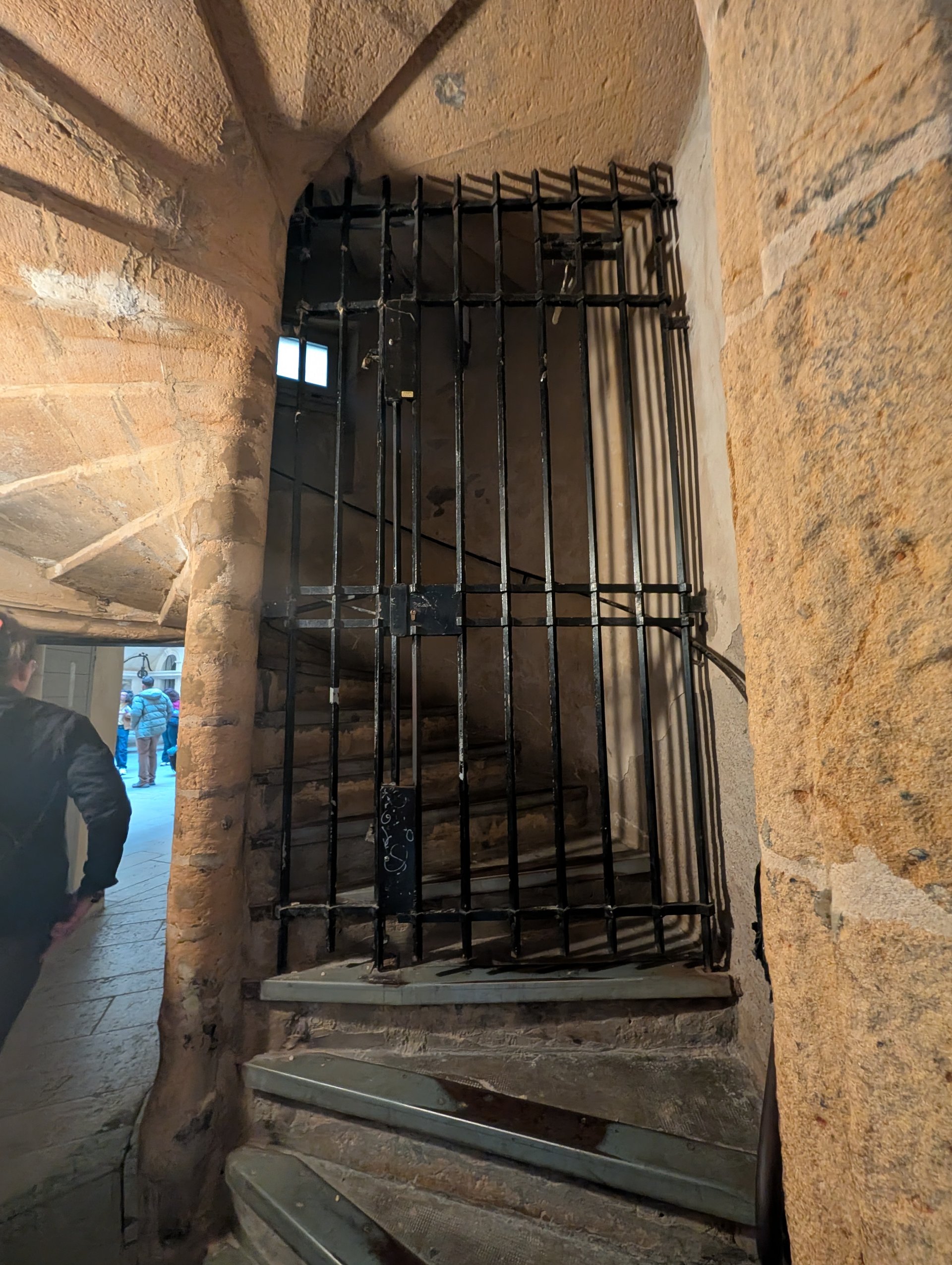
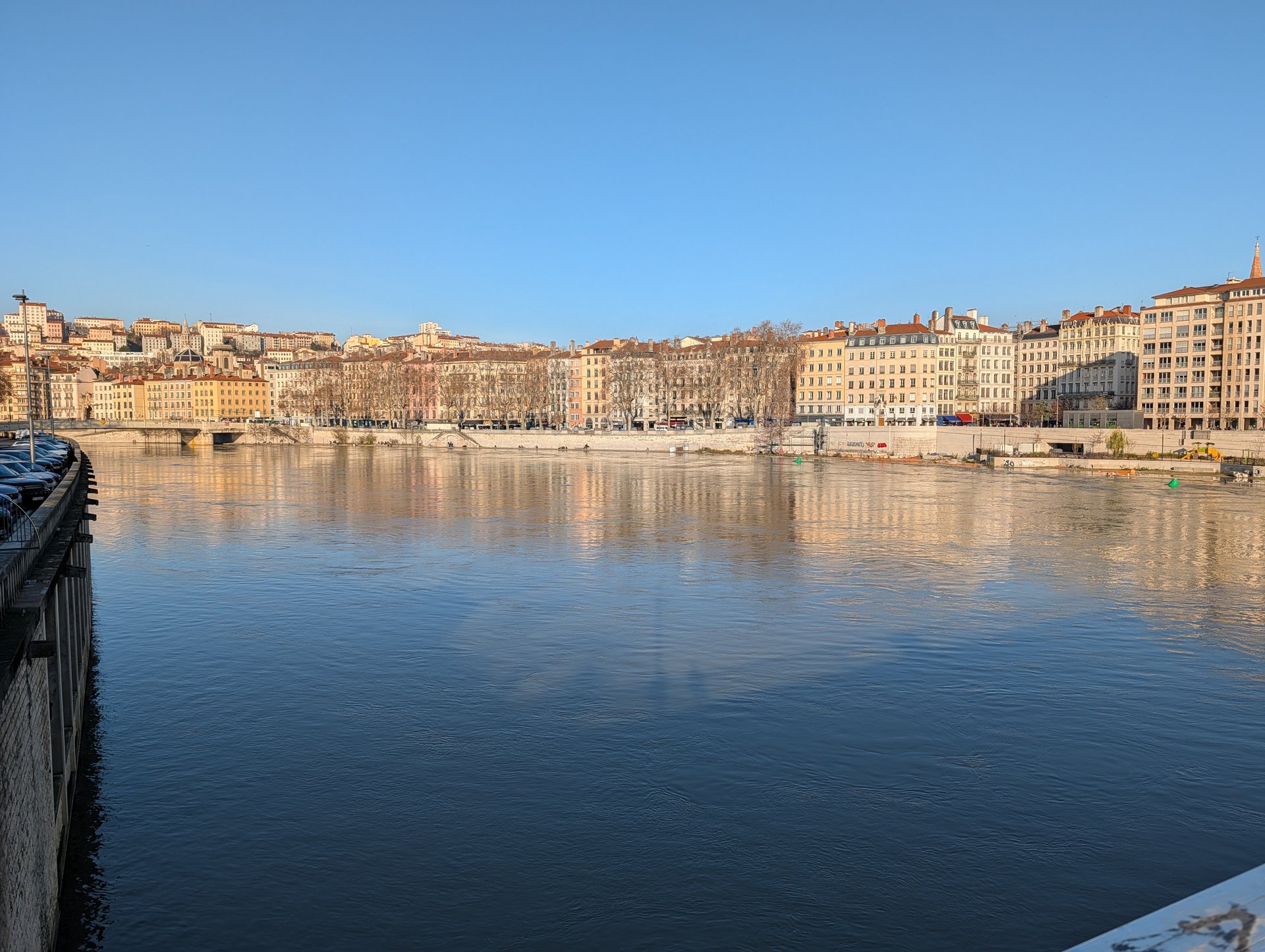
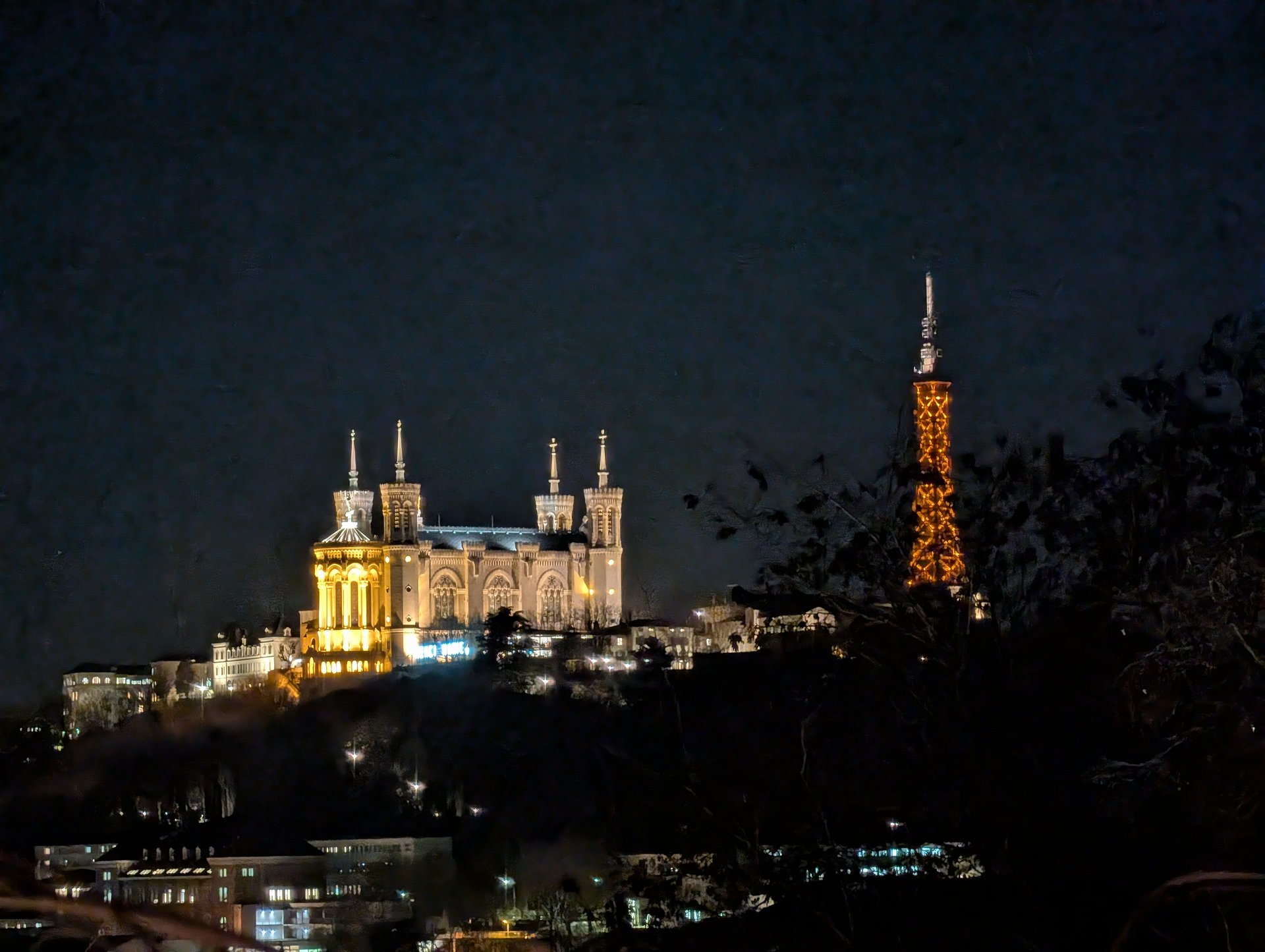
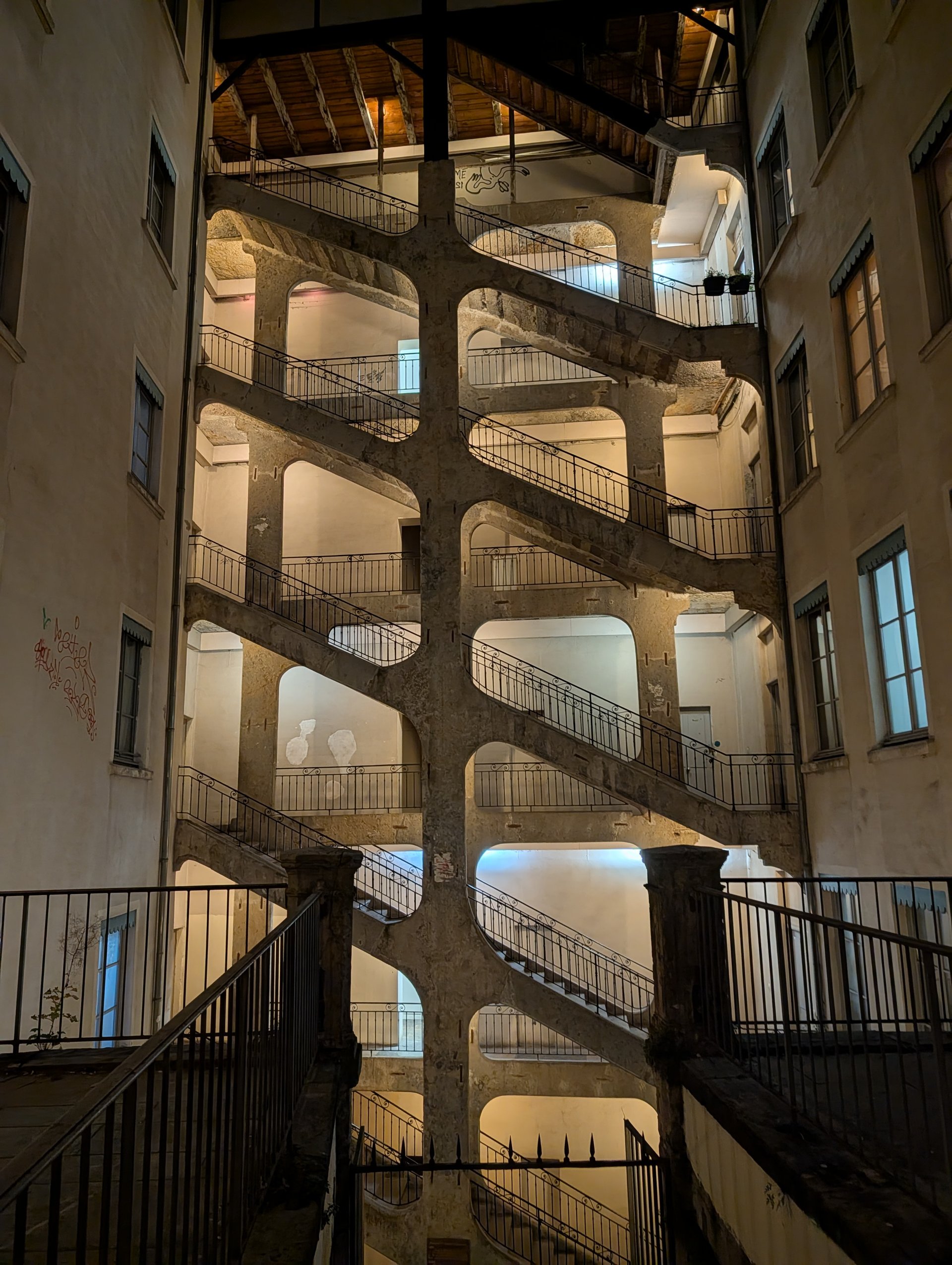
You leave Switzerland, cross the border, and land in one of the richest, most flavourful and most secretive cities in Europe. Welcome to Lyon — the city of two hills, two rivers, and a food culture that stops you in your tracks. Lyon is read from above. On one side, the Fourvière hill, on which the Romans founded the city in 43 B.C., is crowned by the basilica of Notre-Dame de Fourvière, completed in 1896, with its sumptuous mosaics, its stained glass and its breathtaking interior. On the other, the Croix-Rousse — nicknamed « the hill that works » — is known for its glorious past in the silk industry, and today is the gathering place of artists, café-theatres and lovers of offbeat culture. Exploring Vieux Lyon is the essential activity par excellence. This Renaissance quarter, listed as UNESCO World Heritage, hides one of its greatest treasures inside its walls: the traboules. These covered passages that cut through buildings from courtyard to courtyard once served the canuts — the silk workers — to carry their fabrics sheltered from the rain. During the Occupation, the Lyon Resistance used them to disappear into the city. Today they still have to be earned: you have to know which doors to push. Lyon doesn't joke about food. To sit down like a local, head for a bouchon lyonnais — those small traditional restaurants where hearty, unpretentious dishes are served on checked tablecloths: quenelles, tablier de sapeur, praline tart, cervelle de Canut, faisselle, salade lyonnaise, ravioles, île flottante. Here, eating well isn't a luxury, it's a philosophy. Lyon is the city that takes you by surprise. You come for a weekend, you leave dreaming of coming back.
Paris, the City of Light
Night on the Seine: the bateau-mouche
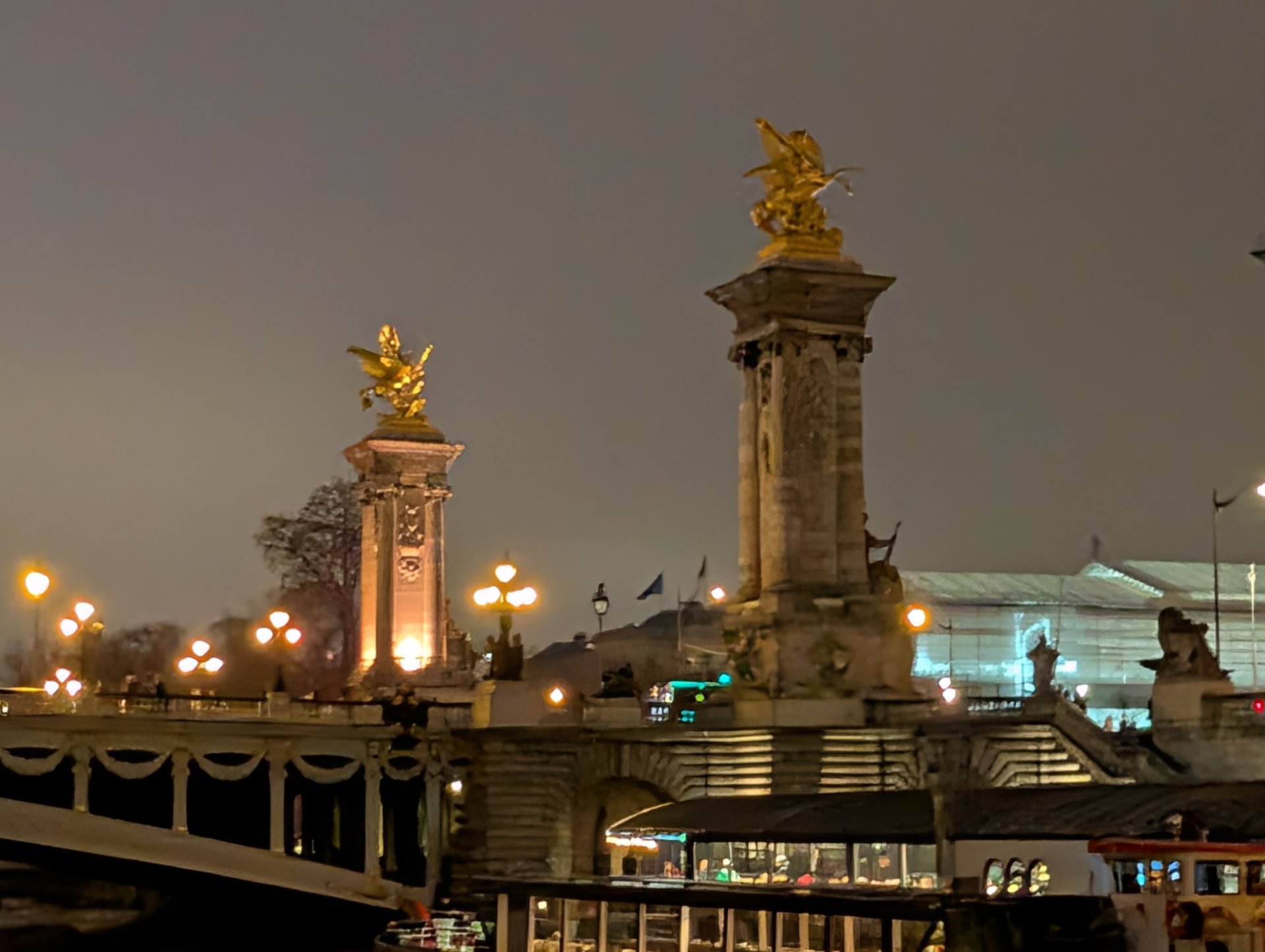
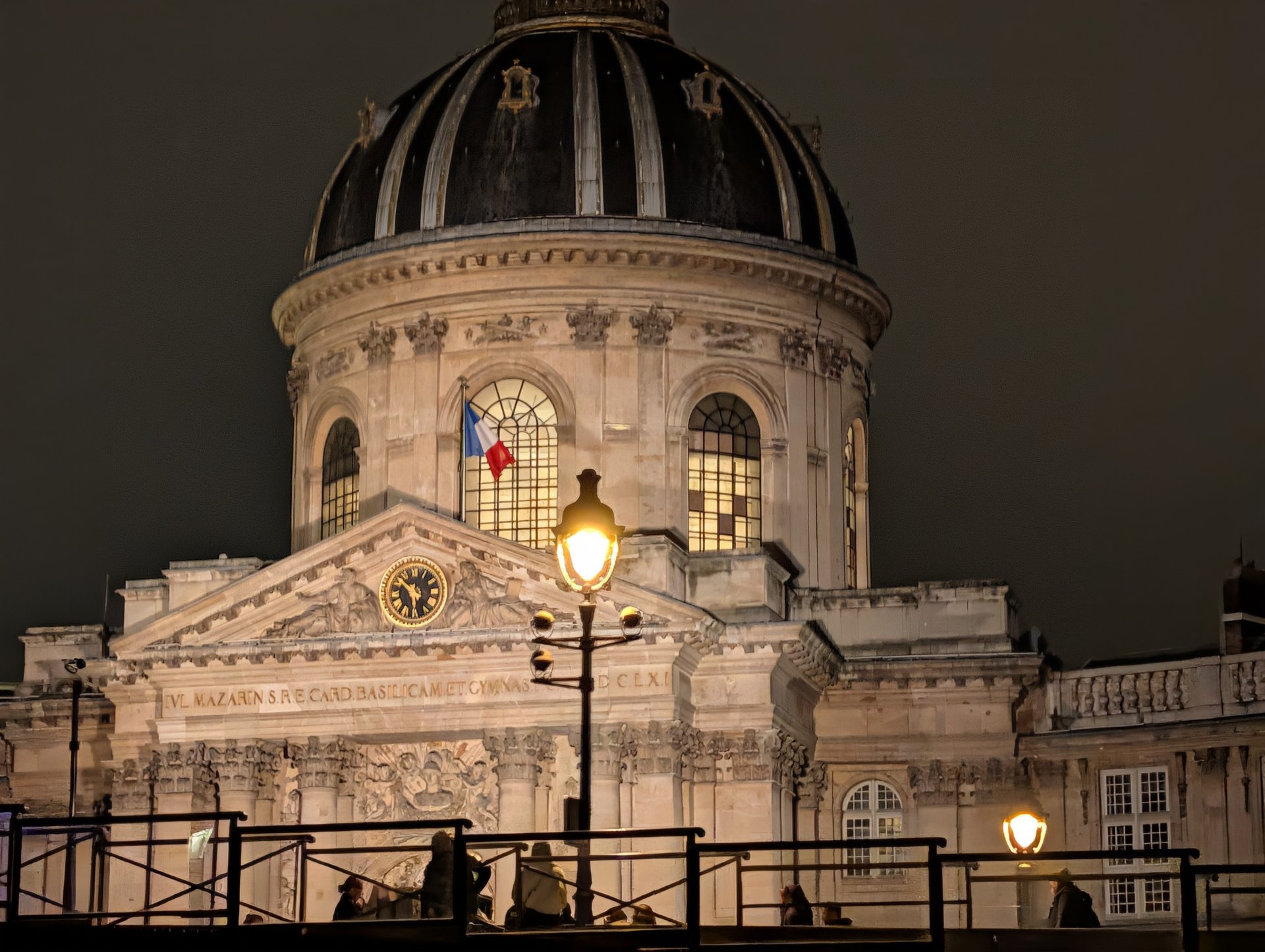
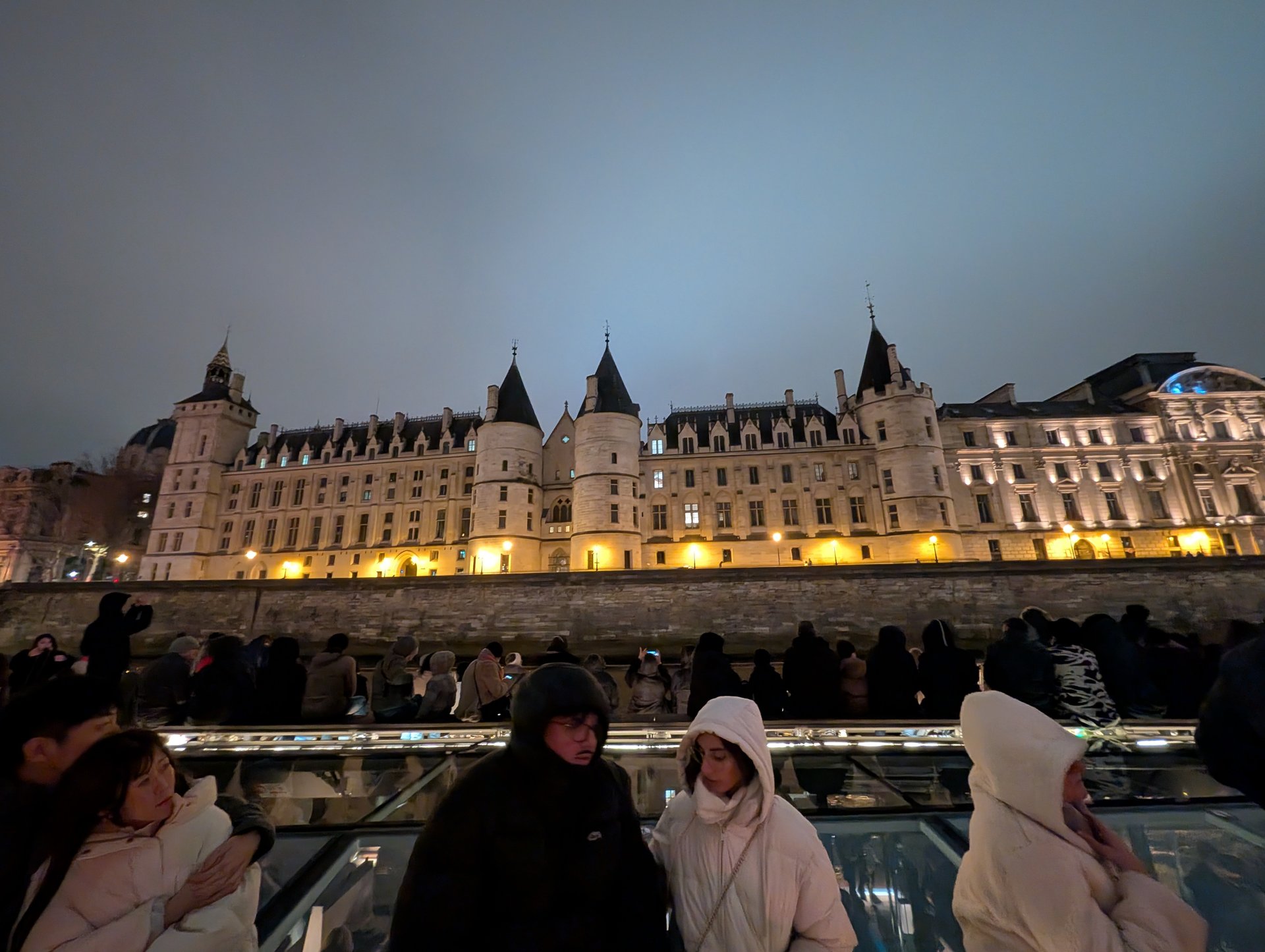
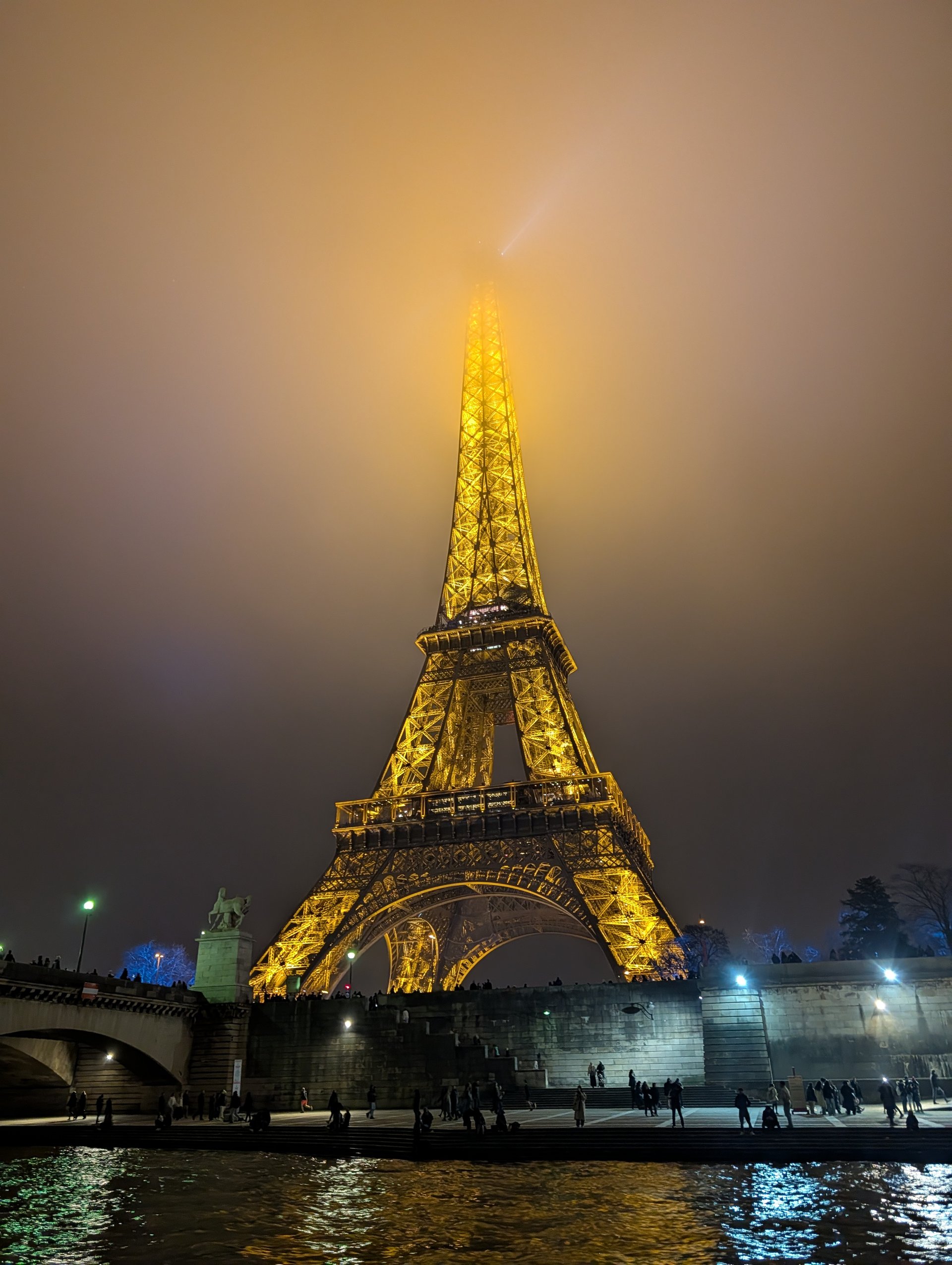
Let's start where Paris reveals itself best: on the water, after dark. The Bateaux-Mouches landing is near the Pont de l'Alma. The boats head up the Seine toward Notre-Dame, passing the Louvre Museum, the Hôtel de Ville and the Conciergerie, before coming back along the Musée d'Orsay and the Assemblée Nationale toward the Eiffel Tower. At night, the lit monuments offer a spectacular panorama — and the Eiffel Tower sparkles at the end, a magical moment that visitors unanimously describe as unforgettable.
The Arc de Triomphe
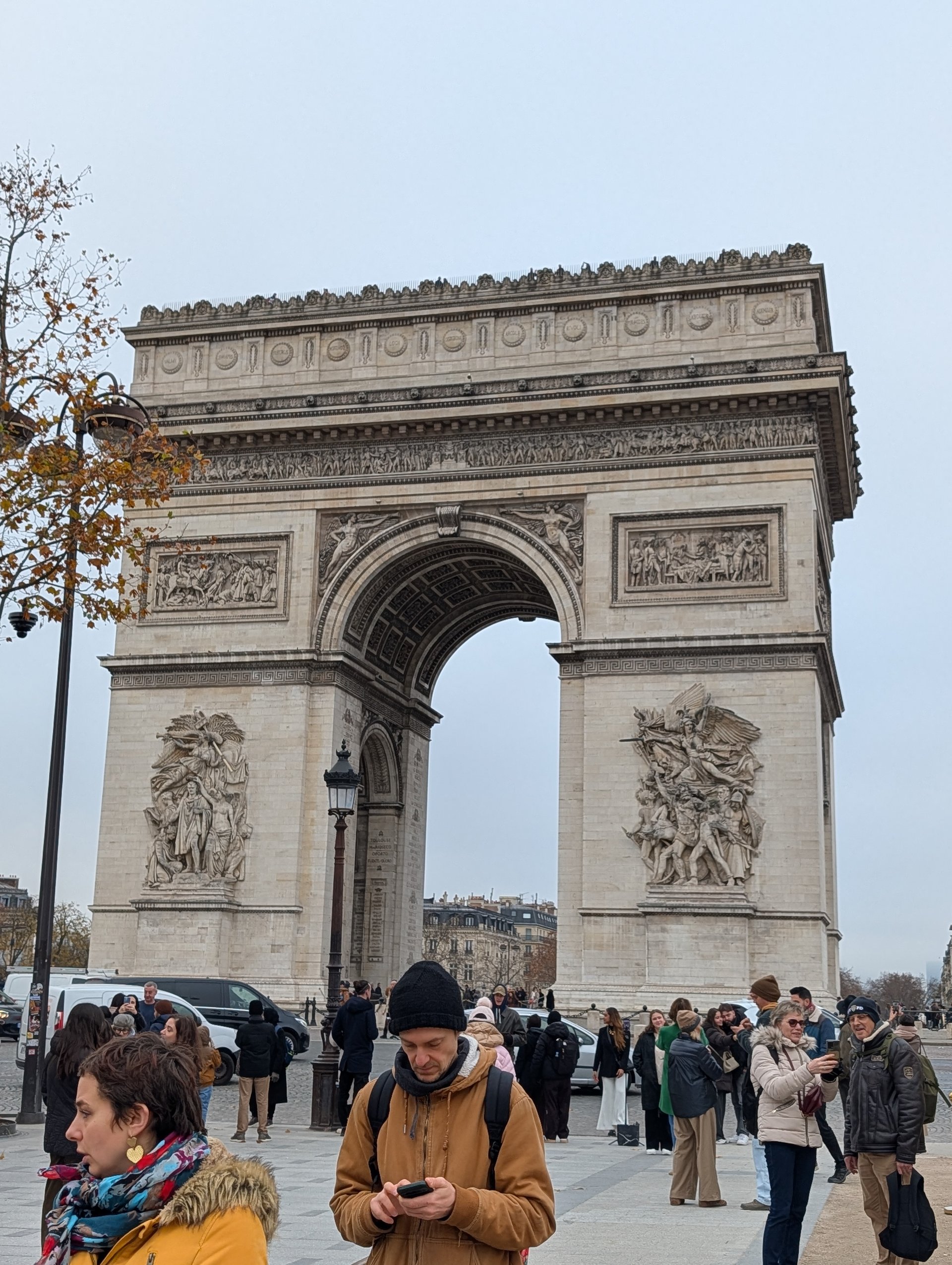
Its construction, decided by Napoleon I, began in 1806 and was completed in 1836 under the reign of Louis-Philippe. On the walls of its arches are engraved the names of the battles and the generals of the wars fought during the Revolution and under the Empire. At its base rests the tomb of the Unknown Soldier, a symbol of the First World War. Since that date, the Flame has never gone out — every evening at 6:30 p.m., it is rekindled by representatives of veterans' associations.
Les Invalides and Napoleon's tomb
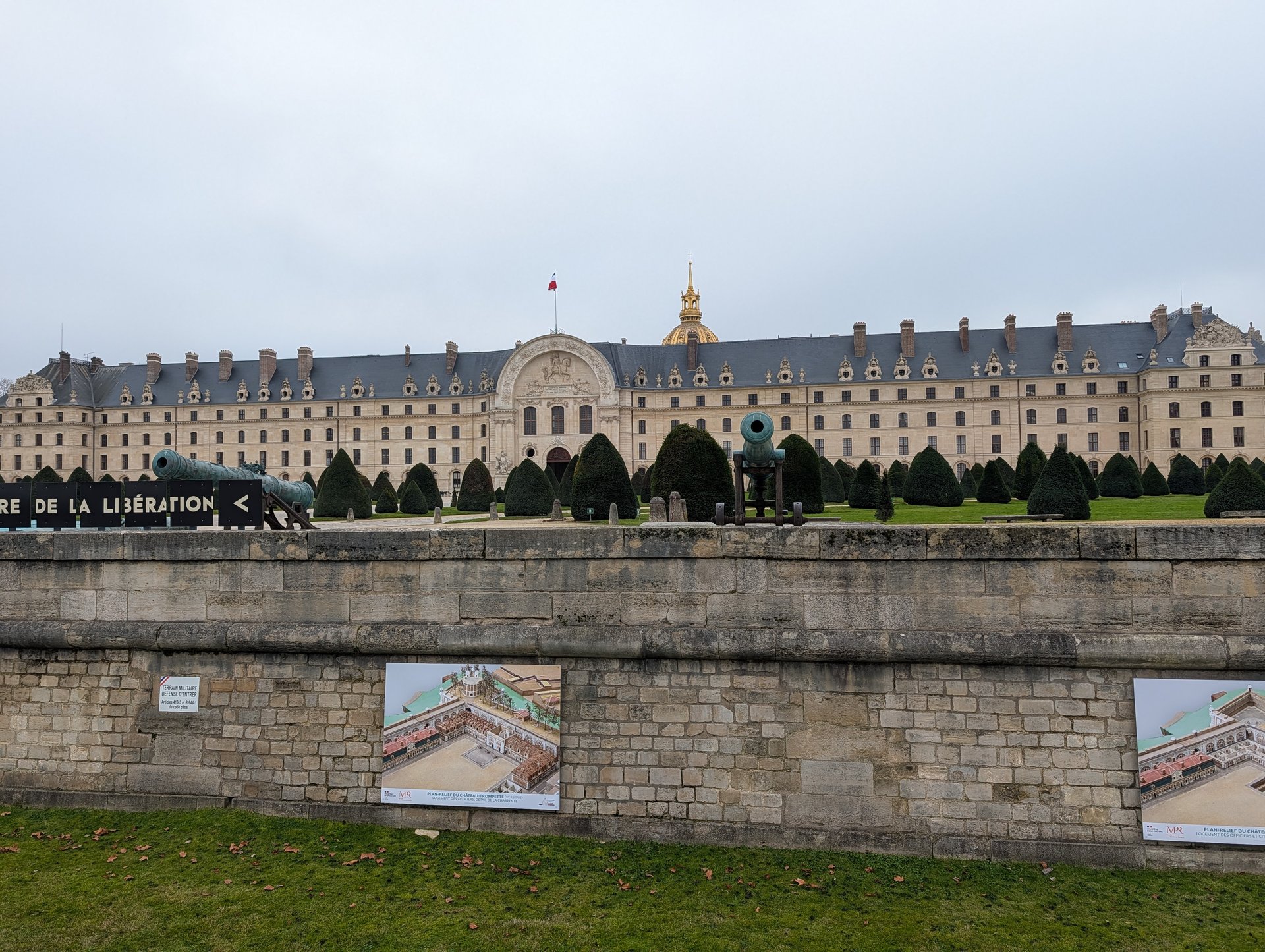
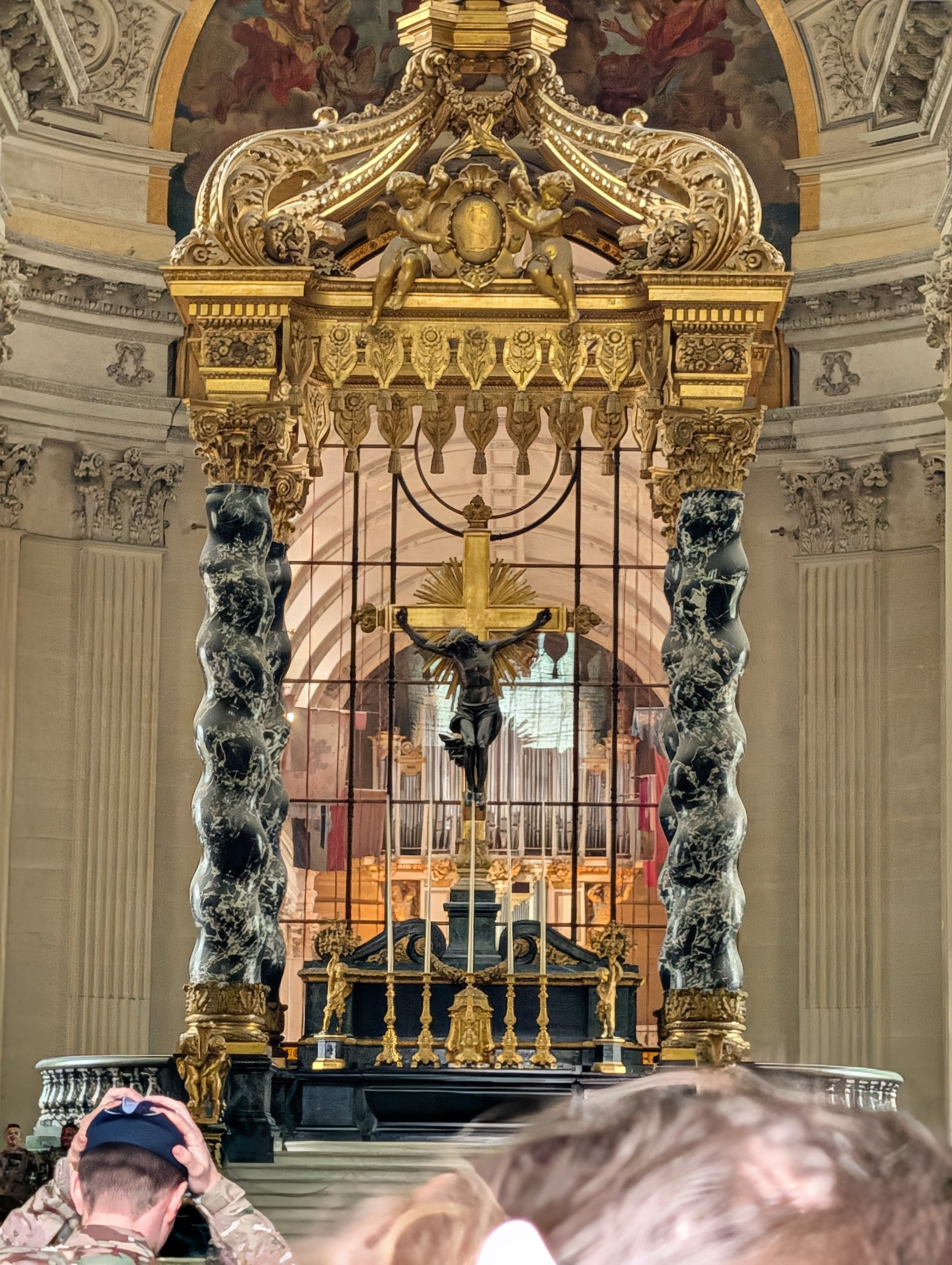
The history of the Dôme des Invalides is closely tied to that of France: church of the royal masses under Louis XIV, home of the tomb of Napoleon I in the 19th century, then a refuge for Allied pilots during the Second World War. Above the staircase leading to the crypt, you can read the Emperor's wish: « I wish my ashes to rest on the banks of the Seine, among the French people I have loved so much. » The tomb, shaped from blocks of red porphyry, is set on a base of green Vosges granite. A solemn and grand place, less crowded than the Louvre, but just as moving.
Père-Lachaise cemetery
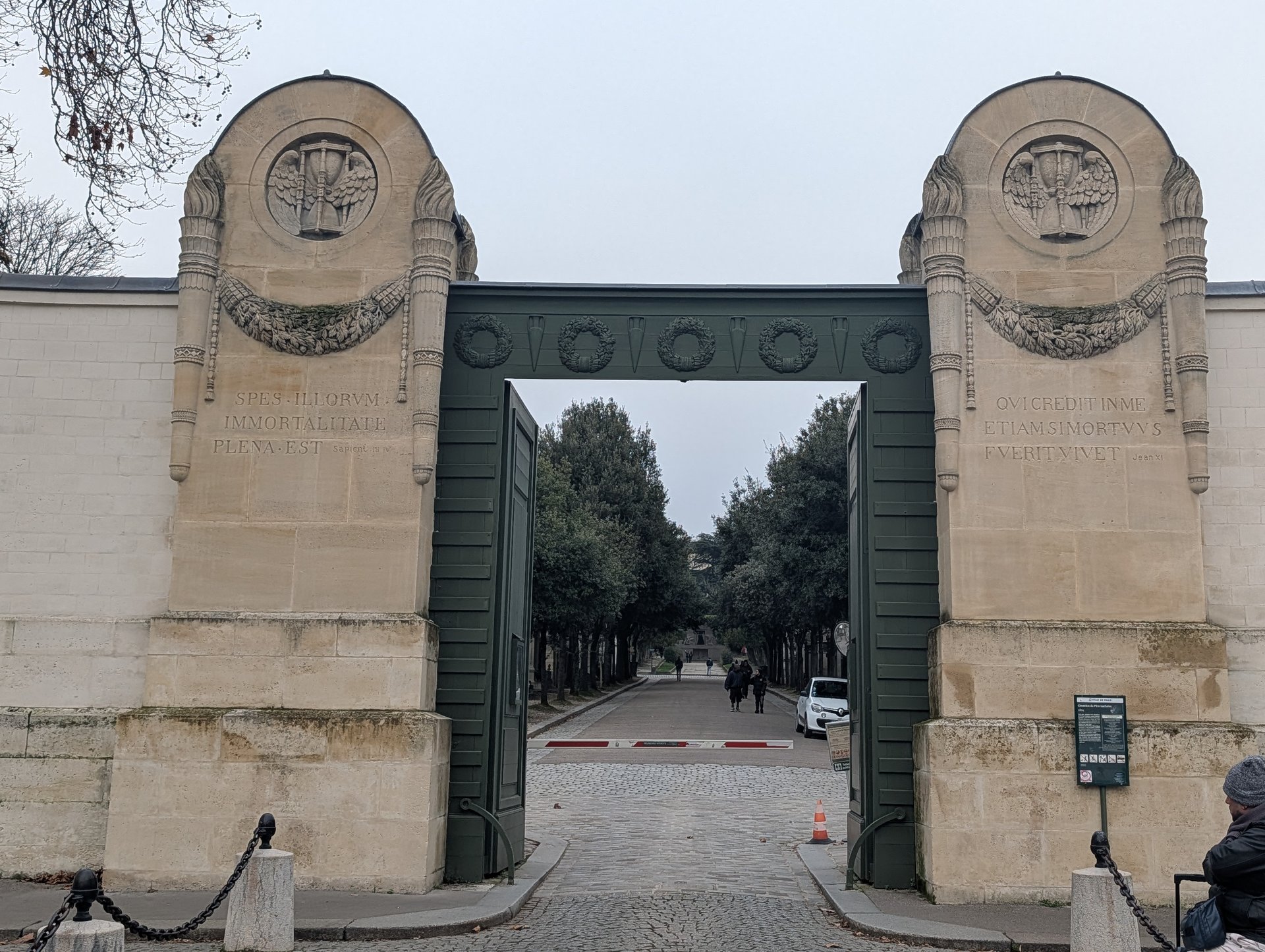
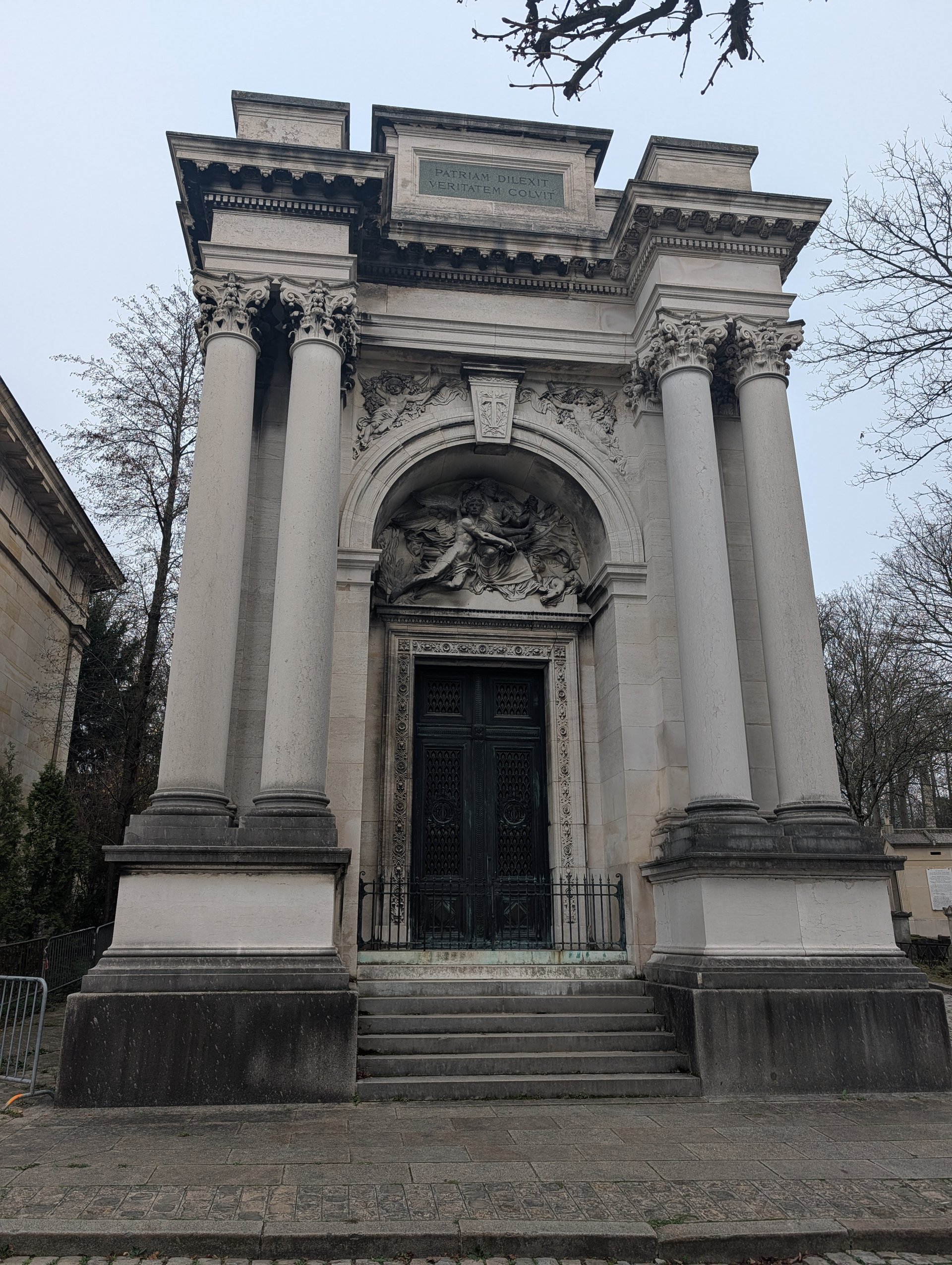
A genuine city within the city, Père-Lachaise cemetery draws more than 3 million visitors a year. Far more than a simple cemetery, it is a true open-air museum where art, history and nature mingle in a romantic and soothing setting. Among the most visited graves: Jim Morrison, Édith Piaf, Frédéric Chopin, Oscar Wilde with his Art Deco monument covered in lipstick kisses, and Molière. Entry is entirely free, and maps are available at the gates so you don't get lost in the 43 hectares.
Notre-Dame de Paris
On April 15, 2019, a major fire partly destroyed the cathedral of Notre-Dame de Paris. After five years of work, the famous monument reopened its doors on December 8, 2024. The restoration mobilized more than 2,000 craftspeople and cost about 700 million euros, financed exclusively by donations. The cathedral welcomes visitors again free of charge, with online booking recommended. A rebirth that feels like a miracle.
The basilica of the Sacré-Cœur
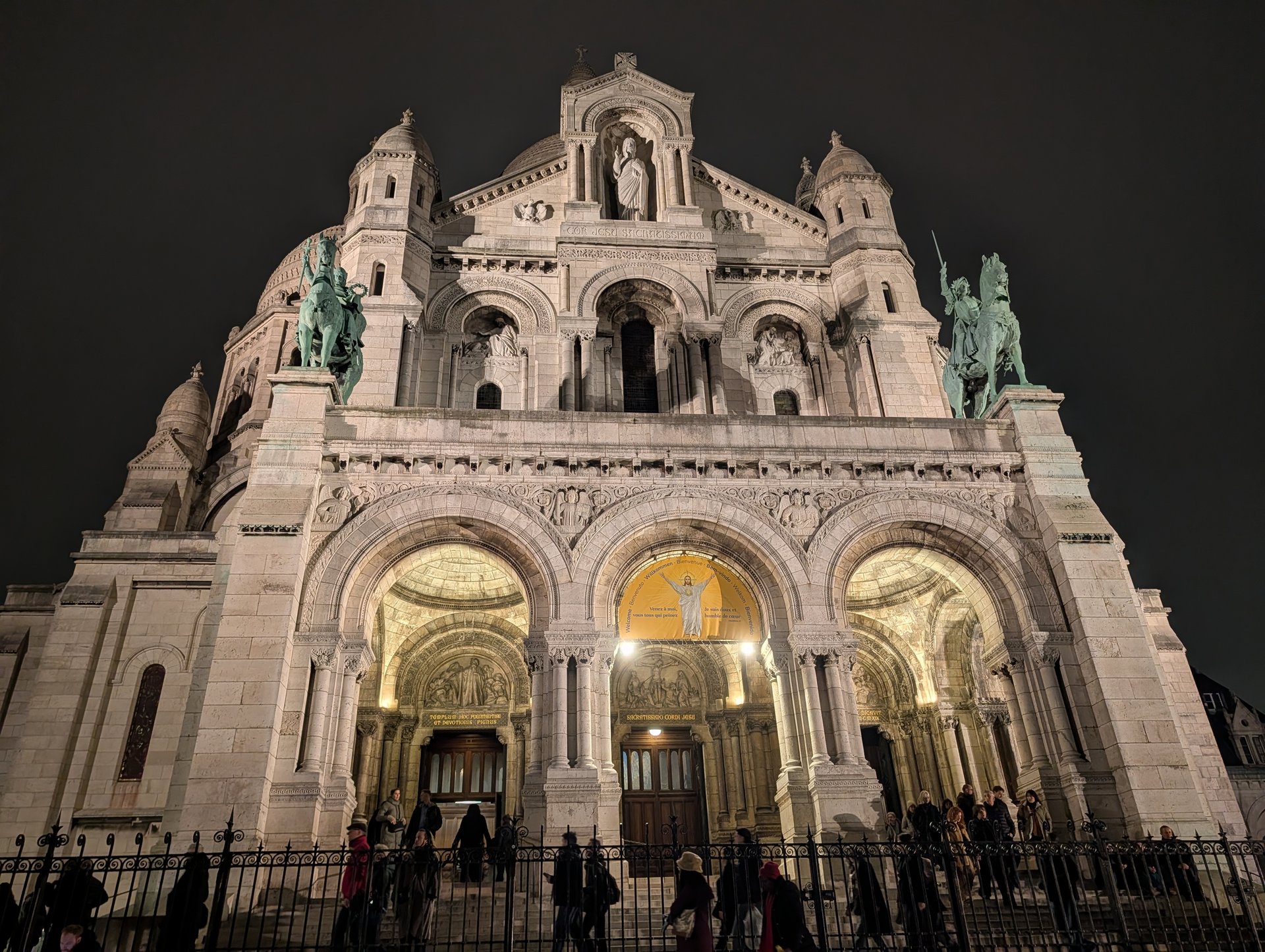
Set at the top of the Montmartre hill, at 130 metres of altitude, the basilica of the Sacré-Cœur offers one of the finest panoramic views of the capital. Romano-Byzantine in style, it is recognizable by its immaculate white colour. Inside, the ceiling is decorated with the largest mosaic in France, measuring 480 m².
The Louvre… from the outside
Because going inside the largest museum in the world deserves a whole day, start by walking around it outside. I. M. Pei's glass pyramid at sunset, the classical facades lit at night, the busy cour Napoléon, the Tuileries garden stretching toward the Concorde… The Louvre seen from outside is already a spectacle in itself, and one of the finest night settings Paris has to offer.
Le Bon Bock: dinner in the Paris of the Belle Époque
To finish the evening in style, head for the foot of the Butte Montmartre. Le Bon Bock opened its doors in 1879. It quickly became one of the landmarks of artistic Paris in the Belle Époque, where Manet, Picasso, Toulouse-Lautrec, Van Gogh and Apollinaire crowded in over a glass of absinthe. Today the rakish soul still reigns there — candles, woodwork, frescoes, a big bar, paintings by the dozen on the walls, and at the back, a piano bar you can book privately for piano-and-voice evenings. It's the oldest restaurant in Montmartre, and it guarantees you moments of nostalgia. Homemade French cooking, daily specials following the week's rotation, and absinthe served with its traditional ritual. An address like no other. Paris in one evening on the Seine, then two days on foot — it's still not enough. But it's an unforgettable beginning.