Lisbon, first stop
Parque das Nações
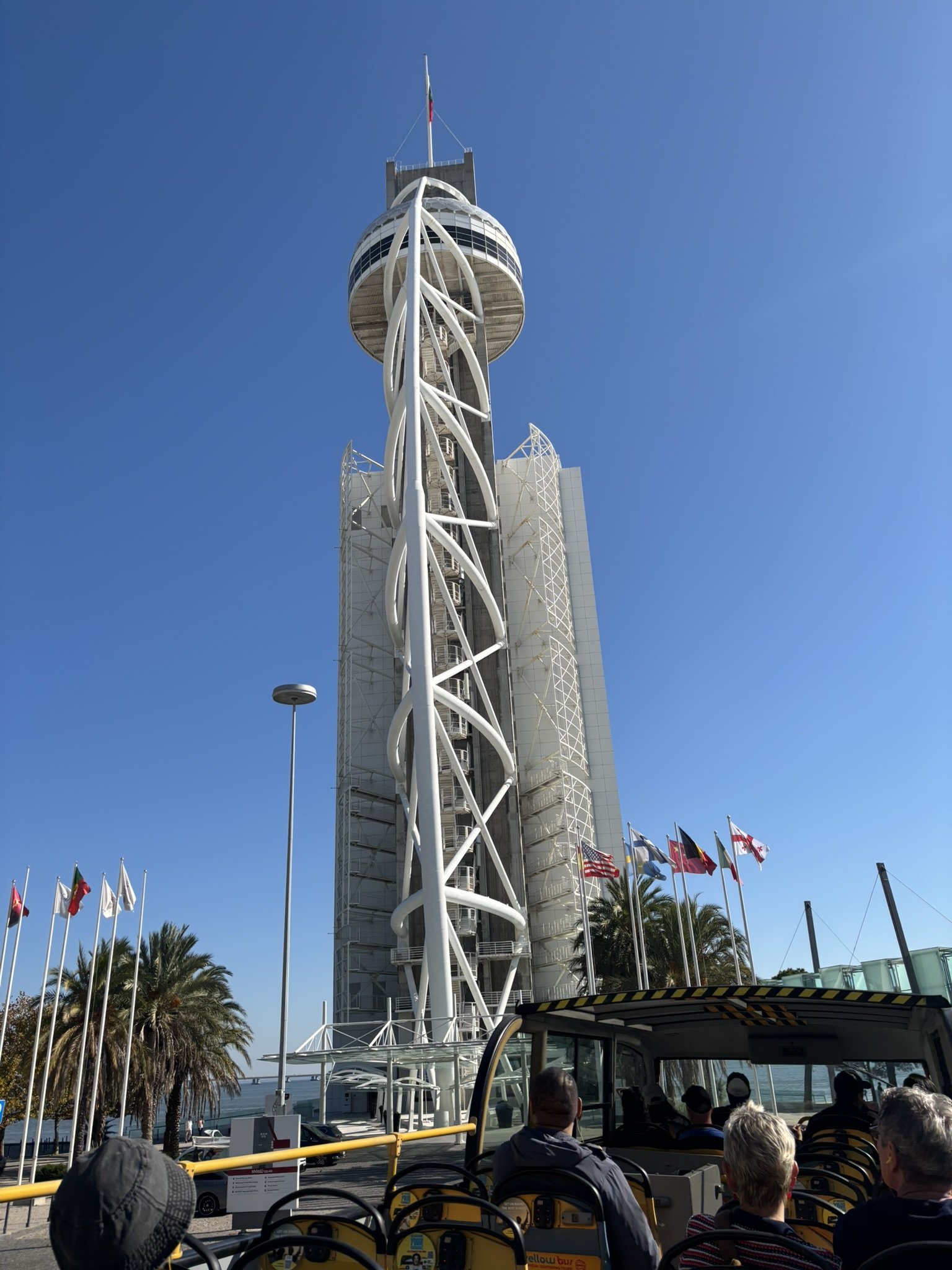
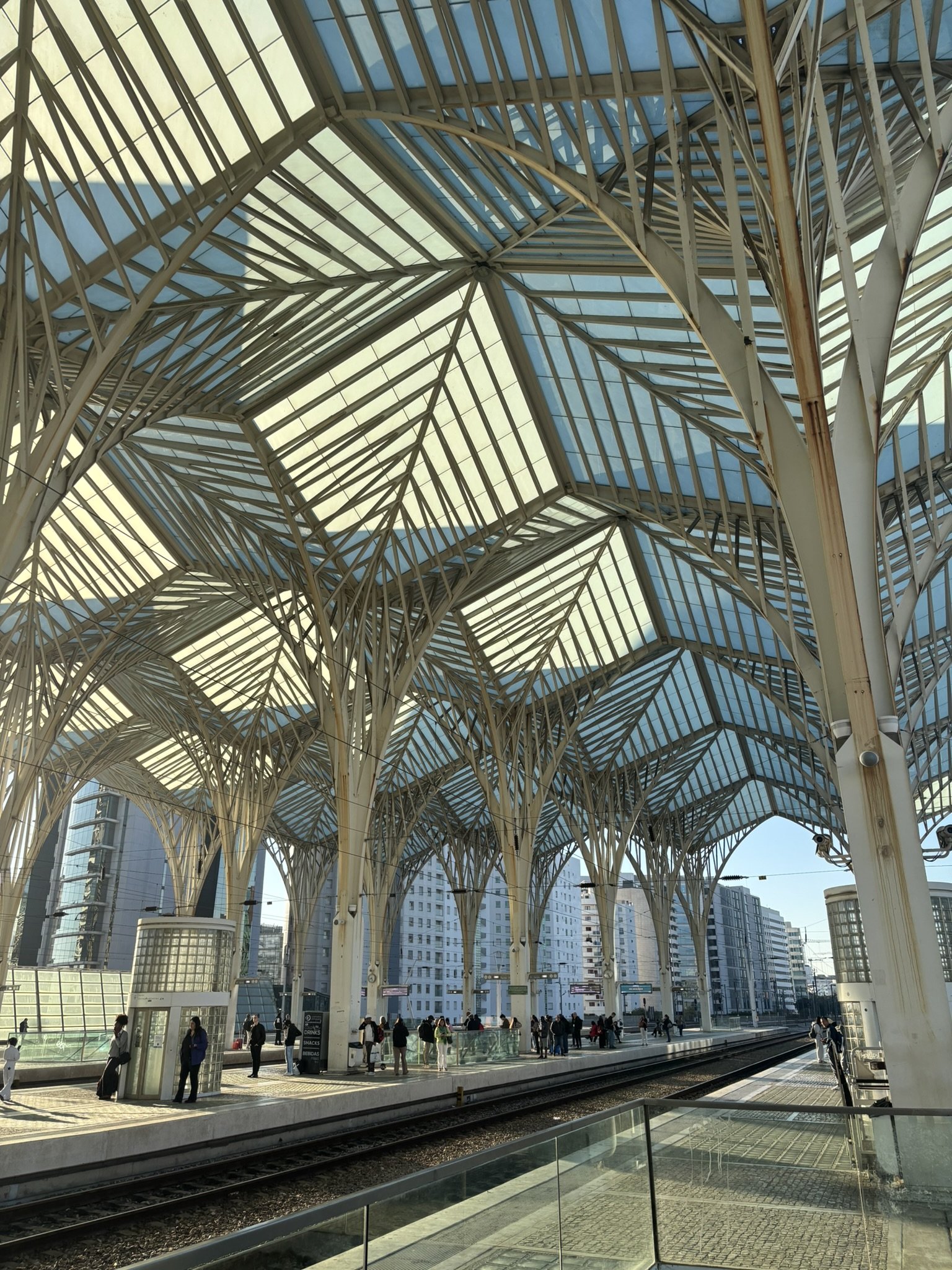
Arrival on the morning of November 1, after Air Canada's overnight flight from Montreal. For this first night, we stayed at the Ikonik Lisboa, in Parque das Nações, the modern district born of the 1998 World Expo. The idea was to keep the first day easy: Oriente station and its spectacular architecture, a walk along the Tagus and through the Garcia de Orta gardens, then a look at the Oceanário and the Vasco da Gama Tower.
Our advice: don't attempt Alfama or Belém on arrival day. Parque das Nações is far from the historic centre, and it is much simpler to keep those neighbourhoods for the end of the stay, staying in the centre.
Seville, the heart of Andalusia
Seville was a real favourite: for the food, for Cruzcampo, Seville's emblematic beer, and above all for that Spanish spirit, warm and lively, that you feel everywhere in the streets.
La Macarena and the Alameda de Hércules
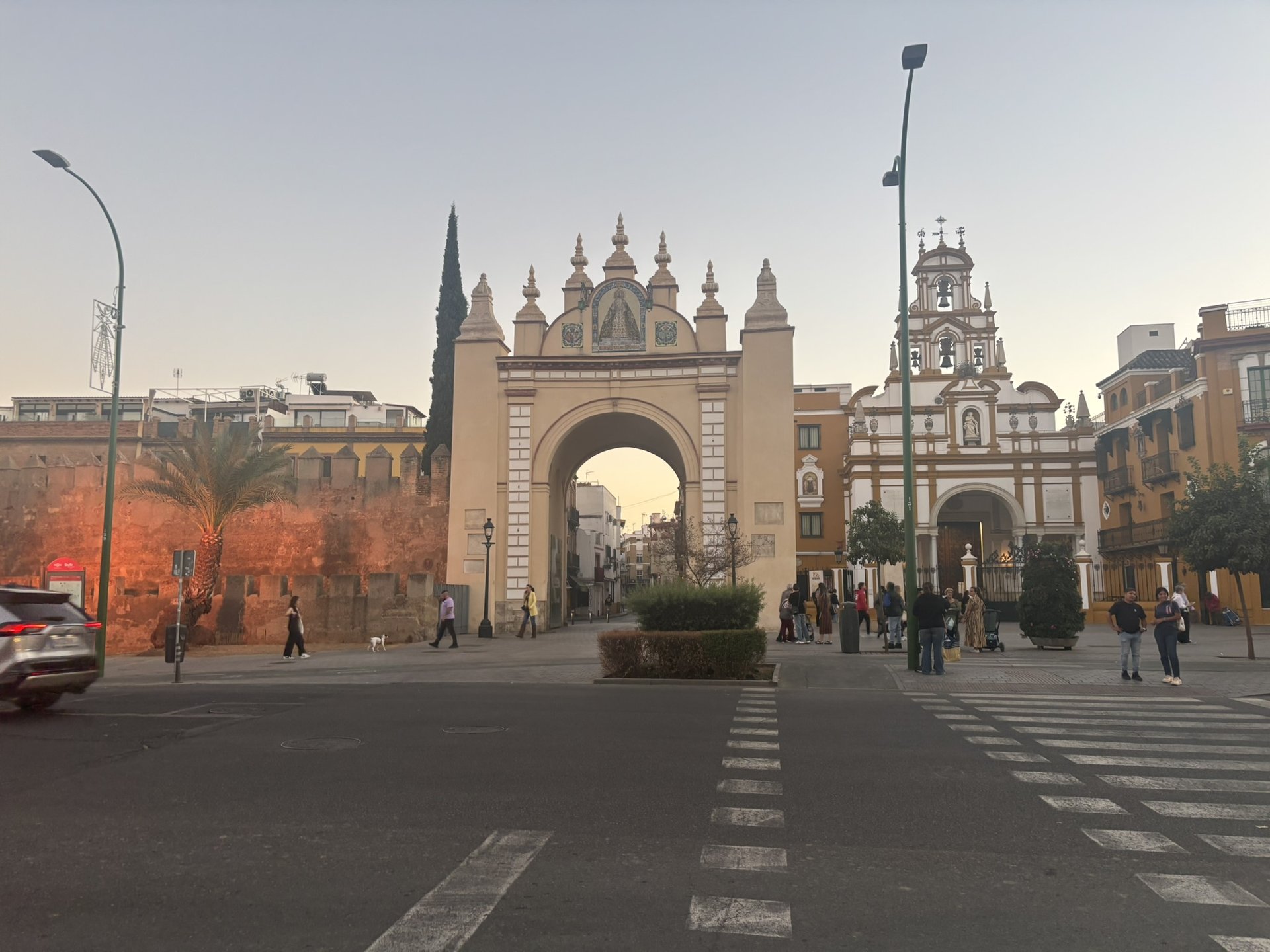
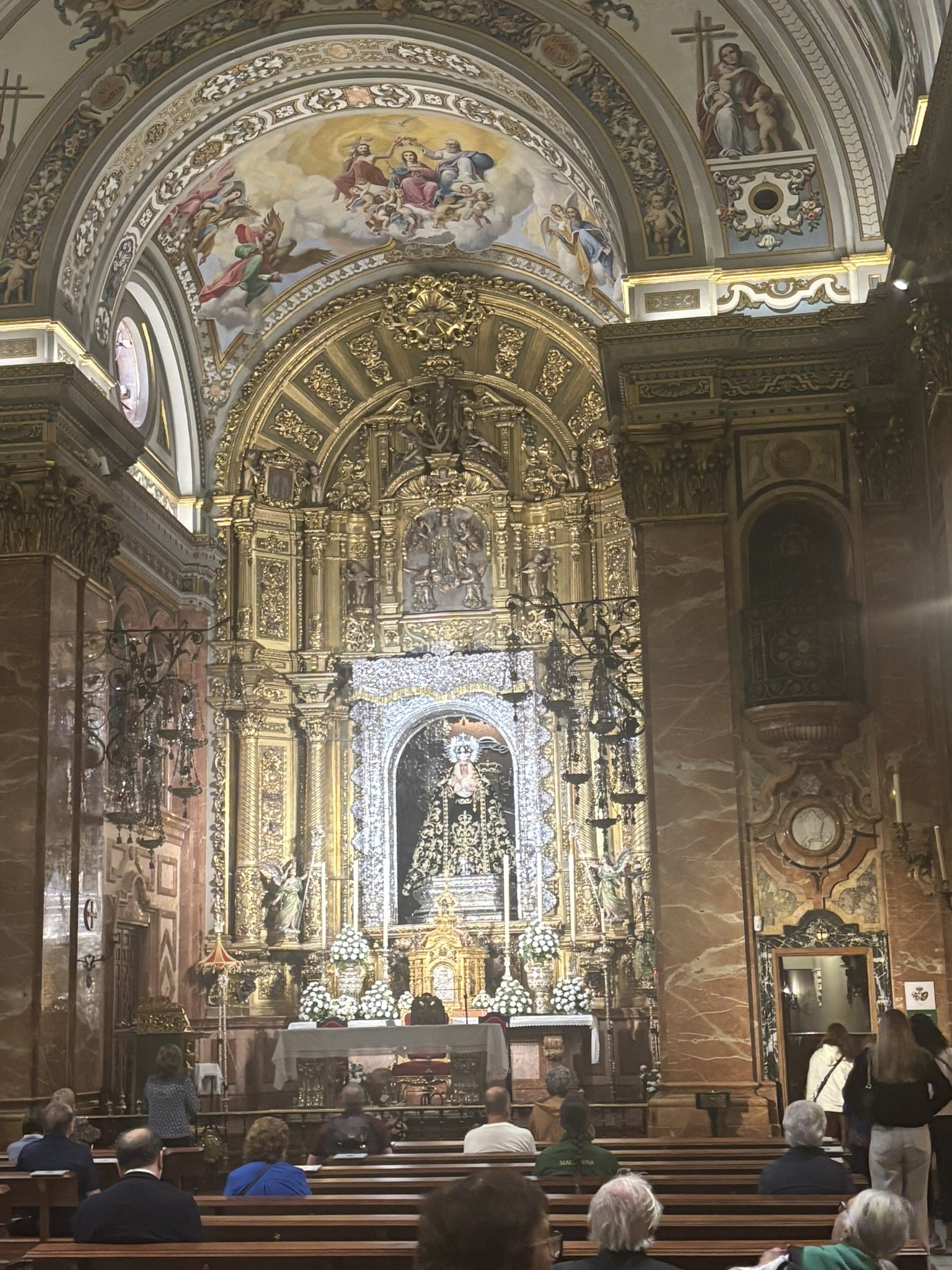
On November 2, a short flight from Lisbon to Seville and settling into an Airbnb on calle San Blas, in the Macarena neighbourhood. Our neighbourhood was very local, far from the tourist crowds, and we really enjoyed living there like the Sevillians. For a first look at the end of the day: the Macarena basilica and walls, then the Alameda de Hércules and the streets of San Lorenzo. The Alameda is the perfect place for a first tapas dinner.
The Real Alcázar, the cathedral and Santa Cruz
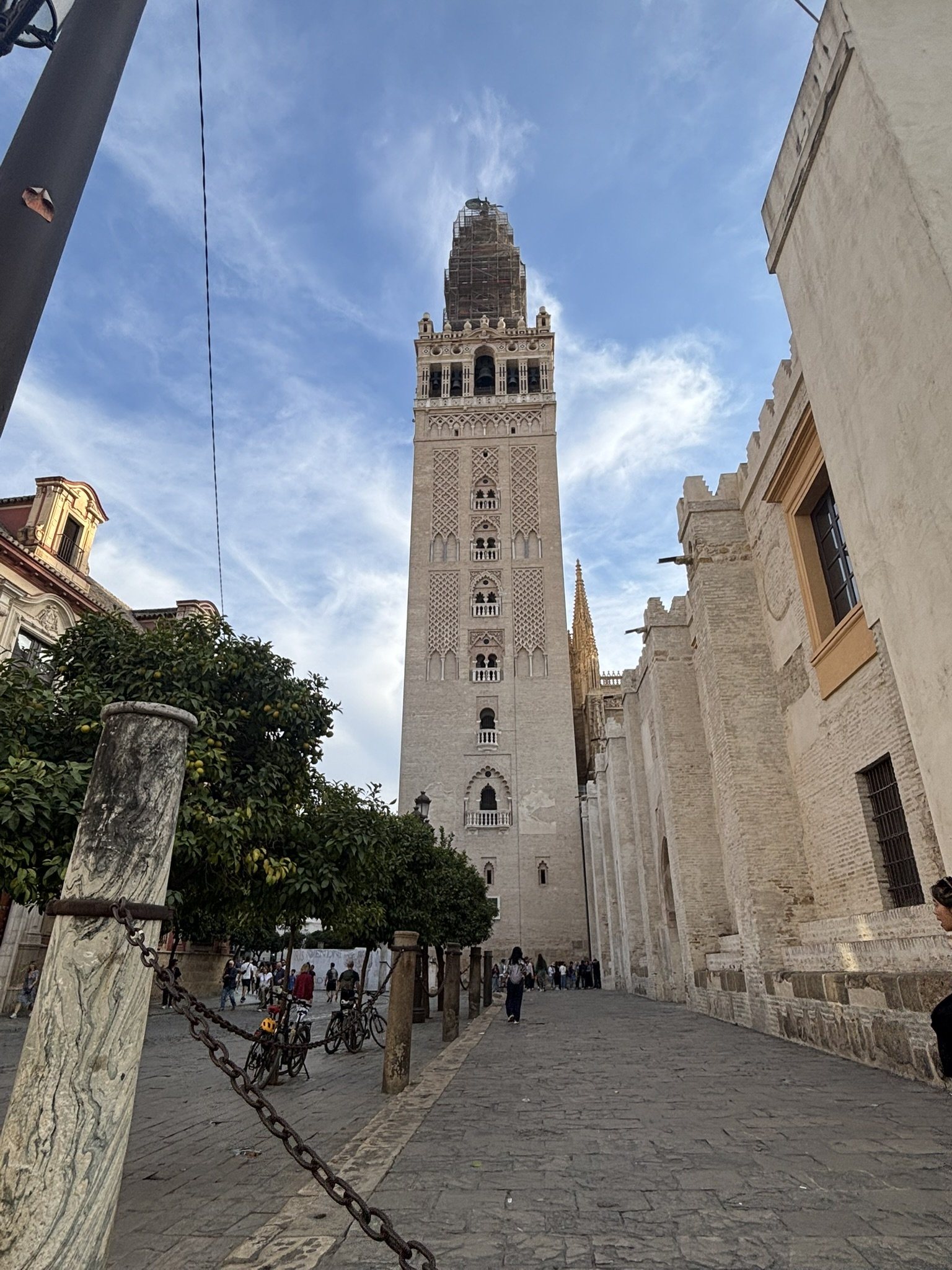
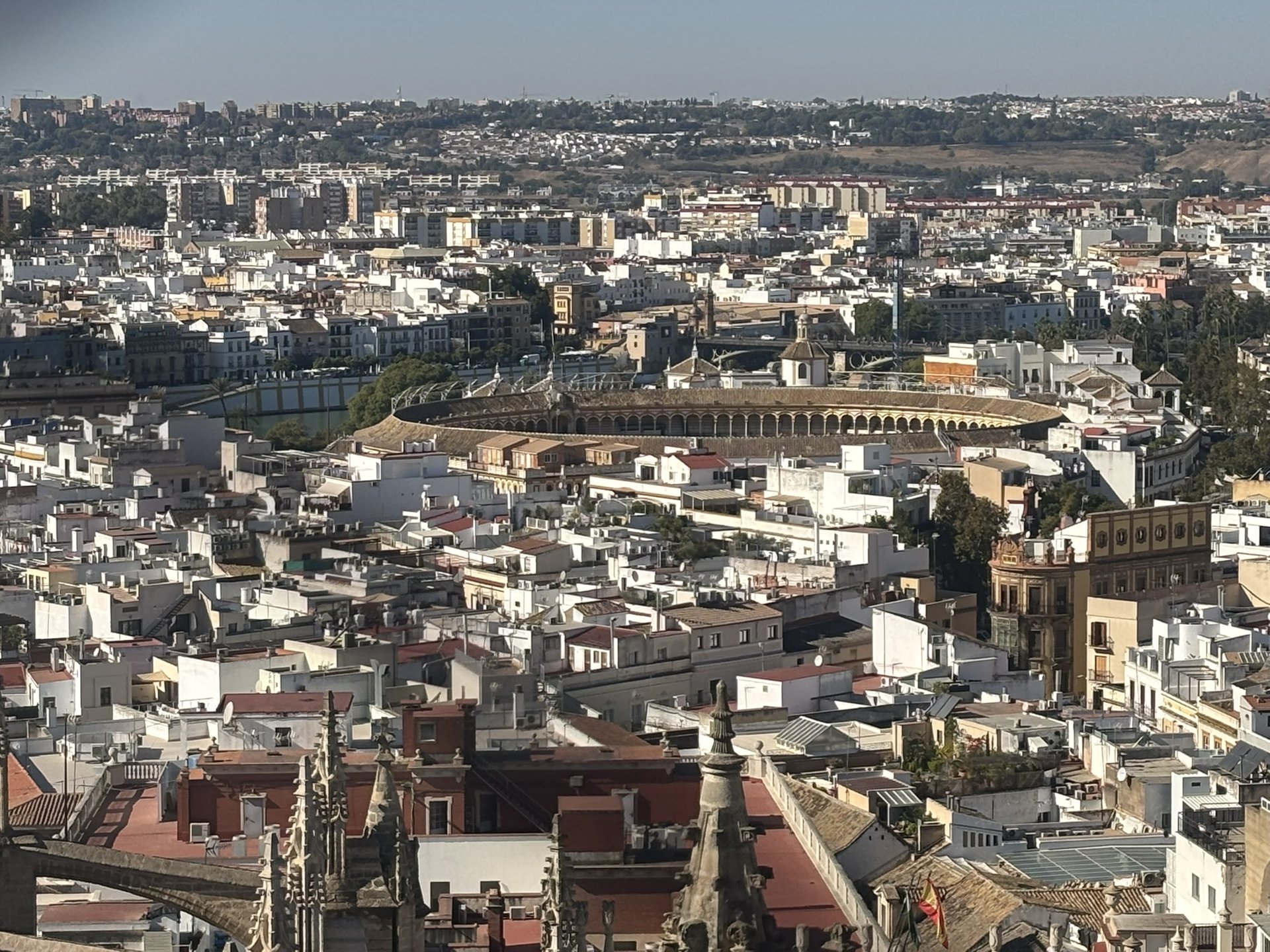
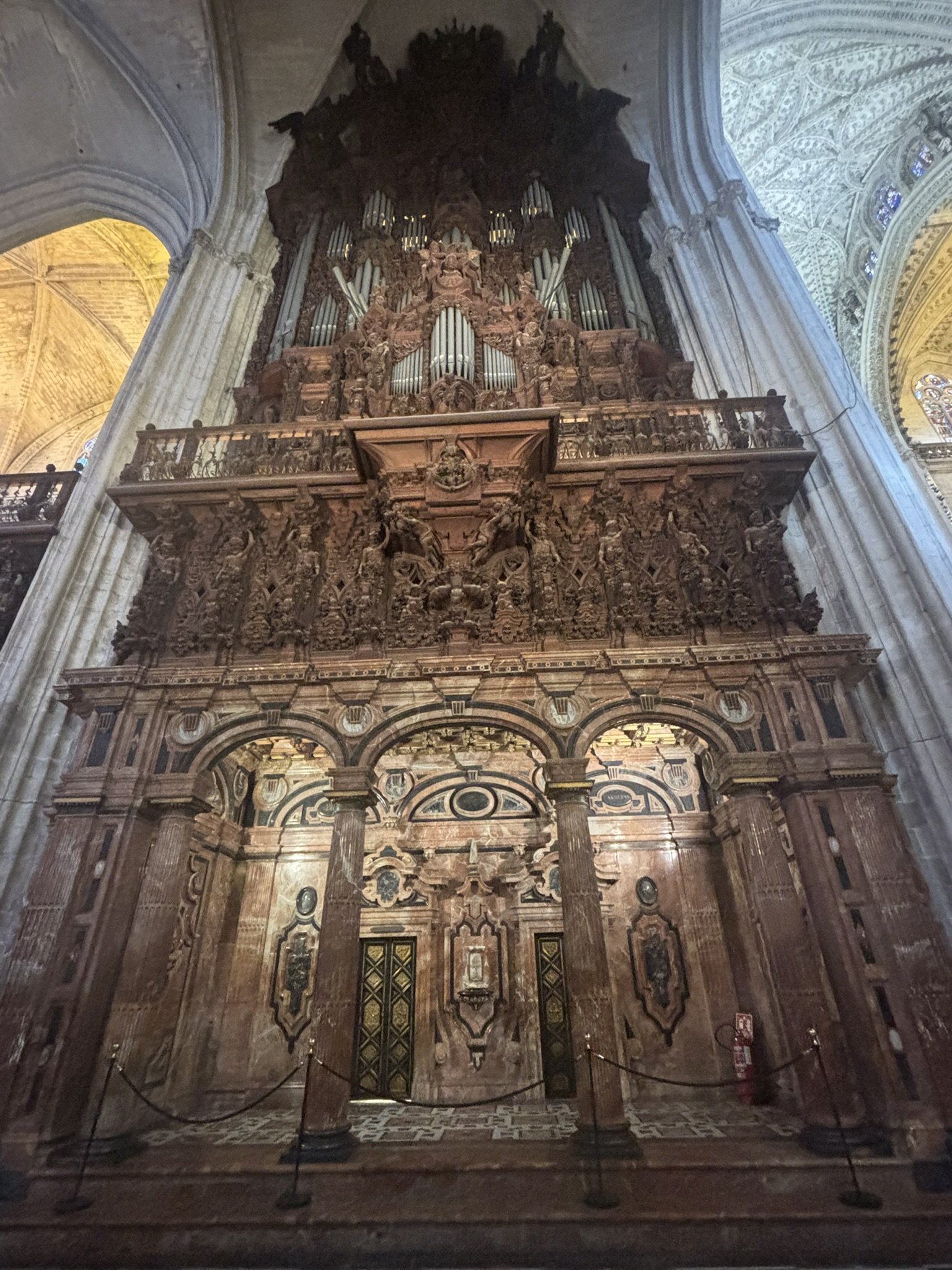
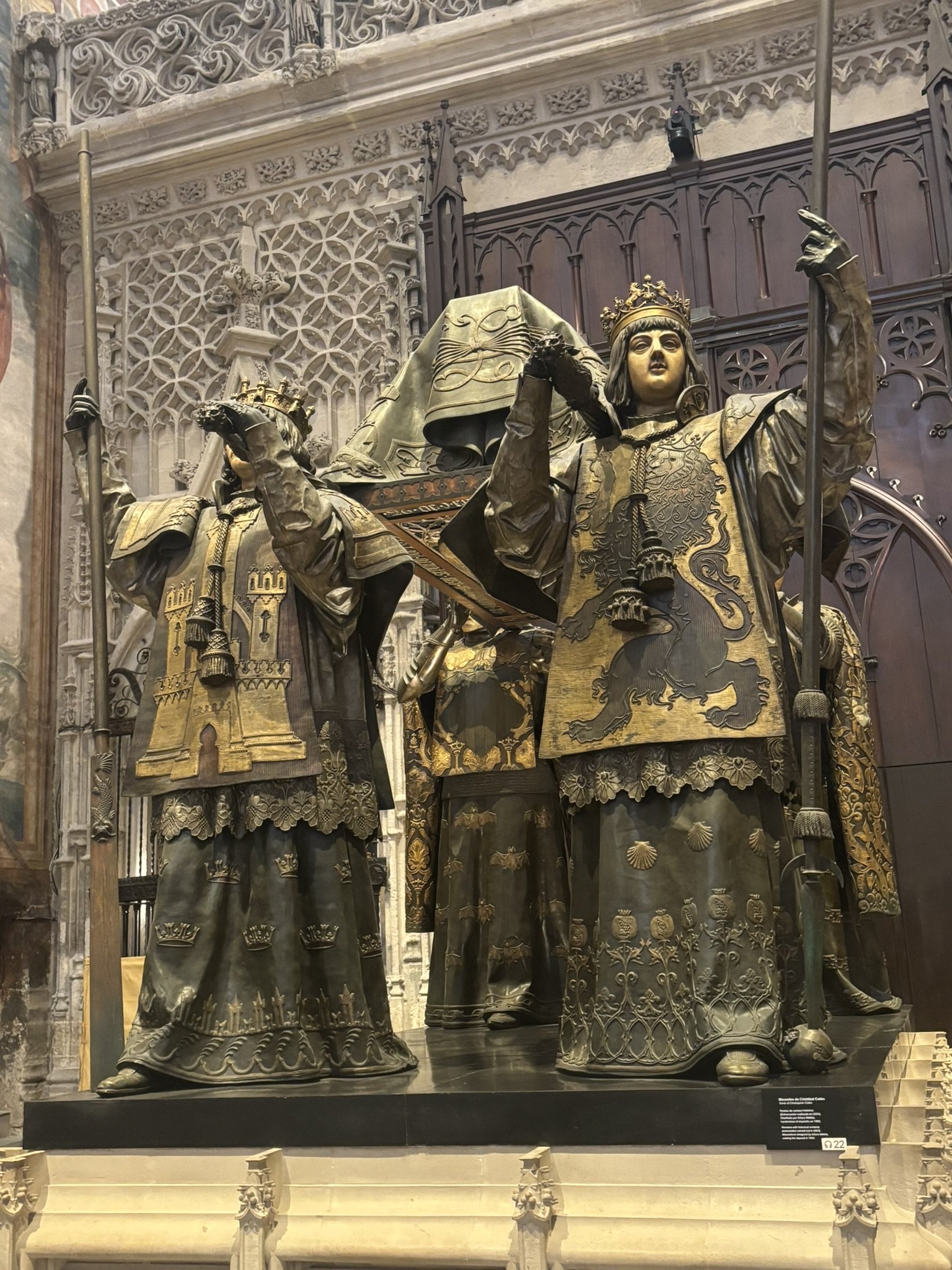
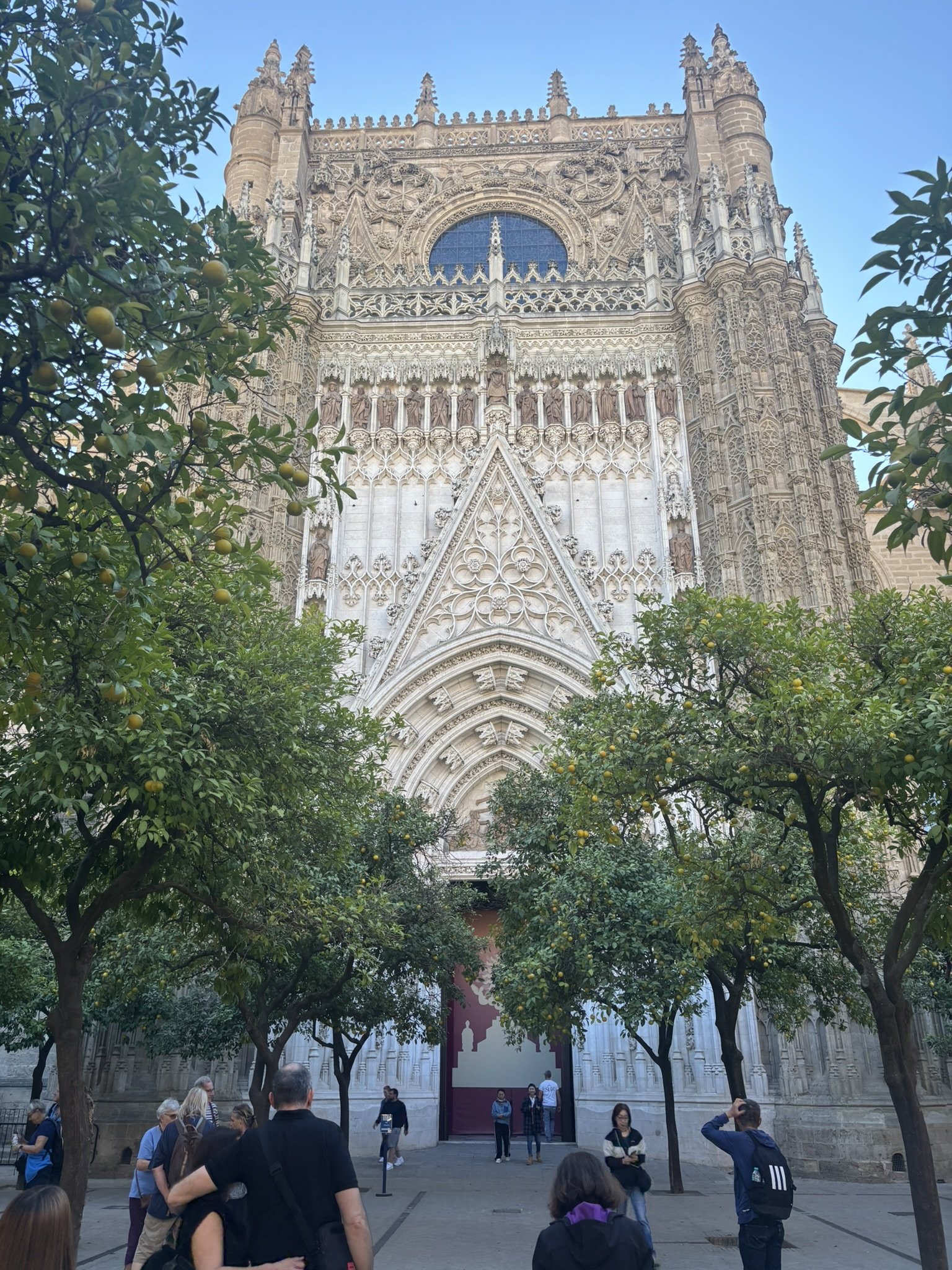
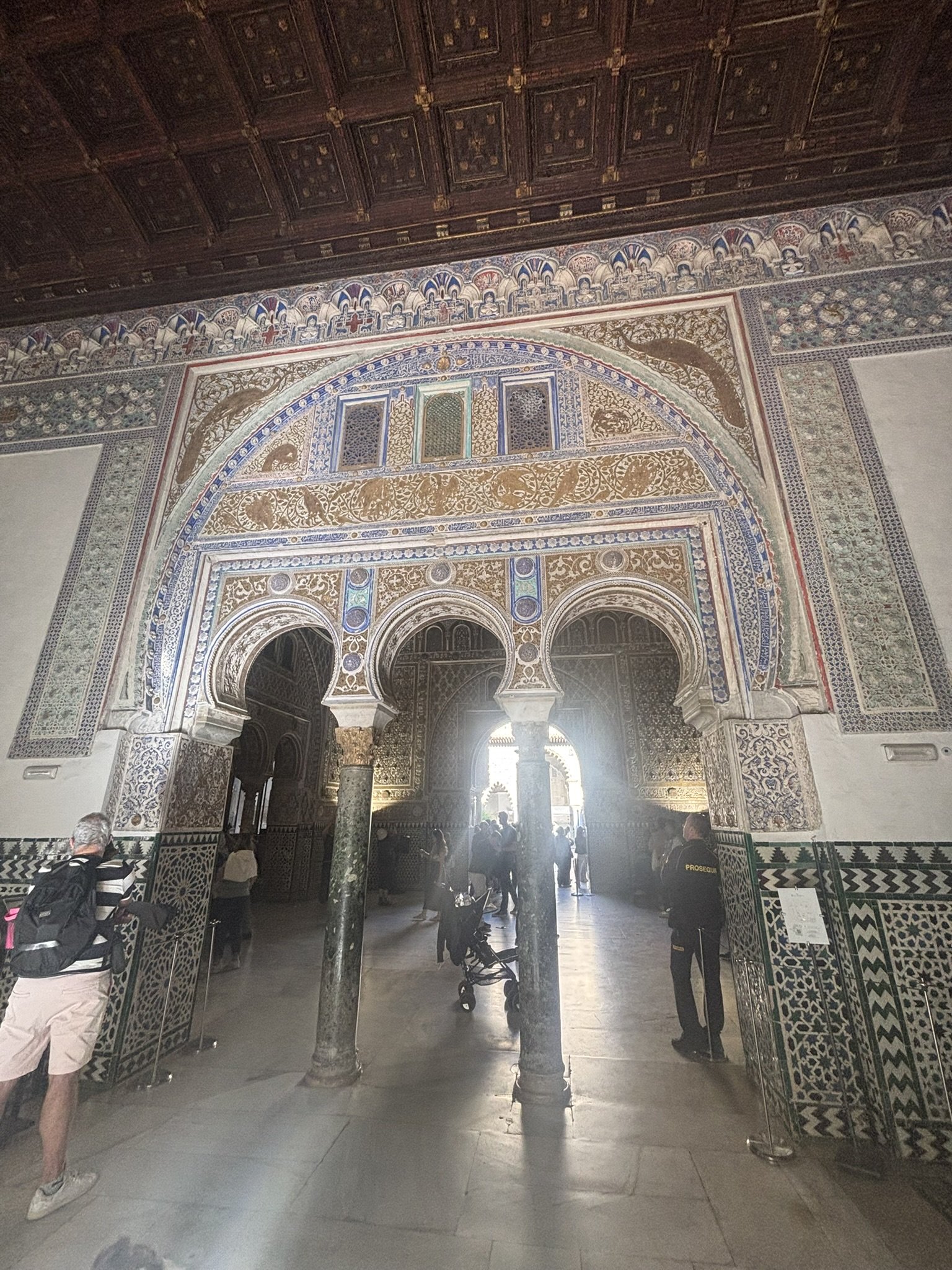
The Real Alcázar first, with its Mudéjar palace, the Patio de las Doncellas, the Hall of Ambassadors and its huge gardens. Then the cathedral, one of the largest Gothic cathedrals in the world, home to the tomb of Christopher Columbus, and the Giralda, the former minaret turned bell tower, which you climb by a long ramp rather than stairs. The Alcázar, the cathedral and the Archivo de Indias are inscribed together on the UNESCO World Heritage List.
The day ends in the Santa Cruz neighbourhood, the old Jewish quarter, with its white lanes, the Callejón del Agua, the Plaza de Santa Cruz and the Murillo Gardens.
Plaza de España and a flamenco evening
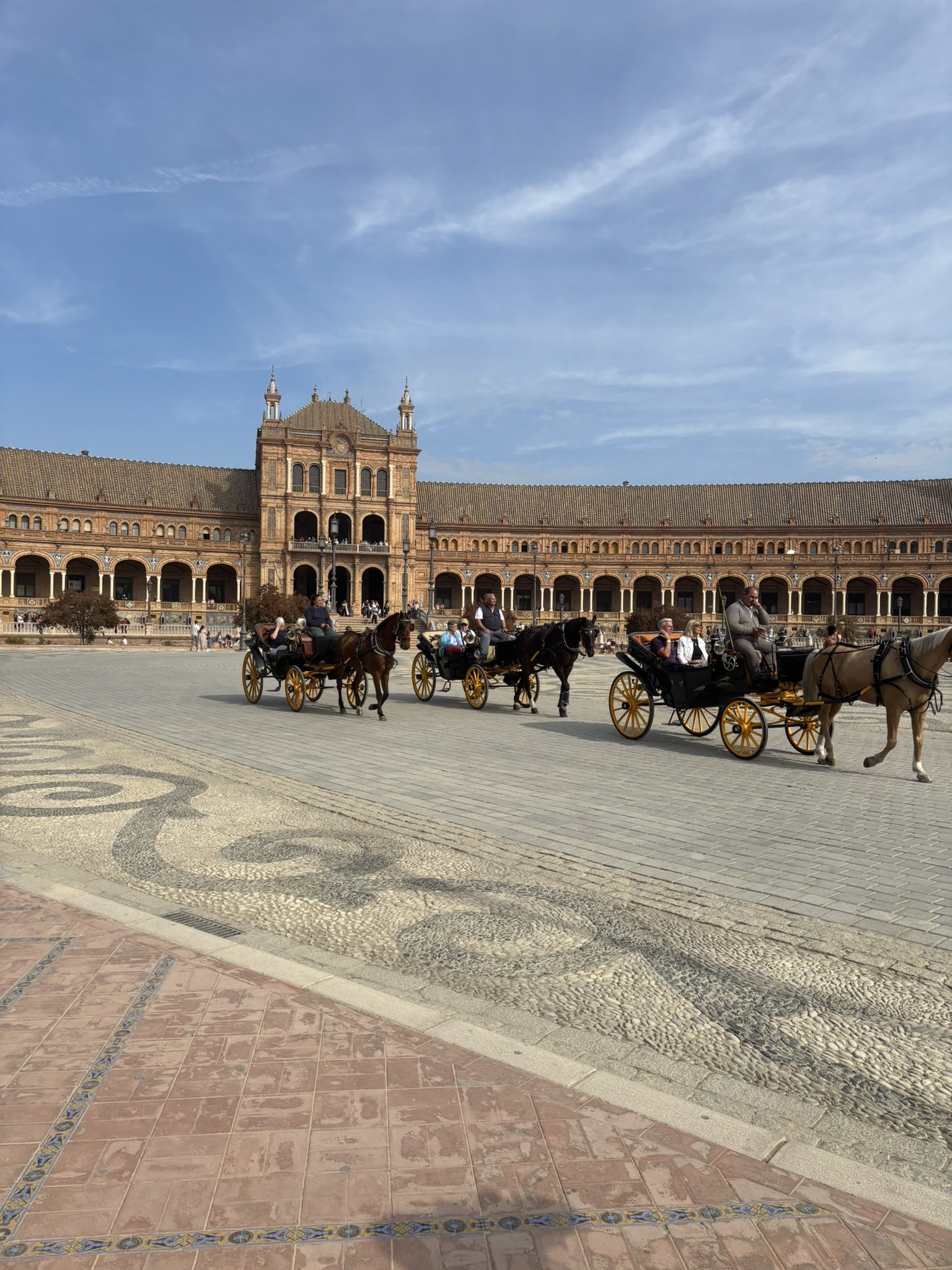
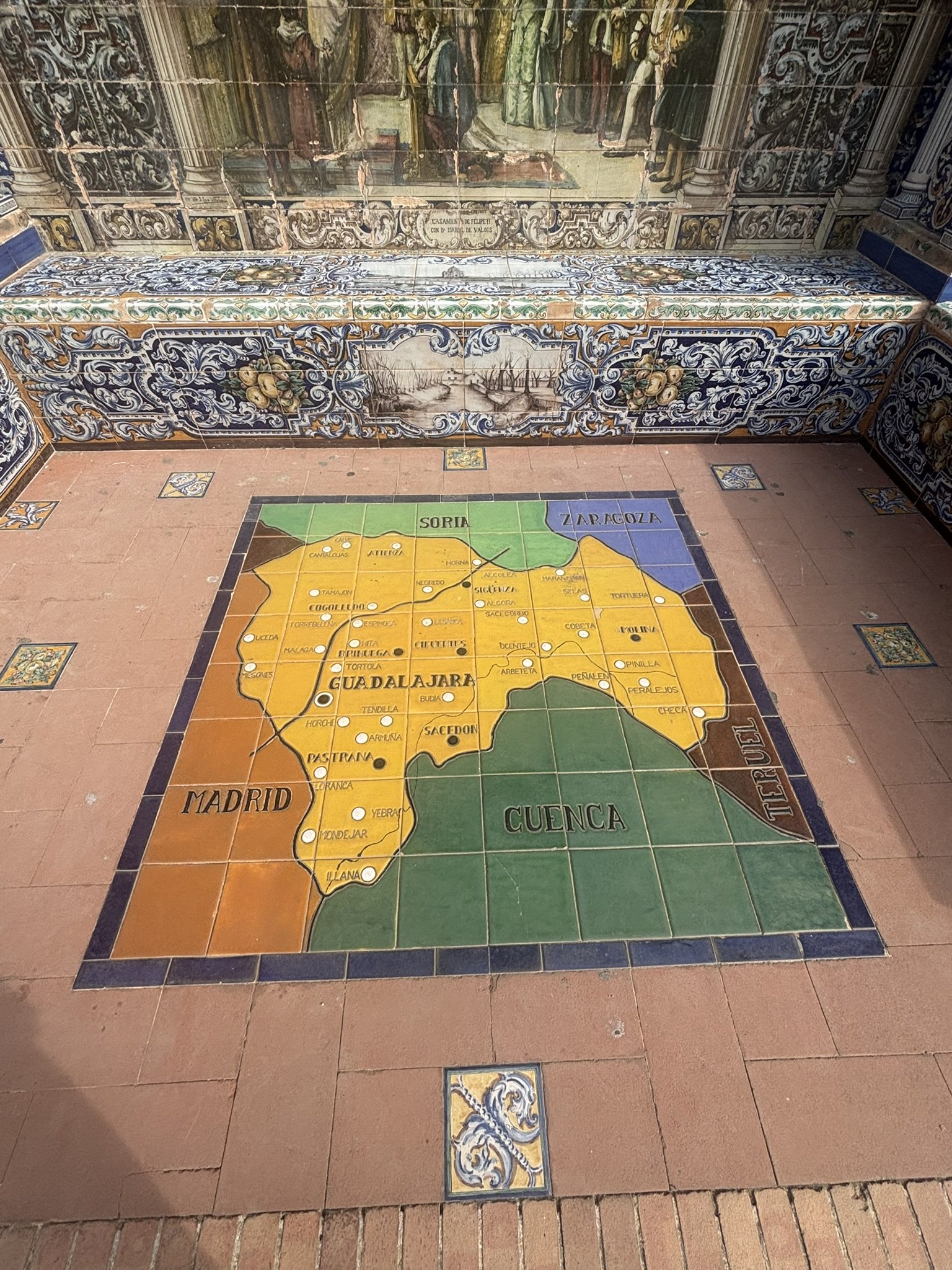
A day that starts early at the Plaza de España, built for the 1929 Ibero-American Exposition, with its canal and its ceramic benches representing the Spanish provinces. It is worth arriving before the busiest time. We continued into María Luisa Park, its gardens, fountains and the Plaza de América, then to the centre: Avenida de la Constitución, Plaza Nueva, the city hall and the Plaza del Salvador.
In the evening, time for flamenco, at La Madriguera de Mai, a small family-run tapas bar where we watched a delightful show by amateurs. A memorable evening, told in our article on the restaurant.
Triana and Las Setas
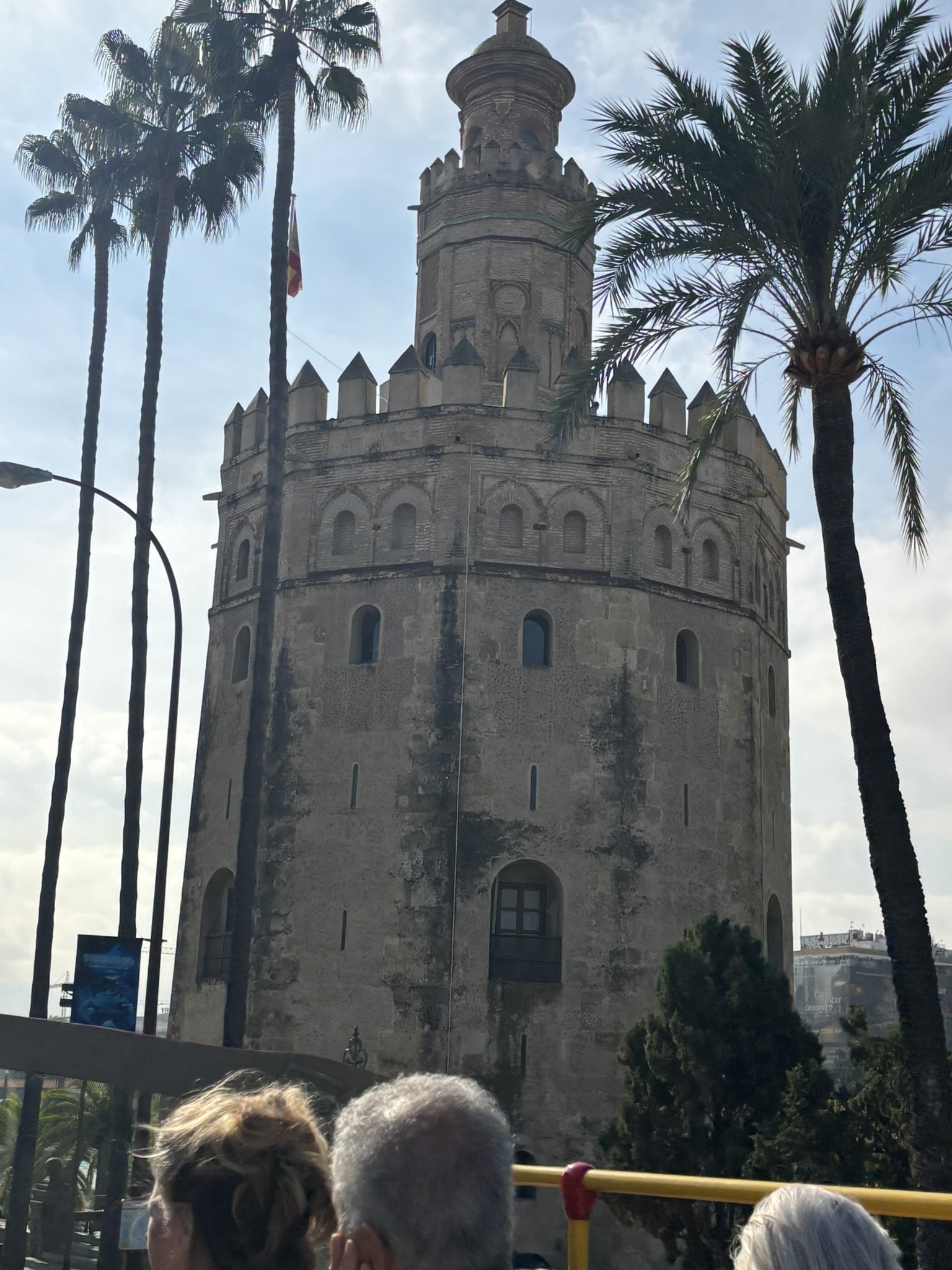
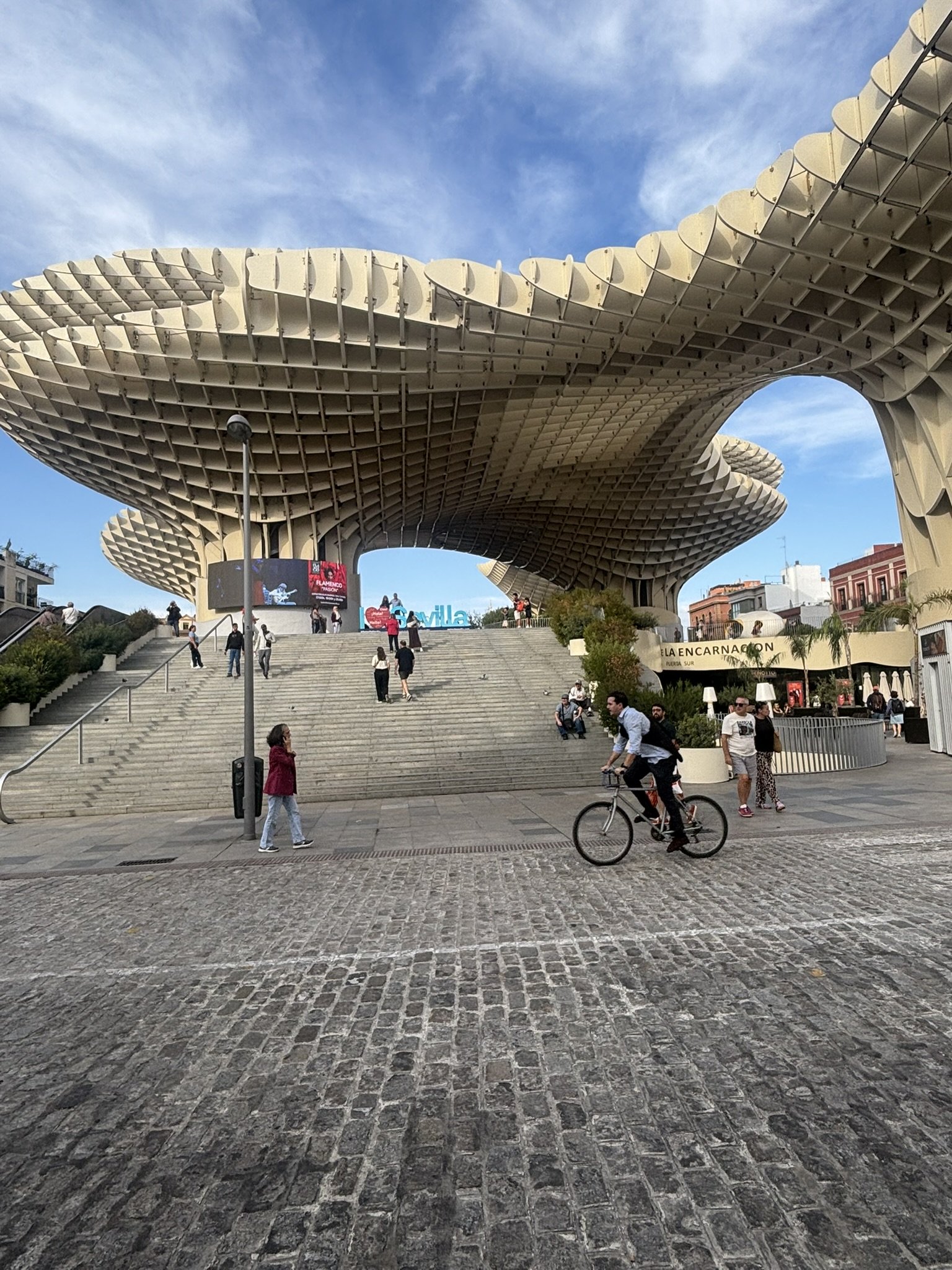
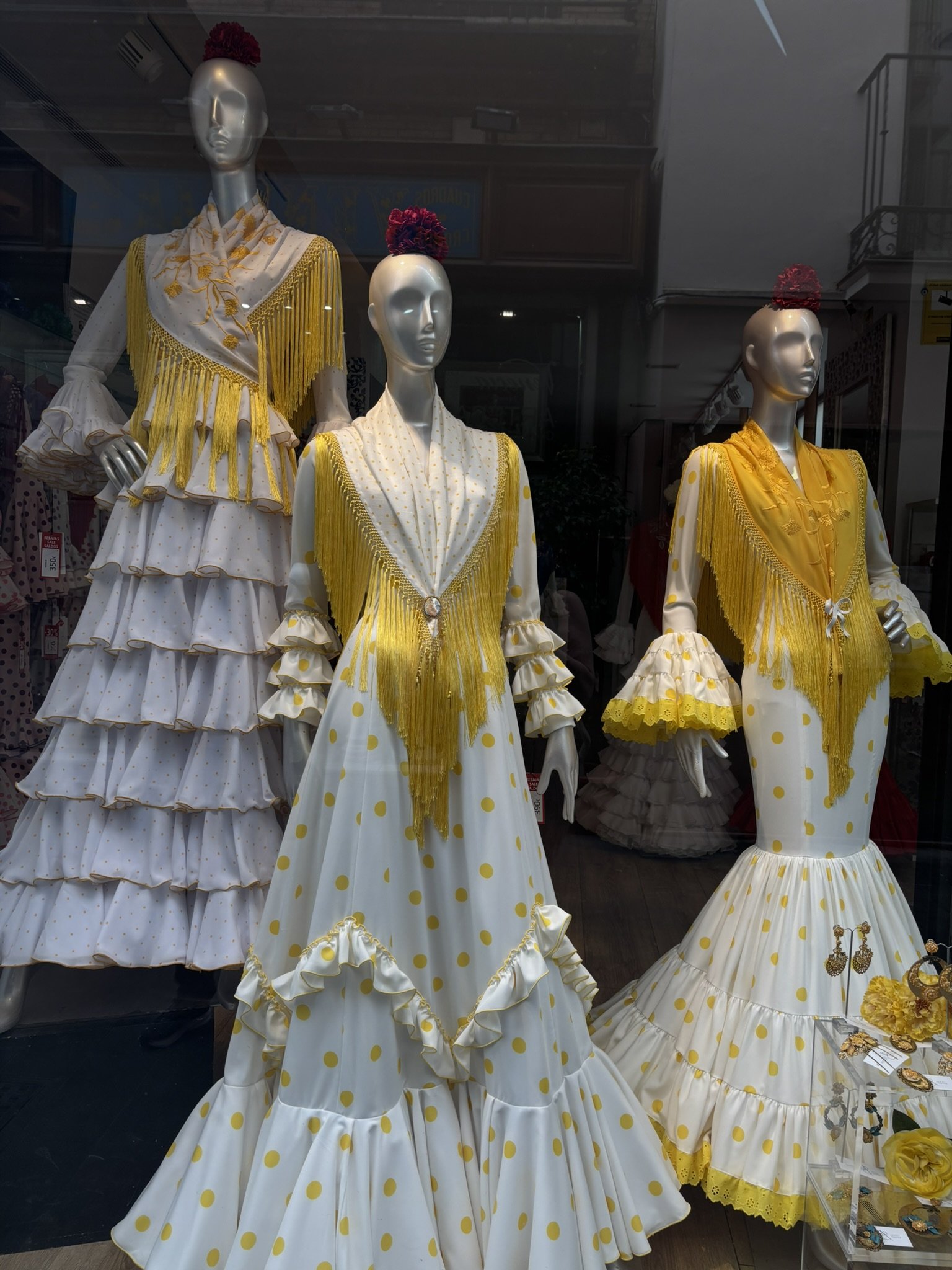
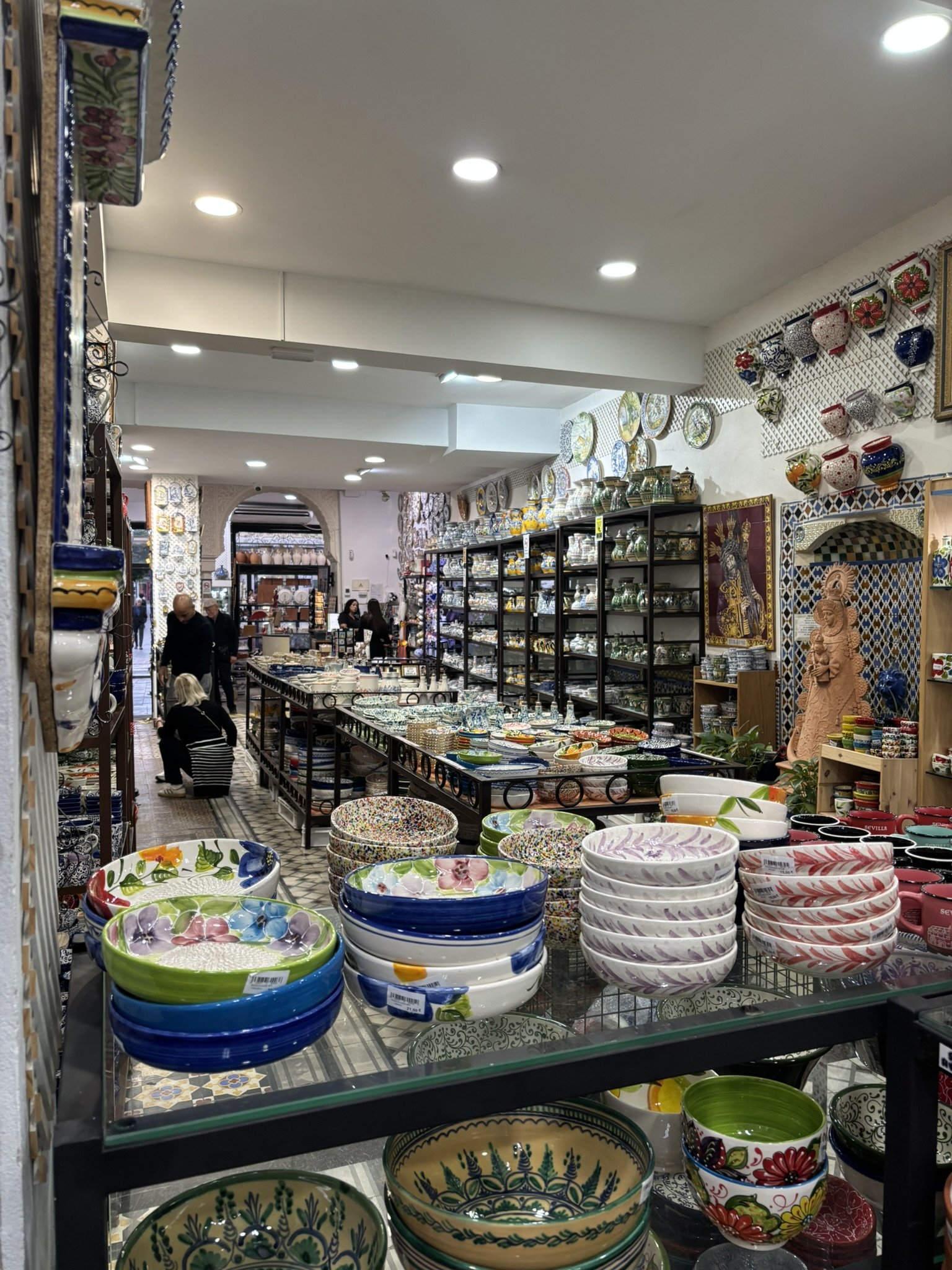
On the last day, we crossed the Guadalquivir by the Isabel II Bridge to reach Triana, the potters' quarter and the cradle of flamenco: the Triana market, calle San Jacinto, calle Betis and its ceramics shops. A walk along the river then leads to the Torre del Oro. In the afternoon, the Casa de Pilatos, an Andalusian palace blending Mudéjar and Renaissance styles, then, at the end of the day, the Metropol Parasol, nicknamed Las Setas, whose walkways offer a superb view over the city's rooftops.
The Algarve, the WOW part of the trip
Nothing but sunshine from start to finish: the Algarve was the highlight of this trip.
Faro
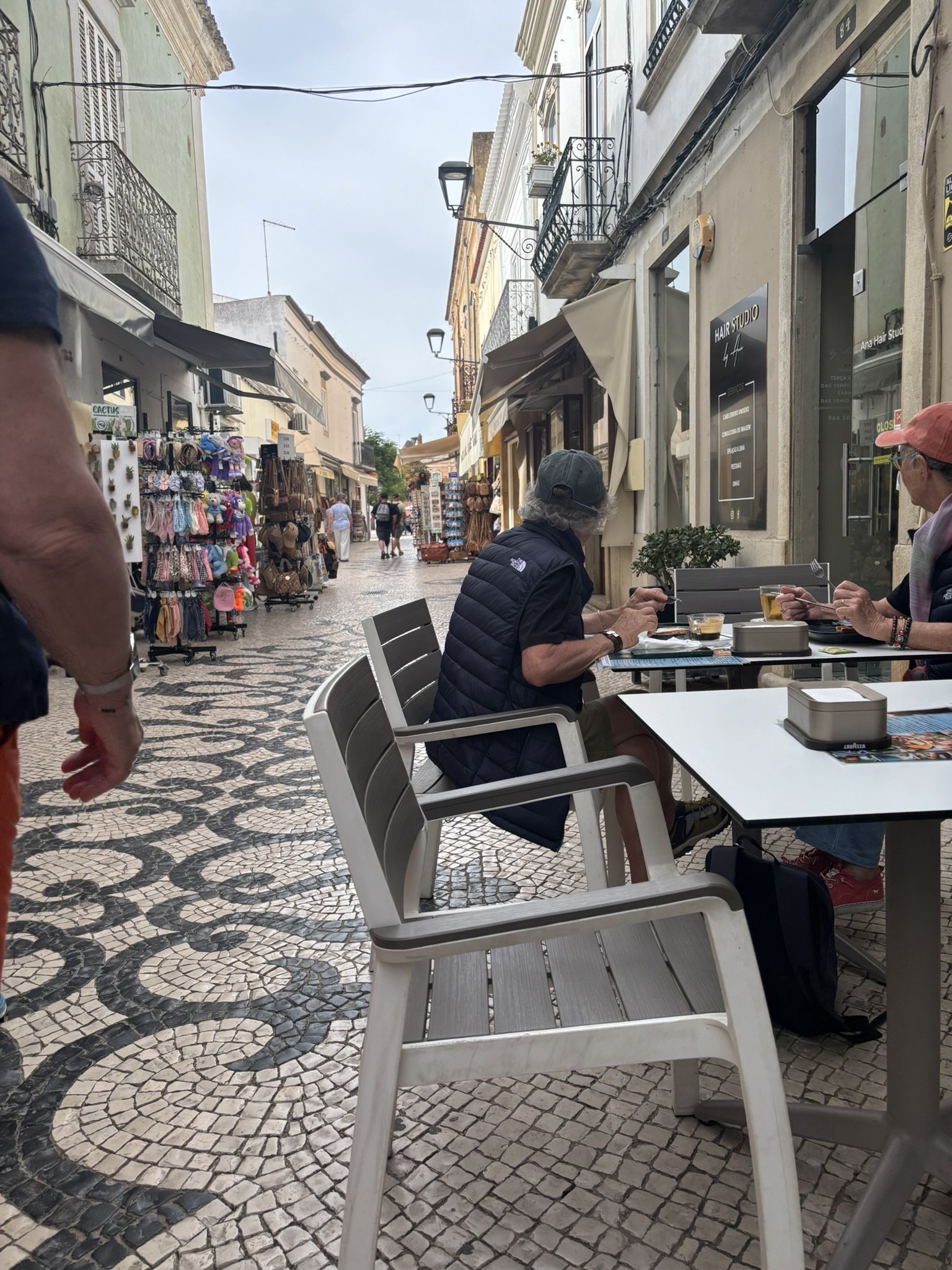
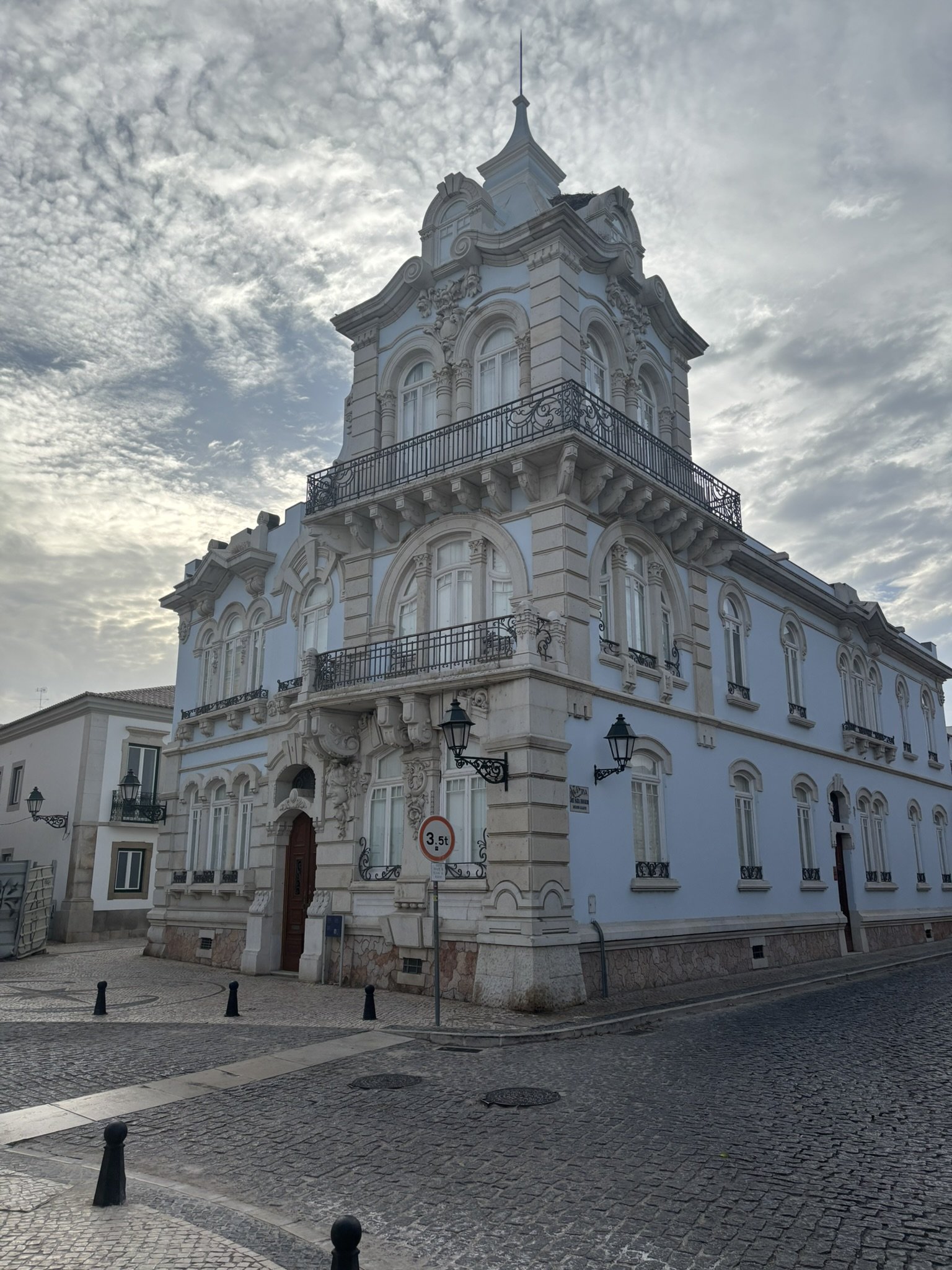
A direct bus connects Seville to Faro in a little under two and a half hours. We stayed in the historic centre, which lets you do everything on foot. The old town opens up as you pass under the Arco da Vila, all the way to the Largo da Sé and the cathedral, among the lanes and walls of the Vila Adentro. On the modern side, the marina, the Manuel Bivar garden and the pedestrian streets, not forgetting the Igreja do Carmo and its Capela dos Ossos, a chapel lined with bones.
The Ria Formosa
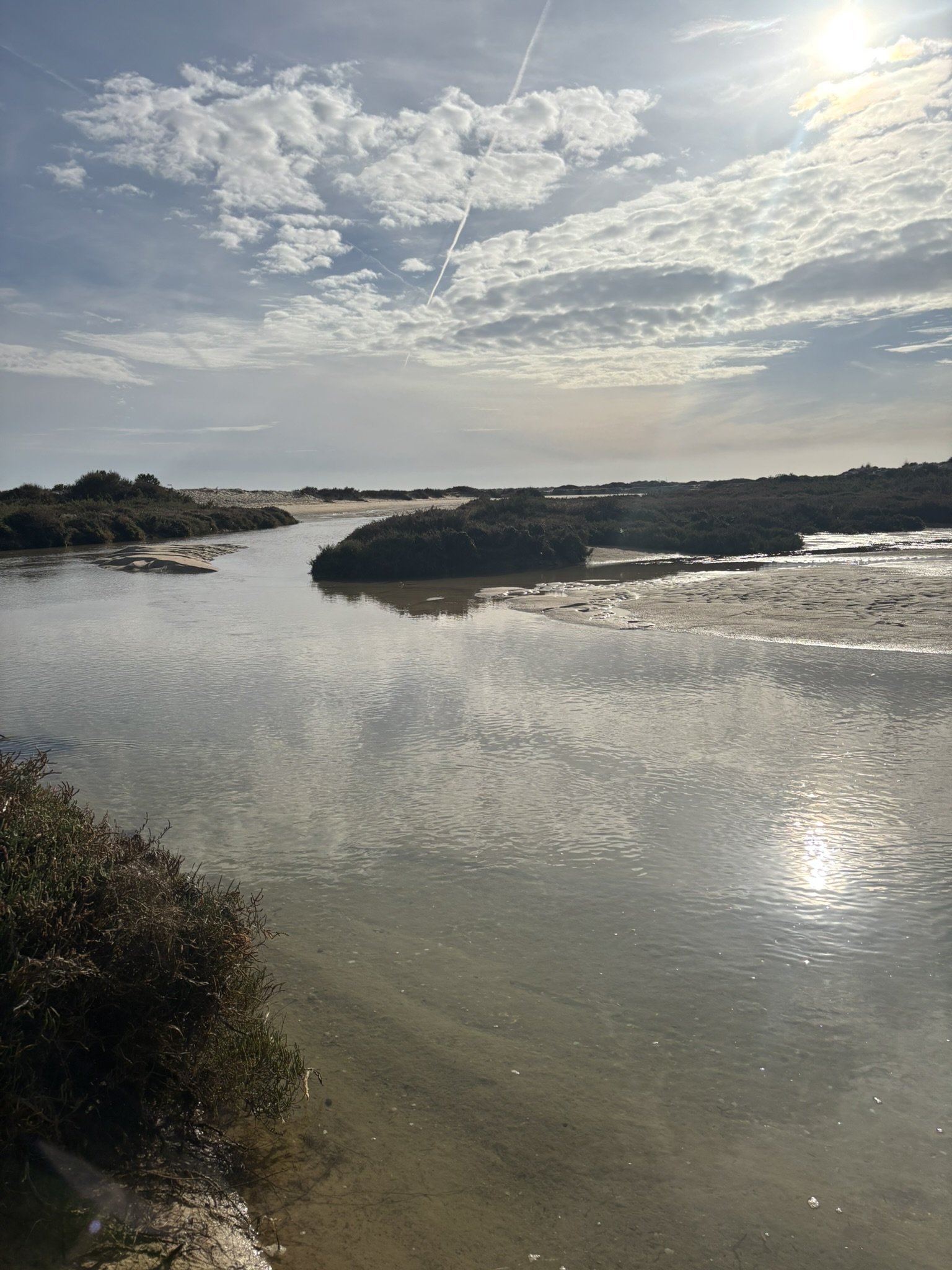
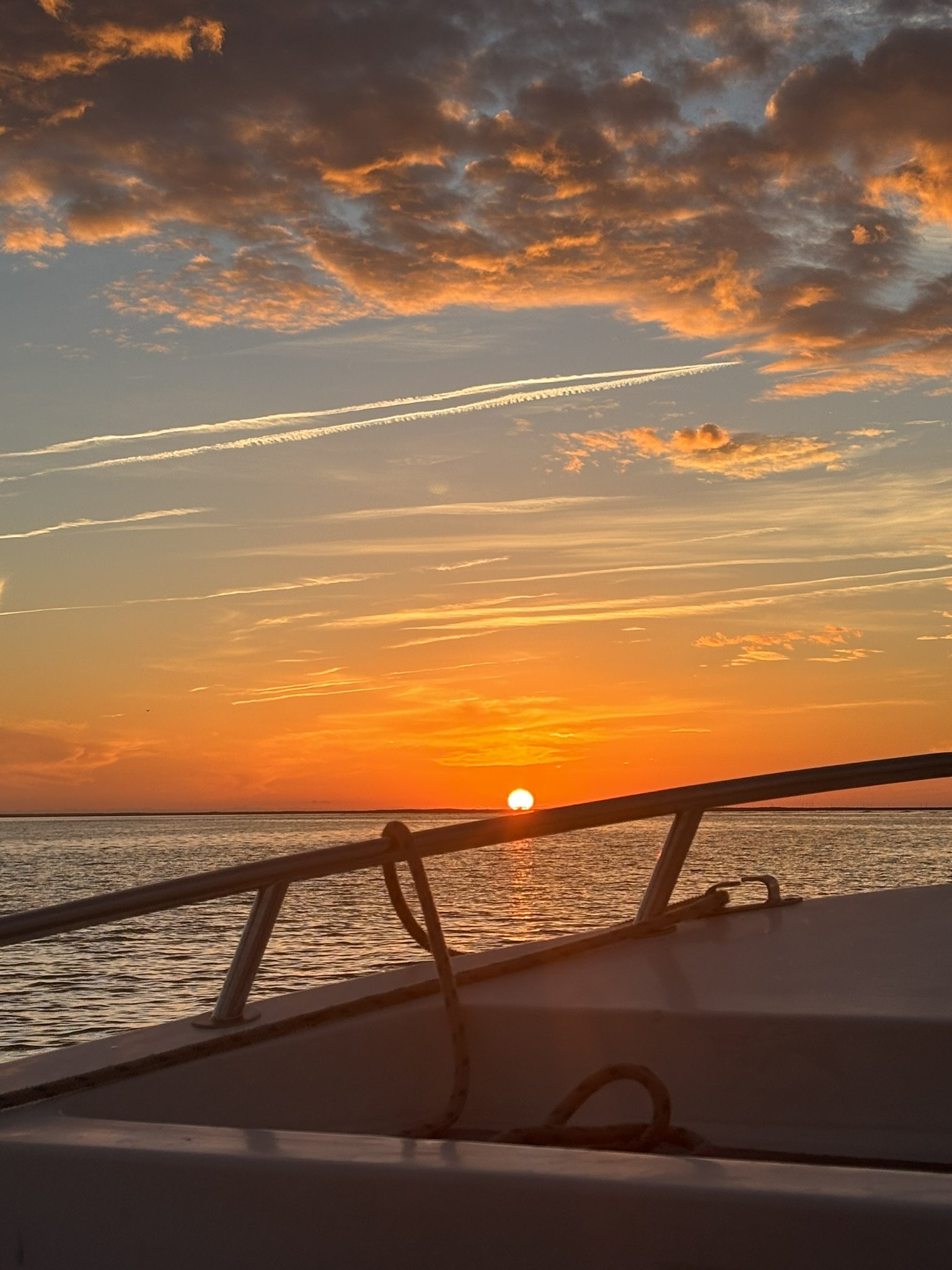
A late-afternoon boat trip on the Ria Formosa lagoon: a must! A protected natural park, with its sandbanks, islands and marshes, home to many birds. Bring a windbreaker, sunglasses, sunscreen and shoes that are easy to take off. The outing ends with a splendid Algarve sunset.
Loulé
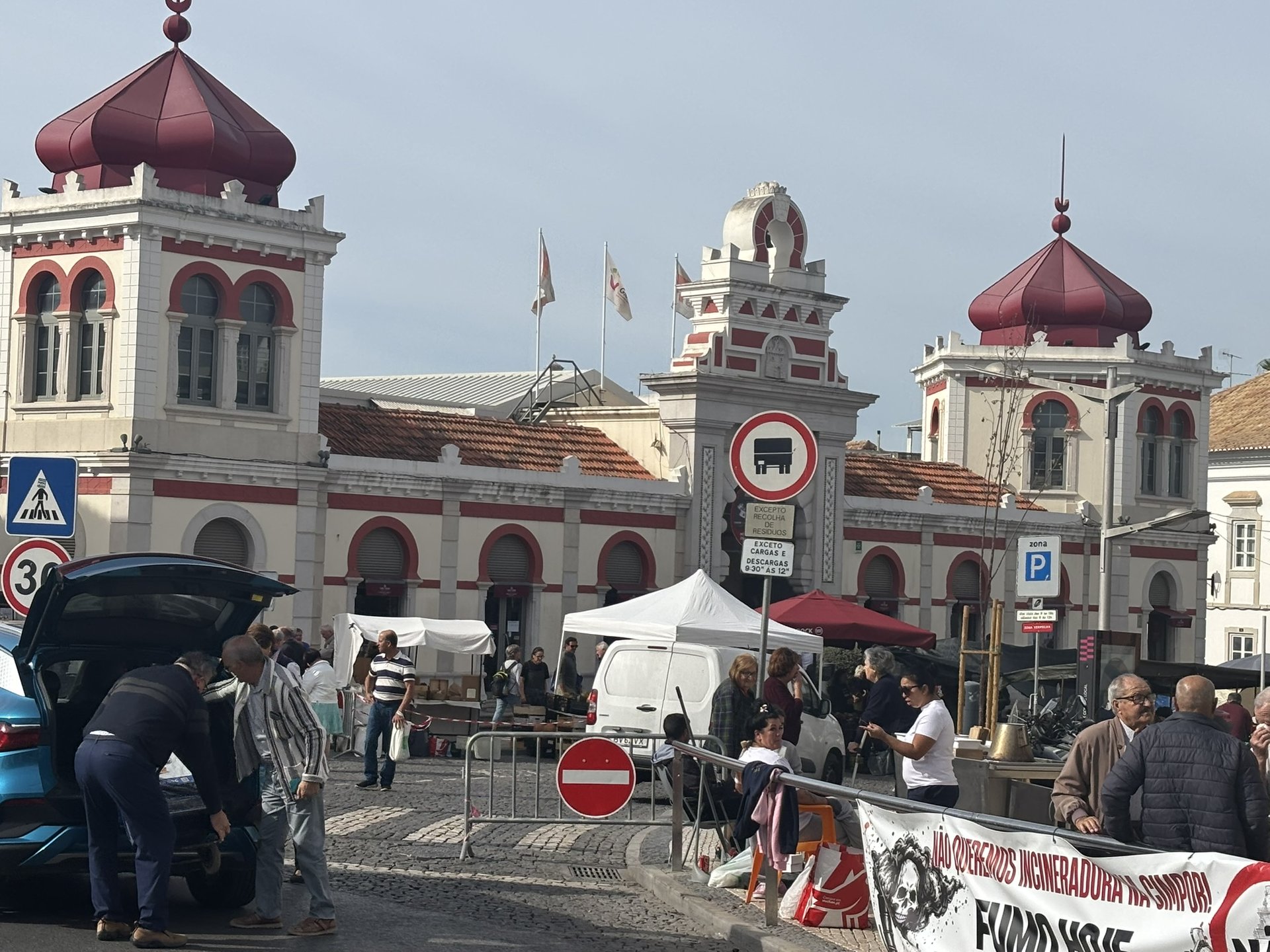
On Saturday, November 7, a trip to Loulé, about twenty minutes from Faro. Its municipal market, set in a handsome neo-Moorish building, is even livelier on Saturdays. The visit is rounded out by the castle and old fortifications, the church of São Clemente and the craft shops of the old centre.
Tavira
About thirty kilometres east of Faro and easily reached by regional train, Tavira is often described as the most elegant town in the Algarve. It spreads along both banks of the Gilão River, with its white houses, wrought-iron balconies and typical pointed roofs, known as "scissor" roofs.
The heart of the town is best explored on foot. You cross the river by the bridge nicknamed "Roman", even though it is actually medieval in origin, then climb to the remains of the castle, turned into a pretty garden, where the view takes in the rooftops, the church domes, the river and the salt pans all the way to the sea. Right next door, the church of Santa Maria do Castelo, from the 13th century, is said to have been built on the site of the former mosque. Tavira also has a surprising number of churches and chapels for a town its size.
To extend the visit, boats run to Tavira Island and its long sandy beaches, in the Ria Formosa. On Praia do Barril, a striking "anchor cemetery" pays tribute to the region's former tuna fishermen. And before leaving, you can take home a little fleur de sel, harvested in the nearby salt pans.
Lagos and Ponta da Piedade
On November 9, a regional train of about an hour and three quarters takes you to Lagos, where we stayed at the Blue Moon Guesthouse, on rua 25 de Abril. The old town is best discovered on foot: Praça Gil Eanes, the church of Santo António, the ramparts, the Castelo dos Governadores and the Ponta da Bandeira fort.
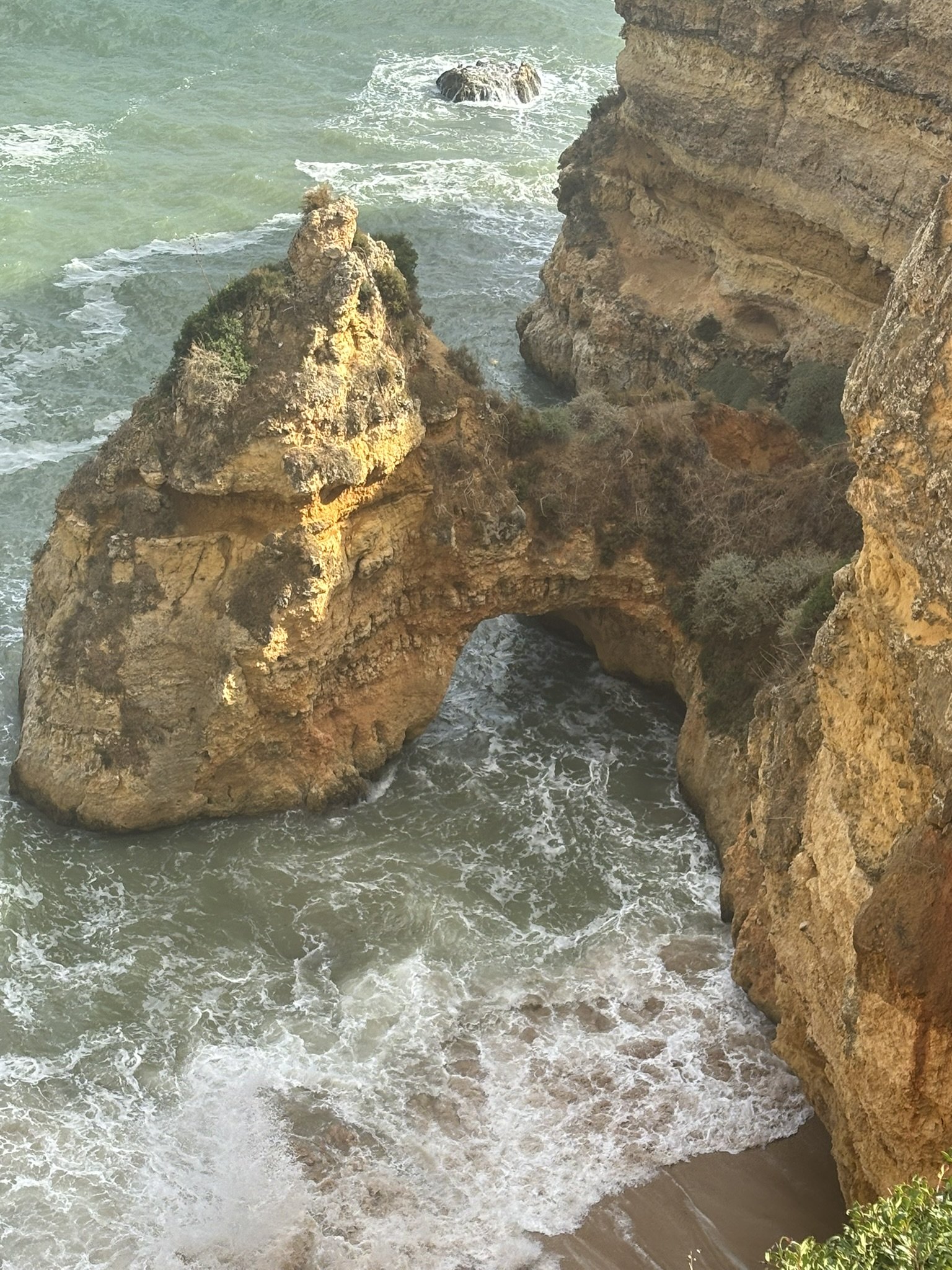
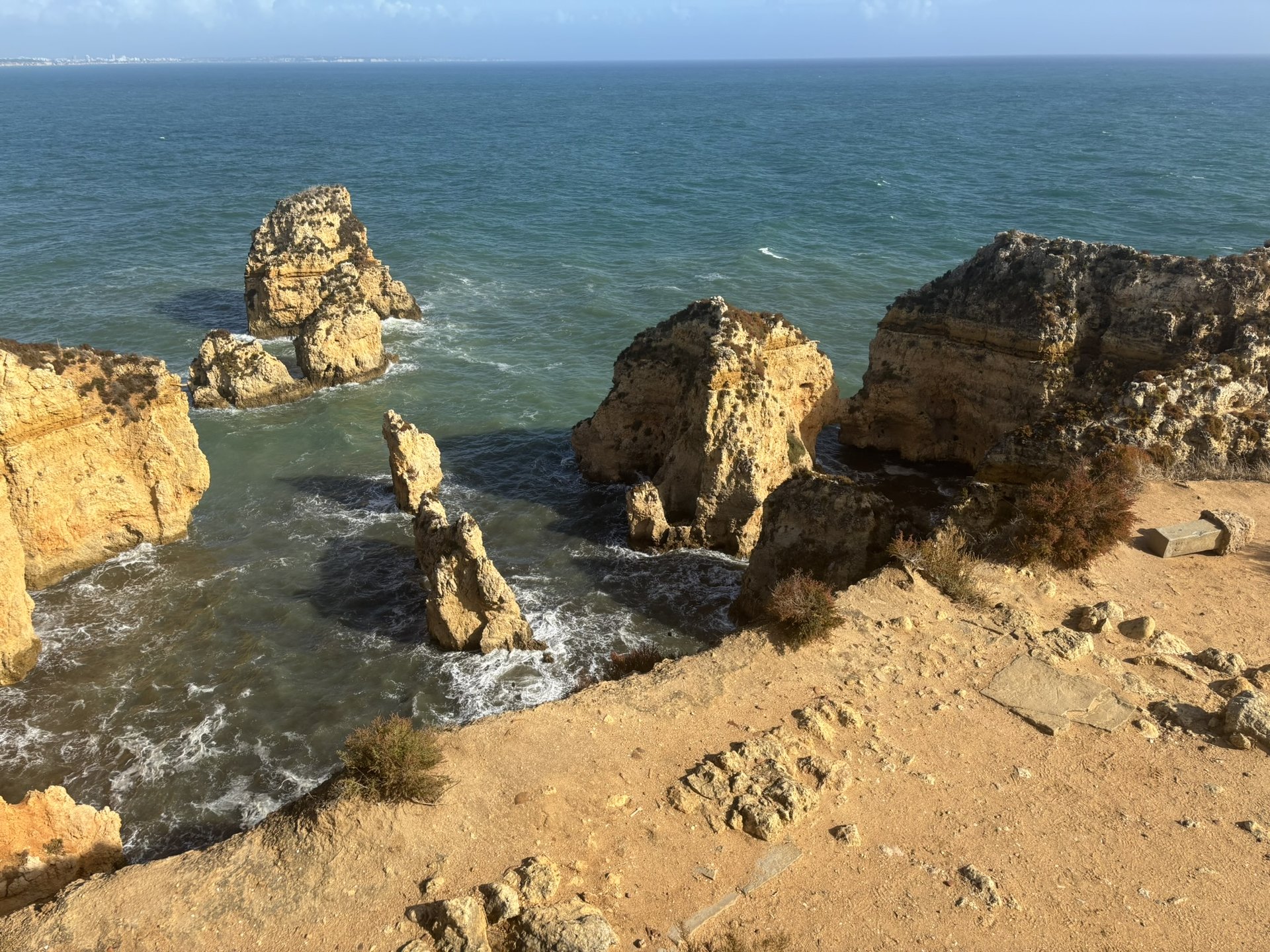
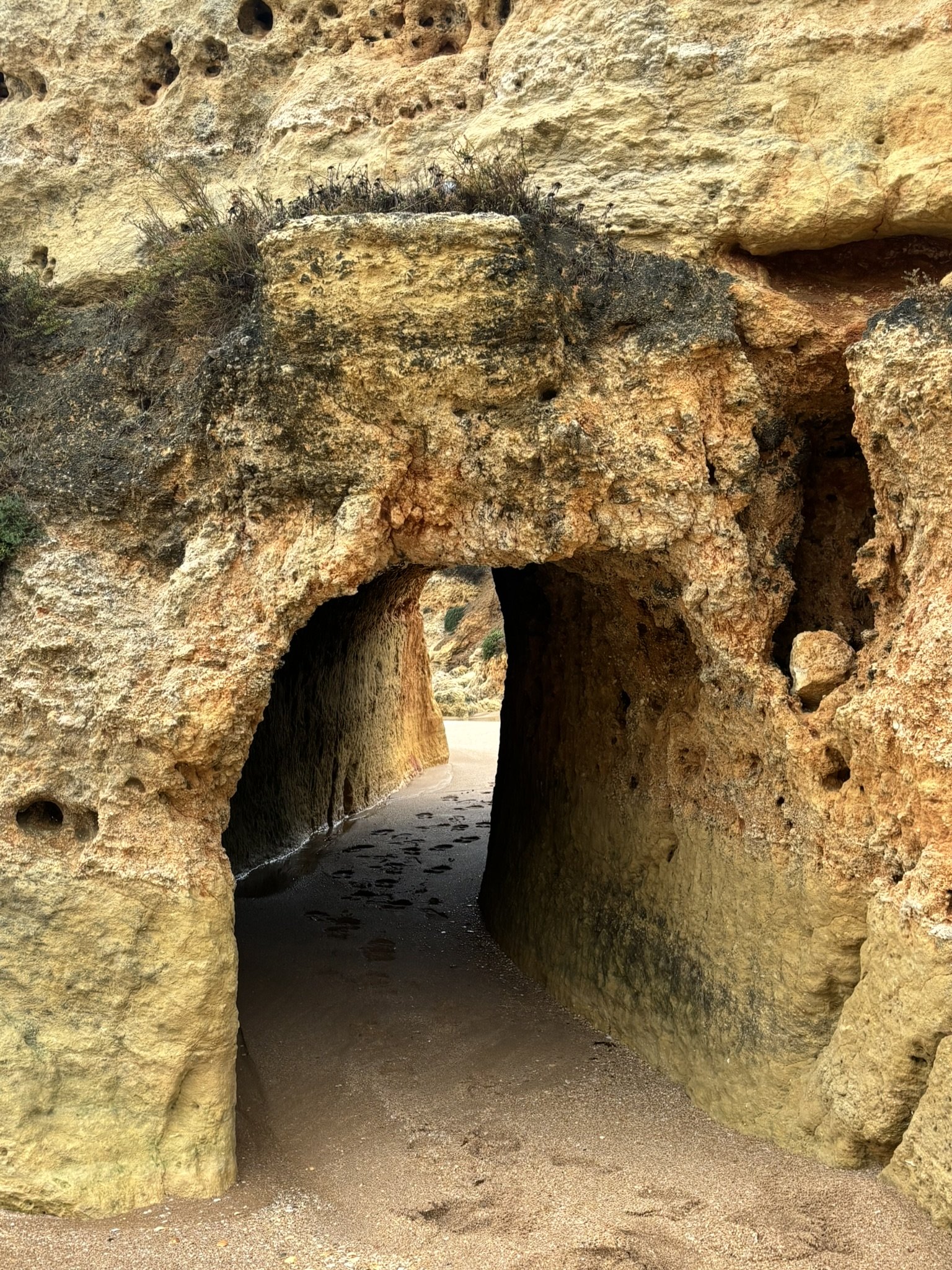
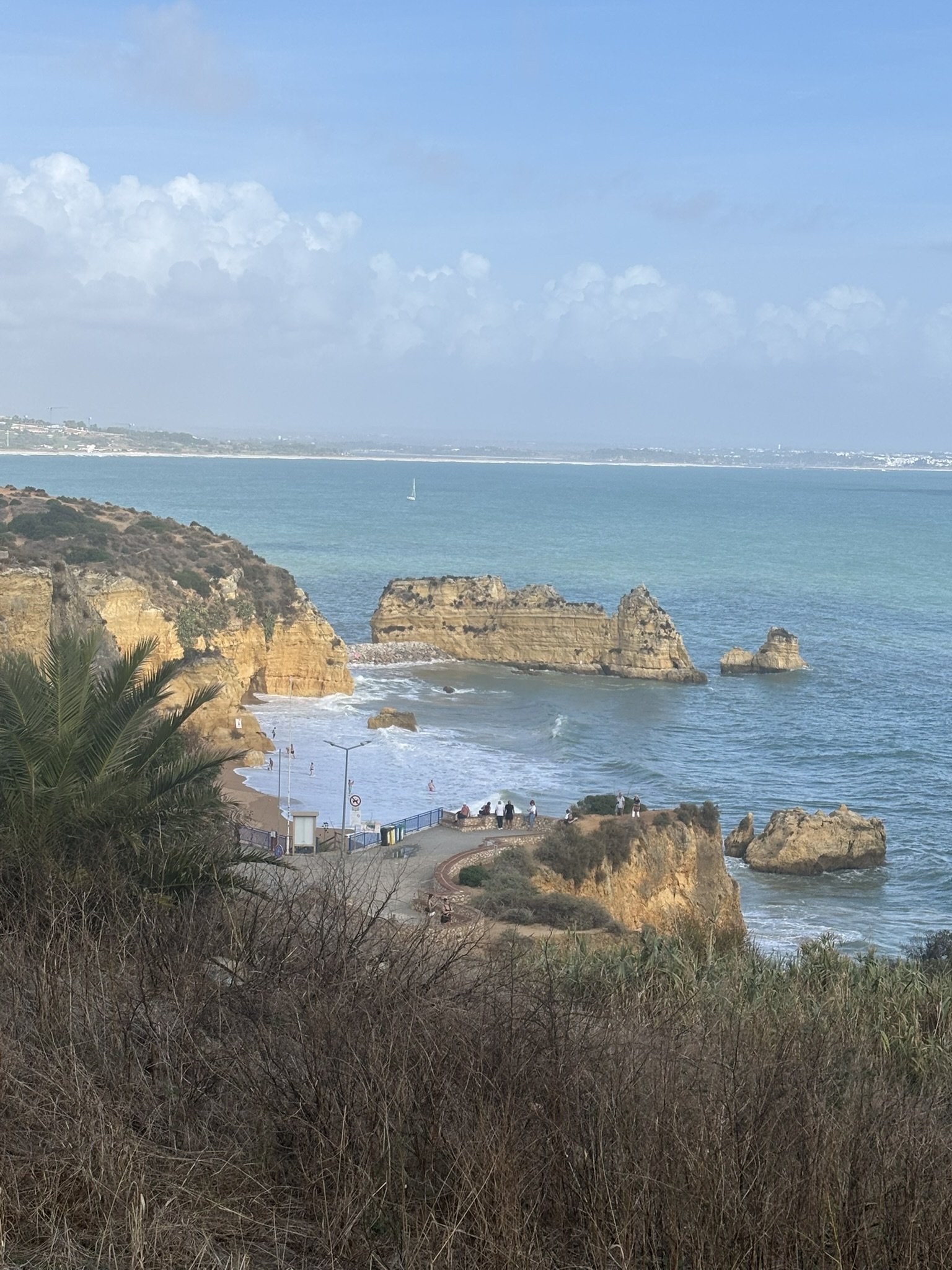
The next day is devoted to Ponta da Piedade, one of the most spectacular landscapes in the Algarve, with its golden cliffs, arches and caves carved by the sea. The coastal walk passes the beaches of Batata, dos Estudantes, do Pinhão, Dona Ana and do Camilo. This walk to Ponta da Piedade is sublime: you go from one "wow" to the next, each viewpoint more beautiful than the last.
Sagres and Cape St. Vincent with Filipe
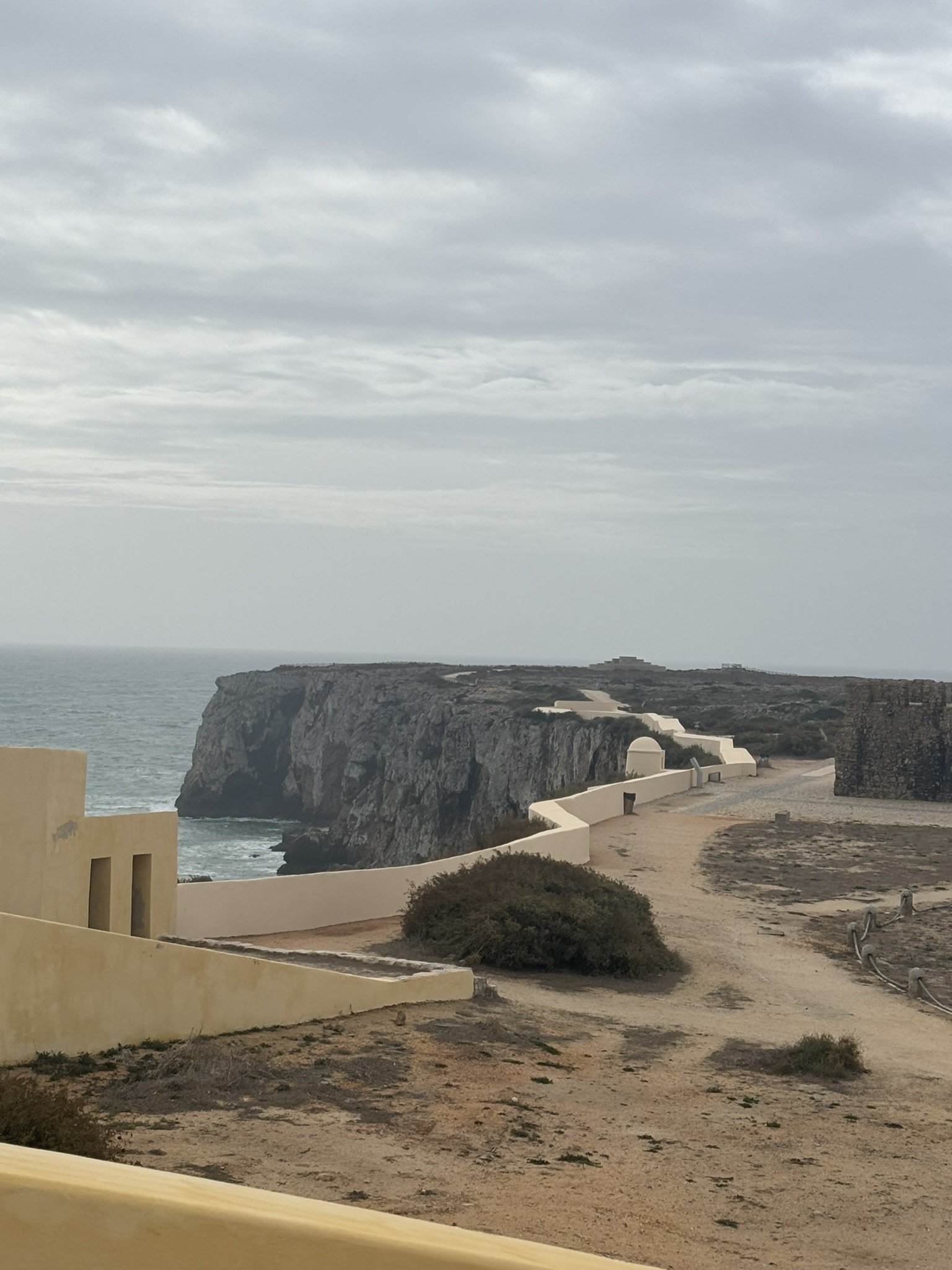
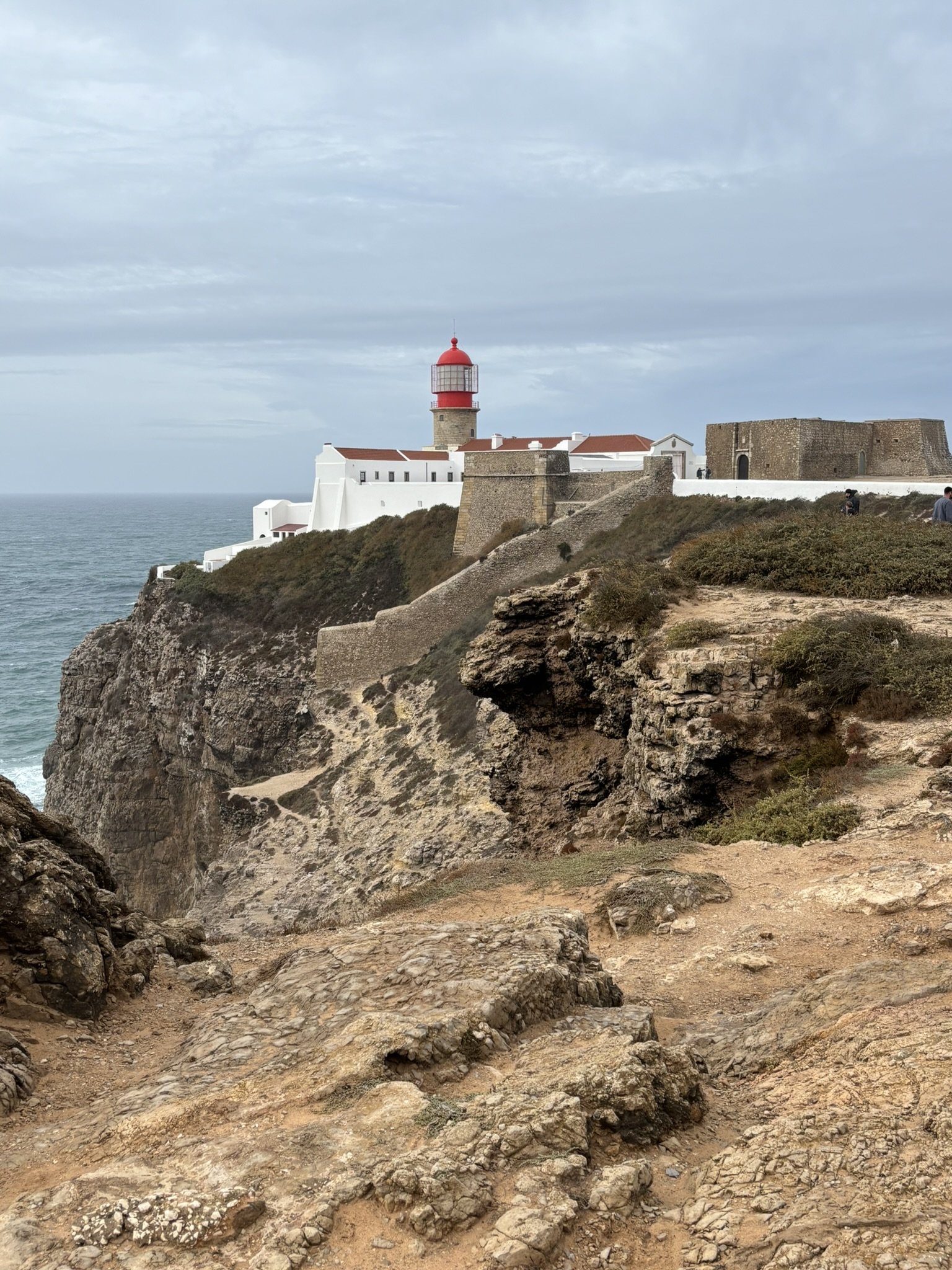
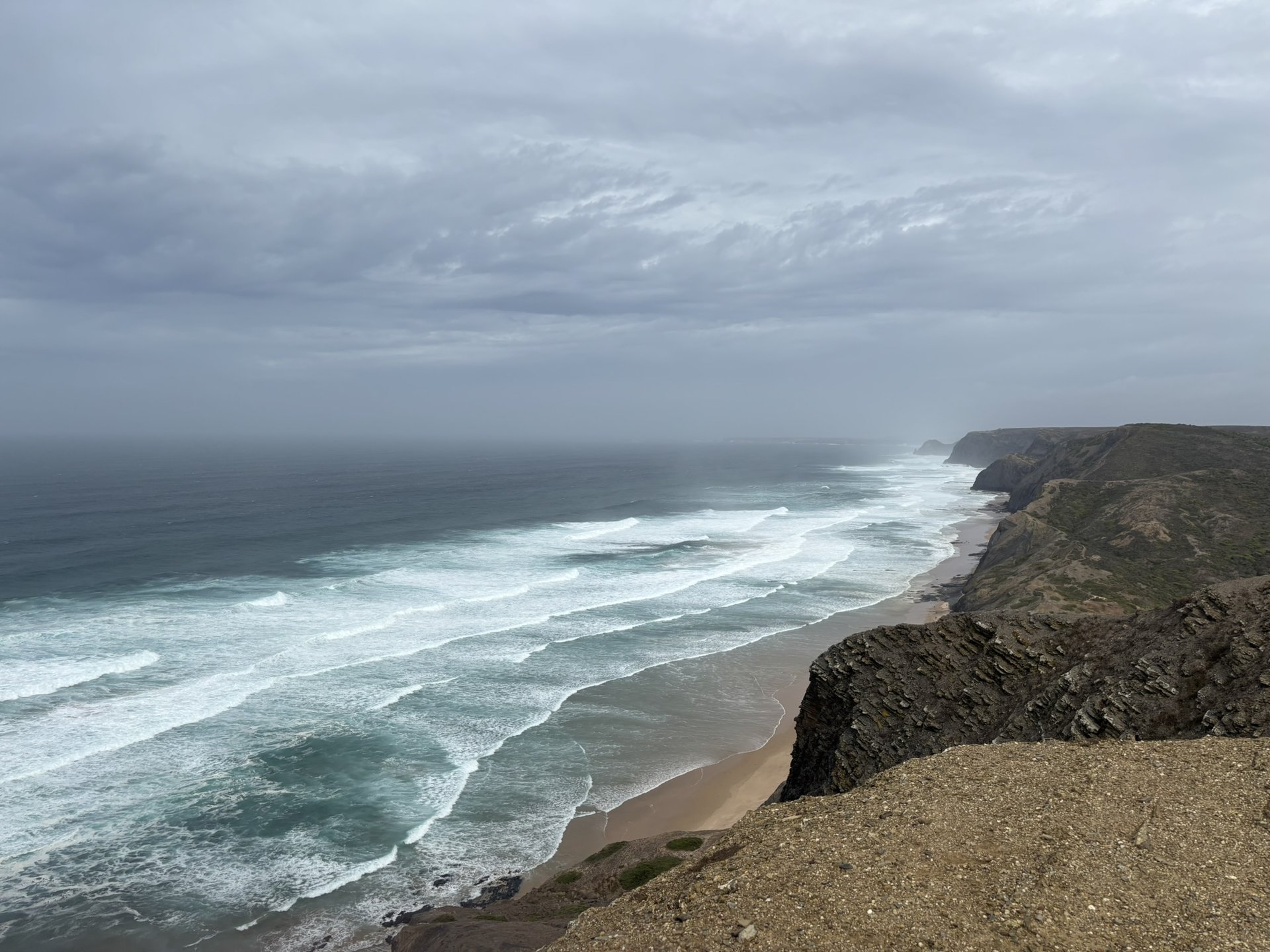
From Lagos, we also took a trip to Sagres and Cape St. Vincent, the southwesternmost point of mainland Europe, where the cliffs plunge into the Atlantic. So interesting! Our guide, Filipe, had a fascinating general and historical knowledge, and he even added an unplanned stop, with a breathtaking view of the coast. A trip we recommend without hesitation.
Back to Lisbon
Baixa, Chiado and a fado evening
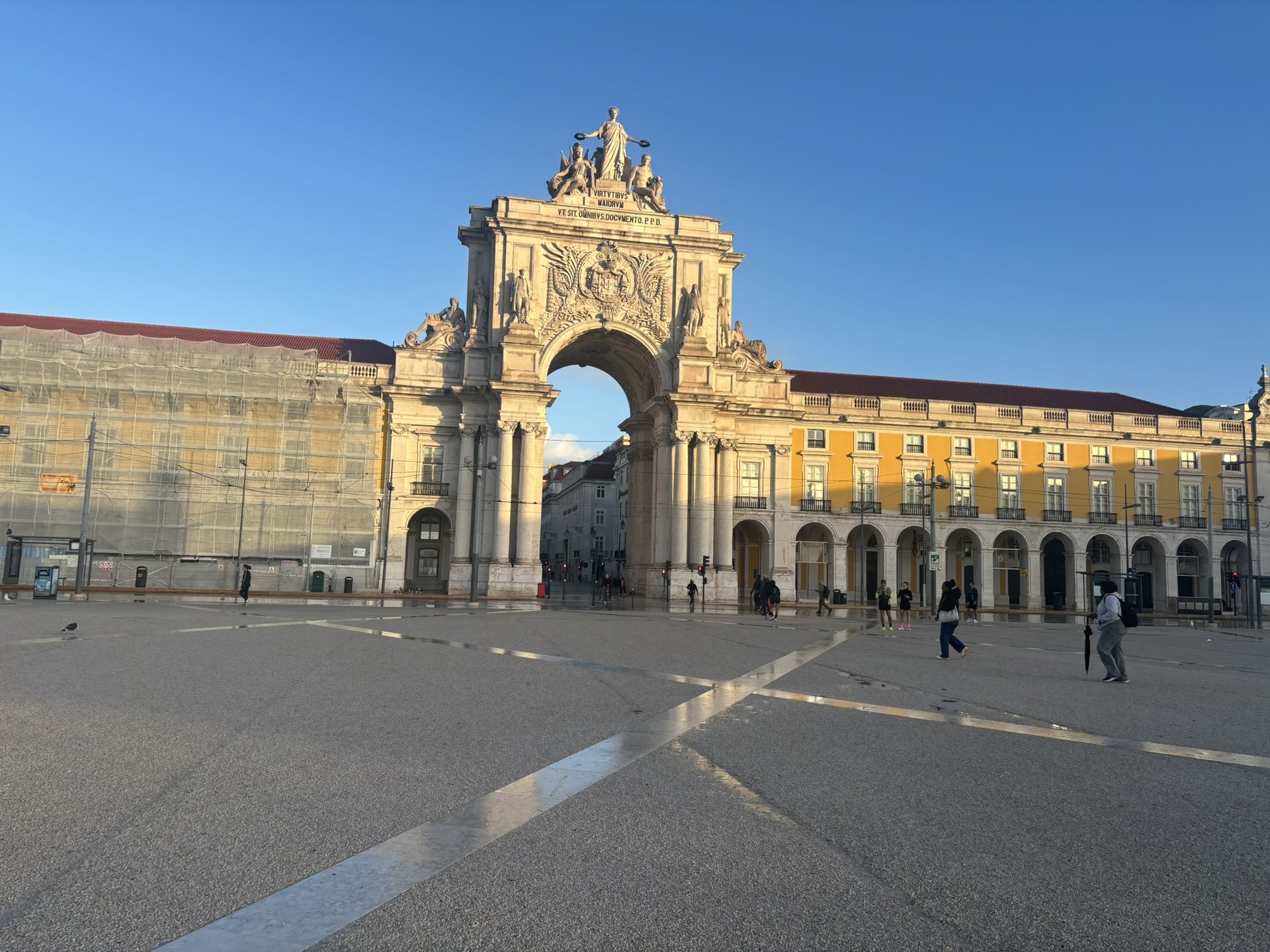
On November 11, a train with a connection at Tunes takes you back to Lisbon, to the LX Arch Hotel, on rua Augusta, right in the heart of the Baixa. We took the chance to stroll rua Augusta to Praça do Comércio and its arch, the Rossio, Praça da Figueira, the Santa Justa Lift and the Chiado.
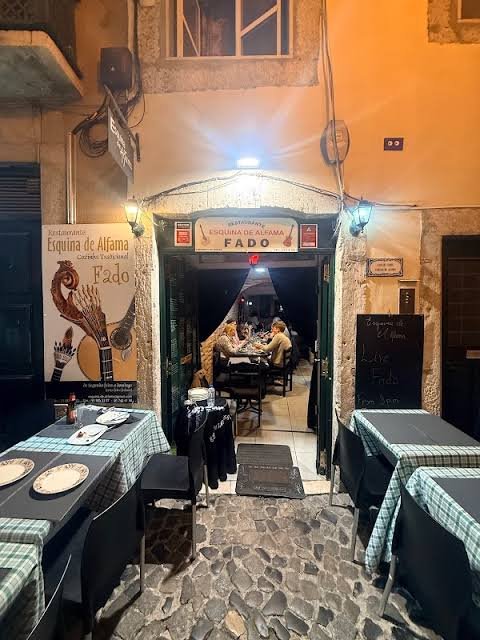
In the evening, dinner with fado at Esquina de Alfama, in the city's oldest neighbourhood: a seafood rice to share, to the sound of the melancholy song so typical of Lisbon. We talk about it in our article on the restaurant.
Belém and Alfama
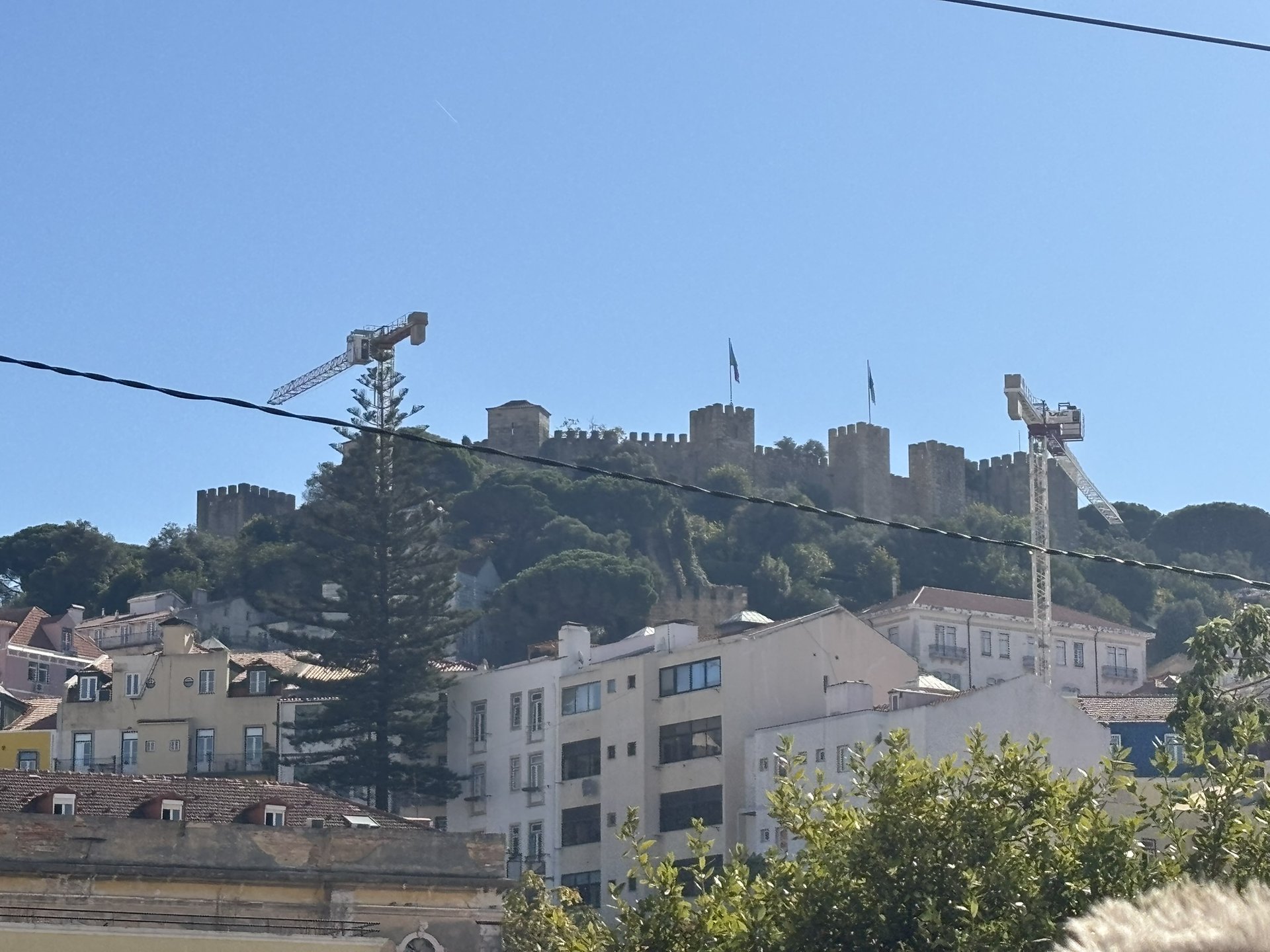
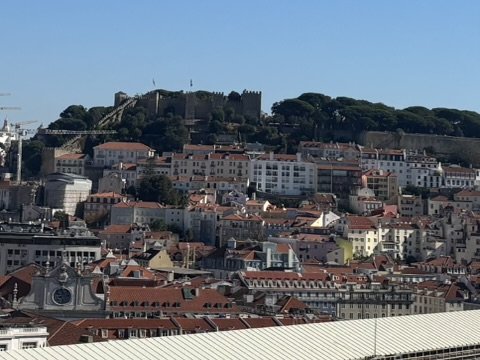
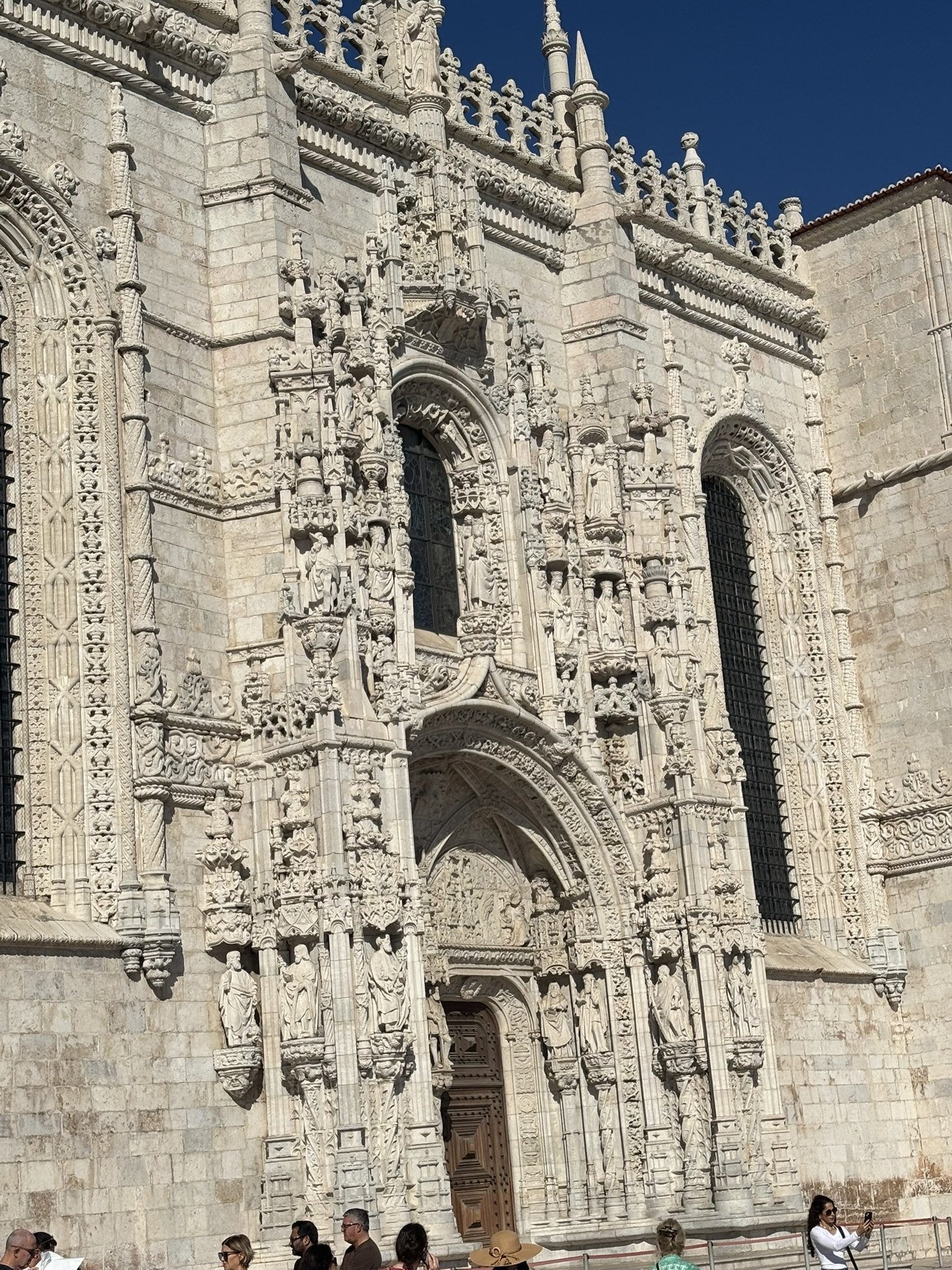
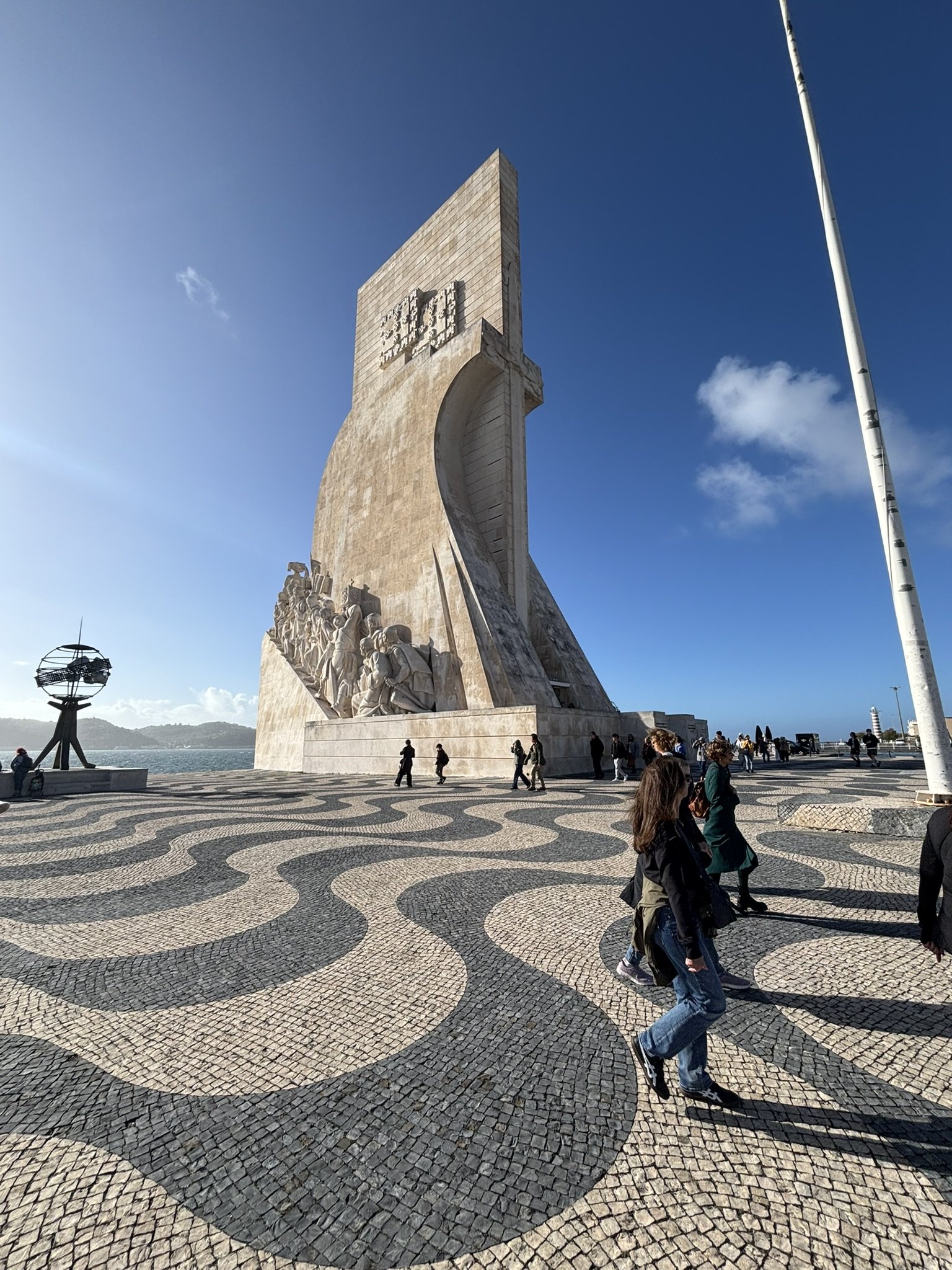
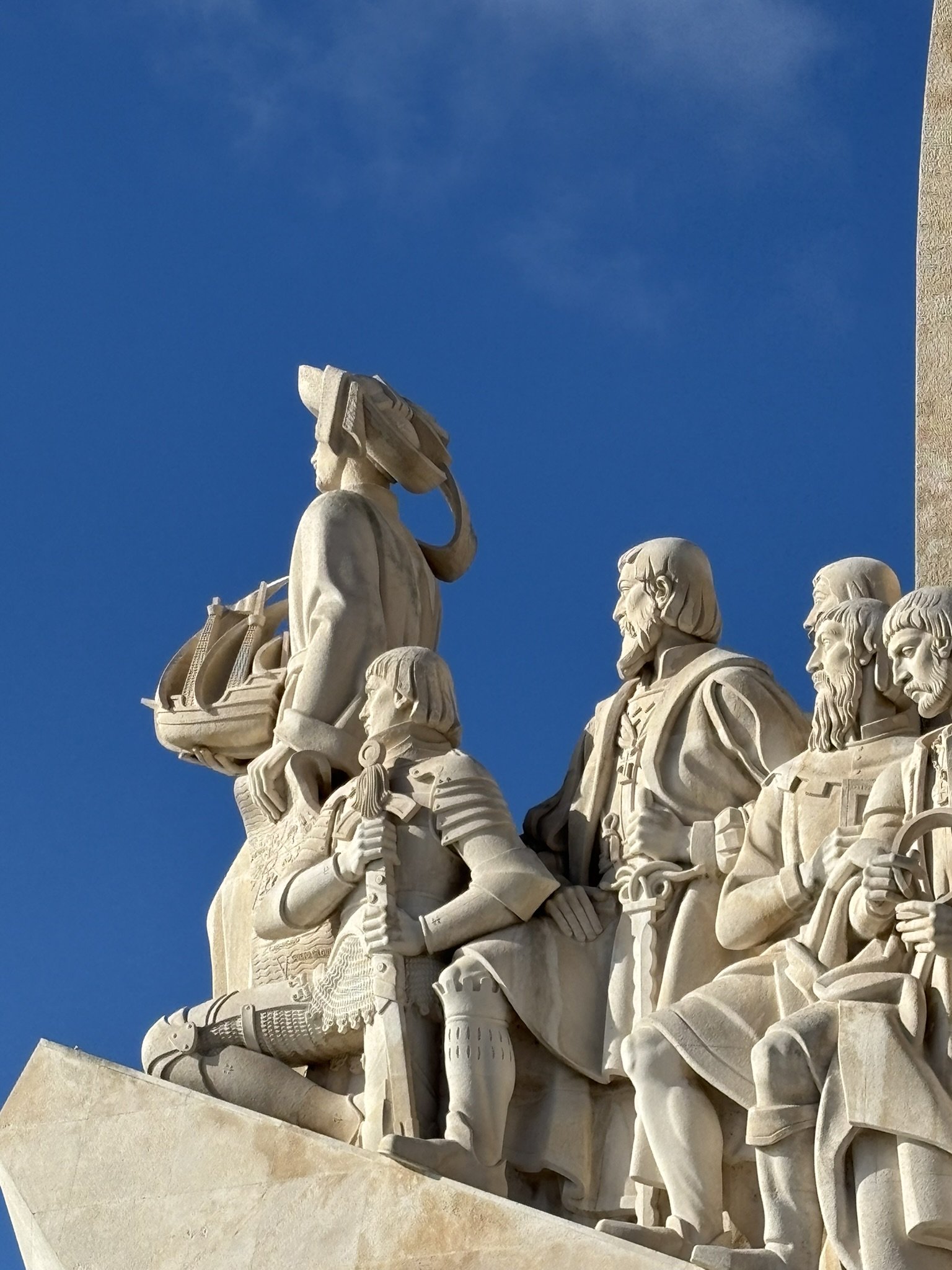
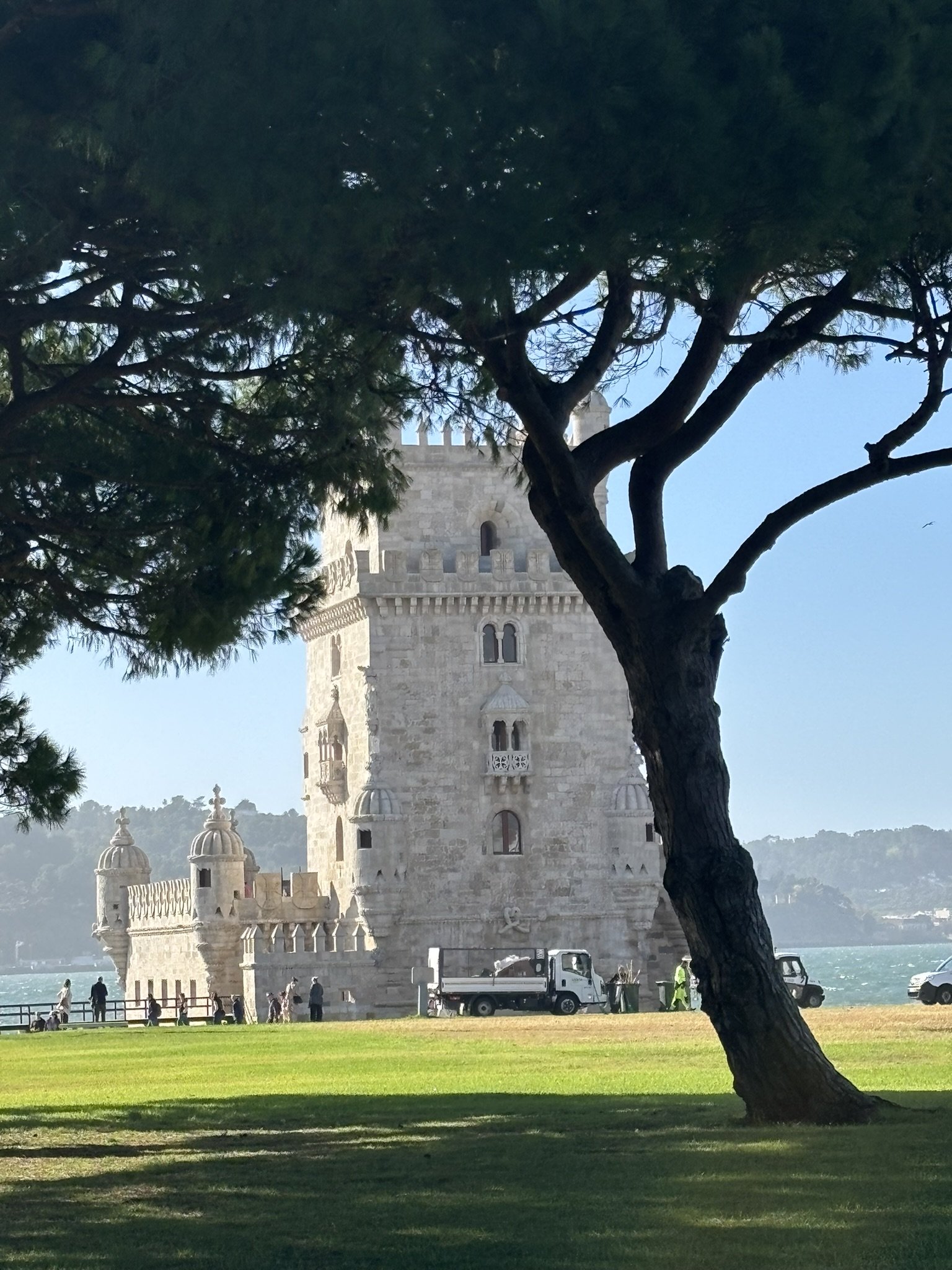
The last full day, November 12, begins in Belém: the Jerónimos Monastery, a masterpiece of the Manueline style, the famous pastéis de Belém, the Padrão dos Descobrimentos and the Belém Tower, on the banks of the Tagus. The monastery and the tower are on the UNESCO World Heritage List. In the afternoon, back to Alfama: the Sé cathedral, the Santa Luzia and Portas do Sol viewpoints, and the lanes climbing up to São Jorge Castle.